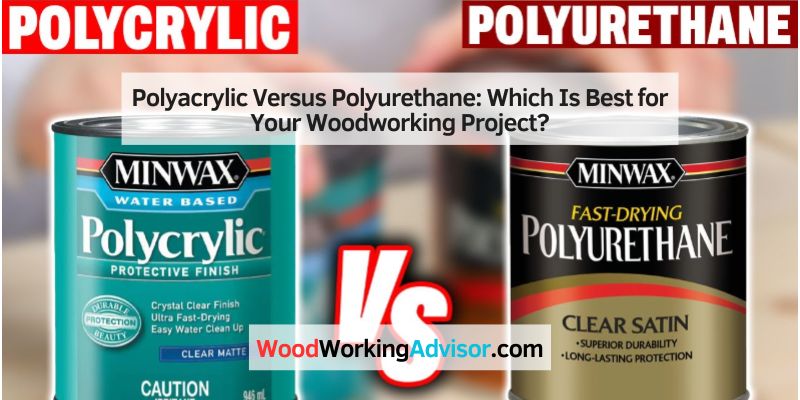
Polyacrylic Versus Polyurethane: Which Is Best for Your Woodworking Project?
Hey there! If you’re wondering about polyacrylic versus polyurethane for your woodworking project, you’re in the right place. As a woodworking enthusiast who’s spent years experimenting with finishes, I’ve got you covered. These two popular wood finishes can make or break your project’s look and durability. Let’s dive into the differences, benefits, and drawbacks to help you choose the right one.
What Are Polyacrylic and Polyurethane?
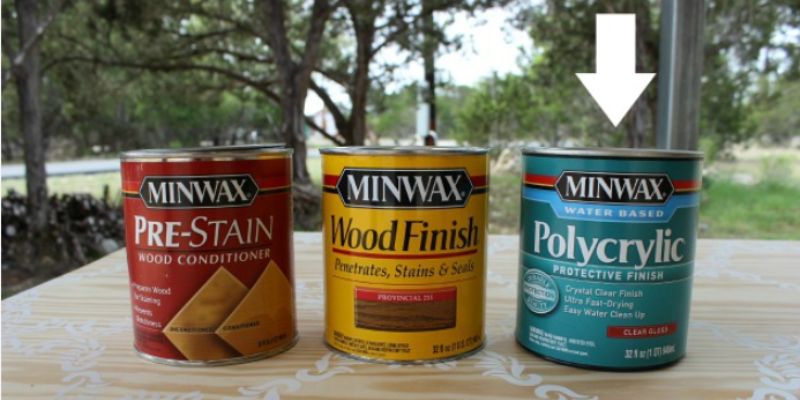
I remember my first woodworking project—a small oak coffee table. I stood in the hardware store, staring at cans of polyacrylic and polyurethane, completely confused. Both are clear protective coatings that shield wood from scratches, moisture, and wear. But they’re not the same.
Polyacrylic is a water-based finish. It’s made from acrylic resin and sometimes blended with polyurethane for extra strength. It dries fast, has low odor, and cleans up easily with soap and water. Polyurethane, on the other hand, comes in both oil-based and water-based versions. It’s a tougher, more durable coating, but it can be trickier to apply and has a stronger smell, especially the oil-based kind.
Both are great for sealing wood, but your choice depends on your project, timeline, and preferences. Let’s break it down further.
The Key Differences Between Polyacrylic and Polyurethane
When I first started woodworking, I thought polyacrylic and polyurethane were interchangeable. Nope! Each has unique traits that make it better for certain jobs. Here’s a quick comparison to set the stage:
| Feature | Polyacrylic | Polyurethane (Oil-Based) | Polyurethane (Water-Based) |
|---|---|---|---|
| Base | Water-based | Oil-based | Water-based |
| Drying Time | Fast (1-2 hours) | Slow (6-8 hours) | Moderate (2-4 hours) |
| Odor | Low | Strong | Low |
| Durability | Moderate | High | Moderate to High |
| Finish Appearance | Clear, non-yellowing | Warm, amber tint | Clear, slight yellowing over time |
| Cleanup | Soap and water | Mineral spirits | Soap and water |
| Application Ease | Easy | Moderate (requires care) | Easy |
This table gives you a snapshot, but let’s dig deeper into what these differences mean for your projects.
Durability: Which Finish Lasts Longer?
One of the biggest questions I get from fellow woodworkers is about durability. You want your project to stand the test of time, right? Polyurethane, especially the oil-based version, is the heavyweight champion here. It forms a thick, tough coating that resists scratches, dings, and moisture like a pro. I used oil-based polyurethane on a dining table, and even after years of kids spilling juice and dragging toys across it, it still looks great.
Polyacrylic, being water-based, is less durable but still solid for low-traffic pieces. I’ve used it on bookshelves and picture frames, and it holds up well where heavy wear isn’t an issue. If your project is a high-traffic item like a kitchen table or hardwood floor, go with polyurethane. For lighter-duty pieces like wall art or decorative boxes, polyacrylic is plenty tough.
Water-based polyurethane sits in the middle. It’s more durable than polyacrylic but not quite as tough as oil-based polyurethane. I’ve found it’s a great compromise for furniture that gets moderate use, like a bedroom dresser.
Appearance: How Do They Look on Wood?
The finish appearance matters a lot in woodworking. You’ve spent hours sanding and staining—don’t let the wrong finish ruin the vibe. Polyacrylic is my go-to when I want a crystal-clear look. It doesn’t yellow over time, so it’s perfect for light-colored woods like maple or ash. I used polyacrylic on a whitewashed pine shelf, and it kept that fresh, clean look without any tint.
Oil-based polyurethane, however, adds a warm, amber glow. It’s gorgeous on darker woods like walnut or cherry, giving them a rich, vintage feel. But that yellowing can be a downside on lighter woods. I once applied oil-based polyurethane to a birch cutting board, and it turned slightly yellow after a year—not the look I wanted.
Water-based polyurethane is clearer than its oil-based cousin but might yellow slightly over time. It’s a safer bet for projects where you want a balance between clarity and warmth. Test your finish on a scrap piece first—trust me, it saves headaches.
Application Process: Which Is Easier to Use?
Let’s talk about the application process. As someone who’s made plenty of mistakes, I can tell you this is where polyacrylic shines. It’s super forgiving. You brush it on, it dries fast, and if you mess up, you can sand it lightly and try again. Cleanup is a breeze—just soap and water. I used polyacrylic on a cedar chest, and even as a beginner, I got a smooth, streak-free finish.
Polyurethane, especially oil-based, is pickier. It takes longer to dry, so dust or pet hair can settle into the finish if you’re not careful. You need a well-ventilated space because the fumes are strong. I learned this the hard way when I applied oil-based polyurethane in my garage without enough airflow—my head was spinning! You also need mineral spirits for cleanup, which adds an extra step.
Water-based polyurethane is easier to apply than oil-based but still requires care to avoid brush marks. I recommend using a high-quality synthetic brush or a foam applicator for both polyacrylic and water-based polyurethane. For oil-based, a natural bristle brush works best. Always apply thin coats and sand lightly between layers for a professional finish.
Drying Time and Curing: How Fast Can You Finish?
Time is a big factor in woodworking. If you’re like me, you’re eager to see your project done. Polyacrylic wins for drying time. It’s touch-dry in about an hour and ready for a second coat in two. I’ve finished small projects in a single day with polyacrylic. Full curing takes about a week, but you can handle the piece sooner.
Oil-based polyurethane is slow. It takes 6-8 hours to dry between coats, and full curing can take up to 30 days. I once rushed a polyurethane-coated chair back into use too soon, and it felt sticky for weeks. Water-based polyurethane is faster—2-4 hours between coats and about two weeks to cure fully.
If you’re on a tight schedule, polyacrylic or water-based polyurethane is the way to go. For projects where you can wait, oil-based polyurethane’s durability might be worth the extra time.
Cost and Availability: What’s the Price Difference?
Let’s talk money. In my experience, polyacrylic and polyurethane are both affordable, but prices vary. A quart of polyacrylic costs around $15-$25, depending on the brand. Polyurethane is similar, with oil-based versions sometimes a bit cheaper ($12-$20) and water-based ones pricier ($20-$30). I usually buy from local hardware stores or online retailers like Amazon for convenience.
Both finishes are widely available, but check the label for your project’s needs. Satin, semi-gloss, and gloss sheens are common for both. I prefer satin for a natural look, but gloss can make a statement on decorative pieces. Always buy a bit more than you think you’ll need—running out mid-project is a pain.
Environmental and Health Considerations
As someone who’s sensitive to strong smells, I pay attention to the environmental impact of finishes. Polyacrylic and water-based polyurethane are low-VOC (volatile organic compounds), meaning fewer harmful fumes. They’re safer for indoor use and better for the environment. I used polyacrylic in my living room without worrying about my kids breathing in fumes.
Oil-based polyurethane has higher VOCs, so you need good ventilation. I only use it in my garage with fans running. If you’re eco-conscious or working in a small space, stick with water-based options. Always wear a mask and gloves when applying any finish, just to be safe.
Best Uses for Each Finish
Choosing between polyacrylic and polyurethane depends on your project. Here’s what I’ve learned from years of trial and error:
- Polyacrylic: Great for indoor projects with light to moderate wear, like shelves, frames, or decorative items. Its clear finish is ideal for light woods or painted surfaces. I used it on a painted kids’ toy box, and it’s held up beautifully.
- Oil-Based Polyurethane: Perfect for high-traffic pieces like dining tables, floors, or outdoor furniture (with UV protection). Its toughness is unmatched, but plan for the long drying time. I coated my porch swing with it, and it’s survived rain and sun for years.
- Water-Based Polyurethane: A versatile middle ground. Use it for furniture like dressers or cabinets that need durability but don’t face extreme wear. I finished a bathroom vanity with it, and it handles humidity like a champ.
Test your finish on a scrap piece to see how it looks and feels. Every wood species reacts differently, and you don’t want surprises on your final piece.
Tips for a Flawless Finish
No matter which finish you choose, the application process can make or break your results. Here are my go-to tips:
- Sand your wood smooth (start with 120-grit, finish with 220-grit).
- Apply thin coats to avoid drips or bubbles.
- Sand lightly between coats with 320-grit sandpaper for a silky finish.
- Work in a dust-free area—trust me, a single speck can ruin your day.
- Stir, don’t shake, the can to avoid air bubbles.
- Use a high-quality brush or applicator for even coverage.
I’ve messed up plenty of finishes by rushing or skipping these steps. Take your time, and you’ll love the results.
My Personal Experience: Which Do I Prefer?
After years of woodworking, I lean toward polyacrylic for most indoor projects. Its fast drying time and easy cleanup fit my busy schedule. But when I need a finish that can take a beating, like on my kitchen table, oil-based polyurethane is my pick. Water-based polyurethane is my go-to when I want a balance of durability and ease.
Your choice depends on your project, timeline, and comfort level. If you’re new to woodworking, start with polyacrylic—it’s forgiving and gives great results. As you gain confidence, experiment with polyurethane for tougher jobs.
Conclusion
Choosing between polyacrylic versus polyurethane doesn’t have to be overwhelming. Both are fantastic wood finishes, but they shine in different scenarios. Polyacrylic is your friend for quick, clear finishes on low-traffic pieces. Polyurethane, especially oil-based, is the go-to for heavy-duty projects that need to last. Water-based polyurethane offers a happy medium.
Think about your project’s needs—durability, appearance, and drying time. Test your finish, take your time with application, and you’ll end up with a piece you’re proud of. Whether you’re building a shelf or a dining table, the right finish will make your hard work shine. So grab your brush, pick your finish, and get to work—I can’t wait to hear how your project turns out!
FAQs
Is Polyacrylic the Same as Polyurethane?
No, they’re different. Polyacrylic is water-based and made from acrylic resin, often with some polyurethane added. Polyurethane can be oil- or water-based and is generally tougher. Polyacrylic dries faster and stays clear, while polyurethane might yellow, especially the oil-based kind.
Can I Use Polyacrylic Over Polyurethane?
Yes, but prep is key. Sand the polyurethane lightly to create a rough surface for adhesion. Clean off dust and apply polyacrylic in thin coats. I’ve done this on a table to switch to a clearer finish, and it worked well with proper prep.
Which Finish Is Better for Outdoor Furniture?
Oil-based polyurethane is best for outdoor furniture because of its superior durability and moisture resistance. Look for a version with UV protection to prevent sun damage. I’ve used it on patio chairs, and they’ve held up through rain and heat.
How Many Coats of Polyacrylic or Polyurethane Do I Need?
For most projects, 2-3 coats are enough. Polyacrylic often needs three thin coats for good protection. Polyurethane might need two for oil-based or three for water-based. I always do an extra coat on high-traffic pieces like tables for added strength.
Can I Mix Polyacrylic and Polyurethane?
No, don’t mix them in the same can—they’re chemically different and won’t blend properly. You can layer them (like polyacrylic over polyurethane) with proper sanding, but mixing them directly will ruin your finish. I learned this the hard way early on!