Varnish vs Polyurethane: Which Needs Fewer Coats?
Polyurethane is a modern film finish that dries harder and needs only 1-2 coats, making it the default choice for indoor floors, tables, and cabinets — but standard indoor polyurethane cracks fast outdoors. Exterior or marine varnish stays more flexible in sun and rain, though it needs 5-7 thin coats to build the same protection. This guide compares coats, dry time, cost, and the right pick for furniture, floors, doors, and boats.
Disclosure: This post may contain affiliate links. As an Amazon Associate we earn from qualifying purchases.
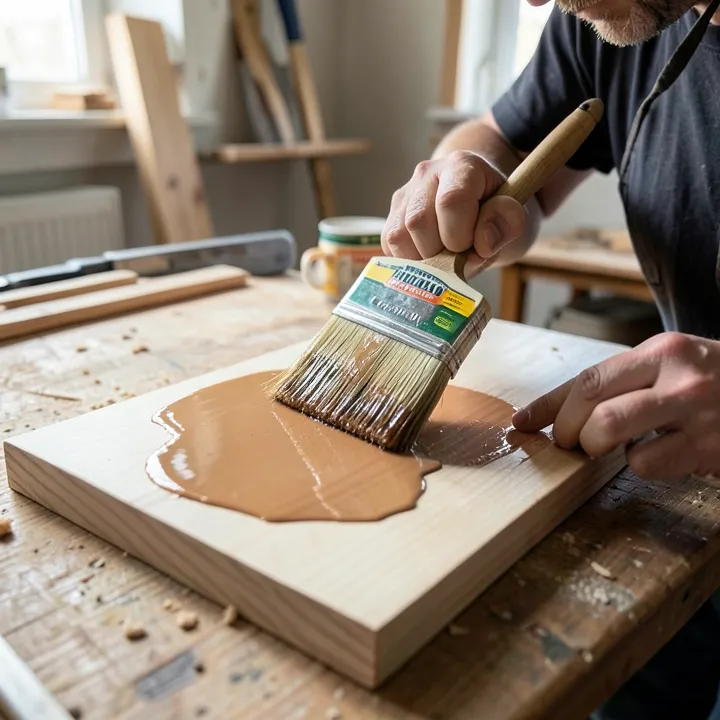
Polyurethane is usually better for indoor furniture, floors, cabinets, and tabletops because it gives strong abrasion resistance. Exterior or marine varnish is better for outdoor wood when flexibility, UV protection, and seasonal movement matter.
Varnish vs Polyurethane: Fast Decision Table
Best Polyurethane Pick
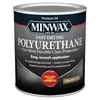
Minwax Fast-Drying Polyurethane, Clear Semi-Gloss (1 Qt) – $15.97
The classic oil-based build most woodworkers already reach for — matches the 1-2 coat protection this guide compares against 5-7 coats of varnish.
- Best for: indoor furniture, cabinets, and trim
- Why we picked it: reliable oil-based durability at the 1-2 coat count this guide recommends
- Main drawback: oil-based amber tint slightly darkens light woods
Compare more polyurethane options
 Option 1 Varathane Water-Based Ultimate Satin – $13.49
|
 Option 2 Varathane Triple Thick Gloss – $25.29
|
 Option 3 Minwax Semi-Gloss (1 Gal) – $48.98
|
As an Amazon Associate we earn from qualifying purchases.
| Project / Goal | Better Choice | Why | Watch Out For |
|---|---|---|---|
| Indoor tabletop | Polyurethane | Harder film for daily use | Let it cure fully |
| Wood floor | Floor-rated polyurethane | Designed for abrasion and foot traffic | Use floor product only |
| Outdoor door | Exterior varnish or spar varnish | Better movement and UV orientation | Needs maintenance |
| Boat or marine wood | Marine varnish | Designed for marine exposure | High maintenance |
| Cabinets | Polyurethane | Durable and easy to find | Water-based for lighter color |
| Porch furniture | Exterior varnish or spar urethane | Better for outdoor movement | Recoat before failure |
| White painted wood | Water-based polyurethane | Less ambering | Test before full use |
Varnish vs Polyurethane: Coats, Dry Time & Cost Compared
Polyurethane needs fewer coats because it builds a thicker film: most projects need only 1-2 coats of polyurethane versus 5-7 coats of traditional varnish to reach the same protective thickness.
| Factor | Varnish | Polyurethane |
|---|---|---|
| Coats needed | 5-7 thin coats | 1-2 coats |
| Dry film thickness | ~4-5 mils | ~10-12 mils |
| Recoat time (water-based) | 2-4 hours | 2-4 hours |
| Recoat time (oil-based) | 12-24 hours | 6-10 hours |
| Relative cost | Baseline | About 20% more per project |
📊 A polyurethane film (10-12 mils dry) needs about half the coats of a comparable varnish film (4-5 mils dry) to reach the same protection level. — Source: WOODWEB, Measuring and Calculating Mil Thickness of Finish Coats
Oil-based finishes of either type take the longest to recoat — plan on 12 to 24 hours between oil-based coats versus 2 to 4 hours for water-based versions of either product.
What Is Varnish?
Varnish is a clear film finish traditionally made from resin, oil, and solvent. It cures into a protective coating over the wood. Different varnishes are formulated for furniture, floors, boats, exterior doors, and outdoor trim.
Exterior varnish and marine varnish are designed to be more flexible than many indoor finishes. That flexibility helps wood move with humidity and temperature changes. Outdoor varnish may also include UV inhibitors depending on the product.
What Is Polyurethane?
Polyurethane is a modern film finish known for durability. It is available in water-based, oil-based, wipe-on, brush-on, spray, and floor-rated formulas. It is one of the most common clear finishes for indoor woodworking.
Polyurethane is popular because it is tough and widely available. It is commonly used on tables, floors, cabinets, trim, doors, shelves, and furniture that needs daily-use protection. For the full range of stains, oils, sealers, and cure times, see our wood finishing guide.
For more finish comparisons in this same cluster, see spar urethane vs polyurethane water-based vs oil-based polyurethane best wood sealer.
Main Difference Between Varnish and Polyurethane
| Feature | Varnish | Polyurethane |
|---|---|---|
| Finish family | Traditional resin/oil film finish | Modern polyurethane resin film finish |
| Best use | Outdoor wood, marine wood, doors, trim depending on product | Indoor furniture, floors, tables, cabinets |
| Flexibility | Often higher in exterior versions | Usually harder and less flexible |
| Abrasion resistance | Good depending on formula | Usually very good indoors |
| Outdoor use | Use exterior/marine varnish | Use only exterior-rated polyurethane or spar urethane |
| Color | Often warm amber | Water-based clear; oil-based amber |
| Maintenance | Outdoor versions need regular recoat | Indoor poly lasts long with proper care |
When Varnish Is Better
Varnish is better when the product is specifically exterior or marine-rated and the wood will move with weather. It is a strong choice for exterior doors, boats, outdoor furniture, and porch wood when you want a clear finish rather than paint or stain.
Choose Varnish when:
- You are finishing exterior wood
- You need more flexibility for seasonal movement
- You want a clear finish on an outdoor door or porch piece
- You are willing to maintain and recoat
- The product label says exterior or marine use

When Polyurethane Is Better
Polyurethane is better for most indoor protection. It is the default clear finish for tabletops, floors, cabinets, shelves, and furniture because it resists household wear better than many traditional finishes.
Choose Polyurethane when:
- The project is indoors
- You need strong abrasion resistance
- You are finishing a table, floor, cabinet, or shelf
- You want a widely available DIY finish
- You want water-based or oil-based choices
Varnish vs Polyurethane for Outdoor Wood
Exterior varnish is usually better than standard indoor polyurethane for outdoor wood because outdoor wood moves and faces UV, rain, and humidity. Standard indoor polyurethane can crack or peel outside.
For outdoor wood, choose exterior varnish, spar varnish, spar urethane, exterior stain, or wood sealer depending on the project and desired look.
Varnish vs Polyurethane for Table Tops
Polyurethane is usually better for indoor table tops. It provides strong abrasion resistance and practical daily protection.
Exterior varnish can be used on an outdoor table, but for an indoor dining table, desk, or coffee table, polyurethane is usually simpler and more durable.
Varnish vs Polyurethane for Floors
Use floor-rated polyurethane for wood floors. Floors need products designed for foot traffic, grit, pets, furniture movement, and cleaning.
Do not choose a general varnish just because it sounds traditional. Flooring needs a finish rated for floors.
Application Tips
Both finishes should be applied in thin coats on clean, sanded wood. Outdoor varnish especially needs careful maintenance because sunlight and water eventually break down clear coatings — see how this compares to lacquer and polycrylic topcoats.
- Sand evenly and remove dust
- Choose an indoor or exterior product based on project location
- Stir finish gently; do not shake bubbles into it
- Apply thin coats with the grain
- Let each coat dry as directed
- Sand lightly between coats if recommended
- For outdoor varnish, inspect yearly
- Recoat before the finish cracks or peels
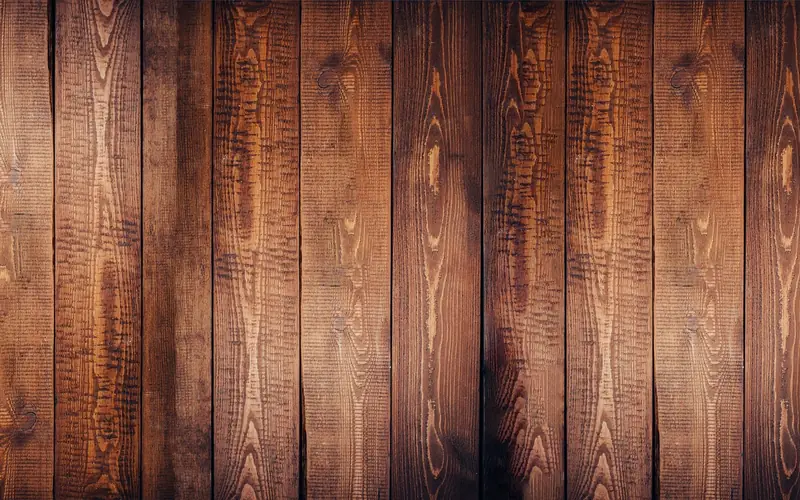
Oil-based polyurethane is chemically an alkyd varnish with polyurethane resin added for extra scratch, heat, and water resistance — the two finishes are closer relatives than the labels on the cans suggest.
Common Mistakes
Using indoor polyurethane outdoors
Indoor polyurethane is not designed for sunlight, rain, and seasonal movement.
Ignoring maintenance on exterior varnish
Clear exterior finishes need inspection and recoat before failure.
Using general varnish on floors
Floors need floor-rated finish.
Applying thick coats
Thick coats cure poorly and show brush marks.
Final Recommendation
Choose polyurethane for most indoor tables, floors, cabinets, shelves, doors, and furniture. Choose exterior or marine varnish when the wood lives outdoors and needs a flexible clear finish.
The best finish is not the strongest label; it is the product designed for the job. Indoor high-wear wood usually points to polyurethane. Outdoor moving wood usually points to exterior varnish, spar urethane, sealer, or stain.
FAQs About Varnish vs Polyurethane
Is varnish better than polyurethane?
Varnish can be better outdoors if it is exterior or marine-rated. Polyurethane is usually better for indoor durability.
Is polyurethane a varnish?
In broad terms polyurethane is a type of film finish, but in stores it is usually sold separately from traditional varnish products.
Which is better for a table?
Polyurethane is usually better for an indoor table. Exterior varnish or spar urethane may be better for an outdoor table.
Which is better for outdoor wood?
Exterior varnish, spar varnish, spar urethane, exterior stain, or sealer is better than standard indoor polyurethane.
Does varnish yellow like polyurethane?
Many oil-based clear finishes add amber color. Water-based polyurethane usually stays clearer.
Can I put polyurethane over varnish?
Only if the varnish is fully cured, sanded, cleaned, and compatible. Test first.
How many coats of varnish vs polyurethane do I need?
Most projects need 5 to 7 thin coats of varnish to match the protection of just 1 to 2 coats of polyurethane, since polyurethane builds a thicker film with every coat.
Sponsored / affiliate links. As an Amazon Associate I earn from qualifying purchases. I may earn additional commission from eligible campaigns.