Is Birch Good for Cutting Boards? (1260 Janka + FDA Rule)
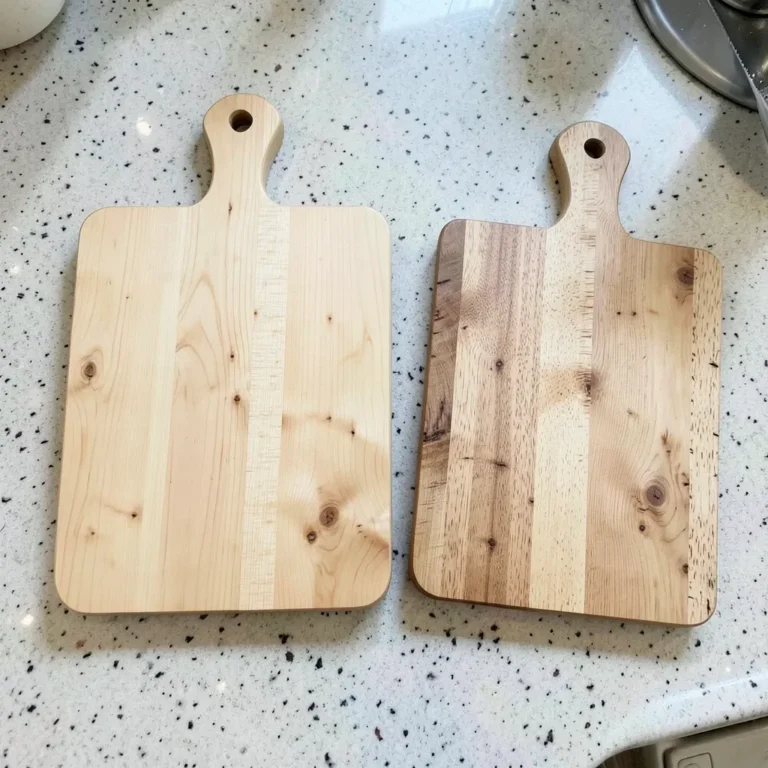
Birch is good for cutting boards: yellow birch scores 1260 on the Janka hardness scale and its tight, diffuse-porous grain meets the FDA Food Code standard for “hard, close-grained wood.” The catch is moisture — birch absorbs water faster than hard maple, so an unoiled board can develop surface checks within weeks of daily washing. This guide covers the hardness and grain data, the birch-sap food-safety myth, and the oiling schedule that prevents warping.
[Insert your Affiliate Disclosure reusable block here]
Is Birch Wood Food Safe? (The Sap Myth, Debunked)
Best Cutting Board Conditioner Pick
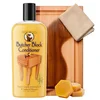
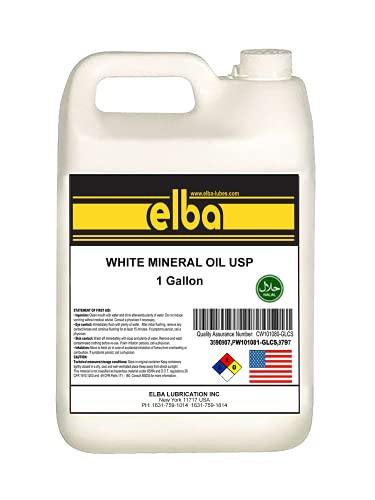
Howard Products Butcher Block Conditioner – Food Grade Mineral Oil + Beeswax, 12 oz
A mineral oil and beeswax blend built for exactly the moisture problem birch has — the wax leaves a water-resistant barrier on top instead of just soaking in.
- Best for: monthly conditioning that also seals against water spotting
- Why we picked it: blends food-grade mineral oil with beeswax and carnauba wax for a longer-lasting barrier than oil alone
- Main drawback: leaves a slightly waxy feel until it’s buffed in
Compare more board conditioner options
 Option 1 Thirteen Chefs Food Grade Mineral Oil, 8 oz
|
 Option 2 Howard Products Food Grade Mineral Oil, 12 oz
|
 Option 3 Project Papa Cutting Board Conditioner, Mineral Oil + Beeswax
|
As an Amazon Associate we earn from qualifying purchases.
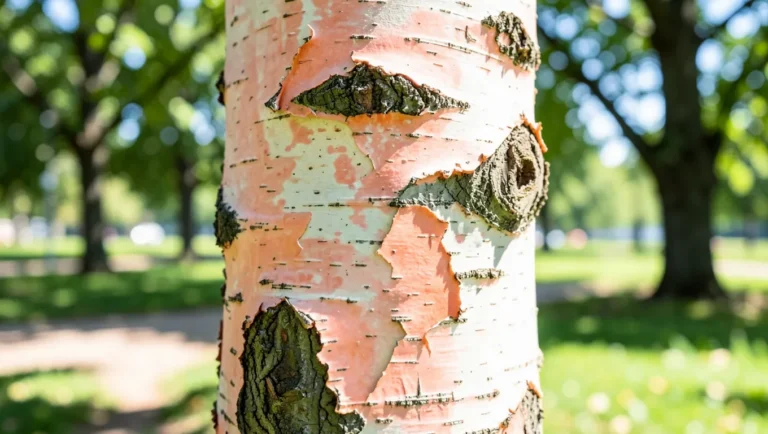
Birch is a diffuse-porous, closed-grain hardwood — the same category as hard maple, the wood the FDA Food Code names by name. The FDA Food Code allows “hard maple or an equivalently hard, close-grained wood” for cutting boards, cutting blocks, and other food-contact surfaces, and birch’s pore structure fits that description.
A claim shows up on a few kitchenware sites that birch “isn’t food-grade” because it excretes sap or oils. That doesn’t hold up: birch sap runs in the living tree in early spring and is itself widely consumed as birch syrup and birch water — it isn’t toxic, and it isn’t present in kiln-dried lumber used for boards. There’s no published toxicology or FDA finding that treats finished birch wood any differently from other closed-grain hardwoods for food contact. The real caveat with birch isn’t safety — it’s that its grain is a little more open to moisture than hard maple’s, which is a durability issue, not a health one.
📊 FDA Food Code 4-101.12: cutting surfaces must be “hard maple or an equivalently hard, close-grained wood.” — Source: FDA Food Code, Annex 3 (2022 edition, current guidance)
Birch Janka Hardness: How It Stacks Up Against Maple, Walnut, and Oak
Cutting-board woods generally need a Janka hardness between roughly 900 and 1,500 — hard enough to resist deep knife gouges, soft enough that it doesn’t dull the blade. Yellow birch, at 1260, sits comfortably in that range, just below hard maple and just above black walnut.
| Wood | Janka Hardness | Grain Type | Best For |
|---|---|---|---|
| Birch | 1,260 lbf | Diffuse-porous (closed) | Everyday home boards |
| Hard Maple | 1,450 lbf | Diffuse-porous (closed) | Daily heavy-use / commercial boards |
| Black Walnut | 1,010 lbf | Semi-ring-porous (tight) | Gentler on knife edges |
| European Beech | 1,300 lbf | Diffuse-porous (closed) | European-style end-grain boards |
| White Oak | 1,360 lbf | Ring-porous (open) | Furniture — not recommended for boards |
Notice white oak on that list: it’s hard enough by the numbers, but its ring-porous structure has visible open pores running the length of the grain. Those pores can trap food debris in a way birch’s tight, diffuse-porous structure doesn’t — one reason most kitchenware guides quietly skip oak even though its Janka score looks competitive. Birch avoids that problem entirely; its main weakness is moisture uptake, not pore structure.
How to Care for a Birch Cutting Board (Oiling Schedule That Prevents Warping)
Birch’s moisture sensitivity is manageable — it just needs oiling more often than a maple or walnut board would. Follow this schedule and it will hold up for years, the same as our guide on mixing your own beeswax-and-mineral-oil board butter recommends for any closed-grain hardwood.
- Season a new board first: apply plain food-grade mineral oil generously, let it soak in overnight, wipe off the excess, and repeat 2–3 times over the first week until the wood stops visibly absorbing it.
- Wash by hand, never soak: use warm water and mild soap, wipe down immediately, and never leave the board sitting in a wet sink — standing water is what causes birch’s checking and warping.
- Dry standing on edge: lay it flat to dry and only one face gets air, which pulls the board out of flat over time; stand it on its edge instead so both faces dry evenly.
- Oil weekly for the first month: a new or recently re-sanded birch board loses moisture fastest in its first few weeks of use — oil once a week during that window.
- Then oil every 1–4 weeks based on the water test: run water across the surface; if it beads and rolls off, the finish is still working, if it soaks in or the wood looks ashy, it’s time to reoil.
- Sanitize with vinegar or a mild bleach solution, not the dishwasher: a 1:1 white vinegar and water rinse, or a diluted bleach solution left on for a minute and rinsed, handles bacteria without the heat and prolonged soaking that ruins wood in a dishwasher.
“The birch boards that develop hairline checks along the end grain are almost always the ones that skipped oiling in their first month. A light coat once a week for the first four weeks, then tapering to once a month, is enough to stop it before it starts.”
Birch vs. Maple vs. Walnut: Which Should You Buy?
If budget and looks matter more than squeezing out the last bit of durability, birch is a legitimate choice — it’s usually cheaper than hard maple and has a similar light color. If you’re prepping meat or produce daily in a busy kitchen, maple’s extra hardness and lower moisture uptake earn its reputation as the commercial standard — see our walnut vs. maple comparison for the full breakdown. If you want a board that’s gentler on your knife edges and don’t mind a warmer color, black walnut is worth comparing too. Oak is technically hard enough by the numbers but its open, ring-porous grain makes it a poor fit — see why only white oak works for a cutting board for the exception. For general reference on how different species stack up structurally, see our hardwood, softwood, and engineered wood guide.
Frequently Asked Questions
Is birch food safe for cutting boards?
Yes. Birch is a closed-grain hardwood that meets the FDA Food Code’s standard for “hard maple or an equivalently hard, close-grained wood.” The claim that birch sap makes it unsafe is a myth — birch sap is itself consumed as birch syrup and isn’t present in kiln-dried lumber anyway.
Does birch wood need to be sealed before use as a cutting board?
Yes, more so than maple. A new birch board should be seasoned with several coats of food-grade mineral oil in its first week, then oiled weekly for the first month. Skipping this step is the main reason birch boards develop cracks that maple boards don’t.
How does birch compare to maple for cutting boards?
Birch is slightly softer (1260 Janka vs. maple’s 1450) and absorbs moisture faster, so it needs more frequent oiling and is more prone to warping if it’s left wet. Both are closed-grain hardwoods and both are food-safe; maple is the better pick for heavy daily commercial use, birch is a solid, less expensive choice for home kitchens.
Can birch cutting boards go in the dishwasher?
No. The prolonged heat and soaking in a dishwasher will crack and warp a birch board faster than almost any other type of damage. Hand wash with warm soapy water, dry immediately, and stand the board on edge to air dry.
How often should you oil a birch cutting board?
Weekly for the first month after seasoning, then every 1 to 4 weeks after that depending on use — run water across the surface and reoil as soon as it stops beading instead of soaking straight in.
Conclusion
Birch earns its place as a cutting board wood on the numbers: 1260 Janka hardness and a closed, diffuse-porous grain that meets the FDA’s close-grained wood standard. It isn’t the toughest option on the shelf — hard maple beats it on both hardness and moisture resistance — but for a home kitchen board that gets oiled on a regular schedule, birch is a safe, attractive, and budget-friendly choice.
Sponsored / affiliate links. As an Amazon Associate I earn from qualifying purchases. I may earn additional commission from eligible campaigns.