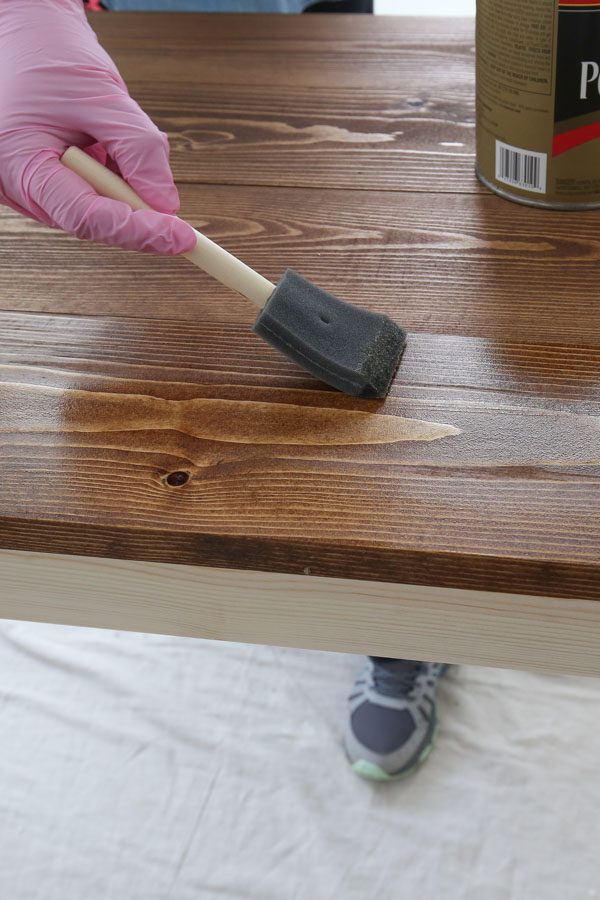
Polyurethane Stains for Wood: Enhance Durability & Beauty
Are you searching for the perfect finish for your cherished wood furniture or flooring? Imagine transforming your wooden surfaces into breathtaking pieces with a simple product.
Polyurethane stains for wood are your answer. These stains not only enhance the natural beauty of wood but also provide a durable and protective layer. Picture your spaces, radiating warmth and elegance, captivating anyone who walks in. You deserve wood finishes that reflect your style and withstand the test of time.
Dive into this guide to discover how polyurethane stains can become your secret weapon for impeccable wood surfaces.
Benefits Of Polyurethane Stains
Polyurethane stains offer excellent durability and protection for wood surfaces. They resist scratches and moisture, preserving the wood’s natural beauty. Easy to apply, these stains provide a lasting finish that enhances the wood’s appearance without compromising its strength.
Durability Boost
Polyurethane stains make wood last longer. This stain adds a strong layer. It protects wood from scratches and bumps. Wood stays safe and strong. Furniture looks new for years. Floors remain beautiful and sturdy. No need to worry about damage.
Enhanced Aesthetic Appeal
Wood becomes beautiful with polyurethane stains. Colors look rich and deep. Shiny surfaces catch the eye. Natural wood grain stands out. Rooms look more inviting. Furniture becomes the star of your space. Warm tones create a cozy feeling. Everyone loves the look of stained wood.
Protection Against Elements
Polyurethane stains shield wood from weather. Sun and rain can’t harm it. Wood stays dry and safe. Moisture doesn’t cause problems. No mold or rot troubles. Indoor and outdoor wood looks great. Furniture and floors remain intact. Wood stays strong in any weather.
Types Of Polyurethane Stains
Oil-based stains give wood a rich look. They penetrate deeply into the wood grains. Durability is a key feature. These stains resist wear and tear. They are ideal for high-traffic areas. Application can be messy. Ventilation is important due to strong odors. Cleaning needs mineral spirits or paint thinner.
Water-based stains are eco-friendly. They dry faster than oil-based ones. Easy cleanup with soap and water. Less odor makes them perfect for indoor projects. They do not penetrate as deeply. Color clarity is excellent. The stain coats the surface instead. Best for surfaces with minimal exposure to elements.
Hybrid stains combine oil and water-based benefits. They offer versatility in application. These stains balance durability and eco-friendliness. Perfect for those wanting the best of both worlds. They provide good penetration. Cleaning is simpler than oil-based options. Suitable for varied conditions and uses.
Application Techniques
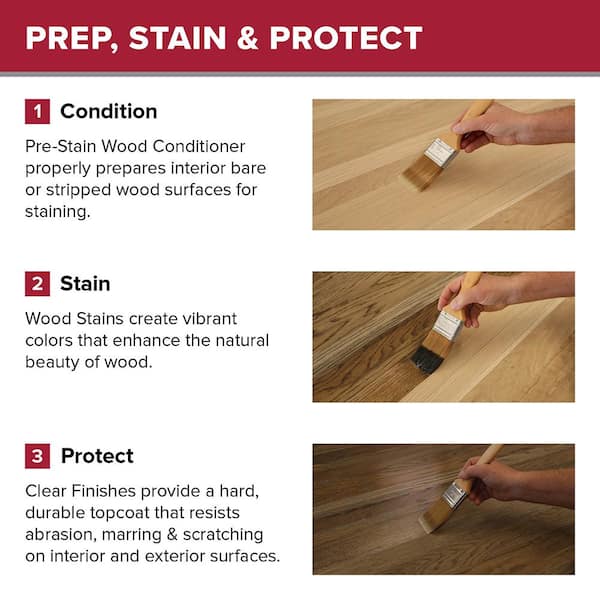
Clean the wood surface well. Remove any dirt or dust. Sand the wood using fine sandpaper. This helps the stain stick better. Wipe the surface with a damp cloth. Let it dry completely before you start staining.
Use a brush or roller for large areas. Choose a brush with natural bristles for the best finish. For small areas, a foam brush works well. A clean cloth can also be used for wiping. It helps in applying a thin, even layer.
Apply a thin layer of stain. Let it dry for a few hours. Check the label for drying times. Add more layers for a darker color. Always let each layer dry before adding another. This makes sure the finish is smooth and even.

Credit: www.zar.com
Maintenance Tips
Dust the wood surface often. Use a soft cloth. Avoid using rough sponges. They can scratch the wood. Mild soap is best for cleaning. Mix with warm water. Use a clean cloth to apply. Dry immediately to prevent water spots.
Reapply the polyurethane stain every year. This keeps the wood strong. A fresh coat protects against moisture. It also keeps the wood shiny. Follow instructions on the product label. Apply evenly using a brush. Let it dry completely.
Inspect the wood regularly for damage. Look for scratches and dents. Sand lightly to remove scratches. Use fine-grit sandpaper. Apply a new coat of stain afterward. This helps to blend the repair.
Choosing The Right Stain
Different wood types absorb stain differently. Oak wood absorbs quickly. Pine takes longer. Choose stains that fit your wood type. Light woods need light stains. Dark woods look better with dark stains. This helps the wood shine.
Environment affects stain choice. Humid areas need quick-drying stains. Dry areas allow slow-drying stains. Outdoor furniture needs weatherproof stains. Indoor furniture can use regular stains. Think about where the wood will be.
Some like shiny finishes. Others prefer matte. Polyurethane stains offer various finishes. Glossy finishes shine bright. Matte finishes offer elegance. Pick a finish that matches your style. Think about how it will look.
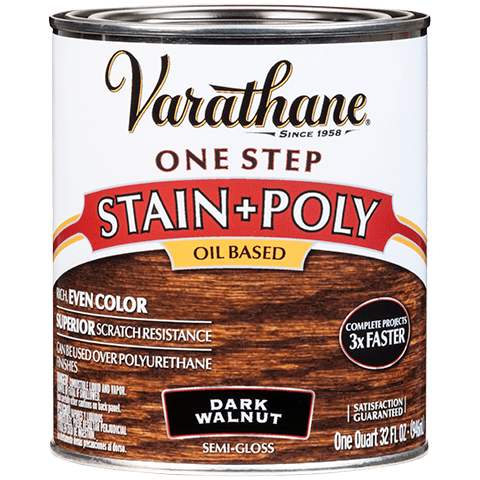
Credit: www.rustoleum.com
Common Mistakes To Avoid
Always read the instructions on the can. Ignoring them can ruin your project. The makers know their product best. They tell you how to use it right.
Surface preparation is key. Clean the wood first. Sand it well. Dirt and rough spots make the stain look bad. Your wood deserves a good start.
Too much stain can cause issues. It may not dry properly. The finish can turn sticky. Apply thin coats. Let each coat dry before adding more. Patience pays off.
Environmental Considerations
Some stains use natural ingredients. These are better for the planet. Choosing eco-friendly stains can help reduce harmful chemicals. They protect the air and water. Look for labels that say “low-VOC” or “natural”. These options keep your home safe.
VOCs are volatile organic compounds. They pollute air and cause health issues. Many wood stains release VOCs. These can be harmful to breathe. Choose stains with low VOC levels. This helps keep air clean and healthy. Less VOCs make your home more pleasant.
Proper disposal of stains is important. Never pour stains down the drain. Local waste centers can help with disposal. They know the best way to get rid of these products. Follow their rules to protect the environment.

Credit: www.ebay.com
Frequently Asked Questions
What Are Polyurethane Stains Used For?
Polyurethane stains enhance wood’s natural beauty while providing a protective finish. They are ideal for furniture, floors, and cabinets. These stains offer durability and resistance to water and chemicals. Polyurethane stains are available in various finishes, including gloss, satin, and matte, to suit different aesthetic preferences.
How To Apply Polyurethane Stain On Wood?
Start by sanding the wood surface for smoothness. Apply the stain with a brush or cloth, following the wood grain. Let it dry as per instructions. Apply additional coats if needed, sanding lightly between coats. Ensure proper ventilation during application and drying.
How Long Does Polyurethane Stain Take To Dry?
Polyurethane stain drying time varies based on type and conditions. Generally, it takes 6-24 hours to dry. Humidity and temperature affect drying time. Ensure the area is well-ventilated to speed up the process. Always check the manufacturer’s instructions for specific drying times.
Is Polyurethane Stain Safe For Indoor Use?
Polyurethane stains are safe for indoor use when used correctly. Ensure adequate ventilation during application and drying. Water-based polyurethane stains emit fewer fumes compared to oil-based ones. Always follow the manufacturer’s safety guidelines and use appropriate protective gear to ensure a safe application process.
Conclusion
Polyurethane stains bring out wood’s natural beauty. They protect surfaces from scratches. Easy application saves time and effort. Durability ensures long-lasting results. Perfect for DIY enthusiasts and professionals alike. Choose from various colors and finishes. Achieve stunning effects with minimal expertise.
Enhance furniture, floors, and cabinets effortlessly. Cost-effective solutions without compromising quality. Transform any wood project with ease. Simple maintenance keeps the wood looking fresh. Eco-friendly options available for conscious choices. Elevate your woodworking with polyurethane stains. Discover the difference today.
Enjoy the blend of aesthetics and protection. Your wood deserves the best finish.