How to Thin Polyurethane: The Right Ratio for Brushing, Wiping and Spraying
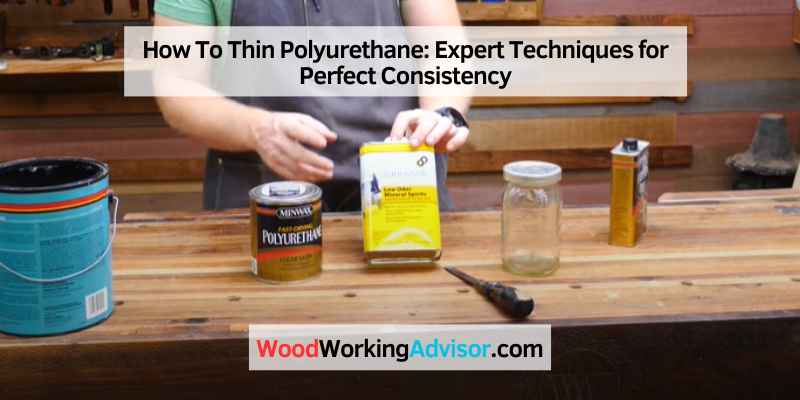
To thin polyurethane, mix in mineral spirits — roughly 1 part mineral spirits to 3-4 parts polyurethane (about 25%) for brushing, or a 50/50 mix for wiping on with a rag or spraying. Adding too much at once is the most common mistake, since it’s easy to thin past the point of good coverage but hard to thicken back up. This guide covers the right ratio for your application method, the exact mixing steps, and how to test consistency before committing to a full coat.
Why Thin Polyurethane?
Best Mineral Spirits Pick
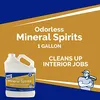
Klean-Strip Odorless Mineral Spirits, 1 Gallon
The standard solvent for thinning oil-based polyurethane — odorless formula is easier to work with indoors.
- Best for: thinning oil-based polyurethane for brush, wipe, or spray application
- Why we picked it: odorless formula, widely available, works at any thinning ratio in this guide
- Main drawback: only works with oil-based finishes, not water-based polyurethane
Compare more thinning supplies
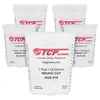 Option 1 Custom Shop Graduated Mixing Cups, 16oz (12-Pack)
|
 Option 2 Sunnyside Pure Odorless Paint Thinner, Quart
|
 Option 3 RMP Finishes Odorless Mineral Spirits
|
As an Amazon Associate we earn from qualifying purchases.
Polyurethane thinning is essential for achieving the desired finish on your projects. Thinning polyurethane allows for better control and application, resulting in a smooth and even coat.
Thinning polyurethane is a crucial step that can greatly enhance the quality of your woodworking projects. By diluting the polyurethane with an appropriate solvent, you can achieve several beneficial outcomes.
Enhance The Application Process
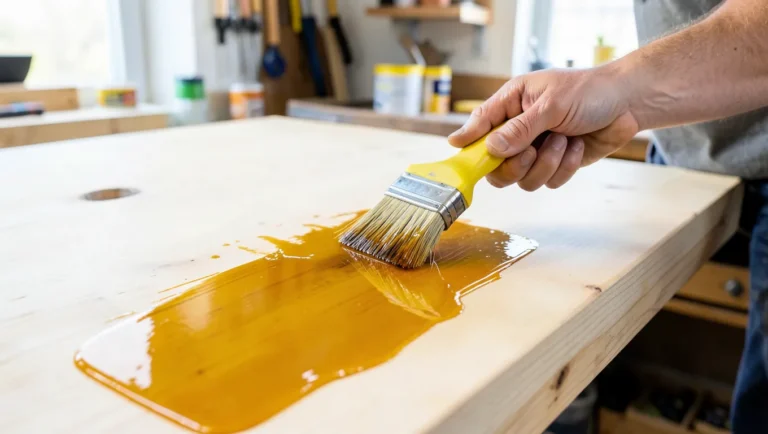
Thinning polyurethane allows for easier application, especially when using a brush or a sprayer. The viscosity of the liquid is reduced, resulting in a smoother flow and better control over the coating. This makes it easier to achieve an even and uniform thickness, minimizing the risk of drips, streaks, or brush marks.
Achieve A Smooth And Even Finish
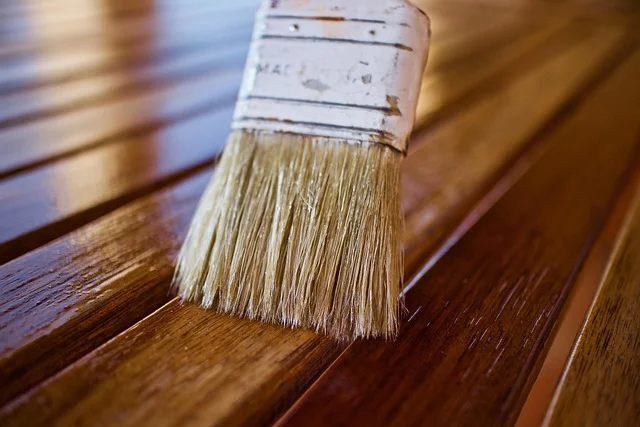
The main reason many woodworkers choose to thin polyurethane is to achieve a flawless, glass-like finish. When the polyurethane is too thick, it can be challenging to obtain a smooth surface, as brush or roller marks may become apparent. Thin layers of polyurethane dry more quickly and allow for a more controlled build-up of the finish.
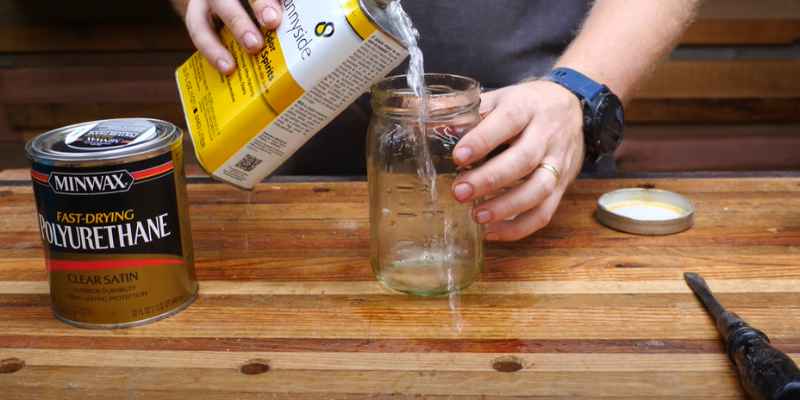
Determining If Polyurethane Needs Thinning
Polyurethane is a popular choice for protecting and sealing wood surfaces due to its durability and glossy finish. In some cases you may find that your polyurethane needs thinning before application — improving flow and allowing for a smoother finish.
Performing The Consistency Test
Before applying polyurethane, perform a consistency test:
- Prepare a small amount of the polyurethane mixture, following the manufacturer’s instructions.
- Using a brush or a stirring stick, apply the polyurethane mixture onto a piece of scrap wood.
- Observe the flow and consistency of the applied polyurethane.
- If the polyurethane flows easily and creates a smooth, even coat on the wood, it is at the ideal consistency and does not need thinning.
- If the polyurethane appears too thick and creates a streaky or uneven coat, it indicates that it needs thinning.
Considering Environmental Factors
Environmental factors can affect the viscosity of the polyurethane and its ability to flow smoothly:
| Environmental Factor | Impact on Polyurethane Viscosity |
|---|---|
| Temperature | Polyurethane tends to thicken at cooler temperatures, making it necessary to thin it before application. |
| Humidity | High humidity levels can also cause polyurethane to thicken, requiring thinning for a more even application. |
| Airflow | A lack of airflow can prevent polyurethane from drying properly, leading to the need for thinning. |
Materials And Tools Needed
When it comes to achieving a smooth and professional finish on your wood projects, thinning polyurethane is often necessary. In this section, we will discuss the materials and tools you need to get started.
Polyurethane
Polyurethane is a popular topcoat for protecting and enhancing the appearance of wood. It comes in various finishes, such as gloss, satin, and matte, allowing you to choose the level of shine that suits your project.
Mineral Spirits
To effectively thin oil-based polyurethane, you will need mineral spirits. Mineral spirits are a common solvent used to dilute and clean up oil-based finishes. Note: mineral spirits are oil-based, so they cannot thin water-based polyurethane — water-based poly is thinned with water instead, in small amounts, or with a manufacturer-specific extender.
Measuring Cup
To achieve the right consistency, it’s important to measure the proportions accurately. A graduated measuring cup ensures that you add the correct amount of mineral spirits. It’s always better to add less and gradually increase the ratio as needed.
Stir Stick Or Paddle
Once measured, you will need a stir stick or paddle to thoroughly mix the polyurethane and mineral spirits together. They tend to separate, so a good mix is crucial to achieve a uniform, consistent solution.
Step-by-step Process
Thinning polyurethane is an important step to ensure a smooth and even application. In this step-by-step guide, we will walk you through each stage of thinning polyurethane effectively.
Prepare The Work Area
Before you start thinning polyurethane, set up a suitable work area. Ensure that you are working in a well-ventilated space to minimize exposure to fumes. Lay down a plastic sheet or newspaper to protect your surface from any accidental spills or splatters.
Measure The Polyurethane
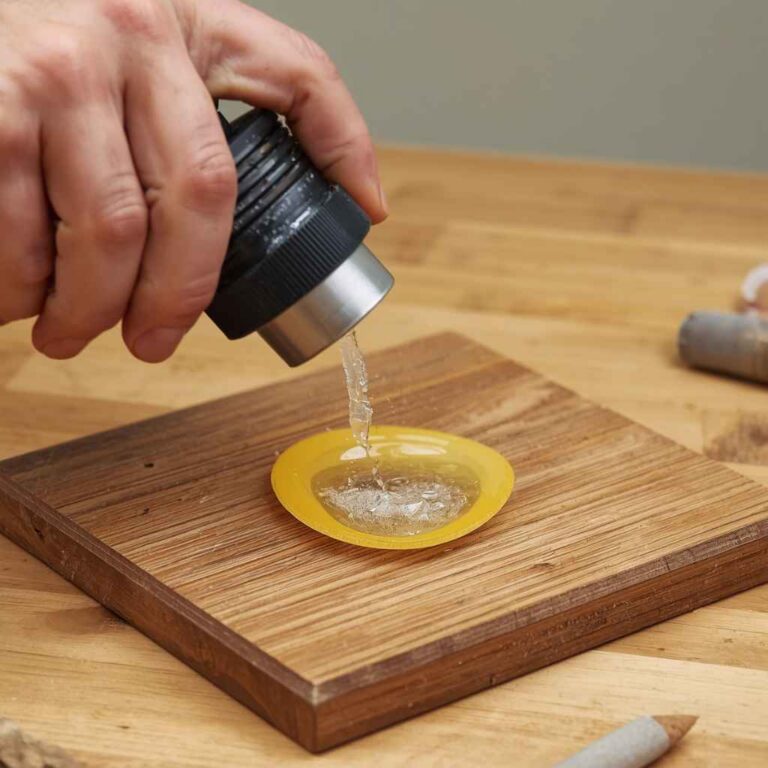
Use a clean measuring container and pour the desired amount of polyurethane into it. Check the product label for any specific thinning instructions provided by the manufacturer.
Add Mineral Spirits
Slowly pour the mineral spirits into the measuring container with the polyurethane. The ratio depends on your application method: for brushing, use roughly 1 part mineral spirits to 3-4 parts polyurethane (about 20-25% thinner). For wiping on with a rag or spraying, cut it closer to 50/50. If you’re building up multiple coats, later coats can go thinner than the first (progressively thinning from roughly 60/40 to 80/20 poly-to-thinner on later coats works well for many finishers).
Mix Thoroughly
Use a stirring stick or paddle and blend the ingredients together until they are well combined. Aim for a smooth, consistent mixture, stirring slowly to avoid introducing air bubbles.
Perform A Test Application
Before applying the thinned polyurethane to your project, perform a test application on a spare piece of wood or the underside of your project. Observe how it spreads and dries, making any adjustments as needed.
Tips And Tricks For Achieving The Perfect Consistency
Achieving the perfect consistency is essential for a smooth and professional finish. If your polyurethane is too thick, it can be difficult to work with and may leave visible brush strokes. If it is too thin, it can result in a watery finish that doesn’t adhere well to the surface.
Gradually Add Mineral Spirits
Start by pouring a small amount of polyurethane into a clean container, then slowly add mineral spirits while stirring gently. Be cautious not to add too much at once — it’s much easier to thin further than to un-thin an over-diluted batch.
Maintain A Proper Ratio
Match your ratio to your application method — about 20-25% mineral spirits for brushing, or up to 50% for wiping on with a rag or spraying, as covered in the Step-by-Step Process above. It’s fine to experiment slightly within that range for the exact feel you want, but going far outside it risks poor coverage or a finish that never fully levels.
Use The Right Stirring Technique
Use a stir stick or paddle, and stir slowly and consistently to blend the ingredients. Scrape the sides and bottom of the container to ensure that all the materials are thoroughly mixed. Avoid creating air bubbles by stirring too vigorously, as they can negatively affect the finish.
For more on wood finishing options, see our full wood finishing guide, or compare Danish oil vs. polyurethane if you’re still deciding on a topcoat.
Frequently Asked Questions
What Is The Best Ratio For Thinning Polyurethane?
It depends on how you’re applying it: roughly 20-25% mineral spirits (1 part thinner to 3-4 parts polyurethane) for brushing, or up to 50% for wiping on with a rag or spraying.
Can You Thin Water-Based Polyurethane With Mineral Spirits?
No. Mineral spirits are oil-based and will not mix with water-based polyurethane. Thin water-based poly with small amounts of water instead, or a manufacturer-specific extender.
What Happens If You Add Too Much Mineral Spirits?
Over-thinned polyurethane goes on watery, provides poor coverage, and may not build enough film thickness to protect the wood properly. It’s easier to add more thinner gradually than to fix an over-diluted batch.
Do You Need To Thin Polyurethane For The First Coat?
Many finishers thin the first coat the most (up to 50/50) so it penetrates and seals the wood, then use progressively less-thinned coats for subsequent layers.
Conclusion
Thinning polyurethane is a straightforward process that can yield impressive results for your woodworking projects. By matching your ratio to your application method and testing on scrap wood first, you can achieve a smooth, even finish every time.
Sponsored / affiliate links. As an Amazon Associate I earn from qualifying purchases. I may earn additional commission from eligible campaigns.