Satin Hardwood Floor Finish: Sheen Level & How Long It Lasts
Satin hardwood floor finish sits at 25 to 35 gloss units on the industry sheen scale — glossier than matte (under 10) but softer than semi-gloss (35 to 70). Pick a higher sheen and every dust speck and refinish seam shows under side light; go matte and the floor can look flat in bright rooms. This guide covers satin’s exact gloss numbers, oil- vs water-based dry times, and a realistic refinish schedule.
What Is Satin Hardwood Floor Finish? (Gloss Level Explained)
Best Satin Polyurethane Pick
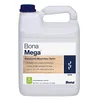
Bona Mega Wood Floor Finish Satin 1 Gallon
A professional-grade, waterborne satin finish built specifically for hardwood floors, not general woodworking projects.
- Best for: Professional-grade durability on high-traffic floors
- Why we picked it: Purpose-built wood floor finish formulated for the abrasion satin floors take underfoot
- Main drawback: Higher price per gallon than home-improvement-store options; read the mixing instructions closely
Compare more satin polyurethane options
 Option 1 Minwax Ultimate Floor Finish, Satin
|
 Option 2 Varathane Diamond Water-Based Floor Poly, Satin
|
 Option 3 Minwax Fast-Drying Polyurethane, Satin
|
As an Amazon Associate we earn from qualifying purchases.
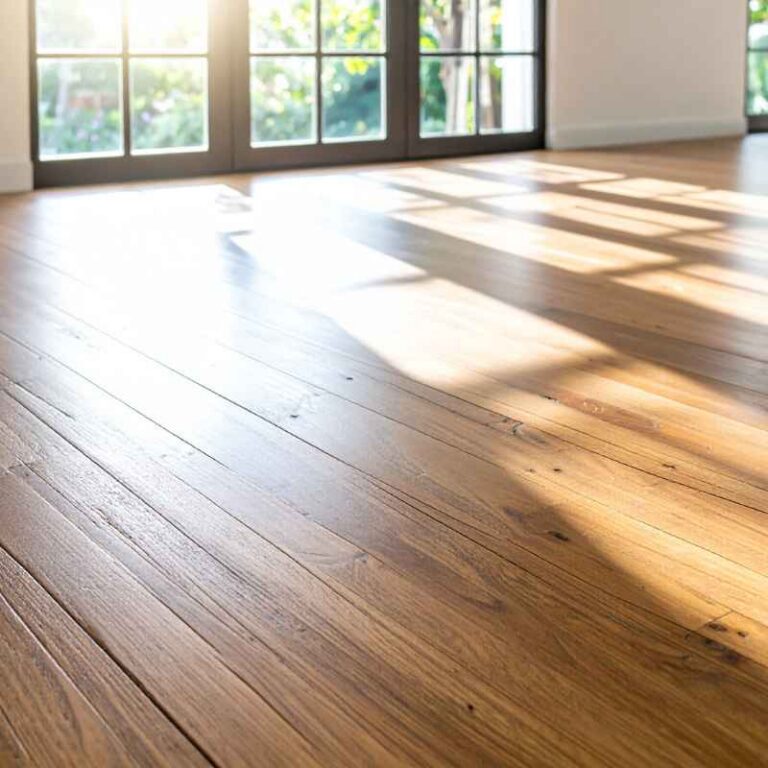
Satin finish is a protective floor coating that reflects roughly 25 to 35 percent of light back at the standard 60-degree gloss-meter angle, placing it between matte (under 10) and semi-gloss (35 to 70). It diffuses light rather than mirroring it, which is why dust, footprints, and light scratches are harder to spot on a satin floor than on a high-gloss one. Choose a higher sheen only if you want the floor itself to read as a design feature — satin is the practical default for living rooms, bedrooms, and hallways that see daily traffic.
| Sheen Level | Gloss Units (60°) | Shows Scratches/Dust | Best For |
|---|---|---|---|
| Matte / Flat | Under 10 | Least visible | Rustic looks, busy households |
| Satin | 25–35 | Low | Most homes — the practical default |
| Semi-Gloss | 35–70 | Moderate | Formal rooms, statement floors |
| High Gloss | 70+ | Most visible | Showrooms, small accent areas |
Pros and Cons of Satin Finish
Pros:
- Hides daily wear: the diffused reflection means dust, pet hair, and micro-scratches show less than on semi-gloss or gloss floors.
- Easier upkeep: fewer visible smudges mean less frequent damp-mopping between full cleans.
- Fits almost any style: satin reads as neither “shiny showroom” nor “flat rustic,” so it works in traditional and modern interiors alike.
- Decent moisture resistance: still forms a sealed surface, though not as slick a water barrier as a higher-gloss coat.
Cons:
- Wears faster underfoot in high-traffic pinch points (entryways, in front of kitchen sinks) than a harder semi-gloss film.
- Same refinish clock as any sheen: sheen choice doesn’t change how often you sand — only how forgiving the finish looks between refinishes.
- Less depth than gloss for buyers who specifically want a mirror-like showroom look.
“Satin is what we recommend by default when someone can’t decide on a sheen — it’s the one choice that still looks intentional whether the room gets babied or lived in hard.”
— Our team
Water-Based vs Oil-Based Satin Polyurethane
Water-based satin polyurethane dries to the touch in about 2 hours and is ready to recoat in 2 to 4 hours. Oil-based satin poly needs 6 to 10 hours between coats. Oil-based poly also ambers over time, warming the wood tone, while water-based stays clear — a real difference on white oak or maple where a yellow cast is unwanted.
📊 A typical 2-coat satin floor: water-based poly can be fully coated and walkable within about 24–30 hours total; oil-based needs 6–10 hours between coats plus a full overnight cure, often pushing the same 2-coat job to two full days before light traffic. — Source: Minwax and Varathane manufacturer application guidelines.
| Water-Based Satin | Oil-Based Satin | |
|---|---|---|
| Recoat time | 2–4 hours | 6–10 hours |
| Furniture back | ~48 hours | ~48 hours |
| Color effect | Stays clear | Ambers / warms over time |
| Odor / VOC | Lower | Higher |
How to Clean and Maintain Satin Hardwood Floors
Do: sweep or vacuum with a hard-floor setting (no beater bar) regularly, use a pH-neutral hardwood floor cleaner, wipe spills immediately, and use felt pads under furniture legs.
Don’t: use vinegar, ammonia, or wax-based cleaners — they dull or damage the polyurethane film. Avoid steam mops; the forced moisture works into seams and can warp boards. Damp-mop only, never wet-mop.
The Water Drop Test
To check whether the finish is still protecting the wood, drop a few teaspoons of water onto the floor and wait 10 minutes. If it beads up, the satin coat is intact. If it soaks in and darkens the wood, the finish has worn through and it’s time to refinish.
How Often Should You Refinish a Satin Finish?
A full sand-and-refinish is needed every 7 to 10 years in high-traffic rooms and every 10 to 15 years in bedrooms and formal spaces that see less foot traffic. Between full refinishes, a screen-and-recoat — a light abrasion of just the top finish layer followed by a fresh coat — extends the look for another 3 to 5 years at a fraction of the cost and downtime of a full sand.
How to Screen and Recoat a Satin Hardwood Floor
- Clean thoroughly: Vacuum and damp-mop the floor, then let it dry completely — any dust or residue left behind gets sealed under the new coat.
- Screen the old finish: Lightly abrade the existing satin coat with a floor buffer and a fine 120–150 grit screen pad — just enough to scuff the surface, not cut through to bare wood. A rented buffer, not a belt sander, is the right tool here; save the belt sander for a full strip-and-refinish job.
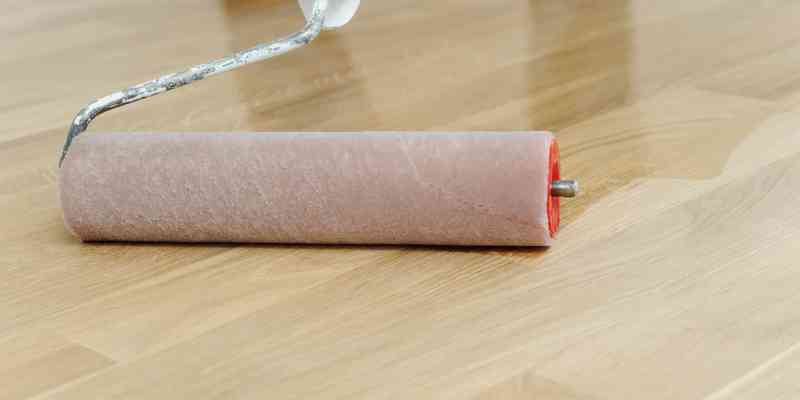
- Apply one new coat: Roll on a single thin coat of the same type of satin polyurethane already on the floor (match water-based to water-based, oil to oil) and let it cure per the can’s light-traffic time before walking on it.
Satin vs Other Sheens at a Glance
Satin sits in the middle of the sheen range on purpose — enough gloss to look finished, enough diffusion to hide daily wear. For a full side-by-side on the two sheens homeowners compare it against most, see our dedicated guides on satin vs. matte finish and satin vs. semi-gloss floors. For finish types, install costs, and care beyond sheen alone, browse the full wood flooring guide.
Frequently Asked Questions
What is a satin hardwood floor finish?
A satin hardwood floor finish is a protective polyurethane coating that reflects about 25 to 35 percent of light at the standard gloss-meter angle — softer than semi-gloss (35 to 70) but shinier than matte (under 10). It’s the most common sheen choice because it hides everyday dust and light scratches better than higher-gloss finishes while still looking finished, not flat.
Does satin finish show scratches and footprints?
Less than semi-gloss or high-gloss finishes, but not zero. Satin’s diffused reflection scatters light instead of creating a mirror-like glare, so shallow scratches, dust, and footprints blend into the surface rather than standing out. Deep gouges through the finish into bare wood will still show regardless of sheen.
How many coats of satin polyurethane do I need?
Most hardwood floors need 2 to 3 coats of satin polyurethane for full protection: 2 coats for water-based formulas, which build film thickness faster, and typically 3 for oil-based. Adding a coat beyond the manufacturer’s recommendation doesn’t add meaningful durability — it just adds dry time.
How often do satin hardwood floors need to be refinished?
Every 7 to 10 years in high-traffic areas and 10 to 15 years in low-traffic rooms — the same schedule as any other sheen. Sheen level affects how forgiving the floor looks between refinishes, not how often the finish itself wears through. A screen-and-recoat every 3 to 5 years extends the interval.
Can I apply satin finish over an existing floor without sanding?
Only if the existing finish is polyurethane and still intact — a screen-and-recoat (light abrasion, no sanding to bare wood) works in that case. If the current finish is wax, shellac, or already worn through to bare wood, a full sand is needed before any new polyurethane coat will bond properly.
Conclusion
Satin’s 25-to-35 gloss-unit range is why it’s the default choice for most hardwood floors — enough sheen to look finished, diffused enough to hide daily wear. Whichever satin polyurethane you choose, budget for a full refinish every 7 to 10 years and a cheaper screen-and-recoat every 3 to 5 years in between to keep that sheen looking new.
Sponsored / affiliate links. As an Amazon Associate I earn from qualifying purchases. I may earn additional commission from eligible campaigns.