Does Roomba Scratch Wood Floors?
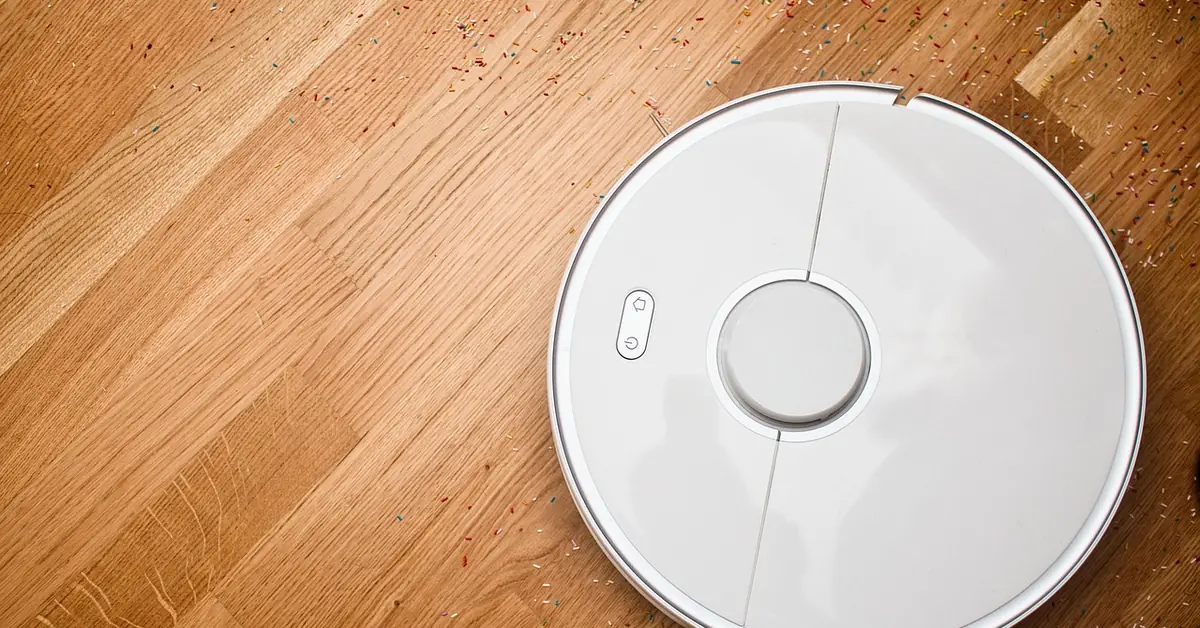
A Roomba’s brushes almost never touch sealed wood floors, but its front caster wheel — a hard plastic pivot wheel, not a rubber one — can grind trapped grit into circular scratches when it swivels. The risk is real but avoidable: keep that wheel clean and it drops close to zero. This guide covers the actual mechanism, which models are more prone to it, and the 5 fixes that work.
Quick Answer
A Roomba’s soft rubber brushes don’t scratch wood floors, but the hard plastic front caster wheel can if dirt gets packed into it — spinning grit against the floor as it pivots. Clean sealed hardwood, engineered wood, and laminate are all safe with regular wheel maintenance; bare or damaged wood is the real risk category.
For the full picture on cleaning wood floors safely, see our wood flooring care guides — this article focuses specifically on the scratch question.
This guide assumes you already know a Roomba works on hardwood floors and is generally a good fit for hardwood — here we’re focused specifically on whether it scratches, and what to do about it.
What Actually Causes Roomba Scratches (It’s Not the Brushes)
Best Virtual Wall Barrier Pick
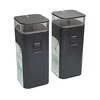
Dual Mode Virtual Wall Barrier for Roomba (2-Pack)
Keeps the robot out of unsealed or delicate wood-floor rooms entirely, which is more reliable than depending on a clean wheel alone.
- Best for: Owners who want a barrier made specifically for iRobot Roomba models rather than a universal strip
- Why we picked it: Directly compatible with the Roomba 600/800/900/i/s/e series this article covers, and two units cover two rooms at once
- Main drawback: Runs on batteries that need periodic replacement, and placement has to be redone if you rearrange furniture
Compare more virtual wall barrier options
 Option 1 Magnetic Boundary Strips, 6.5ft
|
 Option 2 Dual Mode Virtual Wall Barrier Light House (2-Pack)
|
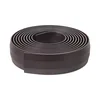 Option 3 Boundary Tape Marker Strips for Robot Vacuums
|
As an Amazon Associate we earn from qualifying purchases.
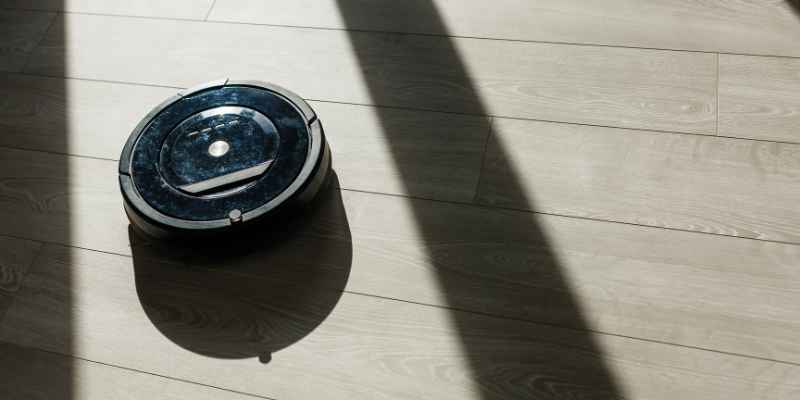
Most Roomba models use two rear wheels for propulsion and a third wheel up front that pivots freely so the robot can turn. That front wheel is the one made of hard plastic — the rear wheels and the cleaning brushes underneath are rubber or silicone, soft enough that they’re not the scratch risk owners usually assume they are.
Why the Front Caster Wheel Is the Real Culprit
When dirt, sand, or small debris packs into the caster wheel’s housing, the wheel stops spinning freely. Instead of rolling, it drags and skids sideways every time the Roomba pivots — and a hard plastic wheel dragging grit across a wood floor is what leaves the faint circular scratch patterns owners report, especially near turns and tight corners. Owner reports on forums like Robot Reviews describe this same pattern independently of each other: scratches cluster where the robot turns most, not along its straight cleaning passes.
Which Roomba Models Are More Likely to Scratch Hardwood
Older Roomba generations with a single hard plastic caster (commonly reported around the 600 Series) show up disproportionately often in scratch complaints across owner forums — several owners who contacted iRobot support say they were told to be cautious with that series on hardwood, though this isn’t published as a formal iRobot warning. Newer models with dual rubber multi-surface brushes and better wheel sealing report fewer issues, but the caster wheel design hasn’t disappeared entirely, so wheel maintenance still matters on any model.
Does Taping the Wheel Actually Stop the Scratching?
It’s a common DIY fix in owner forums: wrap electrical tape or a thin rubber band around the caster wheel so it can’t contact bare wood directly. It works for a short while, but it’s not a real fix and can make things worse.
The problem is what happens after the tape wears. As it gets sanded down by daily use, worn tape picks up dirt and grit and effectively turns into a strip of sandpaper stuck to the wheel — dragged sideways across your floor every time the Roomba pivots. Multiple owners on Robot Reviews forums report scratches appearing again within a couple of cleaning runs once the tape wore thin, in some cases worse than before they added it. Treat it as a stopgap you replace constantly, not a permanent solution — cleaning the wheel assembly itself is the fix that actually holds up.
How to Prevent Roomba From Scratching Wood Floors
These five steps address the actual cause rather than papering over it:
- Pull and clean the front caster wheel monthly: Turn the Roomba over, remove the caster wheel assembly by hand, and clear out any hair, sand, or grit packed inside the housing so the wheel spins freely again.
- Sweep or run a dry pass before the first cleaning cycle: Clearing loose grit and sand off the floor first means there’s nothing for the caster wheel to pick up and drag in the first place.
- Use virtual wall barriers on delicate zones: Keep the robot out of rooms with unsealed, damaged, or very soft wood floors where even a clean wheel carries more risk.
- Check that your floor is actually sealed: A polyurethane, acrylic, or epoxy sealant creates a protective layer between the wood and any wheel contact — bare or worn-finish wood is the real vulnerability, not sealed hardwood.
- Inspect after the first few runs on a new floor: Look for the same faint circular marks the caster wheel leaves near turns. Catching debris buildup early prevents it from becoming a recurring scratch pattern.
A properly maintained sealant does most of the protective work here — if you’re not sure your routine cleaning is finish-safe, see how to mop wood floors without damaging the seal.
What to Do If Your Roomba Already Scratched Your Floor
Light, hairline marks in the finish (not the bare wood underneath) usually buff out with a hardwood floor cleaner and a soft cloth, since you’re only removing surface haze in the topcoat. Deeper gouges that catch a fingernail have gone through the finish into the wood itself and need a localized touch-up with a marker or wax stick or, for widespread damage, a professional screen-and-recoat.
Like most appliance manufacturers, iRobot’s warranty is written to cover defects in the robot itself — not damage the robot causes to your property. Don’t assume a scratched floor is covered; check your specific model’s warranty terms or contact iRobot support directly before planning around it.
Frequently Asked Questions
Are Roombas safe for hardwood floors?
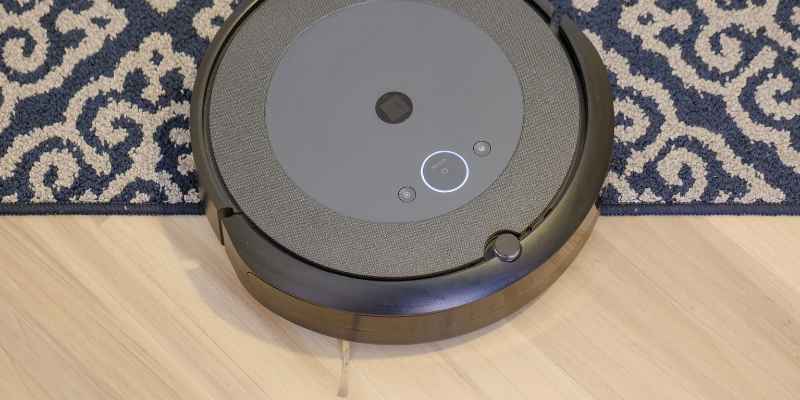
Yes, for sealed hardwood, engineered wood, and laminate floors. The rubber brushes and rear wheels don’t scratch wood; the risk is limited to the hard plastic front caster wheel when it’s clogged with debris. Regular wheel maintenance keeps the risk close to zero.
What part of the Roomba actually scratches the floor?
The front pivoting caster wheel, not the brushes. It’s made of hard plastic rather than rubber, and when grit packs into its housing it drags instead of rolling freely, leaving faint circular scratches near turns.
Does putting tape on the front wheel stop the scratching?
Only briefly. Tape wears down with use, picks up grit, and effectively becomes sandpaper stuck to the wheel — some owners report scratches returning within a couple of cleaning runs once the tape wears thin. Cleaning the wheel assembly itself is the fix that actually holds up.
Which Roomba models are most likely to scratch hardwood floors?
Older models around the 600 Series show up more often in owner scratch complaints and caster wheel maintenance threads. Newer models with sealed, dual rubber brush designs report fewer issues, though the caster wheel mechanism is still present, so maintenance still matters.
How do I stop my Roomba from scratching my floor?
Clean the front caster wheel monthly, sweep loose grit off the floor before each cleaning cycle, confirm your floor has an intact sealant, and use virtual wall barriers to keep the robot away from unsealed or damaged wood entirely.
Will iRobot’s warranty cover a scratched floor?
Generally no. Like most appliance manufacturers, iRobot’s warranty is written to cover defects in the unit itself, not damage the unit causes to your property. Check your model’s specific terms or contact iRobot support before assuming coverage.
Conclusion
Roomba doesn’t scratch wood floors through its brushes — the real risk is a clogged front caster wheel dragging grit across the surface as it pivots. Keep that wheel clean, sweep before cleaning cycles, and confirm your floor is properly sealed, and the scratch risk stays close to zero on any current model.
Sponsored / affiliate links. As an Amazon Associate I earn from qualifying purchases. I may earn additional commission from eligible campaigns.