Polyurethane Vs Tung Oil: Which Finish is Best for Wood?
Choosing the right finish for your wood projects can be tricky. Polyurethane and tung oil are two popular options.
In the world of woodworking, the finish you select makes a big difference. Polyurethane and tung oil each have their own unique qualities, making the choice between them important. Polyurethane is known for its durability and protection, often used for furniture and floors.
Tung oil, on the other hand, offers a natural look and is favored for its eco-friendly properties. Understanding the differences can help you decide which is best for your project. In this post, we’ll compare these two finishes, so you can make an informed choice for your next woodworking endeavor.
Introduction To Wood Finishes
Polyurethane offers a durable, high-gloss finish ideal for heavy-use surfaces. Tung oil provides a natural, matte look, perfect for rustic charm. Choose based on desired appearance and use.
Importance Of Wood Finishes
Wood finishes protect wood from damage. They also enhance its beauty. Polyurethane and Tung Oil are two common finishes. They both have unique benefits. Choosing the right finish is important. It can make wood last longer.
Common Types Of Wood Finishes
| Type | Benefits |
|---|---|
| Polyurethane | Durable and water-resistant. Easy to apply. Gives a glossy finish. |
| Tung Oil | Natural and non-toxic. Deeply penetrates wood. Provides a warm, rich look. |
Polyurethane Finish
Polyurethane is a strong and durable finish. It is water-resistant and scratch-resistant. It gives wood a glossy look. It can be used on floors, furniture, and cabinets. It protects wood from moisture and stains. It is available in different sheens like satin, semi-gloss, and high-gloss. Polyurethane can be oil-based or water-based. Oil-based is more durable but has a strong smell. Water-based dries faster and has a milder smell.
The surface must be clean and smooth. Apply thin coats with a brush or roller. Let each coat dry before adding another. Sand lightly between coats for a smooth finish. Ventilate the area well. Follow the manufacturer’s instructions for the best results. It may take several coats to get the desired finish. The process can be time-consuming but gives a long-lasting result.
| Pros | Cons |
|---|---|
| Durable | Strong smell |
| Water-resistant | Long drying time |
| Scratch-resistant | Requires multiple coats |
| Glossy finish | Can turn yellow over time |
Tung Oil Finish
Tung oil comes from nuts. It has a natural look. This oil penetrates deep into wood. It dries slowly. The finish is hard and durable. Tung oil is also water resistant. It protects wood from damage.
First, clean the wood surface. Apply a thin coat of tung oil. Use a cloth or brush. Let it dry for 24 hours. Sand the surface lightly. Apply more coats as needed. Repeat until you get the desired finish.
| Pros | Cons |
|---|---|
| Natural look | Slow drying time |
| Durable finish | Requires many coats |
| Water resistant | Can be expensive |
| Easy to apply | Needs reapplication over time |
Durability Comparison
Polyurethane is very strong. It creates a tough layer on wood. This layer can resist scratches and water. Many people use it for floors and furniture. It lasts for many years. Polyurethane also protects wood from damage. It is easy to clean and maintain. Polyurethane makes wood look shiny and new. It is good for high-traffic areas. Polyurethane can be used indoors or outdoors. It is very popular for wood finishing.
Tung oil is natural. It soaks into the wood. This makes the wood strong. Tung oil can resist water. It also protects wood from damage. Tung oil makes wood look warm and rich. It is good for wooden bowls and cutting boards. Tung oil is easy to apply. It is not as tough as polyurethane. Tung oil needs more coats for good protection. It is good for indoor use. Tung oil is also popular for wood finishing.
Aesthetic Differences
Polyurethane creates a glossy, durable finish on wood, while tung oil offers a natural, matte appearance. Both enhance wood grain, but their looks differ significantly.
Appearance Of Polyurethane
Polyurethane creates a strong, shiny finish on wood. It can come in different levels of sheen. Some are glossy, others are matte. The finish can make wood look smoother and more polished. It also adds a bit of depth to the wood color.
Appearance Of Tung Oil
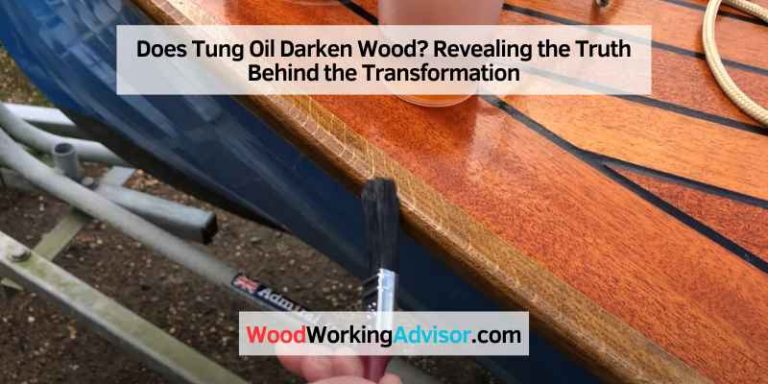
Tung oil soaks into wood and gives a natural look. It makes the wood grain stand out more. The finish is often warm and soft. It does not look as shiny as polyurethane. It is good for a more rustic or antique feel.
Ease Of Application
Polyurethane needs a clean surface before starting. It can be applied with a brush or a cloth. Multiple coats are often necessary. Each coat must dry before the next one. Drying times vary based on the type. Water-based dries faster than oil-based. Sanding between coats is often needed for a smooth finish.
Tung Oil is easy to apply. It can be rubbed on with a cloth. No need for a brush. Multiple applications might be needed. Each layer needs time to soak in. The oil penetrates deep into the wood. Reapplication can be done without sanding. Tung Oil enhances the natural look of the wood.
Maintenance And Longevity
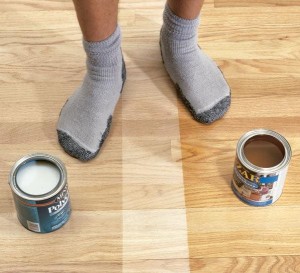
Polyurethane is easy to care for. Regularly clean with a damp cloth. Avoid harsh chemicals. They can damage the surface. Reapply every few years. This helps maintain its shine. Frequent use areas might need more attention. Small scratches can be sanded and re-coated. It is durable. Long-lasting. Good for high traffic areas.
Tung oil needs more care. Clean with a soft cloth. Avoid water and soap. Reapply oil every 6 months. This keeps the wood nourished. It penetrates deeply. Gives a natural look. Not as durable as polyurethane. Needs more frequent upkeep. Good for low traffic areas. It enhances the wood grain. Makes it look rich and warm.
Credit: pizazzfloors.com
Environmental Impact
Polyurethane is a popular wood finish. It gives a hard, durable coat. But, it is made from chemicals. These chemicals are not always good for the earth. Polyurethane can release harmful fumes while drying. This can be bad for indoor air quality. Also, it is not easy to recycle. It can sit in landfills for years.
Tung oil comes from the seeds of the tung tree. It is a natural product. This makes it safer for the environment. Tung oil does not release harmful fumes. It is also biodegradable. This means it can break down naturally. Tung oil is a good choice for eco-friendly projects. It is safe for both people and the planet.

Credit: www.pinterest.com
Frequently Asked Questions
Is Polyurethane Better Than Tung Oil?
Polyurethane offers better durability and water resistance. Tung oil provides a natural finish but requires more maintenance. Choose based on your needs.
What Are The Disadvantages Of Tung Oil?
Tung oil dries slowly, requiring multiple coats. It can be expensive and offers limited resistance to water and chemicals.
Should I Use Wood Oil Or Polyurethane?
Use wood oil for a natural look and easy maintenance. Choose polyurethane for a durable, glossy finish and better protection.
What Is The Best Oil Finish For Outdoor Wood?
The best oil finish for outdoor wood is teak oil. It provides excellent protection, durability, and enhances the wood’s natural beauty.
Conclusion
Choosing between polyurethane and tung oil depends on your project needs. Polyurethane offers strong protection. It’s great for high-traffic areas. Tung oil gives a beautiful, natural finish. It’s perfect for fine woodwork. Both have their unique benefits. Consider the look and durability you desire.
Then, make an informed choice. Your wood projects will thank you!