How to Dispose of Oily Rags Safely (Which Oils Actually Ignite)
Oily rags are safe to throw away only after they are completely dry, and the rags that can ignite on their own are the ones soaked in drying oils such as linseed oil, tung oil, or oil-based stain. Fire departments and UL give two safe routes: spread the rags flat outdoors until dry, or submerge them in a sealed metal container of water. This guide covers which oils are the real risk, both methods step by step, and which container to buy.
How to Dispose of Oily Rags Safely
Best Oily Waste Can Pick | |
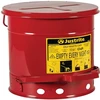 |
Justrite 6 Gallon Galvanized Steel Oily Waste Can, $87.02 A foot-pedal, self-closing steel can with an elevated base for air circulation, listed by the maker for linseed oil and solvent-soaked rags. It is the “oily waste can” route described below.
|
As an Amazon Associate we earn from qualifying purchases.
Every fire-service method comes down to one idea: never let oily rags sit in a pile while the oil is still curing. UL boils it down to three words, dry, dunk, dispose. Which route you pick depends on how often you finish wood.
- Dry them flat outdoors if you only use a few rags now and then. Single layer, weighed down, away from buildings, thrown out only when fully dry.
- Dunk them in water if you need to store rags between projects. A tight-lidded metal container, rags fully covered, lid left on.
- Use an oily waste can if you finish wood every week. A self-closing metal can gives you a permanent, fire-resistant place for used rags.
Local rules decide the final step. Seattle Fire advises checking with your municipality for how to dispose of the rags once they are safe, and many areas route them through household hazardous waste programs. Call your local waste authority before the container goes in the trash.
Which Oils Make Rags Catch Fire on Their Own?
Not every oily rag is a spontaneous-combustion risk, and treating them all the same hides the part that matters. The danger comes from drying oils, which cure by reacting with oxygen and give off heat as they do. That is the same chemistry that hardens a linseed oil finish on your workpiece, and it is the reason a finished project feels dry while a balled-up rag keeps getting warmer.
Chemists sort oils by iodine value, a measure of how much unsaturation an oil has. Per the Wikipedia entry on drying oils, an iodine value above 130 marks a drying oil, 115 to 130 a semi-drying oil, and below 115 a non-drying oil. Tung oil is the exception to the number: it dries because of its conjugated fatty acids, so iodine value is a poor yardstick for it.
| What is on the rag | Oil type | Self-heating risk | How to handle it |
|---|---|---|---|
| Raw or boiled linseed oil | Drying (iodine value about 168 to 190) | High | Dry flat outdoors or dunk in water |
| Tung oil, walnut oil | Drying | High | Dry flat outdoors or dunk in water |
| Danish oil, wiping varnish, oil-based stain | Blends that contain drying oils (check the can) | Treat as high | Dry flat outdoors or dunk in water |
| Soybean or sunflower oil | Semi-drying (115 to 130) | Lower, but cooking-oil fires are documented | Same caution; do not pile |
| Olive, peanut or corn oil | Non-drying (olive is about 75 to 90) | Low, still flammable | Dispose with care, not in a heap |
| Motor oil, mineral oil | Petroleum-based, not a drying oil | Low self-heating, still flammable | Keep in a covered container, follow local rules |
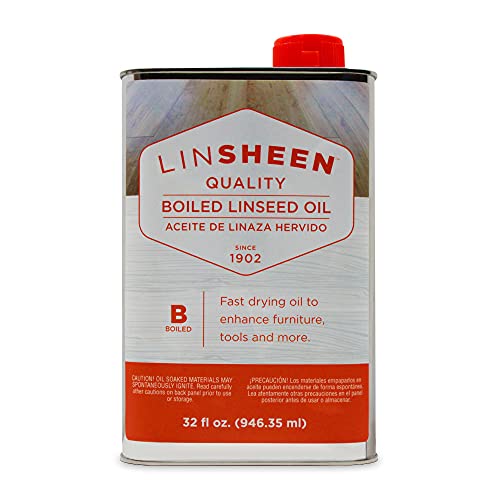
The practical takeaway: if the label says linseed, tung, or “oil finish,” assume the rag will heat up. Our guide to boiled versus raw linseed oil explains how boiled linseed oil, which has drying agents added, cures faster than raw, so check which one is on your rags.
The NFPA estimates about 14,070 fires a year in the US start from spontaneous combustion of all kinds, oily rags among them. Source: National Park Service, Fire Prevention 52
Why Oily Rags Heat Up Without a Spark
A thin film of drying oil on a flat rag oxidizes slowly, and the heat drifts off into the air. Crumple that rag into a ball, drop it into a trash bag, or stack a dozen on a shelf, and the heat has nowhere to go. The rag insulates itself, the reaction speeds up, and the temperature climbs until the oil and fabric ignite. No flame, cigarette, or spark is involved.
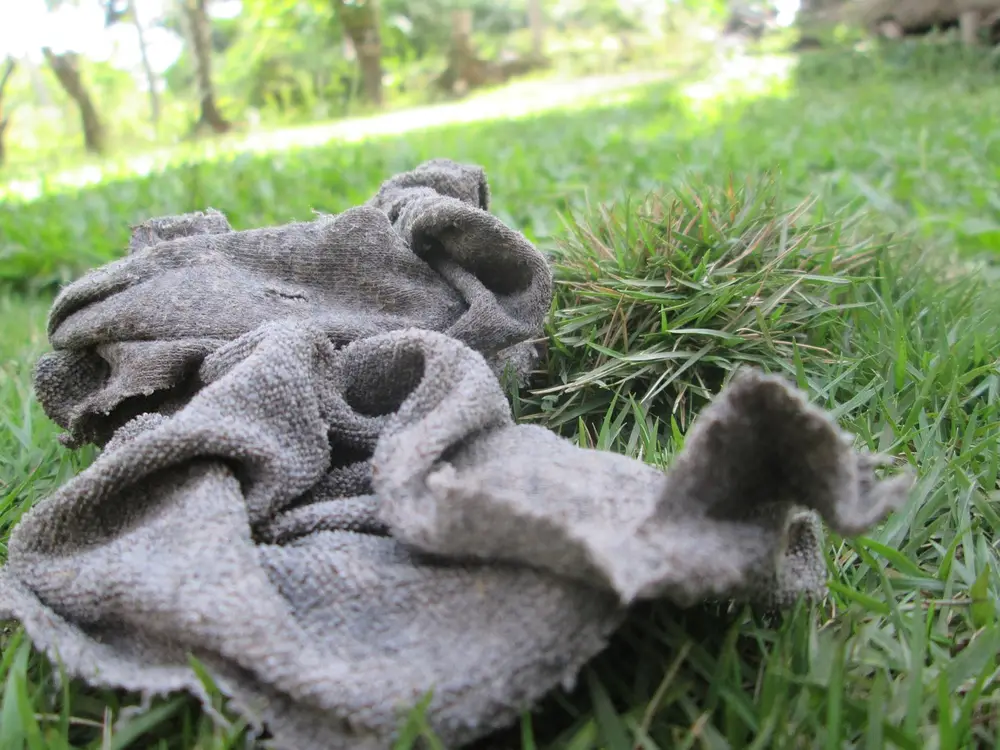
Northern Safety, citing NFPA data, puts the home toll at roughly 1,700 spontaneous-combustion fires a year, with about 900 of them caused by oily rags. The same source notes that machinery heat, steam lines, and warm weather speed the reaction up, which is why a hot garage in July is a worse place for a rag pile than a cool basement in January.
“The key is to keep anything from smothering the rag as it dries.”
Method 1: Dry Oily Rags Flat Outdoors
This is the cheapest method and the one Seattle Fire recommends first: take the rags outside at the end of the day instead of leaving them in a pile. You are letting the oil finish curing in a place where its heat can escape.
- Wring out the excess: squeeze as much liquid oil as you can back into the can or into a disposable container, wearing gloves.
- Pick a safe spot: an open area such as a driveway or concrete pad, away from buildings, vehicles, and anything that burns.
- Spread each rag in a single layer: hang them over a fence or lay them flat so they do not touch each other, as the rags in the photo below do.
- Weigh down the corners: a rock or brick keeps them from blowing into a pile or toward the house.
- Wait until they are completely dry: Fine Woodworking notes the time varies with humidity, temperature, and the finish used, so there is no safe fixed number of hours.
- Dispose of the dry rags: Tom Silva of This Old House suggests an outdoor trash can rather than one inside the house, subject to your local rules.
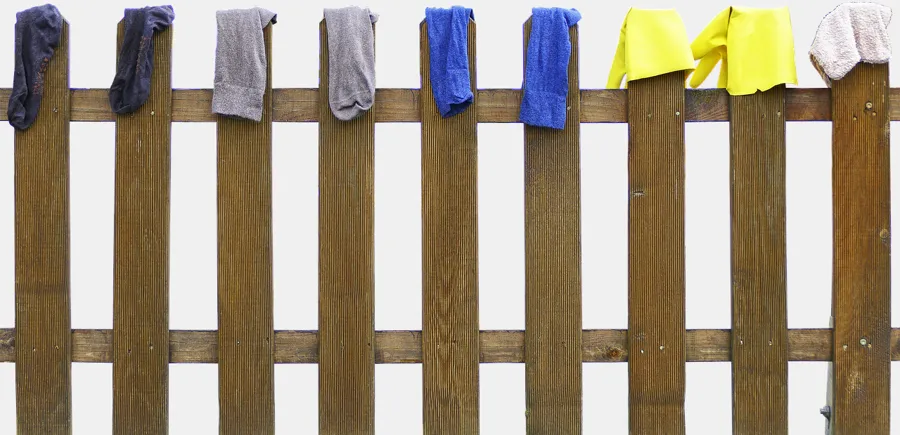
The one real risk in this method is drying a rag somewhere heat can build, such as on a shelf in the shop or inside a closed shed. Outdoors in open air, spread flat, is the point. If rain is forecast, switch to the water method instead of improvising a covered spot.
Method 2: Seal Oily Rags Under Water
Water starves the oil of oxygen, which stops the curing reaction and the heat that comes with it. The Bend, Oregon fire department describes it simply: put the used rags in a container with a tight lid, fill it the rest of the way with water, seal it, and do not open it. A metal can is preferable, though it says a plastic can or zip-top bag works if nothing else is on hand.
Seattle Fire adds a detergent step: after the rags dry outdoors, place them in a tight-lidded metal container filled with a water and detergent solution, which helps break the oils down, and store it cool and out of the sun. This Old House takes a third route, soaking the rag in a bucket of water first, wringing it, then drying it flat outdoors.
The sources order the steps differently, but they agree on the rules that matter:
| Source | Order of steps | Container | Rule they all share |
|---|---|---|---|
| Bend, OR fire department | Seal rags in water right away | Tight-lidded metal can, or plastic if needed | No piles of oily rags |
| Seattle Fire | Dry outdoors first, then store in water and detergent | Tight-lidded metal container | No piles of oily rags |
| This Old House (Tom Silva) | Soak, wring out, dry flat outdoors | Bucket, then open air | No piles of oily rags |
| UL | Dry, dunk, dispose | Not specified in the summary we read | No piles of oily rags |
If you are unsure which to follow, the water method asks the least of you: there is no waiting for a rag to finish curing, and the container can sit in a cool corner until the next hazardous-waste drop-off. Check the date on that container, because an old can that someone forgets about is the usual way this method goes wrong.
Oily Waste Cans: What the Safety Rules Describe
OSHA 29 CFR 1926.252(e) says solvent waste, oily rags, and flammable liquids must be kept in fire-resistant covered containers until removed from a worksite. That rule is written for job sites, not home garages, but it is the clearest picture of what a good container looks like. Northern Safety lists the features of a compliant oily waste can: fire-resistant steel, a self-closing lid that opens no more than 60 degrees, a round body on a ventilated base so air circulates, and emptying every day.
That is exactly why a metal oily waste can beats a plastic bin or a coffee can. A plastic bin melts, and a lid you must remember to close is a lid that gets left open. The Justrite can above has the self-closing, foot-operated lid and the raised base, and its maker lists linseed oil among the intended contents. For a small bench, Justrite also makes a 2 gallon countertop version, though stock on that size was running low when we checked.
An oily waste can is storage, not a permanent solution. The rags still need to be emptied on a regular schedule and disposed of under local rules. Keep a fire extinguisher nearby too; our guide to which fire extinguisher to use for wood, paper, and fabric covers the ratings.
What Not to Do With Oily Rags
- Do not leave them in a heap or a ball. Piles are what trap the heat.
- Do not toss wet drying-oil rags in the trash. The bag is exactly the insulated pile that lets a rag heat up.
- Do not store them in a glass jar on a sunny shelf. ToolGuyd points out that sunlight can add heat to the jar.
- Do not put them in a clothes dryer to speed things up. Heat accelerates oxidation, and a rag full of linseed oil in a warm drum is a recipe for exactly what you are trying to avoid.
- Do not park them near heaters, water heaters, or machinery. Added warmth speeds the reaction.
- Do not pour leftover oil down a drain or onto the ground. Use the household hazardous waste program in your area.
Rags soaked in thinner or mineral spirits are a separate problem because the solvent itself is flammable. Our article on how to dispose of paint thinner after cleaning brushes covers that case. If you are choosing a finish and want to avoid the issue, see our wood finishing guide and the comparison of Danish oil and polyurethane.
Frequently Asked Questions
Can you throw oily rags in the trash?
Only when they are completely dry. A wet rag soaked in a drying oil can heat up inside a trash bag, so dry it flat outdoors first, or seal it in water, and then follow your local disposal rules. This Old House suggests an outdoor trash can rather than one inside the house.
Can oily rags catch fire without a flame?
Yes, if the oil is a drying oil such as linseed or tung oil. The oil reacts with oxygen and gives off heat, and if the rags are piled or balled up the heat cannot escape, so the temperature climbs until they ignite on their own.
Do rags with motor oil or mineral oil spontaneously combust?
They are much less likely to, because petroleum-based oils are not drying oils. They are still flammable, so keep them in a covered metal container and follow local rules rather than leaving them in a pile.
How long does it take an oily rag to dry safely?
There is no fixed time. Fine Woodworking notes drying time depends on humidity, temperature, and the finish, so wait until the rag is completely dry and, if you are unsure, use the water method instead.
What is the safest container for oily rags?
A metal container with a tight, self-closing lid is the standard. Fire departments describe filling it with water and sealing it, while a purpose-built oily waste can with a lid that opens no more than 60 degrees suits ongoing shop use.
The Bottom Line
Spread oily rags flat in the open air until they are completely dry, or seal them under water in a metal container, and never leave them in a pile. Treat anything with linseed oil, tung oil, or an oil-based stain as the high-risk case. Rules and drop-off points differ by town, so confirm the final step with your local waste authority.
Sponsored / affiliate links. As an Amazon Associate I earn from qualifying purchases. I may earn additional commission from eligible campaigns.