Pros and Cons of a Cedar Fence Explained
Figuring out the Pros and Cons of a Cedar Fence Explained can seem tricky at first. Many people wonder if a cedar fence is right for their home. It’s easy to get lost in all the details, but don’t worry!
We’ll break it down step-by-step to make it super simple. Get ready to see exactly what makes a cedar fence a great choice and where it might not be the best fit.
Understanding Cedar Fences The Pros and Cons
This section is all about getting a clear picture of what a cedar fence brings to your property. We’ll talk about why so many people love them, focusing on their good points. But we’ll also look at the other side, exploring the potential downsides.
Understanding these key aspects helps you make a smart decision for your yard. We want you to know all the important things before you choose your next fence.
The Many Advantages of Cedar Fencing
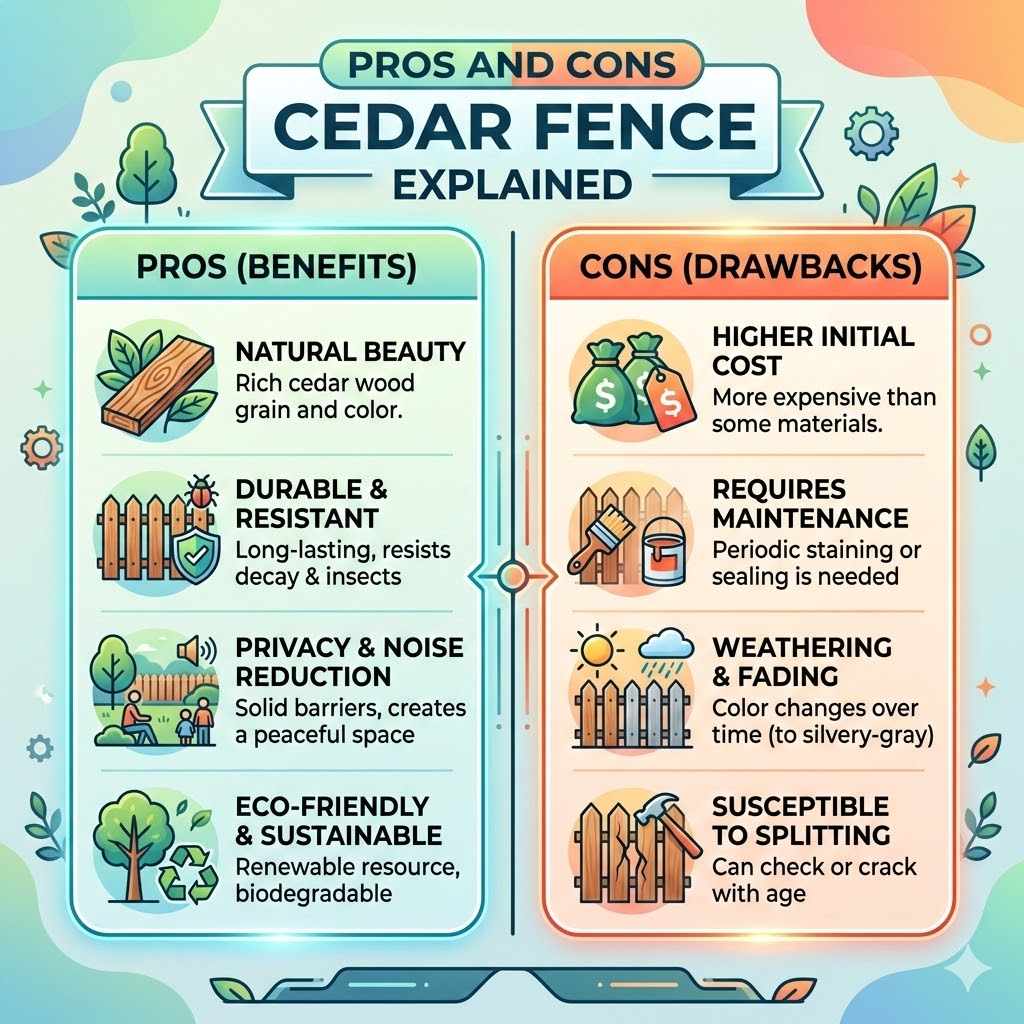
Cedar fences are popular for good reasons. Their natural beauty and lovely scent are big draws. They add a warm, inviting look to any home and can really boost your property’s curb appeal.
Plus, cedar is known for being a strong and long-lasting material. It stands up well to the elements, making it a solid investment for your outdoor space.
- Naturally Beautiful Appearance
Cedar wood has a rich, warm color that many people find very attractive. The grain patterns are often unique and appealing, giving each fence a custom feel. This natural beauty means you don’t need to paint or stain it right away, though you can if you want to change the color or add extra protection.
It looks great as is, blending well with gardens and landscaping. Many homeowners choose cedar specifically because it enhances the overall look of their home and yard.
- Excellent Durability and Longevity
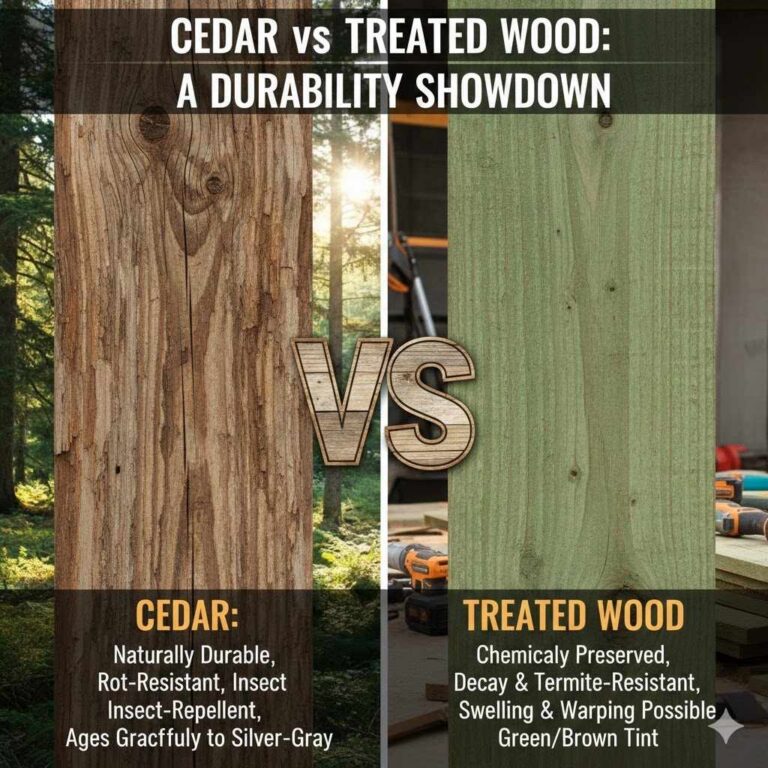
Cedar is a type of softwood, but it’s surprisingly tough. It contains natural oils and tannins that act as preservatives. These natural compounds help protect the wood from decay, rot, and insect damage.
This means a well-maintained cedar fence can last for many years, often 15 to 20 years or even longer. This longevity makes it a cost-effective choice over time, as you won’t need to replace it as often as some other fence materials.
- Resistance to Pests and Rot
The natural oils in cedar are its secret weapon against bugs and decay. These oils make the wood unappealing to many common wood-boring insects like termites and carpenter ants. They also help prevent the wood from rotting, even when exposed to moisture.
This is a huge benefit, especially in areas with high humidity or frequent rain. It means less worry about structural damage and a fence that stays strong for a long time.
- Environmental Friendliness
Cedar is often sourced from sustainably managed forests. This means that when you choose cedar, you’re often supporting responsible forestry practices. Cedar is also a biodegradable material, unlike many artificial fencing options.
When it eventually reaches the end of its life, it can break down naturally. This makes it a more eco-conscious choice for homeowners who care about their environmental impact.
Potential Drawbacks of Cedar Fencing
While cedar is a great material, it’s not perfect. There are a few things to consider before deciding. Cedar can be more expensive upfront than some other fencing options.
It also requires a bit of upkeep to keep it looking its best and to extend its lifespan. Understanding these points will help you weigh the pros and cons more effectively.
- Higher Initial Cost
Cedar fencing generally costs more per linear foot than fences made from materials like pine, vinyl, or chain link. This is due to the quality of the wood, its natural resistances, and the milling process. While the long-term benefits can offset this, the upfront investment can be a significant factor for some homeowners.
It’s important to budget accordingly when planning your fence project.
- Requires Regular Maintenance
To keep a cedar fence looking its best and to maximize its lifespan, some maintenance is needed. This includes periodic cleaning to remove dirt, mold, or mildew. Applying a sealant or stain every few years can protect the wood from UV rays and prevent it from graying too quickly.
While this maintenance is not overly complicated, it does require time and effort.
- Susceptibility to Fading
Over time, exposure to the sun’s ultraviolet (UV) rays can cause cedar to weather and turn a silvery-gray color. This is a natural process and doesn’t mean the wood is deteriorating, but some people prefer to maintain the original warm tone of the wood. To prevent this, regular applications of UV-blocking stains or sealants are recommended.
- Can Be More Prone to Warping or Splitting
While cedar is durable, it can still be affected by extreme weather conditions. In very dry climates or with rapid changes in moisture, cedar boards can sometimes warp, twist, or split. Proper installation and choosing good quality wood can minimize these risks, but it’s something to be aware of.

The Pros and Cons of a Cedar Fence Explained In Detail
Now that we’ve looked at the general pros and cons, let’s get into the specifics. We’ll explore each point further, explaining exactly what it means for you and your fence. This detailed look will give you all the information you need to make an informed choice about whether cedar is the right wood for your fencing needs.
We aim to make the Pros and Cons of a Cedar Fence Explained very clear and easy to grasp.
Beauty That Enhances Your Property
The visual appeal of a cedar fence is undeniable. Its natural warmth and pleasant aroma create an inviting atmosphere. It complements a wide range of architectural styles and landscaping designs.
The rich color and distinct grain patterns add character and a touch of natural elegance. This makes your home stand out positively.
- Natural Wood Grain and Color
Cedar wood showcases beautiful, natural grain patterns that are unique to each board. The color typically ranges from a pale yellow to a rich reddish-brown, depending on the specific type of cedar and how it’s processed. This natural variation adds depth and visual interest that synthetic materials often can’t replicate.
Many homeowners appreciate this organic quality, as it connects their outdoor space to nature.
- Pleasant Aroma
Cedar trees naturally produce aromatic oils. These oils give cedar wood its distinctive, pleasant scent. This natural fragrance is not only enjoyable but also contributes to the wood’s resistance to pests.
The smell is often described as fresh and clean, adding another sensory dimension to your outdoor living space.
- Versatile Design Options
Cedar can be cut and shaped into various styles and designs, from classic picket fences to modern privacy fences. You can choose different board widths, post caps, and decorative elements to match your personal taste and home’s exterior. Whether you’re aiming for a rustic look or a more contemporary feel, cedar offers the flexibility to achieve it.
Durability Against Nature’s Challenges
Cedar’s inherent properties make it a great choice for outdoor structures. It’s naturally equipped to handle weather and common outdoor threats. This means your fence will likely stand strong for a long time with the right care.
- Natural Resistance to Decay and Rot
Cedar contains natural oils and extractives, such as thujaplicins and other extractives, that act as preservatives. These compounds make the wood inherently resistant to decay and rot, even in damp conditions. This is crucial for a fence that is constantly exposed to rain, snow, and humidity.
It significantly extends the life of the fence compared to less resistant woods.
- Insect Repellent Properties
The same natural oils that protect cedar from decay also make it unappealing to many wood-destroying insects. Termites, carpenter ants, and other wood-boring pests are less likely to infest cedar. This natural defense mechanism helps prevent structural damage and keeps your fence looking good for longer without the need for harsh chemical treatments.
- Stability and Low Shrinkage
Compared to many other wood species, cedar wood exhibits good stability. This means it tends to shrink and swell less with changes in moisture content. This characteristic helps prevent boards from warping, twisting, or splitting, which are common problems with less stable woods.
This stability contributes to the overall structural integrity of the fence.
Maintenance Needs and Efforts
While cedar is durable, it still benefits from upkeep. Regular attention helps maintain its appearance and prolong its life. Understanding these tasks makes managing your cedar fence easier.
- Cleaning Procedures
Over time, cedar fences can accumulate dirt, grime, mildew, and algae, especially in shaded or damp areas. Regular cleaning is necessary to keep the fence looking its best. This typically involves using a mild detergent and water, along with a soft-bristled brush.
For tougher stains or mildew, a specialized wood cleaner might be required. Always rinse thoroughly after cleaning.
- Staining and Sealing
To protect the wood from the sun’s harmful UV rays and to maintain its original color, applying a stain or sealant is often recommended. Stains can come in a variety of colors, allowing you to customize the look of your fence, or you can choose a clear sealant to preserve the natural wood tone. These products also add an extra layer of protection against moisture.
Reapplication is usually needed every 2 to 5 years, depending on the product and climate.
- Addressing Minor Damage
Even durable cedar can sustain minor damage, like small cracks or splinters. It’s important to address these issues promptly. Small cracks can sometimes be filled with wood filler.
Loose boards should be re-secured to prevent further damage and ensure the fence remains structurally sound. Regular inspections can help catch these problems early.
Cost Considerations
The price of cedar fencing is a significant factor for many homeowners. It’s important to compare its costs not just initially, but also over its lifespan.
- Initial Purchase Price
Cedar is typically more expensive than common fencing materials like pressure-treated pine or vinyl. The price can vary based on the grade of cedar, its thickness, and local market conditions. This higher upfront cost is a primary consideration for budget-conscious homeowners.
However, it’s important to look at the total cost of ownership over time.
- Long-Term Value Proposition
Although the initial cost of cedar is higher, its longevity and natural resistance can make it more cost-effective in the long run. A cedar fence can last 15-20 years or more with proper maintenance, often outperforming cheaper alternatives that may need replacement much sooner. This means fewer replacement costs and less disruption over the years.
- Installation Expenses
The cost of installation can also add to the overall expense. Cedar fencing may require specialized tools or techniques for installation, which can increase labor costs. It’s always a good idea to get multiple quotes from experienced fencing contractors.
Compare not just the price but also the scope of work included in each quote.
Environmental Impact and Sustainability
Choosing cedar can align with environmental values. Its sourcing and natural properties make it a green option.
- Sustainably Sourced Options
Many cedar products are sourced from responsibly managed forests. Look for certifications like those from the Forest Stewardship Council (FSC), which indicates that the wood comes from forests that are managed in an environmentally sound and socially responsible way. This ensures that harvesting practices do not harm the ecosystem or the local communities.
- Biodegradable Material
Cedar is a natural, organic material that will eventually decompose if left to the elements. This is in contrast to synthetic materials like vinyl or aluminum, which can persist in landfills for centuries. When a cedar fence reaches the end of its useful life, it can be disposed of more environmentally friendly.
- Reduced Chemical Treatments
Because cedar has natural resistance to insects and rot, it often requires fewer chemical treatments compared to other types of wood. This reduces the use of potentially harmful chemicals in your backyard and contributes to a healthier environment. This natural protection is a key advantage of choosing cedar.
Real-Life Examples and Scenarios
Seeing how cedar fences perform in real situations can be very helpful. These examples show the practical outcomes of choosing cedar.
The Smith Family’s Backyard Oasis
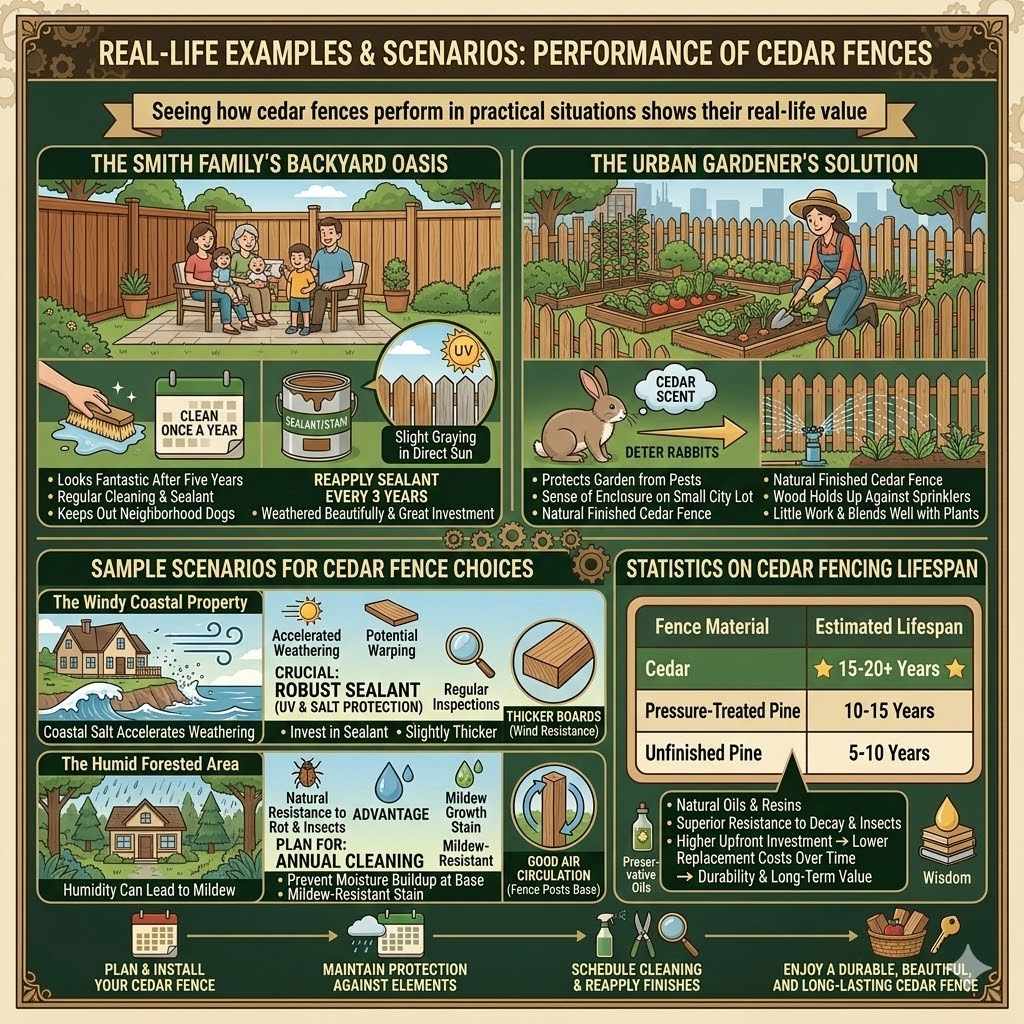
The Smith family wanted a fence that looked beautiful and provided privacy for their new backyard patio. They chose a cedar privacy fence stained a warm cedar tone. After five years, their fence still looks fantastic.
They regularly clean it once a year and reapply sealant every three years. They notice it keeps out neighborhood dogs effectively and has weathered beautifully, with only a slight graying where it gets direct sun. They feel it was a great investment for their family’s enjoyment.
The Urban Gardener’s Solution
Sarah, an avid urban gardener, needed a fence to protect her vegetable garden from pests and give her a sense of enclosure on her small city lot. She opted for a shorter, naturally finished cedar fence. The natural scent of the cedar seemed to deter rabbits, and the wood held up well against occasional sprinklers.
She appreciated that it didn’t require constant painting and blended well with her plants. After three years, she’s happy with how little work it has needed.
Sample Scenarios for Cedar Fence Choices
Scenario 1: The Windy Coastal Property
Imagine a home located near the coast, constantly exposed to salt spray and strong winds. While cedar offers good durability, the salt can accelerate weathering and potential warping if not protected. In this case, choosing a high-grade cedar and investing in a robust sealant with UV and salt protection would be crucial.
Regular inspections for any signs of damage or rot would also be important. A homeowner here might also consider slightly thicker boards for added wind resistance.
Scenario 2: The Humid Forested Area
Consider a property surrounded by trees in a region with high humidity and frequent rainfall. Cedar’s natural resistance to rot and insects is a major advantage here. However, the constant moisture could still lead to mildew growth on the surface if not cleaned regularly.
Homeowners should plan for annual cleaning and potentially a mildew-resistant stain. Ensuring good air circulation around the fence posts is also key to preventing moisture buildup at the base.
Statistics on Cedar Fencing Lifespan
Studies and industry reports suggest that cedar fences, when properly installed and maintained, can have a significantly longer lifespan than many other wood fencing materials.
| Fence Material | Estimated Lifespan |
|---|---|
| Cedar | 15-20+ Years |
| Pressure-Treated Pine | 10-15 Years |
| Unfinished Pine | 5-10 Years |
This table highlights the potential longevity of cedar. The natural oils and resins in cedar contribute to its superior resistance to decay and insect damage. This means a higher upfront investment can lead to lower replacement costs over time, making it a wise choice for homeowners looking for durability and long-term value.
Frequently Asked Questions
Question: How often should I seal my cedar fence?
Answer: It’s generally recommended to seal your cedar fence every 2 to 5 years. This frequency can depend on the type of sealant used, the climate, and how much direct sunlight your fence receives.
Question: Can I paint my cedar fence?
Answer: Yes, you can paint a cedar fence. However, many people prefer to let cedar age naturally to a silvery gray or use a stain to highlight its natural beauty. If you do paint, ensure the wood is clean and dry, and use a good quality exterior paint.
Question: Is cedar fencing more expensive than vinyl?
Answer: Typically, cedar fencing has a higher initial cost than vinyl fencing. However, vinyl fences may not offer the same natural aesthetic appeal and can be more prone to damage from impact.
Question: Does cedar wood warp or split easily?
Answer: While cedar is a stable wood, it can warp or split under extreme environmental conditions. Proper installation and maintenance, like ensuring good air circulation and using quality wood, can minimize these issues.
Question: What is the best way to clean a cedar fence?
Answer: For routine cleaning, use mild soap and water with a soft brush. For tougher stains or mildew, a specialized wood cleaner may be necessary. Always rinse the fence thoroughly after cleaning to remove any residue.
Conclusion
Choosing a cedar fence offers a beautiful, natural look with impressive durability. You gain resistance to pests and rot, contributing to a fence that lasts. While the initial cost is higher and some maintenance is needed, the long-term benefits often outweigh these factors.
Cedar provides a strong, attractive, and environmentally friendly fencing solution.