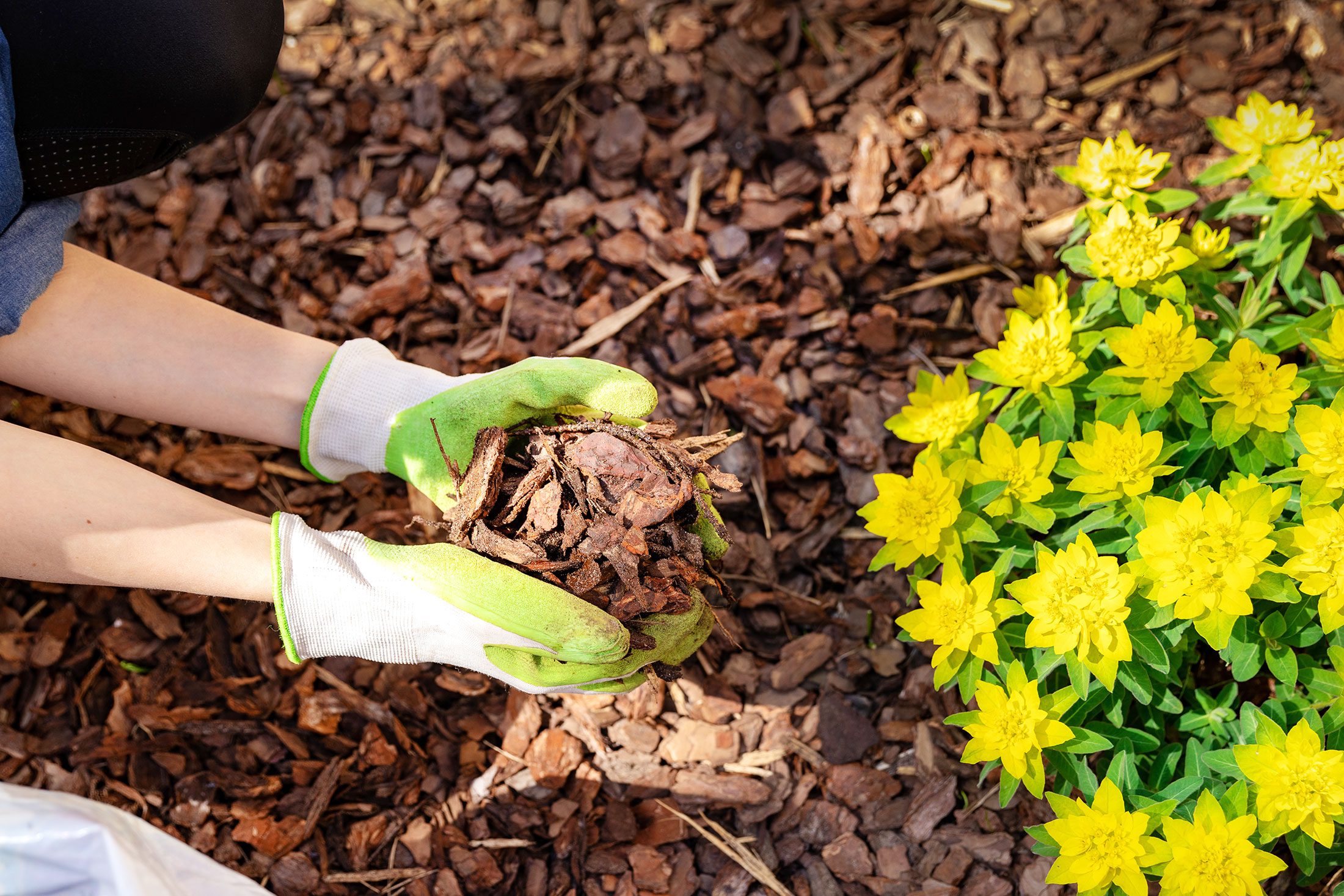
How Often Should You Replace Cedar Mulch? (Every 2-4 Years)
Cedar mulch needs full replacement every 2 to 4 years — its natural lignin and oils slow decomposition far more than pine bark or hardwood mulch, which break down in 1 to 2 years. Waiting too long lets mulch compact, lose its weed-blocking depth, and stop insulating roots from summer heat and winter cold. This guide covers the real lifespan by climate and soil type, the exact signs it’s time to refresh, and how much fresh mulch to buy.
Quick Answer
Replace cedar mulch every 2 to 4 years. Color fades within about 2 years even though the mulch is still working, while the weed-blocking and moisture-retaining benefits typically hold for 3 to 4 years before a full refresh is needed. Hot, rainy climates and sandy soil shorten that window; dry climates and clay soil stretch it.
How Long Cedar Mulch Actually Lasts
Best Cedar Mulch Pick
OLDCASTLE Lawn & Garden Cedar Mulch 2CF
Bagged 100% natural cedar mulch, ready to spread the day it arrives — useful for topping up thin spots or a small full replacement without a bulk delivery.
- Best for: small beds, spot refreshes, and container gardens
- Why we picked it: consistent natural cedar with no dye, matches the replacement cycle covered in this guide
- Main drawback: pricier per cubic foot than bulk delivery for large yards
Compare more mulch maintenance options
 Option 1 Landscape Weed Barrier Fabric
|
 Option 2 Heavy-Duty Bow Rake, 17 Tines
|
 Option 3 Breathable Gardening Gloves, 2 Pairs
|
As an Amazon Associate we earn from qualifying purchases.
Cedar mulch is made from the bark and wood of cedar trees, and it decomposes more slowly than most other organic mulches because it contains roughly 30 to 35% lignin — the tough structural compound that resists microbial breakdown — versus 15 to 20% in softer woods. That’s why fresh hardwood mulch is often thin and gray within a single season, while cedar keeps working for years.
📊 Cedar mulch keeps its color for about 2 years and continues protecting soil and suppressing weeds for 3 to 4 years, with full decomposition taking 4 to 7 years depending on climate. — Source: horticultural mulch-longevity data compiled from university extension and landscape-supplier field reports, 2026
In practice this means two different “replace” timelines exist for the same bag of mulch: a cosmetic refresh (fading color, thin spots) that many gardeners do every year or two, and a full replacement (mulch has compacted, lost its structure, or partially composted into the soil) that’s genuinely needed only every 2 to 4 years. Cedar mulch also repels ants, termites, and other pests for as long as its natural oils remain active, which fades faster than the wood itself breaks down.
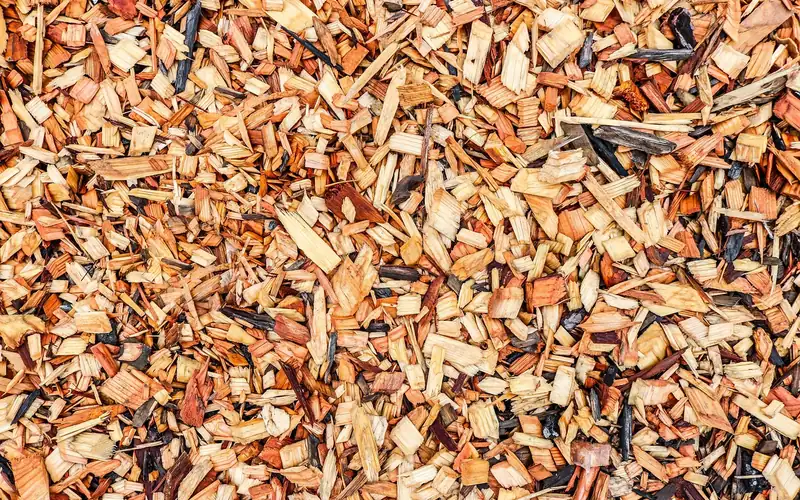
What Speeds Up or Slows Down Decomposition
Climate plays the biggest role. In hot, humid regions cedar mulch breaks down faster because heat and moisture both accelerate microbial activity; frequent rain compounds this by washing out the natural oils that slow decay. In drier, cooler climates the same mulch can last a full year or two longer with no extra maintenance.
Soil type matters almost as much. Fast-draining sandy soil dries mulch out and lets it blow or wash away sooner, so it often needs replacement on the shorter end of the 2-to-4-year range. Clay soil holds moisture longer, which keeps mulch intact but also raises the risk of matting and fungal growth if it’s piled too thick — check depth and drainage together, not just calendar time.
Signs It’s Time to Replace Cedar Mulch
Don’t replace mulch on a fixed schedule alone — check for these signs first, since climate and soil type shift the real timeline by a year or more in either direction.
Color Fading
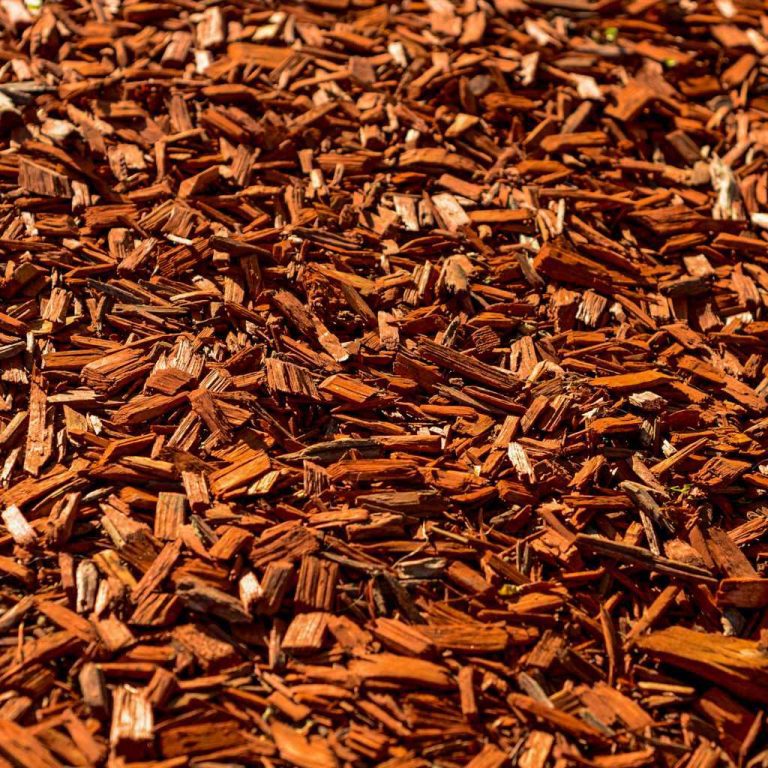
Fresh cedar mulch is a warm reddish-brown. As UV exposure and weathering turn it gray or dull brown, that’s a cosmetic sign, not necessarily a functional one — faded mulch can still be suppressing weeds and holding moisture just fine. Treat color fade as a “consider a top-up” signal rather than a “must replace” one.
Thinning, Matting, and Decomposition
This is the real replace signal. Mulch that has compacted into a dense mat, thinned below about an inch, or partially broken down into soil-like material has lost its insulating air pockets and weed-blocking depth. Check for mold or fungal growth too — occasional white mycelium is normal and harmless, but thick mats of it usually mean the mulch is holding too much moisture and needs to be pulled back or replaced.
Cedar Mulch vs Other Mulch Types
Cedar isn’t the only long-lasting option, but it’s one of the most common. Here’s how its replacement timeline compares to other mulches you’ll see at a garden center:
| Mulch Type | Typical Lifespan | Why |
|---|---|---|
| Cedar | 2–4 years | High lignin content (~30–35%) and natural oils resist decay |
| Cypress | 2–3 years | Dense fiber structure, similar decay resistance to cedar |
| Hardwood (shredded) | 1–2 years | Lower lignin content, breaks down and mats faster |
| Pine bark / pine straw | 1–3 years | Varies by size — bark nuggets outlast shredded pine straw |
| Rubber mulch | 10+ years | Inorganic — doesn’t feed soil but rarely needs replacing |
If you’re deciding between mulch materials rather than just replacing what you already have, see our full hardwood mulch vs pine bark mulch comparison for a deeper breakdown of cost and appearance differences.
How Much Cedar Mulch You’ll Need
One cubic yard of mulch covers about 324 square feet at 1 inch deep. Cedar mulch beds are usually kept at 2 to 3 inches, so divide that coverage by the depth you want — roughly 162 sq ft per yard at 2 inches, or 108 sq ft per yard at 3 inches.
| Depth | Coverage per Cubic Yard | Cubic Yards for 100 sq ft |
|---|---|---|
| 1 inch | 324 sq ft | ~0.31 yd³ |
| 2 inches | 162 sq ft | ~0.62 yd³ |
| 3 inches | 108 sq ft | ~0.93 yd³ (round up to 1) |
When you do a full replacement, remove badly matted or decomposed mulch first rather than piling new mulch straight on top — stacking layers year after year without ever pulling the old material back is one of the most common ways gardeners accidentally bury root crowns and suffocate plants.
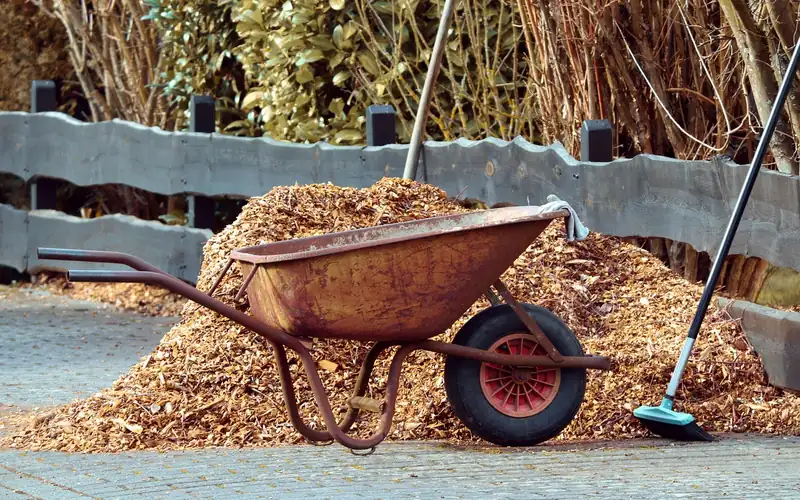
Best Practices for Mulch Maintenance
- Keep depth at 2–3 inches. More than that can trap excess moisture against stems and suffocate roots; less won’t suppress weeds or hold moisture well.
- Pull mulch back from trunks and stems in a small ring so bark and crowns stay dry — piling mulch against a trunk (“volcano mulching”) traps moisture and invites rot.
- Inspect every few months for thinning, matting, or fungal growth rather than waiting for an annual check.
- Use a weed barrier fabric under new mulch if you’re doing a full replacement — it slows weed seed germination and extends the practical life of the mulch layer on top.
Common Mistakes to Avoid
- Piling on new mulch every year without removing the old layer. This slowly raises bed height, buries root crowns, and can suffocate plants over several seasons.
- Replacing on a strict calendar instead of checking condition. A shaded, clay-soil bed in a cool climate may not need a full replacement for 4 years; a sunny, sandy bed in a hot climate might need one closer to 2.
- Ignoring pest and mold checks. Bugs and fungal mats under old mulch can spread to plants if left unaddressed — a quick rake-through during inspection catches most problems early.
In our own beds, cedar mulch applied at a full 3 inches and refreshed rather than fully replaced most years has consistently made it to the 3-to-4-year mark before needing to be pulled and redone — the color fade at year 2 was purely cosmetic and didn’t affect weed control.
Frequently Asked Questions
How often should cedar mulch be replaced?
Cedar mulch needs a full replacement every 2 to 4 years, though its color fades sooner, around the 2-year mark. Climate and soil type shift that window — hot, rainy areas and sandy soil are closer to 2 years; dry climates and clay soil can stretch to 4.
Does cedar mulch need annual replacement?
No. Cedar mulch does not need annual full replacement — its natural lignin and oils let it decompose slowly, usually over 2 to 4 years. Many gardeners add a thin top-up layer each year for color, which is optional maintenance, not a requirement.
What are the signs it’s time to replace cedar mulch?
Replace cedar mulch when it has matted into a dense layer, thinned to less than an inch, or partially broken down into soil. Color fading alone is cosmetic and doesn’t necessarily mean the mulch has stopped working.
Should you remove old mulch before adding new mulch?
Yes, for a full replacement. Rake out matted or decomposed mulch before laying fresh material so the bed doesn’t build up height year after year and bury root crowns. A thin annual top-up layer over healthy existing mulch is fine without full removal.
How does cedar mulch compare to other mulches?
Cedar mulch lasts longer than hardwood or pine straw mulch (1 to 2 years) thanks to its high lignin content, and its natural oils repel some insects while it smells noticeably better. See the full mulch comparison for cost and appearance differences.
Conclusion
Cedar mulch earns its reputation as a low-maintenance choice: a full replacement every 2 to 4 years, guided by condition rather than a fixed calendar, keeps beds protected without wasted material or labor. Check depth, look for matting or fading each season, and use the coverage numbers above to buy close to what you actually need — whether that’s a bag of cedar mulch from a local supplier or a full bulk delivery.
Sponsored / affiliate links. As an Amazon Associate I earn from qualifying purchases. I may earn additional commission from eligible campaigns.