Does Cedar Repel Ants: The Ultimate Natural Solution?
Yes, cedar has a real, documented ability to repel ants – but it’s a mild deterrent, not a way to eliminate an existing infestation. The natural oils in cedarwood mask the scent trails ants rely on to find food, which is enough to discourage exploring ants from crossing a cedar barrier. It won’t do much against a colony that’s already established itself indoors.
Why Cedar Has a Real Effect on Ants
Best For A Concentrated, Long-Lasting Cedar Scent
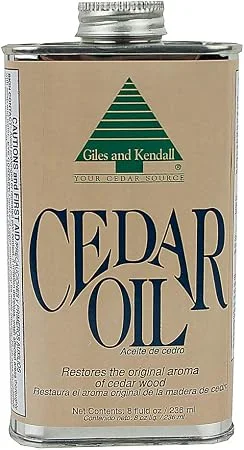 |
Cedar Oil, 8 oz – $28.28 100% natural Eastern redcedar oil – wipe it onto cedar chests, blocks, or closets to restore the scent once it’s faded, or use it to make a DIY spray.
|
Cedarwood, especially Eastern redcedar, contains natural compounds called cedrol and thujaplicin. These are the same oils that give cedar its familiar smell, and they’re mildly toxic to a range of insects, which is why cedar has been used for generations to protect stored clothing from moths. For ants specifically, the effect works a bit differently: ants navigate largely by smell, laying down pheromone trails so the rest of the colony can follow the same path to a food source. Cedar’s strong scent interferes with an ant’s ability to pick up and follow that trail, so an exploring ant that runs into a cedar barrier tends to turn back rather than push through.
This is a real, mechanistically sound reason cedar deters ants – but it’s worth being honest about its limits. Cedar disrupts scent-based navigation; it doesn’t kill ants or destroy a nest. An ant colony that has already found a reliable food source indoors, or a more aggressive species like carpenter ants, is much less likely to be turned away by scent alone. Cedar works best as a preventive barrier and as one part of a broader ant-control plan, not as a replacement for sealing entry points or removing what’s attracting ants in the first place.
What’s Actually Drawing Ants Indoors
Cedar works on ants that are exploring, so it helps to understand what pulls them inside in the first place. Ants forage constantly for three things: sugar, protein, and water. A few crumbs left on a counter, a sticky spot on a floor, pet food left out overnight, or a slow leak under a sink are all it takes to start a trail. Once a scout ant finds one of these, it lays a pheromone trail back to the nest, and within hours you can have a steady line of workers following that exact same path.
This is why cedar is more effective as a barrier at entry points than as a fix once ants are already inside: it’s disrupting a scout that hasn’t committed to a trail yet, not an established line of workers with a food source already locked in. Wiping down the original trail with soapy water (which erases the pheromone scent) combined with a cedar barrier at the point of entry does more than cedar alone.
Using Cedar Indoors and Outdoors
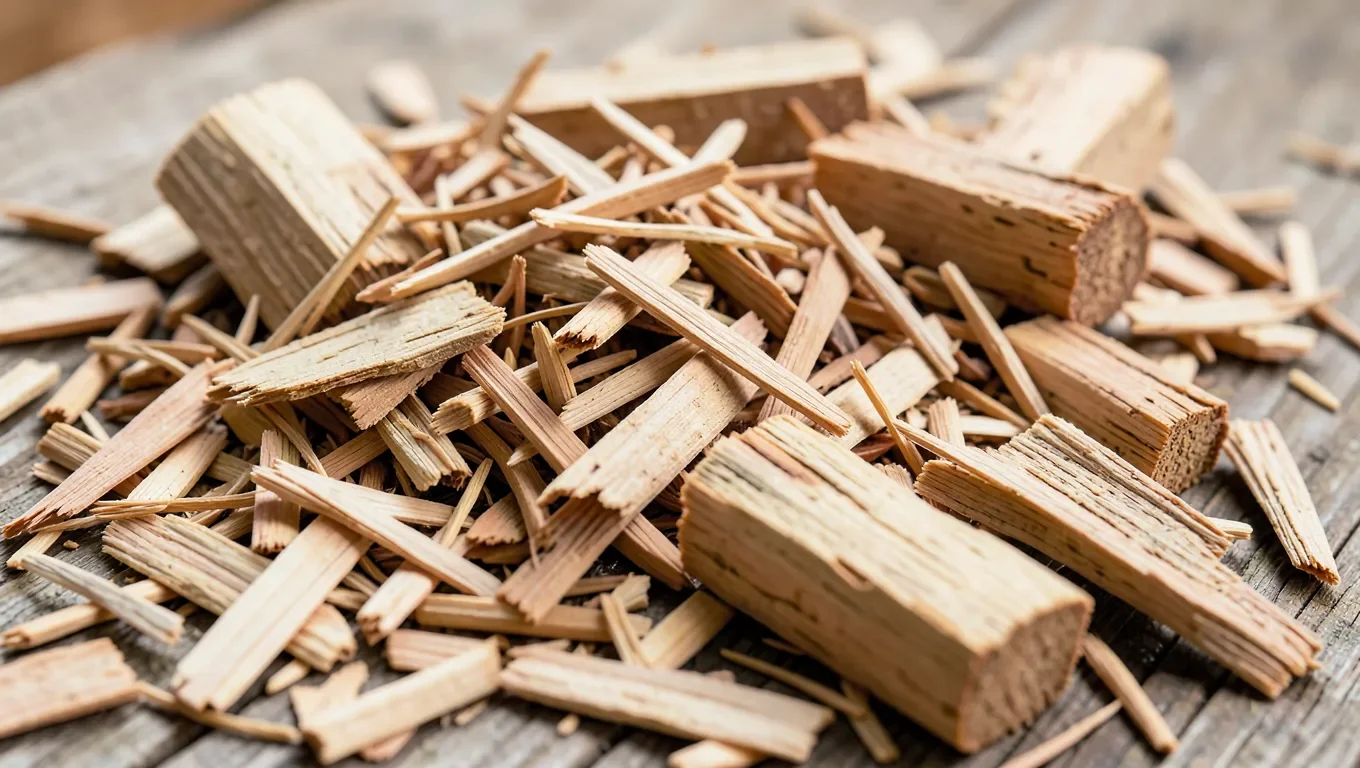
Indoors, cedar blocks, balls, or chips work well tucked into corners, closets, drawers, and pantries – anywhere ants tend to scout for food. The enclosed space holds the scent longer than it would in open air, which is also why cedar-lined closets keep their moth-repelling effect for so long.
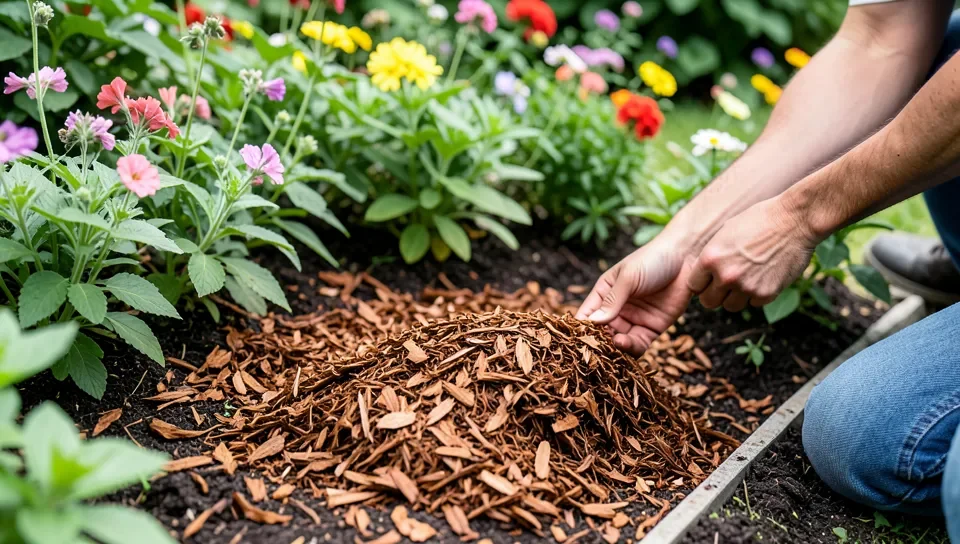
Outdoors, a 2 to 3 inch layer of cedar mulch around a foundation, patio, or garden bed creates a scent barrier that ants are less inclined to cross. It’s a reasonable first line of defense around entry points like doorways and window wells, and it has the side benefit of helping garden soil hold moisture. Just don’t expect a thin, scattered layer to do much – the barrier needs to be continuous and thick enough that ants can’t simply route around a gap.
DIY Cedar Ant Repellent
A simple homemade cedar spray is easy to put together: simmer cedarwood chips in water for 20-30 minutes to draw out the oils, let the liquid cool completely, then strain it into a spray bottle. Apply it along window sills, door frames, and baseboards where ants tend to enter, and reapply every few days since the scent fades faster once it’s diluted in water. Buying a concentrated cedar oil and diluting a few drops in water works faster and holds its scent longer than boiling chips at home.
For a barrier method, sprinkle cedar chips along the foundation and around garden beds, and refresh them every few weeks as the scent weakens. Cotton balls dabbed with cedar oil and tucked into problem areas — under sinks, behind appliances, along baseboards — work the same way with less mess than loose chips indoors.
Cedar vs. Other Natural Repellents
Cedar isn’t the only natural option, and it isn’t always the strongest one. Peppermint oil is generally considered a stronger ant deterrent because its scent is more overwhelming to ants at lower concentrations, though it fades faster than cedar. Cinnamon and cloves work on the same trail-disruption principle and are already sitting in most kitchens. None of these, cedar included, actually kill an ant colony – they interrupt where ants are willing to walk, which is a different (and more limited) job than an insecticide does.
Where Cedar Falls Short
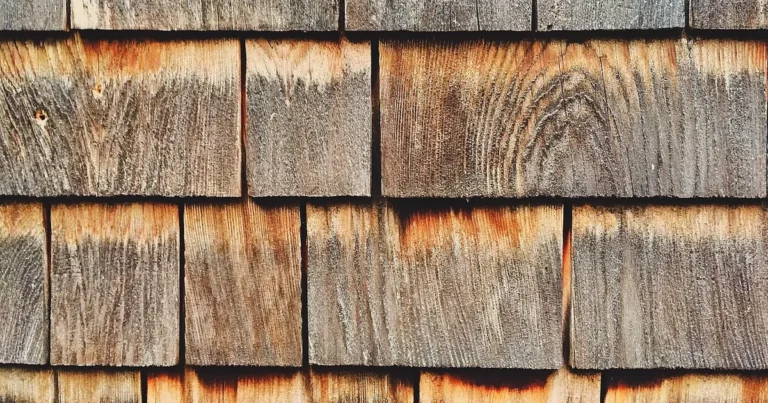
Cedar’s biggest limitation is that its effect depends entirely on a scent that keeps fading. Old, weathered cedar loses its oils and stops working as a deterrent even though it still looks like cedar. Some ant species also simply aren’t bothered by it, especially once a colony has settled in and built strong trails to a food source – at that point, cedar around the edges won’t undo an infestation that’s already indoors.
Cedar oil can also irritate skin or airways for people who are sensitive to it, and some pets react to strong cedar scent as well, so it’s worth testing a small amount first if anyone in the house has allergies.
Cost is a smaller but real factor too. Fresh cedar mulch, blocks, or oil need periodic replacing to keep working, so for a large perimeter or an ongoing problem, cedar ends up being an upkeep task rather than a one-time fix. For a single closet or a small kitchen entry point, that upkeep is minor; for a whole foundation or yard, it adds up faster than a synthetic granular repellent that’s rated to last a full season.
Frequently Asked Questions
How Does Cedar Repel Ants?
Cedarwood contains natural compounds, mainly cedrol and thujaplicin, that give off a scent ants use their antennae to detect and avoid. The scent also masks the pheromone trails ants lay down to guide the colony to food, so ants that would normally follow a trail lose it near cedar.
Is Cedar Effective Against All Ant Species?
No. Cedar works best as a mild deterrent against smaller household ants exploring for food. Larger or more established colonies, and species like carpenter ants or odorous house ants that have already found a strong food source, are far less deterred by scent alone and usually need direct treatment at the nest or entry point.
Can I Use Cedar Mulch To Prevent Ants?
Yes, as one layer of prevention. A 2-3 inch band of cedar mulch around a foundation or garden bed can discourage ants from crossing it, but it works better paired with sealing entry points and removing food sources than as a standalone fix.
How Long Does Cedar Keep Ants Away?
Cedar’s scent is strongest when the wood or mulch is fresh and fades as the oils evaporate, typically over a few months outdoors or up to a year in an enclosed space like a closet. Once you can no longer smell it, it’s no longer doing much – lightly sanding cedar blocks or replacing mulch restores the effect.
Conclusion
Cedar genuinely disrupts how ants navigate by scent, making it a reasonable, low-effort layer of prevention indoors and out. Treat it as one part of an ant-control plan — paired with sealing entry points and removing food sources — rather than a fix on its own, and refresh the cedar or its oil regularly since the scent is what’s actually doing the work.
Sponsored / affiliate links. As an Amazon Associate I earn from qualifying purchases. I may earn additional commission from eligible campaigns.