Cedar vs. Treated Wood: Which Lasts Longer (And Where)?
If you are choosing between cedar and pressure-treated wood for a deck, fence, or post, the honest answer is that neither wood “wins” outright – it depends on whether the wood sits above ground or goes into the ground. Cedar’s rot resistance comes from real oils inside the wood itself, no chemicals added, while treated wood gets its resistance from a preservative forced deep into the fibers under pressure. Below are the actual lifespan numbers for each use case, the cost and appearance tradeoffs, and a safety difference between the two woods that most comparison articles never mention.
Why Cedar Resists Rot Without Any Chemical Treatment
Cedar’s resistance to rot and insects is a genuine, naturally occurring property, not a marketing claim. The heartwood contains thujaplicins and related extractives – natural oils that are toxic to the fungi responsible for wood decay and unappealing to insects like termites and carpenter ants. That is why a cedar fence board left unfinished will still outlast an untreated pine board by years: the protection is built into the cell structure of the wood, not applied to the surface. Darker heartwood (cut from the center of the tree) carries a higher concentration of these oils and holds up noticeably better than pale sapwood cut from nearer the bark, so it is worth checking which part of the tree a board was cut from before you buy.
Best Cedar-Safe Sealer Pick
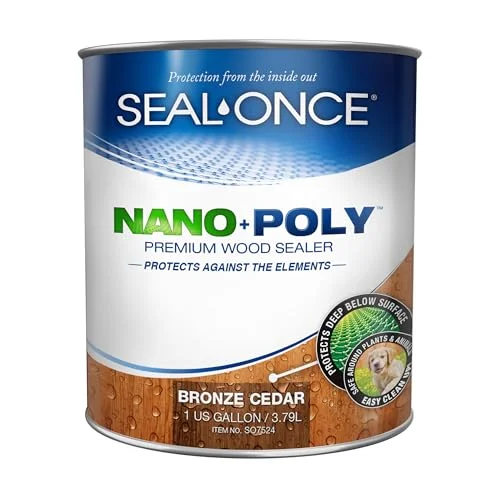 |
Seal-Once Nano+Poly Wood Sealer, Bronze Cedar, 1 Gallon – $64.98 A penetrating, water-based sealer that reinforces cedar’s natural oils with a UV-stable, breathable barrier so it keeps its color longer instead of graying early.
|
Cedar’s natural defenses are also why it is one of the few woods safe to burn as firewood or scrap without a second thought – there is no added chemical to worry about releasing into the smoke. That safety distinction matters more than most comparisons let on, and we cover it in detail further down. First, here is how cedar left untreated actually holds up outdoors over time: it will silver to a soft gray patina within a year or two of UV exposure. That color change is cosmetic, not structural – the wood underneath keeps its rot resistance whether you seal it or let it weather naturally.
How Pressure-Treated Wood Gets Its Durability
Pressure-treated lumber starts as an ordinary softwood, usually pine or fir, that gets loaded into a sealed cylinder where a liquid preservative is forced deep into the wood cells under high pressure. Most treated lumber sold today uses copper-based preservatives such as ACQ (alkaline copper quaternary) or copper azole, which replaced the older CCA (chromated copper arsenate) formula after CCA was phased out of most residential uses in the early 2000s. The copper is what does the work: it is toxic to the fungi and insects that break wood down, the same basic principle as cedar’s natural oils, just delivered by an industrial process instead of the tree itself.
Not all treated lumber is treated equally. Look at the tag stapled to the end of the board: lumber rated for “Above Ground” use carries a lighter preservative retention, typically around 0.25 pounds per cubic foot, while lumber rated “Ground Contact” is treated to roughly 0.4 pounds per cubic foot or higher so it can survive direct contact with soil and moisture. Using an above-ground board for a fence post buried in dirt is a common mistake that cuts its real-world lifespan dramatically, regardless of what the label promises for the product line in general.
This is specific to cedar’s chemistry versus pressure treatment. For the broader comparison covering any regular (untreated) wood species against pressure-treated lumber, including retention-level ratings and ACQ-compatible fastener requirements, see our difference between pressure-treated wood and regular wood guide.
Real Lifespan Numbers: Above Ground vs. Ground Contact
This is where most “cedar vs treated wood” articles give you one flat number and move on, but the honest answer splits depending on how the wood is used:
- Cedar, above ground (deck boards, fence pickets, siding): commonly lasts 30 years or longer with reasonable care.
- Cedar, in ground contact (fence posts, support posts): typically 15 to 20 years, since even cedar’s natural oils cannot fully offset constant soil moisture.
- Treated wood, ground contact (posts, footings): generally 20 to 25 years in favorable soil conditions, and pressure-treated utility poles rated for ground contact have been documented lasting up to 40 years.
- Treated wood, above ground (deck boards, railings): often outlasts cedar in the same application when properly maintained, since the preservative does not weather away the way surface oils can.
- Fence and deck posts in the ground: treated wood rated “Ground Contact,” full stop – this is the one place cedar’s natural resistance is reliably outmatched.
- Deck boards, railings, fence pickets above ground: cedar, if appearance and a chemical-free surface matter to you; treated wood if budget is the priority.
- Raised garden beds and anything touching food or soil you’ll grow in: cedar is the safer default, since it needs no added preservative.
- Firewood or burn-pile scraps: cedar only – never burn treated wood offcuts.
The short version: treated wood generally has the edge below the soil line, and cedar’s advantage is really about appearance and a chemical-free surface above ground, not a guaranteed longer lifespan in every situation. A lot of cedar deck builds actually mix the two – treated posts and framing buried or close to the ground, cedar boards for the visible decking and railings where looks and bare feet matter. If you are specifically planning a cedar fence rather than a deck, our cedar fence disadvantages guide covers the cost, maintenance, and durability tradeoffs in more depth.
The Safety Difference Most Comparisons Skip: Never Burn Treated Wood Scraps
Here is a real, EPA-documented distinction that rarely makes it into cedar-versus-treated-wood roundups: cedar scraps and sawdust are safe to burn in a fire pit, wood stove, or brush pile, because its protection comes from natural oils, not an added chemical. Treated wood is a different story entirely. The EPA explicitly warns against burning CCA-treated wood or other preservative-treated wood in a residential setting, because the heat does not neutralize the preservative – it breaks the chemical bonds and releases the original toxic elements into the smoke and ash in a more dangerous, airborne form. Older CCA-treated wood released arsenic and chromium this way; modern copper-based treated wood is not risk-free either, since burning it still releases copper and biocide compounds into the smoke.
This matters in practice more than people expect: offcuts from a treated-wood deck or fence project are easy to toss on a backyard fire without thinking twice, but that ash can concentrate the preservative to levels far higher than the wood itself contained. Treated wood scraps should go to a landfill or a municipal disposal program that accepts treated lumber, never a fire pit, wood stove, or open burn pile. Cedar offcuts, by contrast, make genuinely good kindling and campfire wood with no such hazard – one more reason cedar remains the better choice for any project where scraps are likely to end up burned.
Cost and Appearance: What You’re Actually Paying For
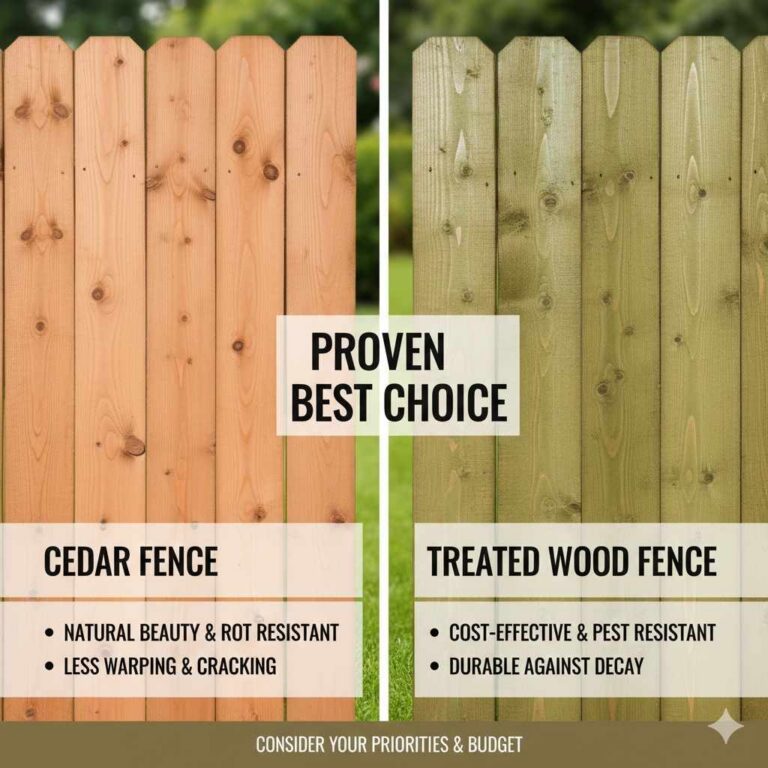
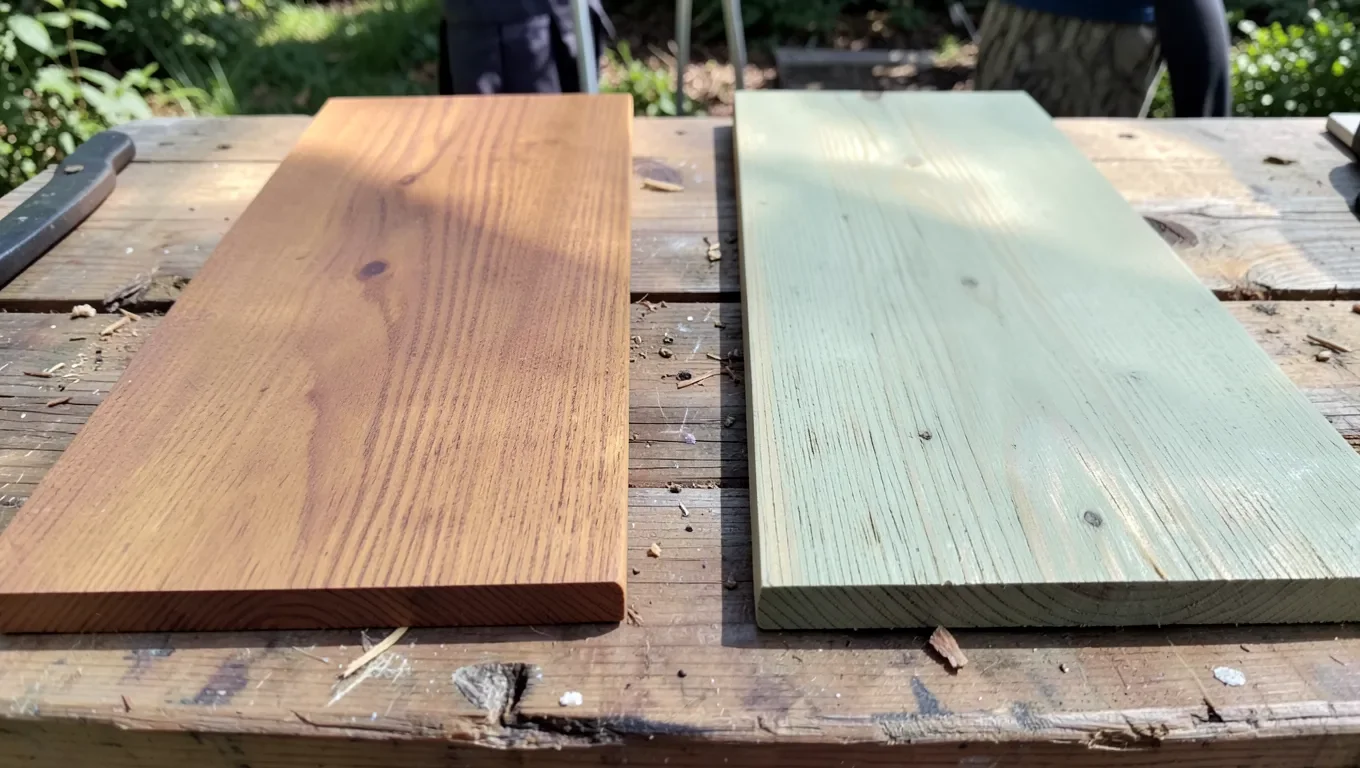
Cedar typically costs noticeably more per board foot than pressure-treated lumber, sometimes double or more depending on grade and region. Part of what you’re paying for is the look: cedar can be left completely unfinished and will weather to a silvery-gray patina that many homeowners prefer to a chemically treated surface, and it has none of the greenish or brownish tint that treated lumber carries fresh out of the yard. Treated wood is the budget option and holds up structurally, but it generally needs a stain or sealer to look intentional rather than utilitarian – left bare, that tint fades unevenly and the surface can roughen as the wood dries out.
If a finished look matters and the wood will stay dry-ish and above ground, that cost premium for cedar is buying you both appearance and one less chemical to think about. If the goal is a structural post going straight into soil, that extra cost is not buying you a longer service life – a properly rated stained and sealed treated wood post will generally match or beat cedar in that specific application.
Which Wood Fits Your Project
Maintenance Tips to Extend Either Wood’s Life
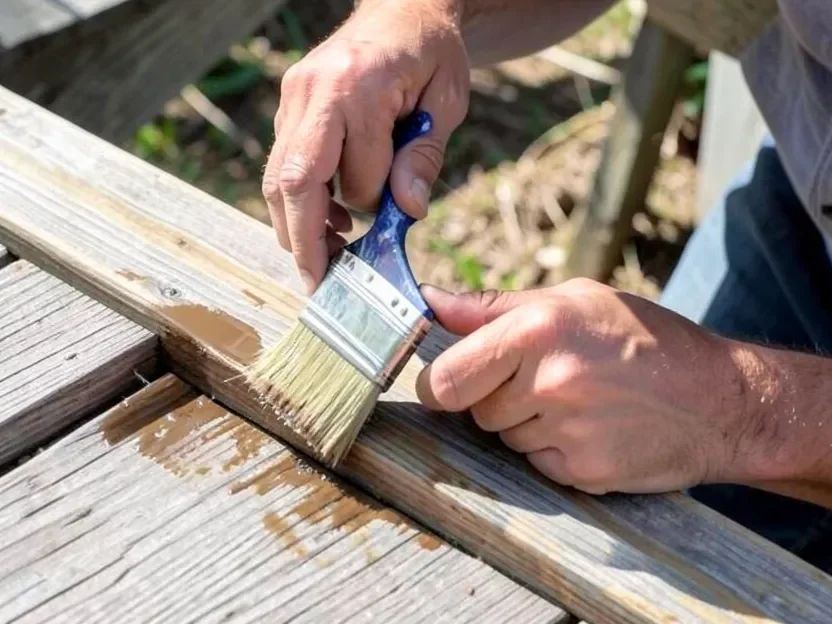
Whichever wood you choose, the maintenance habits matter more than the species once you’re past the ground-contact decision. Reseal cedar every two to three years in full-sun, high-rain climates to slow the graying and keep its oils working at the surface – a penetrating sealer like the one above works with the wood’s natural resistance instead of just sitting on top of it. Treated wood should be cleaned of dirt and mildew annually and resealed every two to four years; letting the surface dry out and crack lets moisture reach the untreated core faster than the preservative alone can handle. For both woods, keeping end grain sealed matters most, since end grain absorbs water many times faster than the face of a board and is usually where rot starts first, regardless of species or treatment.
Frequently Asked Questions
Is cedar better than treated wood?
Neither is better across the board. Treated wood generally lasts longer in ground contact (20 to 25+ years versus cedar’s 15 to 20), while cedar tends to look better and needs no added chemicals above ground, where it can last 30 years or more.
How long does cedar wood actually last?
Above ground, cedar commonly lasts 30 years or longer with occasional resealing. In ground contact, such as fence posts, expect closer to 15 to 20 years since constant soil moisture outpaces the wood’s natural oils over time.
Is it safe to burn pressure-treated wood scraps?
No. The EPA warns against burning CCA or other preservative-treated wood in a residential setting, since burning releases the wood’s chemical preservatives (arsenic and chromium in older CCA wood, copper and biocide compounds in modern treated wood) into the smoke and ash. Treated wood scraps should be disposed of, never burned.
Do I need to seal or stain cedar wood?
No, cedar’s rot resistance works even left bare – it will just weather to a silvery-gray patina. Sealing is optional and mainly preserves the original color and adds UV protection rather than adding rot resistance the wood doesn’t already have.
Can I use cedar and treated wood together in the same project?
Yes, and it’s a common approach: treated wood for posts and framing in ground contact, cedar for the visible decking, railings, or fence pickets above ground where its appearance and chemical-free surface are the bigger advantage.
Final Thoughts
The real answer to cedar versus treated wood is not one wood beating the other outright – it’s matching the wood to where it’s actually going. Put treated lumber rated for ground contact anywhere it touches soil, and let cedar handle the visible, above-ground parts of the project where its natural oils, color, and chemical-free surface are the real payoff. And whichever you choose, keep the offcuts straight in your head: cedar scraps are fine for the fire pit, treated wood scraps never are.
Sponsored / affiliate links. As an Amazon Associate I earn from qualifying purchases. I may earn additional commission from eligible campaigns.