Pros and Cons of Cedar Shake Siding Guide
Many homeowners look into new siding options and often find themselves wondering about the Pros and Cons of Cedar Shake Siding Guide. It can seem a bit confusing at first because there are a lot of details to sort through. But don’t worry, we’ll break it all down in a way that’s easy to follow.
Think of this as your simple, step-by-step look at what makes cedar shake siding a popular choice, and what you should consider before making a decision. We’ll cover everything you need to know.
Understanding Cedar Shake Siding
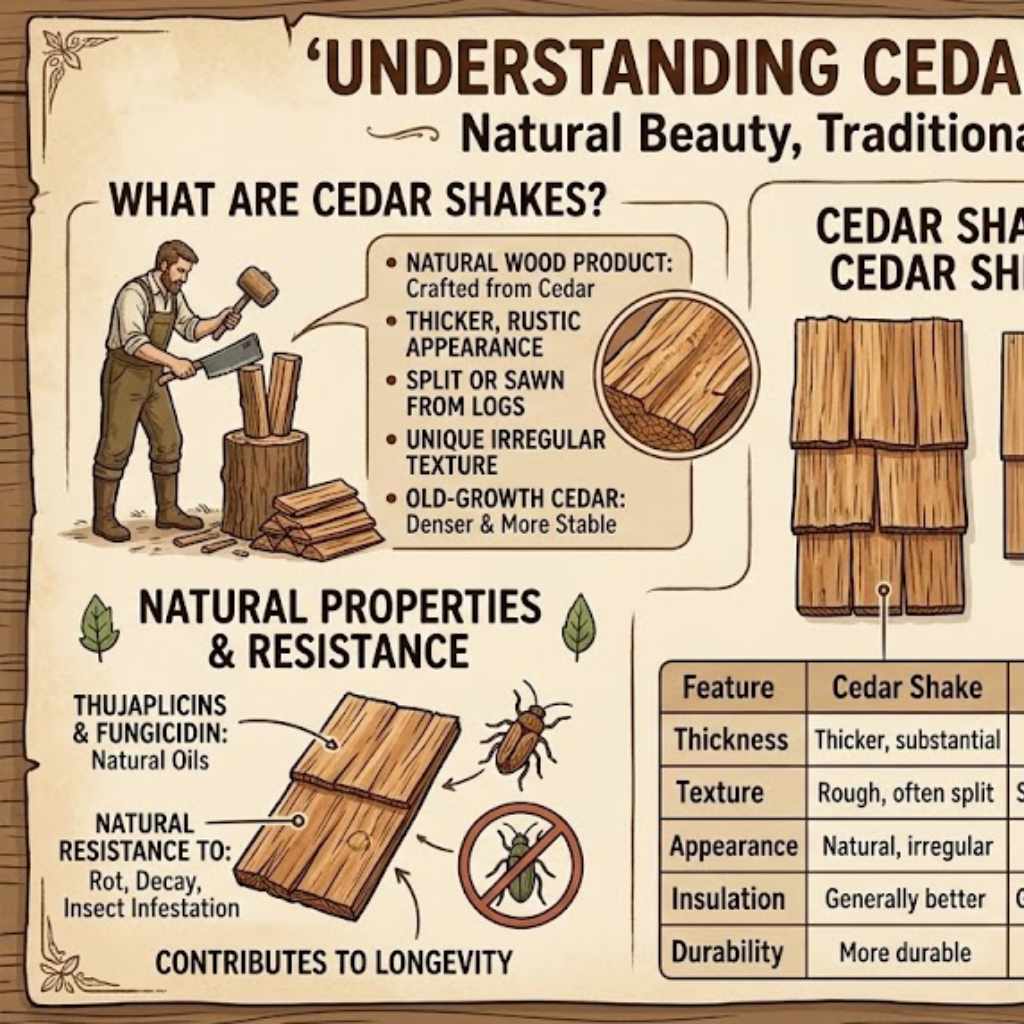
Cedar shake siding is a natural wood product that offers a classic, rustic beauty to homes. It’s made from cedar wood, known for its durability and attractive grain patterns. This type of siding is crafted by splitting logs into shakes, which are then often hand-split or sawn to create a rougher, more natural texture compared to cedar shingles.
Cedar shakes are thicker and have a more pronounced wood grain, giving them a distinct architectural appeal. Their natural oils and the wood’s structure make them resistant to rot, decay, and insect infestation, contributing to their longevity. The aesthetic appeal of cedar shakes is often described as charming and timeless, making them a favored choice for many homeowners seeking a connection to nature and traditional craftsmanship.
What Are Cedar Shakes
Cedar shakes are pieces of cedar wood that are split or sawn from logs to be used as roofing or siding material. They are generally thicker and more rustic in appearance than cedar shingles. The splitting process helps preserve the wood’s natural insulating properties and creates a unique, irregular texture that adds depth and character to a home’s exterior.
Shakes are typically made from old-growth cedar, which is denser and more stable, leading to a longer lifespan. The manufacturing process involves careful selection of wood to ensure quality and durability, making each shake somewhat unique. This natural variation is part of what gives cedar shake siding its sought-after artisanal look.
The production of cedar shakes involves different methods, each contributing to the final look and performance. Traditionally, shakes were hand-split, resulting in a more rugged and varied appearance. Today, many shakes are also machine-sawn but are still designed to mimic the split-shake look.
This process requires skilled craftsmanship to ensure that the wood grain is oriented correctly for optimal water shedding and durability. The natural oils present in cedar wood, like thujaplicins and fungicidin, are key to its natural resistance to decay and insects.
Cedar Shake vs. Cedar Shingle
It’s easy to confuse cedar shakes with cedar shingles, but they have distinct differences. Cedar shingles are thinner and more uniform in thickness and taper. They are typically sawn on all sides, giving them a smoother finish.
Shakes, on the other hand, are usually thicker and have a more pronounced, often rougher texture. One side of a shake is typically flat (sawn), while the other side is split from the wood block, retaining more of the wood’s natural grain and character. This difference in production leads to their unique appearances.
The thickness of shakes provides better insulation and a more substantial, rustic look. They are also generally more durable due to their thickness and the way they are split, which follows the grain of the wood more closely. This can translate to a longer lifespan, especially in harsh weather conditions.
Because of these factors and the more labor-intensive process, cedar shakes are often more expensive than cedar shingles.
| Feature | Cedar Shake | Cedar Shingle |
|---|---|---|
| Thickness | Thicker, more substantial | Thinner, more uniform |
| Texture | Rougher, more rustic, often split | Smoother, more refined, sawn |
| Appearance | Natural, irregular, artisanal | Uniform, clean, classic |
| Insulation | Generally better due to thickness | Good, but less than shakes |
| Durability | Often considered more durable | Durable, but may have a slightly shorter lifespan |
The choice between shakes and shingles often comes down to the desired aesthetic and budget. If a homeowner wants a deeply textured, traditional, and robust look, cedar shakes are the preferred option. For a cleaner, more uniform, and subtly elegant appearance, cedar shingles might be a better fit.
Both offer the natural beauty and benefits of cedar wood.
Natural Beauty and Aesthetics
Cedar shake siding is highly prized for its unparalleled natural beauty. The wood itself boasts rich, warm tones that can range from light golden to deep reddish-brown, adding a sense of warmth and elegance to any home. Its natural grain patterns are unique, meaning no two shakes are exactly alike, which contributes to a custom, artisanal feel.
Over time, cedar shake siding weathers naturally to a beautiful silvery-gray patina, a look that many homeowners find particularly appealing and classic. This natural aging process enhances its charm without compromising its integrity.
The texture of cedar shakes, with their rough-hewn surface and varying thickness, creates depth and visual interest on a home’s facade. This dimensionality is something that synthetic materials often struggle to replicate. The play of light and shadow across the textured surface adds a dynamic quality that changes throughout the day and seasons.
This inherent aesthetic appeal makes cedar shake siding a favorite for architects and homeowners looking to create homes that feel connected to their natural surroundings and possess a timeless, sophisticated charm.
Pros of Cedar Shake Siding
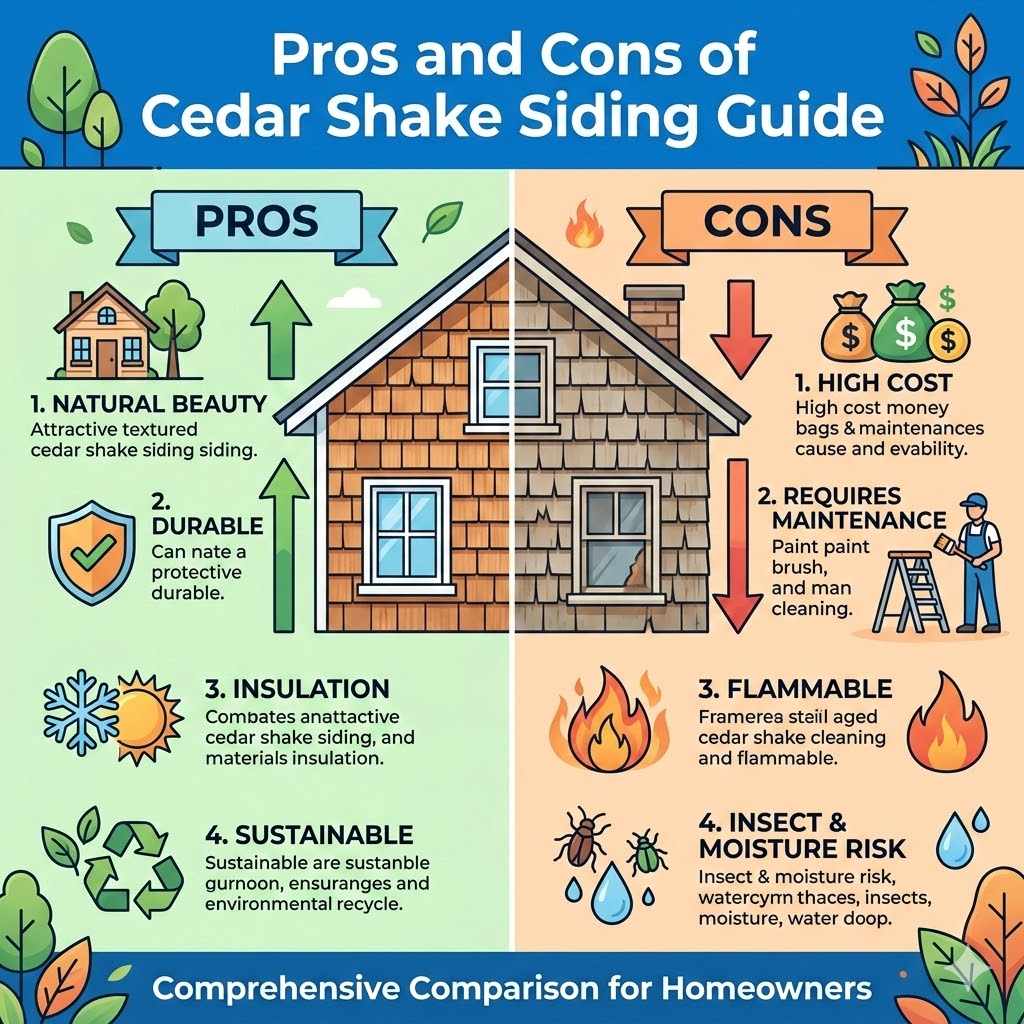
Cedar shake siding offers a compelling combination of natural beauty, durability, and environmental benefits. Its aesthetic appeal is undeniable, providing a warm, rustic, and timeless look that enhances a home’s curb appeal. Beyond looks, the wood’s natural properties make it a resilient choice, capable of withstanding various weather conditions.
Furthermore, cedar is a sustainable material, and its natural insulation properties can contribute to energy efficiency. These advantages make it a strong contender for homeowners seeking a high-quality, attractive, and long-lasting exterior for their homes.
Exceptional Durability and Longevity
Cedar shake siding is renowned for its impressive durability and ability to last for many decades, often 30 to 50 years or even longer with proper maintenance. This longevity is due to cedar’s natural resistance to decay, rot, and insect infestation. The wood contains natural oils and tannins that act as preservatives, repelling common pests like termites and carpenter ants.
This inherent defense mechanism means that cedar shakes are less likely to succumb to structural damage from biological agents compared to many other wood species.
Furthermore, cedar wood is dimensionally stable, meaning it expands and contracts minimally with changes in humidity. This stability reduces the risk of warping, cracking, or splitting, which are common issues with less stable wood materials. When properly installed and maintained, cedar shake siding can withstand harsh weather conditions, including heavy rain, strong winds, and extreme temperatures, without significant degradation.
Its natural resistance to UV radiation also helps it maintain its color and structural integrity over time, contributing to its long-term performance and value.
A real-life example of this durability can be seen in historical homes where original cedar shake siding has stood for over a century, still providing protection and character. These structures often require minimal repairs, testament to the wood’s inherent resilience. The dense cellular structure of cedar, combined with its natural oils, creates a barrier against moisture penetration and microbial growth, essential factors for long-term exterior building material performance.
Natural Insulation Properties
Cedar shake siding offers excellent natural insulation capabilities, which can significantly contribute to a home’s energy efficiency. The wood itself is a poor conductor of heat, meaning it helps keep your home cooler in the summer and warmer in the winter. This natural insulating property can reduce reliance on heating and cooling systems, leading to lower energy bills.
Cedar’s cellular structure contains air pockets that further enhance its insulating effect, acting as a natural barrier against temperature fluctuations.
Compared to materials like vinyl or aluminum siding, which conduct heat more readily, cedar shakes provide a more stable internal temperature. This can translate to tangible savings on energy costs over the lifespan of the siding. For instance, studies suggest that wood siding, including cedar, can offer R-values (a measure of thermal resistance) that are significantly higher than that of metal sidings.
While it may not match the R-value of modern insulation materials, its contribution to overall building envelope efficiency is noteworthy, especially when combined with proper wall insulation.
Environmentally Friendly Choice
Cedar is a renewable resource, and when sourced responsibly from sustainably managed forests, it is an environmentally friendly building material. Cedar trees grow relatively quickly compared to some other hardwoods, and replanting efforts ensure a continuous supply. The production of cedar shake siding generally has a lower carbon footprint compared to many synthetic siding materials, which often rely on petroleum-based products and energy-intensive manufacturing processes.
Cedar’s natural decomposition process is also more environmentally benign than the disposal of synthetic materials.
Furthermore, cedar wood is biodegradable. Unlike plastic-based sidings, cedar will naturally break down at the end of its life cycle without releasing harmful microplastics into the environment. The energy required to harvest, process, and install cedar is also typically lower than that for manufactured materials.
This makes it a preferred choice for homeowners who prioritize sustainability and wish to minimize their ecological impact. Responsible forestry certifications, such as those from the Forest Stewardship Council (FSC), can further assure consumers that their cedar products come from well-managed sources.
Unique Aesthetic Appeal
The visual appeal of cedar shake siding is a major draw for many homeowners. It offers a rich, natural beauty that is difficult to replicate with artificial materials. The wood’s inherent variations in color, grain pattern, and texture give each home a distinct and custom look.
This natural character provides a sense of warmth and authenticity that contributes to a home’s timeless charm. The ability of cedar to weather gracefully into a beautiful silver-gray patina is another aspect of its unique aesthetic appeal, evolving with the home over time.
This aesthetic is particularly well-suited for certain architectural styles, such as Craftsman, Tudor, Colonial, and Rustic designs, where natural materials and handcrafted details are valued. The dimensionality and texture of cedar shakes create shadows and highlights, adding depth and visual interest to the exterior of a building. This organic quality makes a home feel more integrated with its landscape and creates a welcoming, natural appearance.
Many homeowners choose cedar precisely for this sophisticated yet natural look that enhances their property’s value and character.
Low Maintenance (Relatively)
While no exterior siding is entirely maintenance-free, cedar shake siding requires relatively low maintenance compared to some other natural wood products. Its natural resistance to rot, decay, and insects means it doesn’t require frequent chemical treatments to prevent these issues. For homeowners who prefer a natural, weathered look, simply allowing the cedar to age into its silver-gray patina requires very little effort beyond occasional cleaning to remove dirt or debris.
This aged look is highly desirable for many.
If a homeowner wishes to preserve the original color of the cedar or apply a stain, this will require periodic reapplication, typically every 3-5 years, depending on the product and exposure to the elements. However, basic maintenance, such as clearing gutters, trimming back overgrown vegetation, and occasional washing with a mild detergent and water, is usually sufficient to keep cedar shake siding in good condition.
Compared to the constant scraping, painting, or sealing required for many other wood sidings, the maintenance demands of cedar shakes are often considered manageable and cost-effective in the long run.
Cons of Cedar Shake Siding
While cedar shake siding offers many attractive qualities, it also comes with certain drawbacks that homeowners should carefully consider. The initial cost can be significantly higher than many other siding options, and its susceptibility to fire and the need for regular maintenance can be concerns for some. Understanding these potential downsides is crucial for making an informed decision that aligns with your budget, lifestyle, and priorities for your home’s exterior.
Higher Initial Cost
One of the primary considerations for cedar shake siding is its relatively high upfront cost. The material itself is more expensive than options like vinyl or fiber cement siding due to the cost of harvesting, milling, and grading high-quality cedar. The installation process also tends to be more labor-intensive and requires skilled carpenters, which adds to the overall expense.
This higher initial investment can be a barrier for homeowners working with a tighter budget for their exterior renovation project.
The price of cedar shakes can vary based on the grade of wood, the thickness of the shakes, and the region where it is purchased. For example, clear cedar, which has fewer knots and imperfections, is more expensive than knotty cedar. Similarly, thicker shakes, which offer better insulation and a more substantial look, will command a higher price.
When comparing costs, it’s important to factor in the entire project cost, including materials, labor, and any necessary underlayment or finishing products, to get an accurate picture of the investment required.
For instance, while basic vinyl siding might cost around $5-$10 per square foot installed, cedar shakes can range from $15-$30 per square foot or even more, depending on the specifics. This substantial difference in initial outlay means that homeowners need to carefully weigh the long-term benefits against the immediate financial commitment. A 2000-square-foot home could see siding costs ranging from $10,000 for vinyl to $30,000-$60,000 or more for premium cedar shakes.
Susceptibility to Fire
Cedar shake siding, being a natural wood product, is inherently more susceptible to fire than non-combustible materials like metal or fiber cement. While cedar has natural oils that can offer some resistance, it can still ignite and burn if exposed to a direct flame or significant heat. This fire risk is a significant concern, especially in areas prone to wildfires or where fire safety regulations are stringent.
To mitigate this risk, cedar shakes can be treated with fire retardants. These treatments can significantly improve the material’s resistance to ignition and slow the spread of flames. However, these treatments often add to the cost of the siding and may need to be reapplied periodically to maintain their effectiveness.
It’s important to check with local building codes and insurance providers regarding the use of cedar shakes, especially in fire-prone regions, and to inquire about available fire-retardant treatments and their efficacy.
In areas with high wildfire risk, fire codes may mandate specific fire-resistant materials or treatments. For example, in California, the use of untreated wood shakes and shingles in certain high-risk zones is restricted or prohibited. Homeowners in such areas must research and comply with these regulations, which may limit their ability to use traditional cedar shakes or require them to opt for treated versions or entirely different materials.
Maintenance Requirements
Although often described as “low maintenance,” cedar shake siding still requires attention to maintain its appearance and longevity. If you want to preserve the natural cedar color or apply a specific stain or sealant, this will necessitate periodic reapplication, typically every 3 to 5 years. Exposure to sunlight, rain, and harsh weather conditions will cause stains and sealants to fade or wear away over time.
Beyond coloring, regular cleaning is necessary. Moss, algae, and mildew can grow on wood siding, especially in damp or shaded areas. These growths can not only detract from the appearance but can also retain moisture, potentially leading to rot or decay over time.
Homeowners will need to periodically wash the siding, often with a mild detergent and water, and sometimes with specialized cleaners for wood. Additionally, ensuring that gutters are clean and that water drains away from the foundation is crucial for preventing moisture-related issues that can affect the siding.
Sample Scenario 1: A homeowner in a heavily wooded area notices moss growth on the north-facing side of their cedar shake home. To address this, they would need to gently scrub the affected areas with a soft brush and a solution of water and a mild cleaner, or a specialized moss remover. Following the cleaning, they might rinse the siding thoroughly and allow it to dry completely.
If the homeowner had stained their cedar, they would also need to inspect the finish for wear and tear after a few years and reapply a new coat if necessary to protect the wood and maintain the desired color.
Color Fading and Weathering
While the natural weathering of cedar to a silvery-gray patina is a sought-after aesthetic for many, it means that the original warm cedar tones will inevitably fade over time. If a homeowner chooses to stain or seal their cedar shakes to maintain a specific color, this color will not last indefinitely. UV rays from the sun and the elements will gradually break down the pigments in stains and sealants, leading to fading and discoloration.
This means that if you want to keep your cedar shakes looking like they did when they were first installed, you will need to commit to a regular re-staining or re-sealing schedule. This can be a time-consuming and costly process, involving cleaning the siding, preparing the surface, and applying new coats of stain or sealant. The frequency of this maintenance depends heavily on the type of finish used, the climate, and the amount of direct sun exposure the siding receives.
For those who prefer a “set it and forget it” approach, the color fading of cedar might be a significant drawback.
Potential for Warping or Splitting
While cedar is known for its stability, improper installation, exposure to extreme moisture fluctuations, or using lower-grade wood can still lead to issues like warping or splitting over time. If the wood is not properly dried before installation, or if it is installed too tightly against the house without adequate expansion gaps, changes in humidity can cause it to swell and then shrink, leading to stress on the material. This stress can result in bowing or cupping of the shakes.
Splitting can occur along the grain, especially if the shakes are subjected to physical impact or if they dry out too rapidly. These issues not only affect the aesthetic appeal of the home but can also compromise the siding’s ability to protect the underlying structure from the elements. Ensuring that the cedar shakes are installed by experienced professionals who understand wood behavior and proper installation techniques is critical to minimizing these risks.
Sample Scenario 2: A homeowner opts for a DIY installation of cedar shakes, not realizing the importance of acclimating the wood to the local climate before putting it up. During a very wet spring, the shakes absorb moisture and swell. When a dry, hot summer follows, they shrink rapidly, causing some shakes to crack along the grain and others to warp, creating uneven surfaces and potential gaps.
This situation highlights the need for professional expertise in handling wood siding materials.
Can Be Damaged by Foot Traffic or Impact
Cedar shake siding, while durable against weather, can be more susceptible to damage from direct impact or heavy foot traffic compared to materials like vinyl or metal. Dropping tools on the siding during construction or maintenance, or accidental impacts from lawn equipment or falling branches, can cause dents, gouges, or even cracks. This is particularly true for thinner shakes or those with more pronounced natural variations in the wood.
Homeowners with active yards, children, or pets need to be mindful of potential impacts. While the rustic charm of cedar can sometimes mask minor imperfections, significant damage would require repair or
Insects and Pests (If Untreated)
While cedar wood is naturally resistant to many pests, it is not entirely immune. Certain wood-boring insects, such as powderpost beetles or carpenter bees, can still cause damage if the wood is not adequately protected or if the natural oils diminish over time. Furthermore, the gaps and crevices in shake siding can provide attractive nesting spots for insects and other small pests.
While a full infestation is less common than with softer, less naturally resistant woods, it is still a possibility. Regular inspection of the siding for signs of pest activity is recommended. If untreated, the wood’s natural defenses can weaken over time, especially in humid climates.
Homeowners might consider periodic applications of protective treatments or sealants that also offer pest deterrence to ensure their cedar siding remains in optimal condition.
Installation and Maintenance Considerations
The proper installation and ongoing maintenance of cedar shake siding are paramount to ensuring its longevity, performance, and aesthetic appeal. Incorrect installation can lead to premature failure, while neglecting maintenance can shorten its lifespan and compromise its protective qualities. Understanding these critical aspects will help homeowners make informed decisions and properly care for their investment.
Professional Installation Is Key
Due to the unique properties of cedar shakes and the specific techniques required for their installation, professional expertise is highly recommended. Experienced installers understand how to properly lay the shakes to ensure adequate overlap for water shedding, allow for expansion and contraction, and use the correct fasteners that won’t cause premature decay. Improper installation can lead to issues such as premature rot, warping, splitting, and leaks, negating many of the benefits of cedar.
A skilled installer will also know how to detail tricky areas like corners, window frames, and rooflines, ensuring a watertight and cohesive finish. They will use the appropriate underlayment materials and ensure that the shakes are installed at the correct exposure to the weather. The investment in professional installation pays dividends in the long run, ensuring the siding performs as intended and lasts for its full potential lifespan.
Example of professional installation benefit: A contractor properly installs cedar shakes with a 5-inch exposure. This means that 5 inches of the shake is visible on the exterior, protecting the layer beneath. They also ensure there is adequate space between shakes to allow for expansion in humid weather and proper ventilation behind the siding, preventing moisture buildup.
This careful approach significantly reduces the risk of problems down the line.
Proper Fastening Techniques
The type of fasteners used and how they are installed are crucial for the durability of cedar shake siding. Stainless steel or hot-dipped galvanized nails are generally recommended because they resist rust and staining, which can leach into the wood and create unsightly marks over time. The fasteners should be long enough to penetrate through the shake and into the underlying sheathing or structural framing for a secure hold.
It is important not to over-fasten the shakes, as this can cause them to split or restrict their natural movement. Conversely, under-fastening can lead to shakes becoming loose and eventually detaching. The number and placement of fasteners per shake are specified by manufacturers and building codes, and adhering to these guidelines is essential for ensuring the integrity of the siding system.
A skilled installer will know the precise torque and placement for each fastener.
Ventilation and Moisture Control
Adequate ventilation behind cedar shake siding is critical for managing moisture and preventing rot and mildew. The siding should be installed in a way that allows air to circulate freely behind the shakes. This can be achieved through the use of a rainscreen system, which creates a small air gap between the siding and the building’s weather-resistant barrier.
Proper flashing and sealing around openings like windows and doors are also essential to prevent water from entering the wall cavity.
Moisture trapped behind siding can lead to significant structural damage over time. A well-designed ventilation system helps to dry out the wood, reducing the risk of decay and insect activity. It also helps to regulate the temperature and humidity within the wall structure, contributing to the overall health and longevity of the home.
Homeowners should ensure that their installation plan includes provisions for effective moisture management and ventilation.
A typical rainscreen system involves installing vertical furring strips on the exterior sheathing. The cedar shakes are then fastened to these furring strips, creating an air gap between the siding and the sheathing. This gap allows moisture that may get behind the siding to drain downwards and evaporate, keeping the wood drier and extending its life.
This is a critical component for long-term performance.
Cleaning and Mildew Prevention
Regular cleaning of cedar shake siding is important to maintain its appearance and prevent issues like mildew and algae growth. Moss, mildew, and algae can thrive in damp, shaded areas and can detract from the beauty of the siding. Mildew, in particular, can degrade the wood over time and create unsightly dark stains.
To clean cedar shakes, a gentle approach is best. Use a soft-bristled brush or a garden hose with a spray nozzle to wash away loose dirt and debris. For more stubborn stains or mildew, a solution of water and a mild detergent or a specialized wood cleaner can be used.
It’s important to avoid high-pressure washers, as they can damage the wood fibers and drive moisture into the siding. After cleaning, rinse the siding thoroughly and allow it to dry completely. Promptly addressing any signs of mildew growth can prevent more significant problems down the line.
A common cleaning solution involves mixing one cup of bleach with a gallon of water and a quarter cup of mild dish soap. Apply this solution with a soft brush, let it sit for 15-20 minutes, and then rinse thoroughly. Always test any cleaning solution on an inconspicuous area first to ensure it doesn’t damage or discolor the cedar.
Staining and Sealing for Color Preservation
If you desire to maintain the original warm color of cedar shakes or apply a specific stain hue, regular reapplication of stain or sealant is necessary. These finishes protect the wood from UV damage and moisture while providing the desired color. However, they are not permanent and will fade or wear away over time, especially on surfaces exposed to direct sunlight and harsh weather.
The frequency of re-staining or re-sealing typically ranges from every 3 to 5 years, depending on the product quality, the intensity of the weather, and the amount of sun exposure. This maintenance involves cleaning the siding thoroughly, ensuring it is dry, and then applying a new coat of stain or sealant. While this adds to the ongoing commitment and cost, it allows homeowners to preserve the aesthetic they desire for their home’s exterior.
When to Choose Cedar Shake Siding
Cedar shake siding is an excellent choice for homeowners who prioritize natural beauty, durability, and a timeless aesthetic. It is particularly well-suited for certain architectural styles and for those who appreciate the character that natural materials bring to a home. If you are looking for a siding option that offers a unique, artisanal look and are prepared for the associated costs and maintenance, cedar shakes could be the perfect fit for your project.
For Classic and Traditional Homes
Cedar shake siding lends itself beautifully to homes with classic and traditional architectural designs. Its natural, rustic texture and warm tones complement styles such as Craftsman, Colonial, Tudor, and Rustic homes. The organic quality of cedar shakes enhances the authenticity and charm of these styles, creating a look that feels both timeless and inviting.
The dimensionality and shadow lines created by the shakes add depth and character that artificial materials often struggle to replicate, making them an ideal choice for preserving or enhancing the historical integrity of older homes.
Many historic homes feature original cedar shake siding that has endured for generations. When renovating or building new homes in a traditional style, the use of cedar shakes can authentically capture the era’s building practices and aesthetic. This choice not only enhances curb appeal but also contributes to the overall character and value of the property.
The natural aging of cedar into a silvery-gray patina further contributes to its appeal in traditional settings, evoking a sense of age and established beauty.
When Curb Appeal Is A Top Priority
If creating a home with exceptional curb appeal is a primary goal, cedar shake siding is a strong contender. Its natural beauty, rich color variations, and textured surface create a visually striking exterior that stands out. The unique, handcrafted look of cedar shakes communicates quality and taste, elevating the home’s overall aesthetic and perceived value.
The ability of cedar to weather gracefully into a distinguished patina also contributes to its long-term visual appeal, making the home look more established and elegant over time.
The natural materials used in cedar shakes connect a home to its surroundings, offering a warm and inviting appearance that is often more desirable than the uniformity of synthetic sidings. This makes it an excellent choice for homeowners looking to make a statement with their property and create an exterior that is both beautiful and distinctive. Many homeowners find that the investment in cedar shakes significantly enhances their home’s resale value due to its desirability and timeless appeal.
For Homeowners Seeking Sustainability
For environmentally conscious homeowners, cedar shake siding is a commendable choice when sourced from sustainably managed forests. Cedar is a renewable resource, and its production generally has a lower environmental impact than many synthetic alternatives. The wood itself is biodegradable, meaning it breaks down naturally at the end of its life cycle without contributing to landfill waste or microplastic pollution.
Choosing FSC-certified cedar further assures that the product comes from responsibly managed forest operations that prioritize ecological balance and biodiversity.
Furthermore, the natural insulation properties of cedar can contribute to energy efficiency, reducing a home’s carbon footprint by lowering heating and cooling demands. Opting for a natural, biodegradable material aligns with a broader commitment to sustainability in building and living. This makes cedar shake siding an attractive option for those who wish to build or renovate with materials that are both beautiful and respectful of the environment.
When Longevity Is A Key Factor
If a homeowner is looking for a siding material that will provide long-lasting protection and beauty for decades, cedar shake siding is a wise investment. With proper installation and maintenance, cedar shakes can last for 30 to 50 years or even longer. This impressive lifespan is due to the wood’s natural resistance to rot, decay, and insects.
Unlike materials that may degrade more quickly or require frequent replacement, cedar offers enduring performance.
While the initial cost is higher, the longevity of cedar shake siding can make it a cost-effective choice over the very long term. Homeowners are spared the expense and disruption of frequent siding
Pros and Cons of Cedar Shake Siding Guide Summary
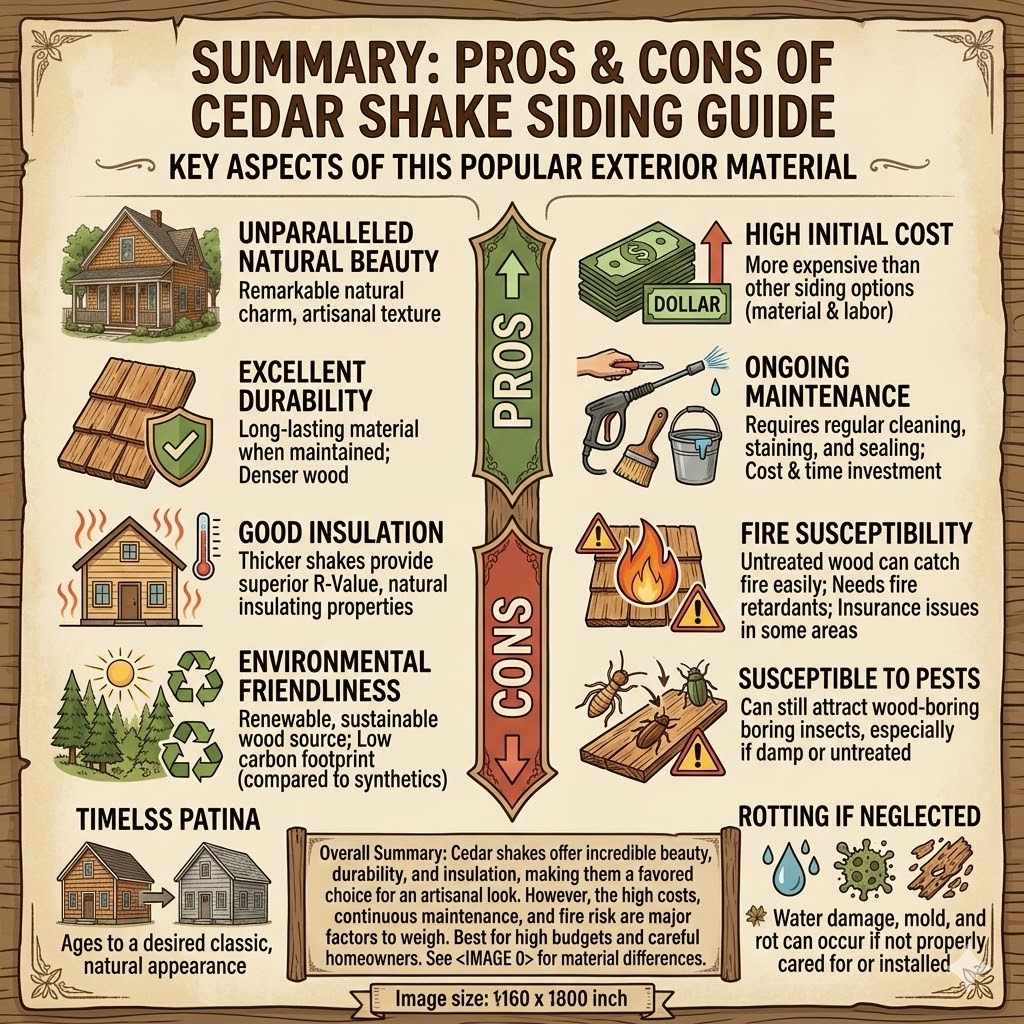
This Pros and Cons of Cedar Shake Siding Guide has explored the key aspects of this popular exterior material. We’ve seen that cedar shakes offer remarkable natural beauty and durability, enhanced by their environmental friendliness and excellent insulation. However, the initial cost, fire susceptibility, and ongoing maintenance needs are important considerations.
Frequently Asked Questions
Question: How often should cedar shake siding be cleaned?
Answer: Cedar shake siding should be cleaned at least once a year to remove dirt, debris, and any potential mildew or algae growth. More frequent cleaning might be necessary in damp climates or areas with heavy tree cover.
Question: Can cedar shake siding be painted?
Answer: Yes, cedar shake siding can be painted, but it’s more common to stain it to preserve the natural wood grain and color. If painting, a high-quality exterior primer and paint designed for wood are essential, and it will require more frequent upkeep than staining.
Question: What is the average lifespan of cedar shake siding?
Answer: With proper installation and regular maintenance, cedar shake siding can last anywhere from 30 to 50 years, and often even longer. Factors like climate and the quality of installation play a significant role.
Question: Is cedar shake siding suitable for all climates?
Answer: Cedar shake siding is generally suitable for most climates, but its performance can be maximized with proper installation techniques that account for local weather conditions, such as high humidity or extreme temperature fluctuations. In very fire-prone areas, fire-retardant treatments may be necessary or required by code.
Question: What is the biggest disadvantage of cedar shake siding?
Answer: The biggest disadvantage for many homeowners is the higher initial cost compared to other siding materials like vinyl or fiber cement. Additionally, its susceptibility to fire without proper treatment and the need for ongoing maintenance are also significant drawbacks.
Summary
Choosing cedar shake siding means embracing natural beauty and lasting quality. You gain a home exterior that is both visually stunning and highly durable. While the investment is higher and maintenance is required, the timeless appeal and environmental benefits are significant.
With this guide, you can confidently assess if cedar shakes are the right fit for your home.