Protecting Hardwood Floors from Furniture: Top Tips & Tricks
To protect hardwood floors from furniture, use furniture pads or coasters under legs. Regularly rearranging furniture helps prevent dents and scratches.
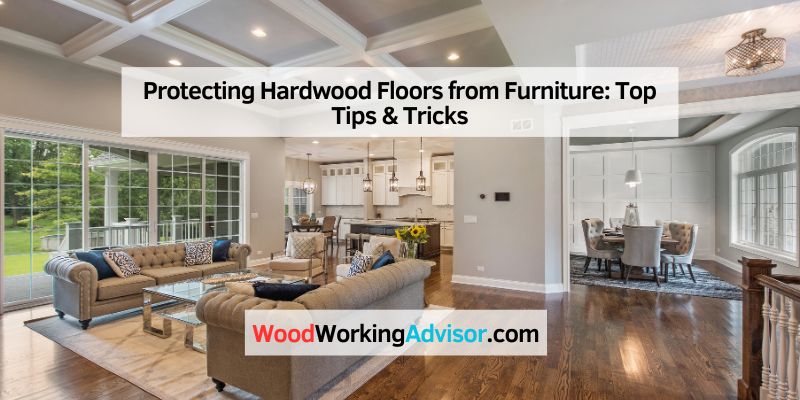
Hardwood floors add elegance and warmth to any space, but they can be easily damaged by heavy furniture. Scratches, dents, and scuffs often result from moving or placing items without proper protection. Fortunately, simple solutions exist to maintain the beauty of your floors.
Using furniture pads or coasters can prevent unsightly marks and prolong the lifespan of your flooring. Regularly checking and adjusting furniture placement also minimizes wear in high-traffic areas. By implementing these strategies, you can keep your hardwood floors looking pristine for years to come. Protecting your investment ensures your home remains inviting and stylish.
The Importance Of Preserving Hardwood Floors
Hardwood floors add beauty and value to any home. Preserving these floors is essential for longevity and aesthetics. Proper care ensures they remain stunning for years. Damage from furniture can ruin their appearance.
Using protective pads under furniture legs prevents scratches. Moving furniture carefully also helps avoid dents. Regular cleaning keeps dirt and dust away, preserving the floor’s shine.
A well-maintained hardwood floor can significantly boost your property value. Buyers appreciate homes with beautiful, undamaged floors. Investing time in floor care pays off when selling a home.
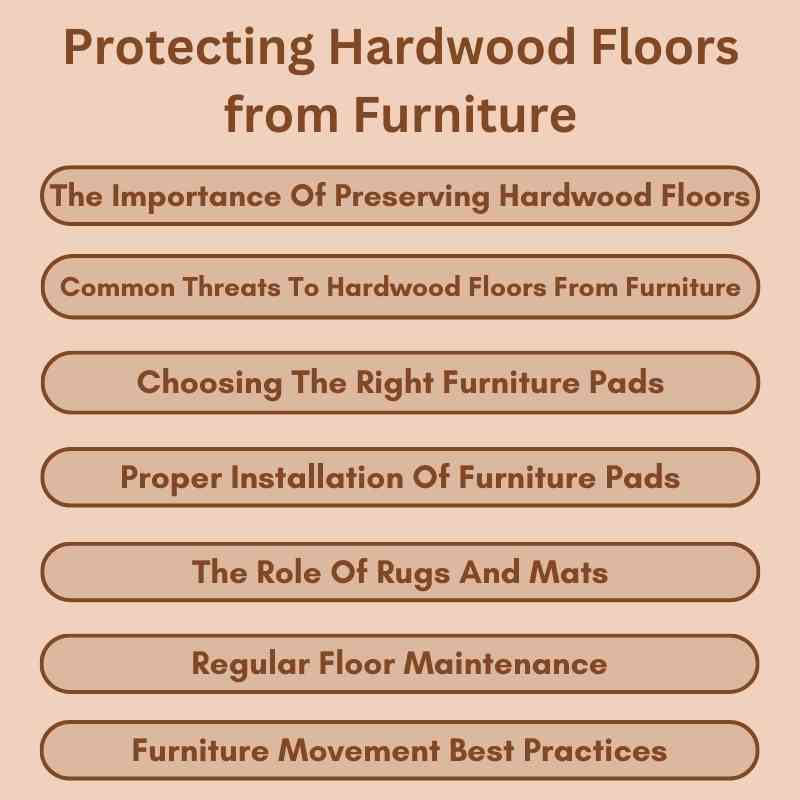
Common Threats To Hardwood Floors From Furniture
Scratches and gouges are common problems for hardwood floors. Heavy furniture can create deep marks. Even small items can cause damage if moved frequently. Using furniture pads can help reduce this risk.
Dents and pressure marks occur when furniture sits in one place too long. The weight of the furniture can press into the wood. Regularly moving furniture can prevent these issues. Choose lightweight furniture to minimize damage. Consider using area rugs to protect high-traffic spots.
Choosing The Right Furniture Pads
Choosing the right furniture pads is essential for protecting hardwood floors. Pads come in various materials like felt, rubber, and plastic. Each material offers different levels of protection and durability. Felt pads are soft and great for everyday use. Rubber pads grip well and prevent sliding.
Shapes of pads vary too. Round pads suit circular furniture, while square pads work for square or rectangular legs. Check your furniture to find the best fit.
Size and thickness are also important. Thicker pads provide more cushioning. They help absorb impact from moving furniture. Always ensure pads cover the entire area of the furniture leg.
Proper Installation Of Furniture Pads
Cleaning the floor before placing furniture pads is very important. Start by sweeping or vacuuming to remove dirt. Use a damp mop for deeper cleaning. Allow the floor to dry completely.
Choose high-quality furniture pads for maximum protection. These pads help to prevent scratches and dents. Secure them firmly under each furniture leg. Check them regularly to ensure they stay in place.
For larger furniture, consider using multiple pads for extra support. This helps distribute weight evenly. Protect hardwood floors by avoiding dragging furniture across the surface.
The Role Of Rugs And Mats
Rugs and mats play a crucial role in protecting hardwood floors. They act as a barrier against scratches and dents caused by furniture.
Strategic placement of rugs can make a big difference. Place rugs under heavy furniture, like sofas and tables, to absorb impact. This helps distribute weight evenly across the floor.
Choosing the right rug material is essential. Natural fibers like wool and cotton are durable and soft. Synthetic fibers, such as nylon, are also great for high-traffic areas.
Both options offer excellent protection and are easy to clean. Select rugs that complement your room’s style while keeping your floors safe.
Regular Floor Maintenance
Regular cleaning keeps hardwood floors looking great. Use a soft broom or vacuum to remove dirt. Avoid using wet mops, as they can damage the wood. Damp cloths are safer for quick clean-ups.
For deeper cleaning, use a wood-safe cleaner. Follow instructions on the cleaner’s label. Always test a small area first. This way, you can ensure it won’t harm your floor.
Minor damage can happen over time. Scratches and dents may appear from furniture. Repairing these small issues is important for appearance. Use wood filler for scratches and touch-up markers for color.
Always follow the product’s instructions for repairs. For deep scratches, consider sanding lightly. Refinish the area to blend with the rest of the floor.
Furniture Movement Best Practices
Protecting your hardwood floors is important. Lifting furniture is better than dragging it. Lifting avoids scratches and dents on the floor. Always ask for help when lifting heavy items.
Using sliders and coasters can make moving furniture easier. These tools protect the wood from damage. They also help you move furniture without straining your back. Place sliders under each leg of the furniture for smooth movement. Use coasters for larger pieces like sofas and tables.
Advanced Protection Strategies
Using custom-made protectors helps keep hardwood floors safe. These protectors fit perfectly under furniture. They distribute weight evenly, reducing pressure points on the floor.
Consider using felt pads or rubber mats. These materials prevent scratches and dents. They are easy to apply and remove.
Check the weight of your furniture. Heavier items should have larger protectors. This prevents damage over time.
| Furniture Type | Recommended Protector Size |
|---|---|
| Tables | 4-inch pads |
| Chairs | 2-inch pads |
| Sofas | 6-inch pads |
Monitoring And Replacing Protective Gear
Regular inspection of furniture pads is essential for protecting hardwood floors. Schedule inspections every three months to check for wear and tear. Look for signs of damage or dirt buildup.
Replace furniture pads when they become worn, cracked, or dirty. A good rule is to change them every six months. This helps maintain a smooth surface on your floors.
| Condition | Action |
|---|---|
| Worn | Replace immediately |
| Cracked | Replace immediately |
| Dirty | Clean or replace |
Balancing Design And Functionality
Hardwood floors add beauty to any home. Protecting them from furniture is crucial. Scratches and dents can ruin their look.
Choose furniture with soft pads. These pads help to prevent damage. Avoid dragging heavy items across the floor. Lift furniture instead to keep surfaces safe.
Consider using area rugs under furniture. Rugs provide an extra layer of protection. They also enhance the room’s design.
Innovative protective products are available. Furniture sliders make moving easy. Floor protectors can also prevent scratches.
Many options exist for keeping hardwood floors safe. Investing in quality products ensures long-lasting beauty.
Frequently Asked Questions
How Can I Protect Hardwood Floors From Scratches?
To protect hardwood floors from scratches, use furniture pads under legs. These pads help absorb impact and prevent marks. Additionally, regularly clean your floors to remove debris. Avoid dragging furniture; lift instead. Consider area rugs in high-traffic zones to provide extra protection.
What Are The Best Furniture Pads For Hardwood Floors?
The best furniture pads for hardwood floors are felt pads. They offer excellent cushioning and grip without damaging the surface. Silicone pads are also effective for heavier items. Ensure the pads are the right size for your furniture legs to maximize protection.
Do Area Rugs Help Protect Hardwood Floors?
Yes, area rugs help protect hardwood floors significantly. They act as a barrier against scratches and dents. Place rugs in high-traffic areas and under furniture. Choose rugs with non-slip backing to prevent slipping and sliding, ensuring both safety and floor protection.
Can I Use Furniture Coasters On Hardwood Floors?
Yes, furniture coasters are ideal for hardwood floors. They distribute weight evenly, reducing pressure on the floor. Coasters also help prevent scratches and damage from heavy items. Ensure coasters are made of soft materials to avoid causing any harm to the surface.
Conclusion
Protecting your hardwood floors from furniture damage is essential for their longevity. Simple steps, like using furniture pads and rearranging pieces, can make a significant difference. Regular maintenance and awareness help preserve the beauty of your floors. Invest time in these practices to keep your hardwood looking pristine for years to come.