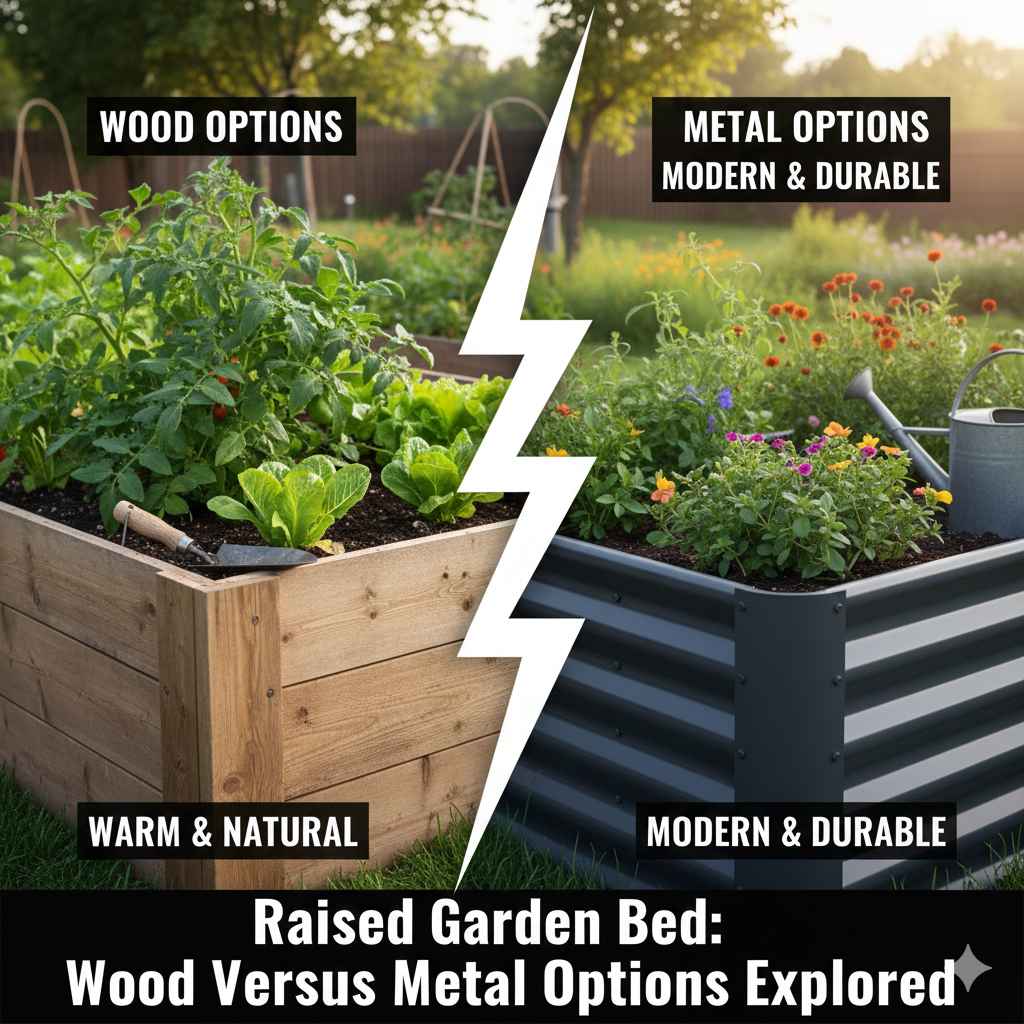
Raised Garden Bed: Wood Versus Metal Options Explored
Choosing a Raised Garden Bed: Wood vs Metal Compared can feel tough if you’re just starting your garden. It’s a common question for new gardeners! There’s so much to think about, like what materials work best and how long they’ll last. Don’t worry, we’re here to help you get the info you need to build your dream garden. Next, we’ll explore the pros and cons of both wood and metal beds.
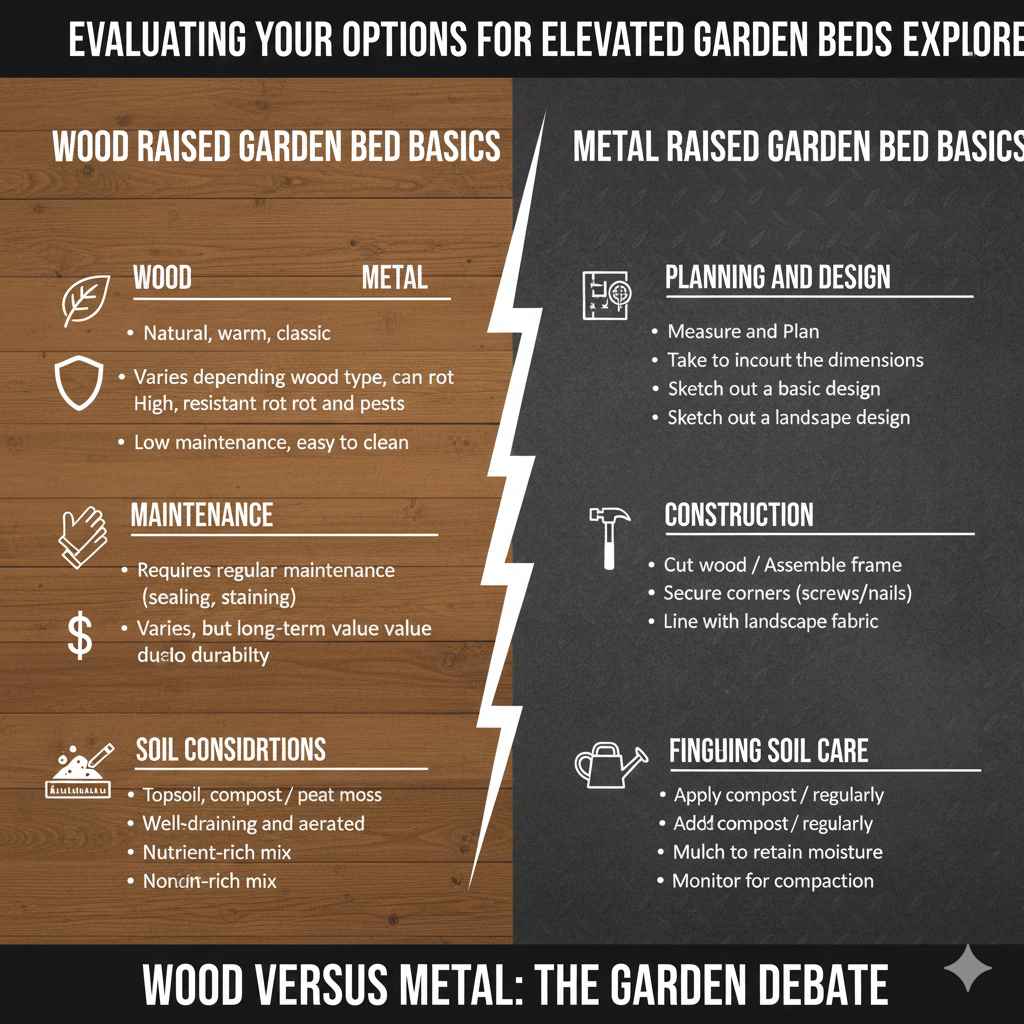
Evaluating Your Options for Elevated Garden Beds
Picking the right raised garden bed starts with knowing what you want to grow and where you’ll put it. You’ll need to consider how much sun your plants need, how easy the bed is to access, and how much space you have. It’s also key to think about how long you want your garden to last and how much effort you want to put into building and maintaining it. Choosing between wood and metal depends on these factors, so let’s explore those options.
Wood Raised Garden Bed Basics
Wooden raised garden beds are a popular option for home gardeners. They offer a classic, natural look that blends well into many landscapes. Choosing wood brings a rustic charm. Several types of wood are used, each with their own benefits. Some types of wood are naturally resistant to rot and pests, which can extend the lifespan of the garden bed. Wood is generally easy to work with, making it a good choice for people who want to build their own beds. You can customize the size and shape to fit your space perfectly.
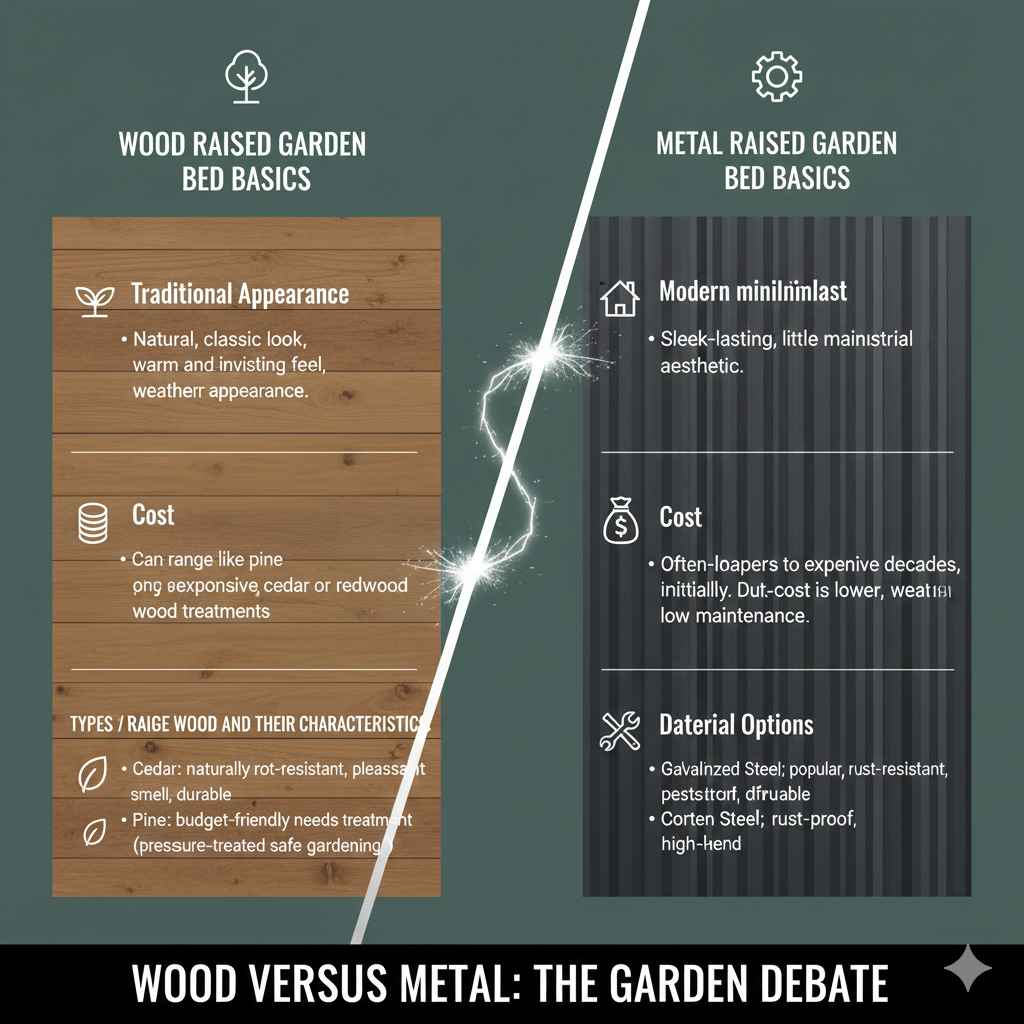
Appearance: Wood brings a natural, classic look to a garden. It gives off a warm and inviting feel. Some people like the way wood ages, developing a weathered appearance over time. This can add character and charm to your outdoor space.
Wood’s aesthetic appeal is often a big draw for gardeners. The earthy tones of wood can complement flowers, vegetables, and other plants, creating a visually pleasing garden setting. The variety of wood types lets you choose a look that suits your home and garden style.
Cost: Wood can range in price. The cost depends on the type of wood you select. Some woods are cheaper, like pine, while others, like cedar or redwood, are more expensive. Keep in mind that you might also need to buy wood treatments to protect the wood and make it last longer.
The total cost of a wooden raised garden bed includes the price of the wood, fasteners (like screws or nails), and any finishes or treatments. Sometimes, the initial cost can be higher for wood than for metal. You might save money if you choose to build the bed yourself, but that takes time and effort. It’s important to think about the long-term expenses, like maintenance and replacement.
Durability: The lifespan of a wooden raised garden bed varies a lot, from a few years to several decades. It depends on the wood type and how well you take care of it. Woods that are naturally resistant to rot, like cedar and redwood, last longer. The life of your garden bed is also tied to how you protect it from the weather and pests.
Regular maintenance, like applying sealants or stains, helps to protect the wood and increase its lifespan. You should also watch out for signs of rot, decay, and insect damage. The lifespan is also affected by the environment: direct sunlight and damp conditions can speed up the breakdown of the wood.
Types of Wood and Their Characteristics
The type of wood you choose impacts how your garden bed looks, how long it lasts, and how much you’ll spend. Different types of wood have varying levels of natural resistance to rot and pests. Some are more durable than others. Also, some woods may contain chemicals that can leach into the soil. Let’s look at some popular wood types used for raised garden beds.
Cedar: Cedar is a popular choice because it’s naturally rot-resistant and has a pleasant smell. It is known for its durability. Cedar stands up well to outdoor conditions. It resists insects and decay. Cedar is a good pick for long-lasting garden beds.
Cedar’s natural oils help it last longer, reducing the need for treatments or preservatives. There are different types of cedar, like Western Red Cedar. The grain of cedar is attractive and it weathers gracefully. The wood’s natural properties make it a smart, low-maintenance choice for gardeners.
Redwood: Redwood is another excellent choice for raised beds. Like cedar, it has natural rot resistance and lasts for a long time. Redwood has a beautiful color and grain pattern, which adds to the garden’s look. It is often more expensive than other woods.
Redwood is a sustainable choice. Many sources of redwood are responsibly harvested. Its durability means that redwood beds can withstand many years of use. It is a good option for gardeners who want a beautiful and long-lasting raised bed. Redwood doesn’t need as much maintenance compared to other woods.
Pine: Pine is a more budget-friendly option. It is readily available and easy to work with. Pine isn’t naturally rot-resistant, so it needs treatment to help it last longer. It’s often pressure-treated to protect against decay and pests.
Pressure-treated pine is a common choice. It’s treated with chemicals that help it resist rot and insects. When using pressure-treated wood, make sure it’s safe for gardening. Some older treatments had chemicals that were harmful. Always choose wood that is labeled as safe for use in contact with plants.
Metal Raised Garden Bed Options
Metal raised garden beds offer a different set of benefits. They are known for being very durable. Metal beds are resistant to rot, pests, and extreme weather. They often have a sleek, modern look. Metal can be a great choice for a garden bed. It is often low-maintenance.
Metal Material Types
Several types of metal are used for raised garden beds, each with its own pros and cons. The choice of metal impacts the bed’s durability, appearance, and cost. It’s essential to understand the properties of each metal. Doing so will help you select the best material for your garden.
Steel: Steel is a strong and durable choice for raised garden beds. It can handle heavy loads of soil and plants. Steel is available in different forms, including galvanized steel and powder-coated steel. Galvanized steel has a protective zinc coating to prevent rust. Powder-coated steel has a protective finish that also resists rust.
Steel beds are known for their long life and minimal maintenance. They can withstand harsh weather and resist damage from pests. Steel comes in various styles. You can pick one that fits your garden’s aesthetic. Proper care, like touch-ups to the coating if needed, can help steel beds last for many years.
Aluminum: Aluminum is a popular option. It is lightweight, which makes it easy to move and set up. Aluminum is naturally resistant to rust. It does not require painting or sealing. This means lower maintenance. Aluminum does not corrode. It’s an excellent choice for gardens that want a long-lasting, low-maintenance bed.
Aluminum is available in various colors and styles. You can often find aluminum beds with a powder-coated finish. This further protects the metal from scratches and corrosion. Aluminum garden beds are a good mix of beauty and function. They make a garden look modern and polished. They can be a great pick for any garden setting.
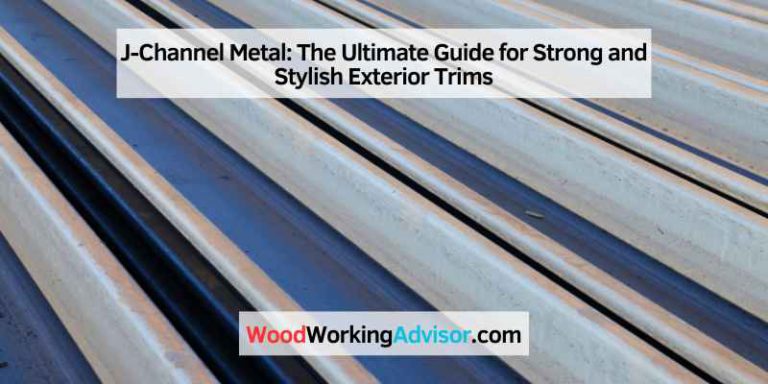
Corrugated Metal: Corrugated metal is known for its strength and distinctive look. It often uses galvanized steel. The corrugations add extra strength. They help the bed resist bending and bowing. It has a classic, industrial appearance. Many people love its modern feel.
Corrugated metal beds are usually easy to assemble. They can last for years with proper care. These beds are a practical, stylish option for any gardener. They offer durability and a cool aesthetic to your outdoor space.
Advantages of Metal Over Wood
Metal offers several benefits over wood in terms of durability, maintenance, and style. Metal garden beds are often more resistant to the elements. They last longer. Metal is also less likely to harbor pests and other things that can harm plants. Metal beds tend to require less upkeep, letting you focus on gardening. These features make metal a good choice.
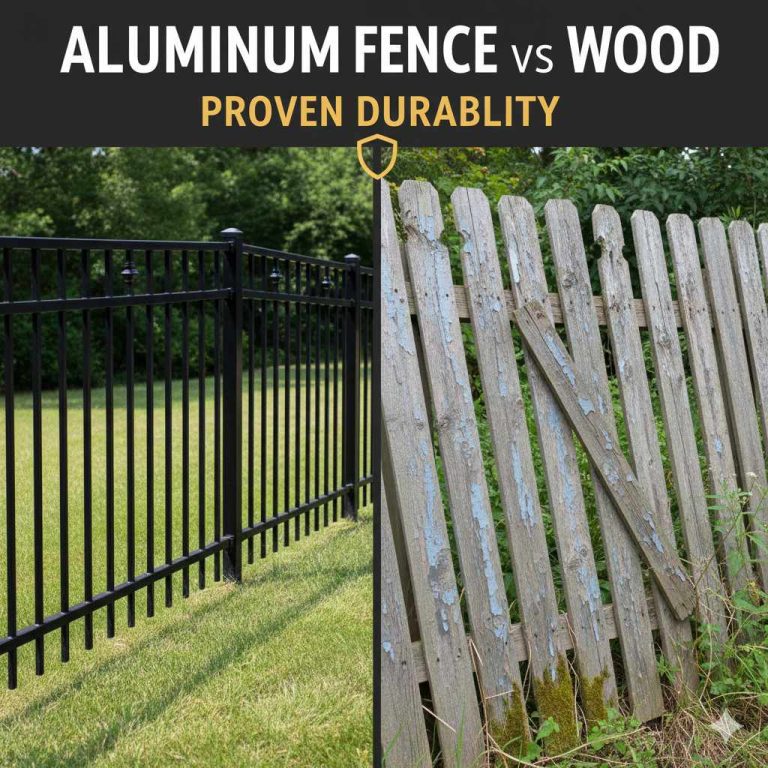
Durability: Metal is known for its strength and ability to withstand tough conditions. Unlike wood, metal doesn’t rot or decay. Metal resists insect infestations. It can withstand extreme weather, including sun, rain, and snow. A metal garden bed can last for many years with minimal care.
The long lifespan of metal beds often means that they are a cost-effective choice in the long run. They require less repair and
Maintenance: Metal beds usually need less maintenance than wood. You don’t have to worry about painting, staining, or sealing metal. This cuts down on the time and effort needed to maintain your garden. Metal beds are easy to clean. You can often simply hose them down to remove dirt and debris.
Because they don’t need much maintenance, metal beds are a good choice for busy gardeners. You can spend more time planting and less time on upkeep. This can be appealing for anyone. It lets you focus on the joy of gardening without the constant worry of wood decay.
Style and Design: Metal garden beds bring a sleek, modern look. They come in a range of styles and finishes. Metal beds can complement any garden style. They can be painted. They are available in various shapes and sizes.
The variety of metal beds can help you find a style that fits your outdoor space. Whether you prefer a clean, minimalist look or a more rustic, industrial feel, metal offers many design options. The sleek appearance of metal often adds a contemporary touch. It makes your garden look well-designed and stylish.
Comparing Wood and Metal: A Side-by-Side Review
The best choice for a raised garden bed comes down to your priorities. Wood brings a classic look and is often easier to customize. Metal offers great durability and a modern feel. You should consider the advantages and disadvantages of each material.
| Feature | Wood | Metal |
|---|---|---|
| Appearance | Natural, warm, classic | Modern, sleek, various finishes |
| Durability | Varies depending on wood type, can rot | High, resistant to rot and pests |
| Maintenance | Requires regular maintenance (sealing, staining) | Low maintenance, easy to clean |
| Cost | Varies by wood type, can be affordable | Varies, but long-term value due to durability |
| Customization | Easy to customize shape and size | Can be customized, but often less flexible |
This side-by-side comparison shows the main differences between wood and metal. Wood’s appeal lies in its natural appearance. Metal shines when it comes to durability. Think about these points when you select a raised garden bed.
Building a Raised Garden Bed
Whether you choose wood or metal, building your own raised garden bed can be a fun and rewarding project. It lets you customize the size and shape to fit your space. Building it yourself can save money. You can ensure that your garden bed meets your specific needs. Here’s a brief look at the steps.
Planning and Design: Start by planning your garden bed. Decide on the size, shape, and location. Measure your space. Choose the material and gather your tools and materials. Plan how you will construct the bed, including the dimensions and any special features.
Take into account the dimensions. This will determine the amount of material you will need. Sketch out a basic design. This design will help you visualize your garden bed. Consider the soil type you will use. Think about the needs of the plants you want to grow. This will help you make a design that will succeed.
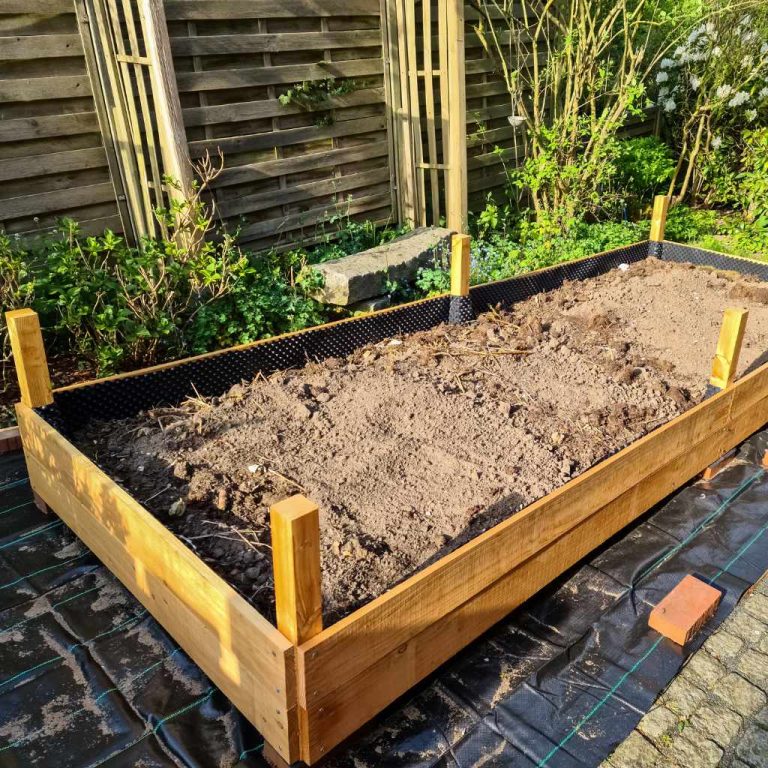
Construction: When working with wood, you’ll need to cut the wood to the right sizes. Assemble the frame. Use screws or nails to secure the corners. For metal beds, you’ll often follow the instructions that come with the kit. Usually, this means assembling the sides and corners and securing them.
Make sure your structure is level and sturdy. If you’re building with wood, consider adding corner supports or braces for extra strength. It’s a great idea to line the inside of the bed with landscape fabric. This helps to prevent soil from draining through and can improve the bed’s lifespan.
Finishing Touches: For wood beds, you may choose to apply a sealant or stain to protect the wood from the elements. This will also enhance its appearance. Ensure the edges are smooth. This will prevent splinters. For metal beds, you may choose to add decorative elements like corner caps.
Fill the bed with a good mix of soil. Get ready to plant your favorite flowers or vegetables! Before you fill your garden bed with soil, make sure the area is level. This gives your plants a stable growing environment. Good preparation makes a better garden.
Soil Considerations
The soil you put into your raised garden bed is important for the health and growth of your plants. Good soil provides the nutrients, water, and drainage that plants need. Your choice of soil mix can make a big difference in how well your garden grows. Here’s what you need to know.
Soil Composition: A good soil mix typically consists of a combination of ingredients, including topsoil, compost, and other materials. Topsoil gives a base for the plants to grow. Compost adds nutrients and improves the structure of the soil. Other things can improve soil. These include peat moss or coco coir, which help with water retention and aeration.
The ideal soil mix is well-draining, which prevents the roots from sitting in water and rotting. It also provides enough air for the roots to breathe. This kind of soil mix gives plants everything they need to grow strong and healthy. Soil composition can be custom-made to match the plant’s needs.
Preparing the Soil: Before you add soil, make sure the bottom of your raised bed is ready. You might want to put down a layer of gravel for drainage. Then, you can add your soil mix in layers. Try to fill the bed to just below the top edge. This will allow for watering and mulching.
When you’re adding the soil, make sure you fill the bed evenly. This ensures that the soil has a good consistency throughout. After adding the soil, you can gently pat it down to settle it. This also gives your plants the best chance of thriving. Consider a soil test to make sure the soil is okay for your plants.
Ongoing Soil Care: To keep your soil healthy, add compost and other organic matter regularly. This will replenish the nutrients the plants use. Mulching can help retain moisture, suppress weeds, and regulate soil temperature.
Watch out for signs of soil problems, like compaction or poor drainage. You can solve those problems by aerating the soil or adding amendments. Healthy soil helps plants grow well. Proper care is key for your garden. This can help you have a productive and beautiful garden.
Frequently Asked Questions
Question: Is metal or wood cheaper for raised garden beds?
Answer: It depends. Wood can be cheaper upfront, but metal often lasts longer, making it more cost-effective over time. Consider both initial costs and long-term maintenance.
Question: How long do wood raised garden beds last?
Answer: It varies. Untreated wood may last only a few years. Treated wood, like cedar or redwood, can last many years, often 10-20, with good care.
Question: Are metal raised garden beds better for drainage?
Answer: Metal beds themselves don’t affect drainage. It’s the soil mix and the presence of drainage holes that do. Proper soil mix is crucial.
Question: What’s the best wood for a raised garden bed?
Answer: Cedar and redwood are great choices. They are naturally rot-resistant. Pressure-treated wood is also an option, but make sure it is safe for garden use.
Question: How do I prepare a metal raised garden bed for planting?
Answer: Make sure the metal bed is level and secure. Add drainage material if needed. Fill the bed with a good soil mix suitable for the plants you plan to grow.
Final Thoughts
Deciding between a Raised Garden Bed: Wood vs Metal Compared depends on what you want. Wood gives a classic look and offers easy customization. Metal brings durability and a modern feel. You should consider how long the bed will last, how much upkeep you can do, and what style you prefer. Both wood and metal beds have advantages. Knowing these can help you pick the best choice. Think about the look and feel you want to create in your garden.
Then choose a raised bed that suits your needs. Research the different types of wood and metal. Consider the soil you will use, and remember, a bit of planning goes a long way. Happy gardening!