Reciprocating Saw Vs Circular: Which Tool Reigns Supreme?
Have you ever found yourself staring at a hardware store shelf, wondering which saw is the right choice for your next DIY project? You’re not alone.
Choosing between a reciprocating saw and a circular saw can be confusing, especially when each tool promises unique advantages. Imagine the satisfaction of knowing you’ve picked the perfect tool for the job, saving time and effort. That’s exactly what this guide will help you achieve.
Whether you’re tackling a home renovation or embarking on a creative woodworking project, understanding the strengths and limitations of each saw can make all the difference. Dive in, and discover which saw is truly your perfect match!

Credit: www.youtube.com
Tool Design And Functionality
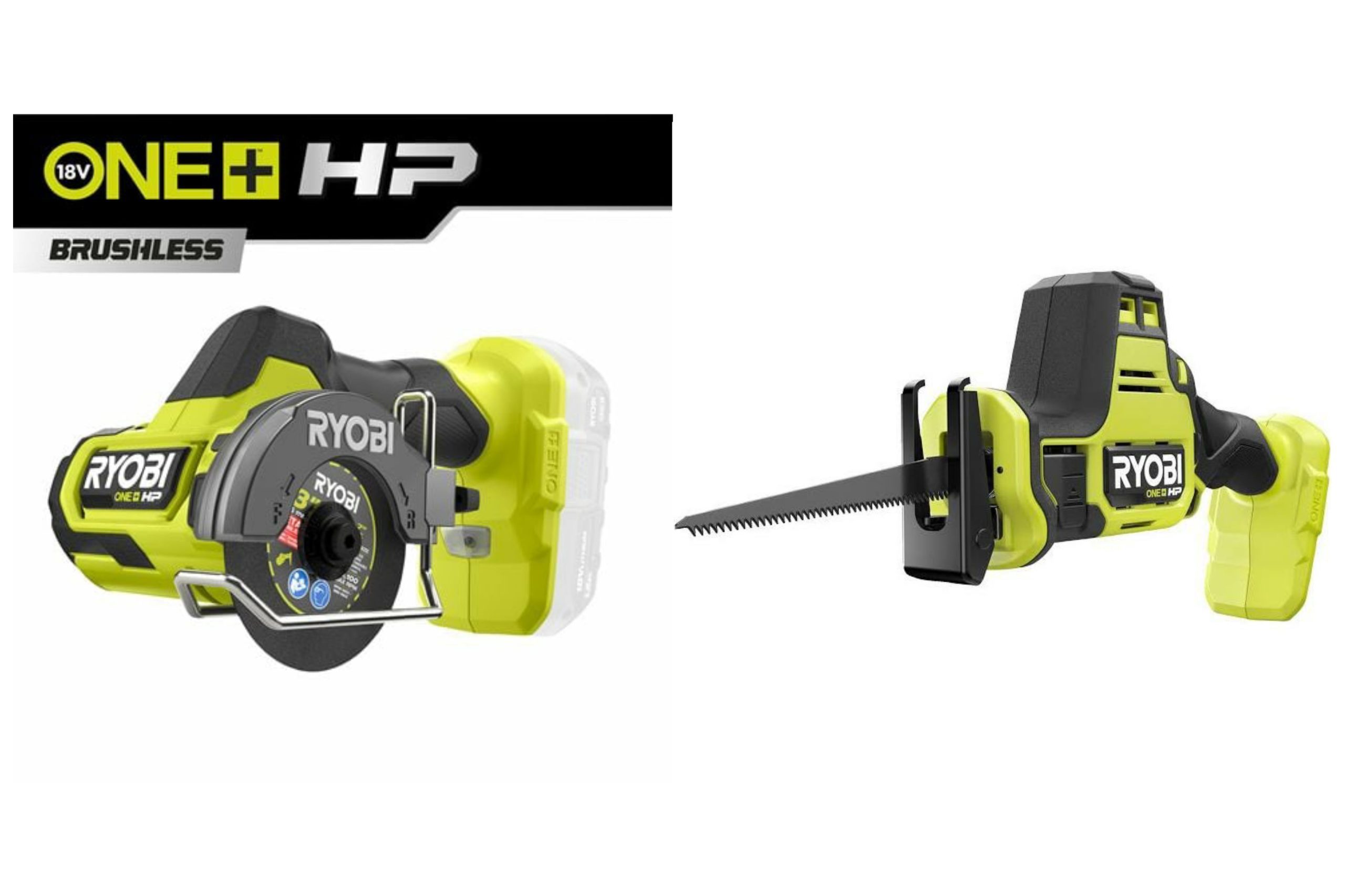
The reciprocating saw is a strong tool. It uses a back-and-forth motion. This motion helps cut through tough materials. It is perfect for demolition work. The blade moves fast. This makes cutting easy. It can cut wood, metal, and more. The design is handy. It can fit in tight spots. The grip is comfortable. The tool is easy to hold. It is safe to use.
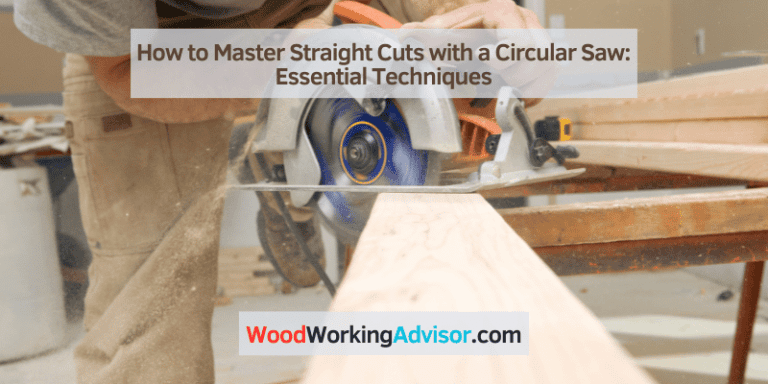
The circular saw has a round blade. It spins fast. This allows smooth cuts. It is great for straight lines. The saw is powerful. It can cut large pieces of wood. It is good for building. The tool is stable. It has a firm base. This helps with control. It is easy to guide. The handle is strong. The saw is safe and reliable.
Cutting Capabilities
Reciprocating saws cut many types of materials. They handle wood, metal, and plastic. These saws fit into tight spaces easily. Circular saws are ideal for wood and sheet materials. They struggle with metal and small spaces.
Circular saws offer more precision in straight cuts. They keep a steady line and are great for long cuts. Reciprocating saws are better for rough cuts. They are less stable and can shake during use.
Ease Of Use
The reciprocating saw is easy to hold. It is lightweight. Most users prefer it for small spaces. Its compact design makes it ideal for tight corners. The circular saw is heavier. It needs more space to operate. It is better for straight cuts. It requires more effort to handle. Both saws have advantages.
Setting up a reciprocating saw is simple. Users can change blades quickly. It is ready to use in minutes. The circular saw needs careful setup. Adjusting its blade is important. Safety checks take time. Its operation needs more focus. Both saws require protective gear. Always wear safety goggles. Each saw has unique features.
Safety Features
Reciprocating saws have special safety features. They often come with a lock-off switch. This feature stops accidental start-ups. The blade guard is another feature. It helps in keeping fingers safe. Always wear protective goggles when using these saws. They keep your eyes safe from flying debris. Ear protection is important too. The sound can be very loud. Wearing gloves can help. They offer better grip and protect your hands. Always read the manual before use.
Circular saws have blade guards too. The guard covers the blade when not cutting. This prevents accidents. A spindle lock is a feature many saws have. It helps when changing blades. Always use a sharp blade. Dull blades can be dangerous. Protective goggles and ear protection are important. They keep you safe from noise and debris. Check the saw’s cord before use. Make sure it is not frayed. Keep fingers away from the blade at all times.
Applications And Best Uses
Reciprocating saws are great for cutting through walls. They cut pipes and nails too. These saws are perfect for demolition jobs. Circular saws make clean, straight cuts. Builders use them for cutting wood and metal sheets. Circular saws are fast and precise. Both saws are useful on site. Each has a special purpose. Use the right saw for the job.
Reciprocating saws are handy for rough wood cuts. They fit tight spaces. Ideal for quick cuts on craft projects. Circular saws are perfect for making straight lines. They are best for large wood pieces. Woodworkers love their accuracy. Each saw has its place in crafting. Choose based on the project needs.
Cost And Value
Comparing cost and value, reciprocating saws offer versatility for demolition tasks, while circular saws excel in precise cuts. Reciprocating saws are generally cheaper, ideal for rough cuts, and convenient for tight spaces. Circular saws require more investment but provide accuracy and efficiency, suited for detailed woodworking projects.
Initial Investment
A reciprocating saw often costs less than a circular saw. The price varies based on brand and model. Reciprocating saws can be bought for under $100. Circular saws may start at around $150. Both tools might need extra accessories and blades. These add to the initial cost. Consider storage space too. Circular saws need more room. Reciprocating saws are easier to store. Think about what fits your budget. Compare prices before buying.
Long-term Value
Durability and usage affect long-term value. Reciprocating saws handle rough tasks. They cut through wood, metal, and more. Circular saws are precise. Great for straight cuts. Check the warranty when buying. It shows the tool’s quality. Reciprocating saws may need less maintenance. Circular saws might require blade replacements. Choose the tool that fits your needs. Both offer good value over time. Think about your projects and decide wisely.
User Preferences
Many professionals love the reciprocating saw for its versatility. It’s great for demolition work. Cutting through wood, metal, or plastic is easy. The saw is also compact. Fits into tight spaces well. Some experts prefer the circular saw for precise cuts. It excels in cutting straight lines. The circular saw is also faster on large sheets. Both tools have their unique strengths. Professionals choose based on the task.
DIY enthusiasts enjoy the reciprocating saw for its ease of use. It’s a good choice for home repairs. Great for small projects around the house. The circular saw is loved for its power. Perfect for building furniture or shelves. Many hobbyists find it handy for woodworking. Both tools are popular in workshops. Enthusiasts choose based on their projects.

Credit: www.youtube.com
Frequently Asked Questions
Which Is Better, Reciprocating Saw Or Circular Saw?
Reciprocating saws excel at demolition and cutting in tight spaces. Circular saws are ideal for straight, precise cuts on wood. Choose based on your project needs. Both saws have unique advantages and cater to different tasks. Consider power, ease of use, and versatility when deciding.
What Are The Disadvantages Of A Reciprocating Saw?
Reciprocating saws can cause fatigue due to vibration. They may offer less precision compared to other saw types. Limited battery life affects cordless models. They’re often noisy, requiring ear protection. Blade changes can be cumbersome without a tool-less system. Users must exercise caution to avoid accidental cuts.
Can I Use A Reciprocating Saw To Cut A Circle?
A reciprocating saw is not ideal for cutting circles. It is designed for straight cuts. For circular cuts, use a jigsaw or a hole saw. These tools provide better control and precision for rounded shapes. Always ensure proper safety measures while operating any power tools.
When Should You Not Use A Reciprocating Saw?
Avoid using a reciprocating saw near live wires or gas lines. Do not use it on hard materials like stone or concrete. Avoid using it in cramped spaces where you can’t control the tool. Never use it without proper safety gear.
Do not use it on delicate materials.
Conclusion
Choosing the right saw depends on your project’s needs. Reciprocating saws excel in demolition tasks. They cut through tough materials easily. Circular saws are ideal for precise, straight cuts. They are perfect for woodworking projects. Consider your comfort with each tool.
Think about the materials you’ll use. Both saws have their unique strengths. Match the saw to the job for best results. Always prioritize safety when using power tools. Ensure you have the right blade for the task. Making informed choices leads to successful projects.