Refinishing Prefinished Hardwood Floors: A Renewed Shine
Refinishing prefinished hardwood floors involves sanding the surface and applying a new finish. This process restores their original beauty and extends their lifespan.
Prefinished hardwood floors are a popular choice for homeowners due to their durability and ease of installation. Over time, however, these floors can show signs of wear, such as scratches and dullness. Refinishing them can breathe new life into your space.
It not only improves aesthetics but also protects the wood from further damage. The refinishing process requires careful preparation and the right tools to ensure a professional finish. Many homeowners may wonder if they should tackle this task themselves or hire a professional. Understanding the refinishing process can help you make an informed decision, ensuring your floors look stunning for years to come.
The Allure Of Prefinished Hardwood Floors
Prefinished hardwood floors offer remarkable durability. They withstand heavy foot traffic easily. Their surface finish protects gainst scratches and dents. This makes them ideal for busy homes.
The aesthetic appeal of prefinished hardwood floors is undeniable. Available in many colors and styles, they enhance any room. Homeowners love the rich textures and natural beauty.
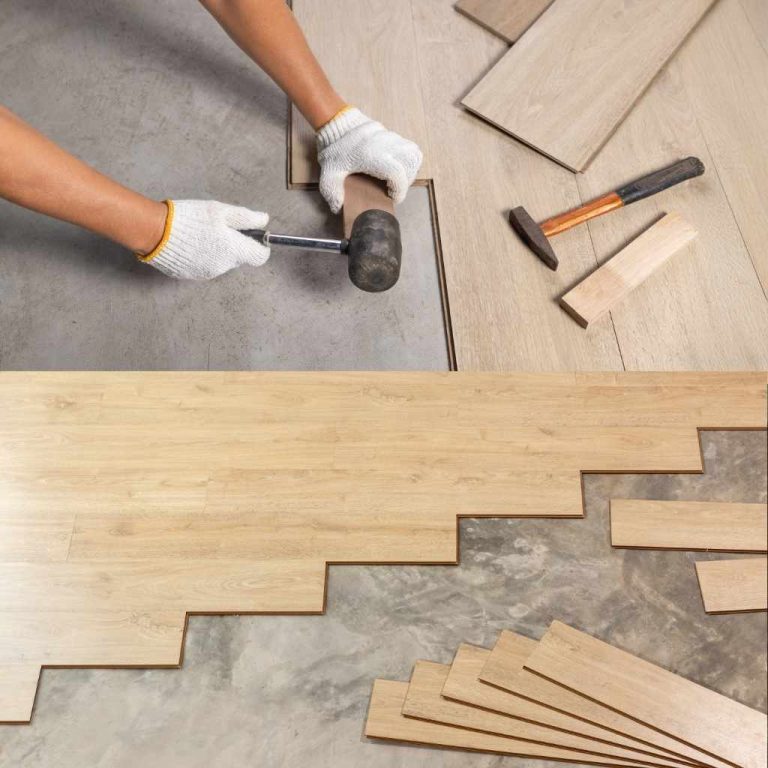
Ease of installation is a major benefit. Many prefinished options come with a simple click-lock system. This allows for quick and easy setup. No sanding or staining is required, saving time and effort.

Signs Your Prefinished Floors Need Refinishing
Visible scratches and dents can ruin the beauty of your floors. If these marks are deep, refinishing is necessary. Small scratches may be fixed with a simple polish.
Fading and discoloration occur due to sunlight and foot traffic. Areas exposed to light often show more wear. A refinishing treatment can restore the original color and shine.
Wear and tear over time is normal for hardwood floors. Look for dull spots or uneven surfaces. Refinishing helps protect the wood and extends its life.
Preparing For The Refinishing Process
Start by clearing the space around the floor. Move furniture, rugs, and decorations out of the way. This ensures a safe and open area for refinishing.
Next, focus on cleaning the surface. Sweep or vacuum the floor thoroughly. Make sure to remove any dust, dirt, or debris. A clean surface helps the refinishing product stick better.
Consider sanding carefully. Use a floor sander for even results. Start with a coarse grit to remove the old finish. Then, switch to a finer grit for a smooth surface. Sanding helps the new finish adhere well.
Choosing The Right Refinishing Products
Choosing the right refinishing products is essential for quality results. Several types of finishes are available. These include polyurethane, oil-based, and water-based options. Polyurethane offers great durability, while oil-based provides a warm glow. Water-based finishes dry quickly and have low odor.
Eco-friendly options are becoming popular. Look for finishes labeled as low-VOC or zero-VOC. These products are safer for people and the environment. They reduce harmful emissions during application.
Color matching is important for a seamless look. Test different shades on a small area first. This helps ensure the new finish matches the existing color. Always choose a finish that enhances the wood’s natural beauty.
The Step-by-step Refinishing Procedure
Sanding the Floors is the first step in refinishing. Use a drum sander for best results. Start with coarse grit sandpaper to remove the old finish. Progress to finer grits for a smooth surface. Always sand in the direction of the grain.
Applying the Stain adds color to the wood. Choose a stain that matches your style. Apply it evenly using a brush or cloth. Wipe off excess stain after a few minutes. Allow the stain to dry completely before moving on.
Sealing with Finish protects the wood. Use a polyurethane finish for durability. Apply the finish in thin coats. Sand lightly between coats for a smooth finish. Let each coat dry thoroughly before adding the next.
Professional Refinishing Vs. DIY
Professional refinishing</strong can be costly. It often requires skilled labor. DIY refinishing saves money but demands time and effort. Consider your skill level before starting.
Tools for DIY can add extra costs. Professionals bring experience and quality. Mistakes in DIY may lead to higher costs later.
| Aspect | Professional Refinishing | DIY Refinishing |
|---|---|---|
| Cost | Higher upfront cost | Lower upfront cost |
| Time | Less time required | More time needed |
| Skill | Requires no skill | Requires basic skills |
| Quality | High quality finish | Variable quality |
Consider your budget and skills carefully. Choose the best option for your needs.
Maintenance Tips Post-refinishing
Regular cleaning keeps your refinished hardwood floors looking great. Use a soft broom or a microfiber mop. Avoid water and harsh cleaners. They can damage the finish.
To prevent scratches, place doormats at entrances. Use furniture pads under heavy items. Avoid dragging furniture across the floor.
For long-term care, maintain a stable humidity level. Use a humidifier in dry seasons. Keep floors away from direct sunlight to prevent fading.
Common Mistakes To Avoid When Refinishing
Skipping sanding steps can lead to uneven finishes. Always sand between coats for a smooth result. This ensures the new finish sticks well.
Inadequate ventilation can trap harmful fumes. Open windows and use fans to keep air flowing. Proper airflow helps the finish dry evenly.
Rushing the drying process can ruin your hard work. Follow the manufacturer’s drying time guidelines. Patience leads to a beautiful and lasting floor.
The Impact Of Refinishing On Home Value
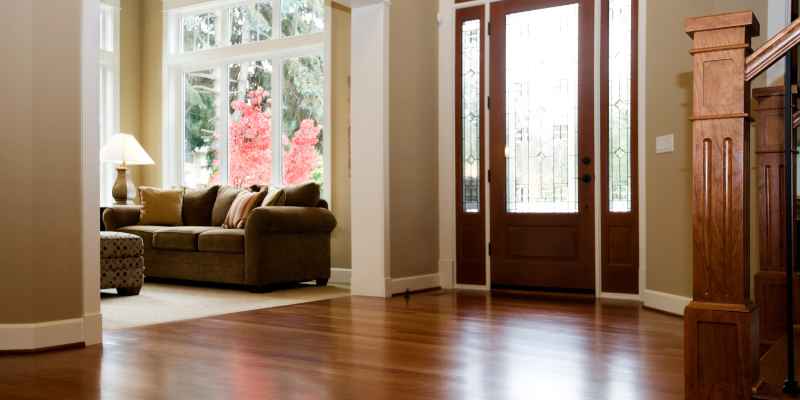
Refinishing prefinished hardwood floors can greatly enhance home value. It improves the aesthetic appeal of any room. A fresh finish makes floors look newer and more inviting.
Improving durability is another key benefit. A good finish protects floors from scratches and wear. This means the flooring lasts longer and stays beautiful.
The return on investment for refinishing is impressive. Homeowners often see increased property value. Many buyers prefer homes with well-maintained floors.
Troubleshooting Refinishing Challenges
Stains and spills can ruin your prefinished hardwood floors. Clean them quickly with a soft cloth. Use a mild cleaner that is safe for hardwood. Avoid harsh chemicals that can damage the finish.
Fixing uneven finishes is crucial. Sand the area lightly and apply stain or finish evenly. Always blend it with surrounding areas for a smooth look.
Bubbles and imperfections can appear after refinishing. Use a fine sandpaper to smooth them out. Reapply a thin layer of finish to fix the issue. Always ensure proper ventilation when refinishing.
Frequently Asked Questions
How Can I Refinish Prefinished Hardwood Floors?
Refinishing prefinished hardwood floors involves sanding down the existing finish and applying a new coat. First, clean the floor thoroughly. Then, use a drum sander for even results. Finally, apply a quality finish, such as polyurethane, to protect the wood and enhance its appearance.
Is Refinishing Prefinished Hardwood Floors Worth It?
Yes, refinishing prefinished hardwood floors is worth it for several reasons. It can restore the floor’s original beauty and extend its lifespan. Additionally, refinishing is often more cost-effective than replacing the entire floor. It enhances the overall aesthetics of your home while maintaining the wood’s quality.
How Often Should I Refinish My Hardwood Floors?
Generally, hardwood floors should be refinished every 7 to 10 years. However, this can vary based on usage and wear. High-traffic areas may need refinishing sooner. Regular maintenance, like cleaning and applying a protective finish, can extend the time between refinishing.
Can I Do It Myself Or Hire A Professional?
You can choose to refinish your floors yourself or hire a professional. DIY refinishing can save money but requires proper tools and skills. Hiring a professional ensures a high-quality finish and saves time. Consider your budget and experience before making a decision.
Conclusion
Refinishing prefinished hardwood floors can breathe new life into your space. It enhances beauty and durability while saving costs. Regular maintenance and the right techniques will ensure long-lasting results. Don’t hesitate to invest time in this rewarding process. Your floors deserve the best care to shine for years to come.