Hardwood Floor Scuff Repair: Fix Marks Without Refinishing
Most hardwood floor scuffs are surface-level and buff out with a microfiber cloth and a pH-neutral floor cleaner — only scuffs that cut through the finish layer need color-matched wood filler or a spot refinish. Using an all-purpose cleaner or steel wool can dull the finish further. This guide covers home remedies, commercial products, and how to tell when to call a pro.
Common Causes Of Scuffs
Best Floor Scuff Touch-Up Pick
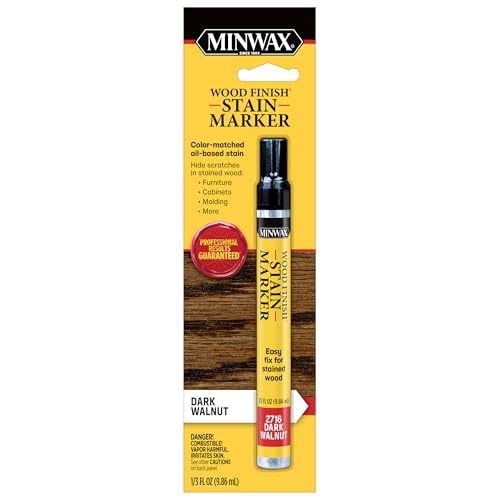 |
Minwax 63487000 Wood Finish Stain Marker for Touch Ups,Minwax | Our pick | $6.92
Price as of 20 Oct 2026
|
View |
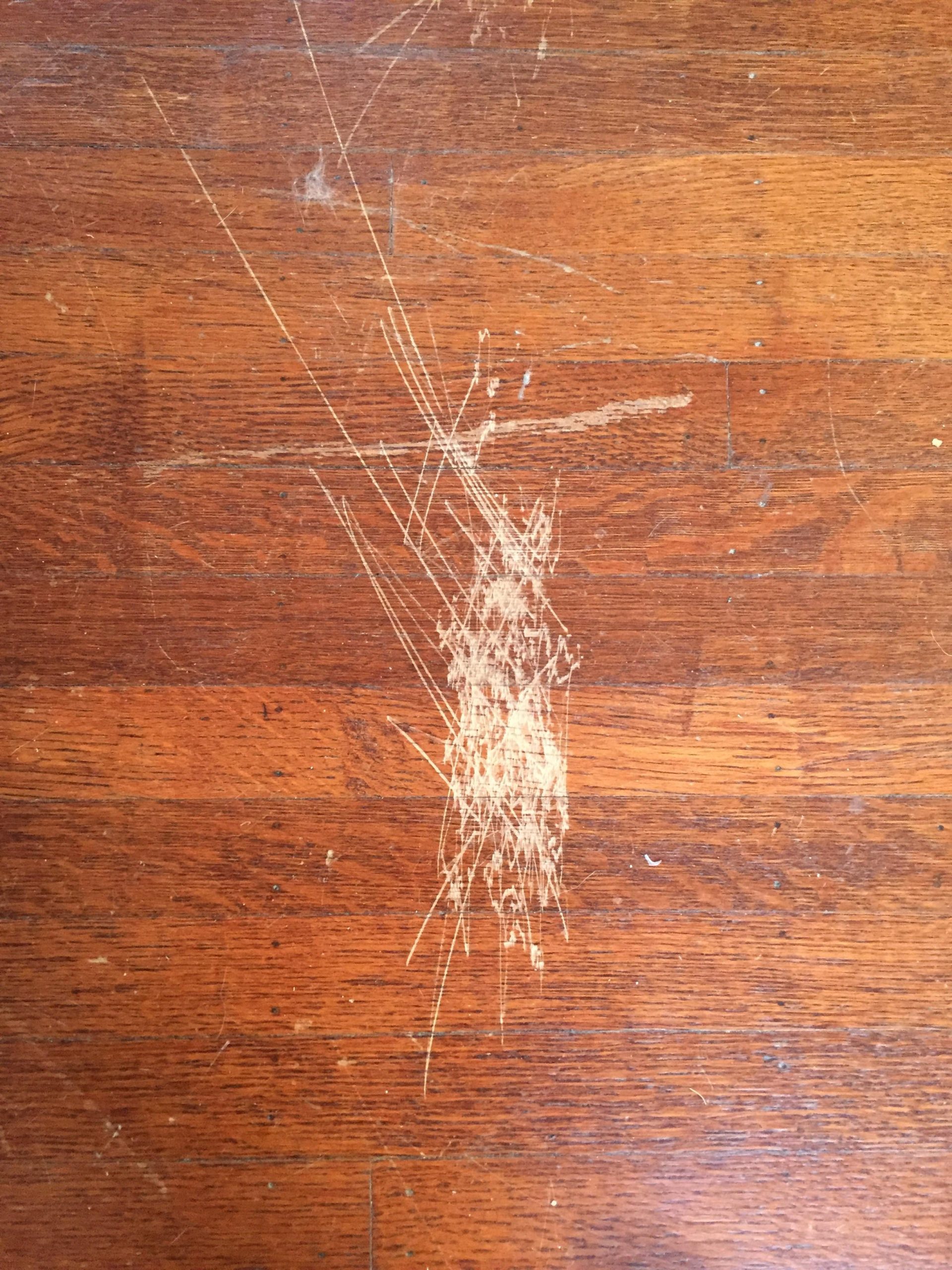
Most scuffs are actually rubber or synthetic-sole residue transferred onto the finish’s surface, not damage to the wood itself — which is exactly why so many “scuffs” wipe away with nothing more than a cleaning cloth once you know that. Furniture legs dragged rather than lifted are the most common source, since the friction and pressure both transfer sole or foot-pad material and can polish a dull streak into the finish’s sheen. Grit tracked in on shoe soles is a subtler but more damaging cause: a few grains of sand or dirt caught under a shoe act exactly like fine sandpaper with every step, which is why the marks in high-traffic entryway paths tend to be more numerous than anywhere else in the house. High heels concentrate a person’s full weight onto a fraction of a square inch, which is enough force on a soft heel tip to actually dent or burnish the finish rather than just leave surface residue.
Essential Tools And Materials
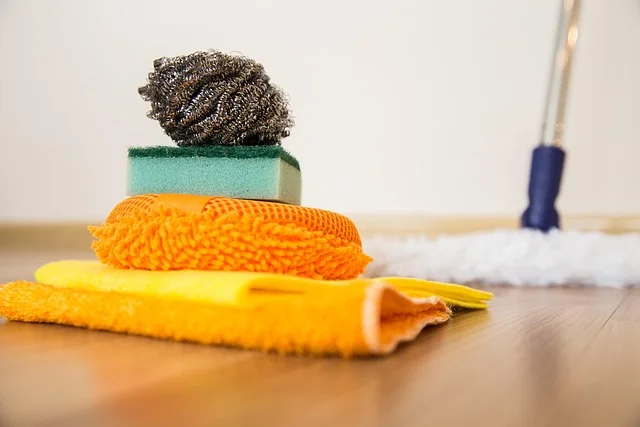
What you need depends entirely on whether the scuff sits on top of the finish or has actually broken through it — a distinction worth checking before gathering supplies. A microfiber cloth and a pH-neutral wood floor cleaner handle the first category, which is the vast majority of everyday scuffs, since microfiber’s fine synthetic fibers lift residue without the abrasive grit that a cotton rag or paper towel can carry. Fine-grit sandpaper (400+ grit, not the coarser grades used for refinishing) and a color-matched touch-up marker or wax fill stick are for the second category — scuffs that have actually cut into or through the finish layer down to bare or lighter wood.
Vacuuming the area before touching it with any cleaner or abrasive matters more than it sounds like it should: loose grit left on the floor gets ground into the finish by whatever cloth or pad you’re rubbing with, effectively adding new fine scratches while you’re trying to remove an old one. Rubber gloves are worth wearing with any chemical cleaner regardless of how mild the label claims it is, since repeated skin contact with cleaning solvents adds up over a whole-floor cleaning session.
Basic Cleaning Techniques
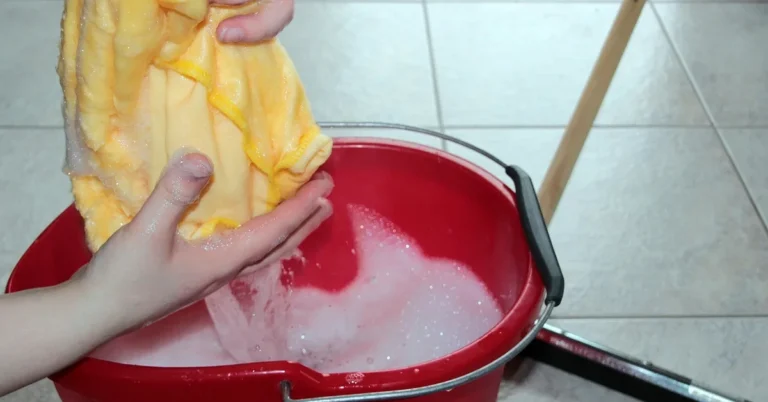
A layer of ambient dust sitting on top of a scuff actually makes it look worse than it is by scattering light unevenly across the mark, so a soft-bristle sweep followed by a damp (not wet) microfiber wipe is worth doing before assuming a scuff needs anything more aggressive — a surprising number “disappear” at this stage alone. A capful of pH-neutral dish soap in warm water is a safe general cleaner for hardwood; anything ammonia-based or an all-purpose spray cleaner risks dulling or hazing the finish with repeated use, since those formulas are designed for tile and laminate, not a film finish.
For a scuff that survives basic cleaning, a plain white pencil eraser (not a colored one, which can transfer its own tint) rubbed gently over the mark physically lifts a surprising amount of surface residue through simple friction — it’s essentially the same mechanism as erasing pencil from paper. A baking soda and water paste works similarly but with slightly more abrasive bite, so it’s better suited to a stubborn mark than a first attempt. A crayon matched to the floor’s tone can visually camouflage a spot that won’t fully lift, buffed in and wiped with a cloth — useful for a quick cosmetic fix, though it’s not a permanent repair the way refinishing the spot would be.
Home Remedies For Minor Scuffs
Beyond the eraser-and-baking-soda approach above, two other pantry items handle specific situations. Plain (non-gel, non-whitening) white toothpaste contains a very mild abrasive similar in function to baking soda paste, but its thicker, stickier texture makes it easier to control on a small, precise spot without the paste running or drying out mid-scrub — useful for a single isolated mark rather than a wider scuffed area.
A few drops of olive oil on a soft cloth works through an entirely different mechanism than the abrasive methods above: instead of buffing residue away, the oil temporarily fills in fine surface scratches and evens out light refraction across the scuffed area, which is why it can make a dull patch look glossy again almost immediately. That effect is cosmetic and temporary rather than a real repair, though, and oil left in excess can attract dust to the spot afterward, so wipe any residue off thoroughly rather than leaving a visible film.
Commercial Products For Scuff Removal
A purpose-made wood floor cleaner is formulated specifically to be pH-neutral and non-abrasive on a finish, which matters because it means you can use it more liberally than a household substitute without worrying about slowly dulling the sheen over repeated cleanings — the tradeoff pantry remedies like vinegar or toothpaste all carry to some degree. Match the cleaner to your finish type (polyurethane, oil, or wax) since a cleaner formulated for one can leave a hazy residue on another.
A dedicated scuff-eraser pad (essentially a fine synthetic abrasive block, gentler than steel wool but with more bite than a cloth) is worth keeping on hand specifically because it handles the middle ground between “wipes off with a cloth” and “needs sanding and refinishing” — a stubborn surface scuff that a cloth alone won’t lift usually responds to one of these without needing to escalate to sandpaper.
Repairing Deep Scuffs
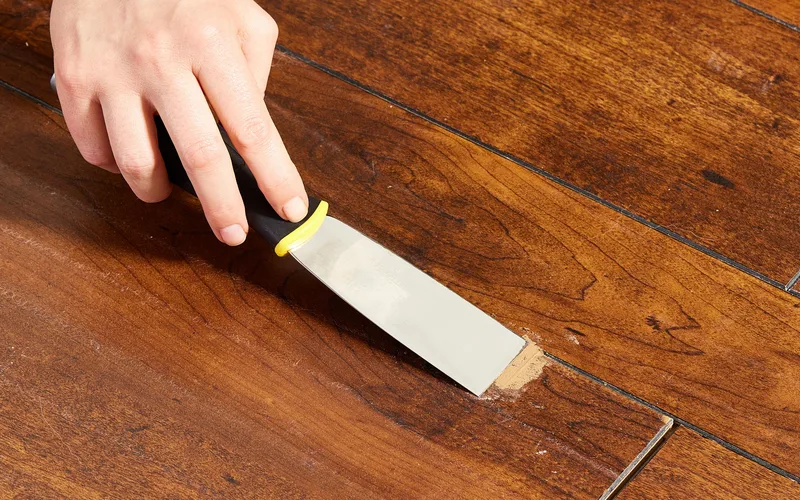
A deep scuff — one that’s actually gouged through the finish into bare wood, not just residue sitting on the surface — needs to be sanded, not just cleaned. Work with fine sandpaper (220-grit or finer) in small, light passes, checking the spot after every few strokes rather than sanding continuously; the goal is removing just enough finish and wood fiber to level the gouge, and it’s easy to oversand a small spot into a visibly different-textured patch if you don’t check progress often.
Once the spot is smooth, matching the stain color is the step that actually determines whether the repair is invisible or obvious — test the stain on scrap or an inconspicuous spot first, since bare wood in a small sanded patch often absorbs stain differently than the surrounding, already-sealed floor did originally. A thin sealer coat over the dried stain, feathered slightly into the surrounding finish rather than stopping at a hard edge, is what blends the repair’s sheen into the rest of the floor instead of leaving a visible patch of mismatched gloss.
Preventing Future Scuffs
Felt furniture pads under chair and table legs remove the specific mechanism that causes most scuffing in the first place — hard material dragging directly against the finish — by putting a soft buffer between the two. Adhesive-backed pads are the quickest to apply but wear out and need replacing periodically as the felt compresses and picks up grit; nail-on pads last longer on furniture that doesn’t move often but require actually driving a small nail into the leg.
A rug with a proper non-slip pad underneath protects the highest-traffic paths in a home (hallways, in front of a couch, entryways) from the grit-abrasion scuffing that furniture pads can’t address, since that damage comes from foot traffic, not furniture legs. The rug pad matters as much as the rug itself here — a rug without one can itself slide and scuff the floor underneath through the same friction mechanism it’s meant to prevent.
When To Call A Professional
A DIY spot repair reaches its limit at a few specific signs: a scuff or scratch deep enough that sanding it out would mean removing a visibly different amount of finish than the surrounding area (leaving a dished or uneven patch), any sign of water staining (a dark, often black-edged discoloration that means moisture has reached the wood itself, not just the surface), or scuffing widespread enough across a whole room that spot-treating every mark individually would take longer and look patchier than a professional screen-and-recoat. Water-stained wood in particular is worth a professional look specifically because dark staining that deep can indicate the start of rot or mold in the subfloor, which a surface repair does nothing to address.
Frequently Asked Questions
How To Fix Scuffs On Hardwood Floors?
To fix scuffs, first clean the area with a damp cloth. Then, gently rub the scuff with a tennis ball or an eraser. For deeper scuffs, use a wood floor cleaner or a touch-up pen. Finish by buffing the area with a soft cloth for a seamless look.
Can Vinegar Remove Scuff Marks From Floors?
Yes, vinegar can help remove scuff marks. Mix equal parts of water and vinegar. Dampen a cloth with this solution and gently rub the scuff mark. Wipe with a clean, dry cloth to remove any residue. This method is eco-friendly and effective for minor scuffs.
What Household Items Remove Floor Scuffs?
Household items like baking soda, tennis balls, and toothpaste can remove floor scuffs. Gently rub baking soda or toothpaste on the scuff with a damp cloth. A tennis ball can also be used to buff out scuffs. These methods are simple and use readily available items.
Do Scuff Marks Damage Hardwood Floors?
Scuff marks generally do not damage hardwood floors. They are surface-level marks caused by friction. While unsightly, they don’t penetrate the wood or affect its integrity. Regular cleaning and prompt treatment can prevent long-term visibility. Maintaining floors with proper care ensures a lasting finish.
Conclusion
Most scuffs come out with nothing more than a microfiber cloth and a proper wood floor cleaner — the mistake worth avoiding is reaching for an all-purpose cleaner or steel wool before trying the gentler option, since either can dull a finish that a scuff itself never actually damaged. Save sanding and stain-matching for scuffs that have genuinely broken through the finish, and put felt pads and a rug pad in the highest-traffic spots so fewer new scuffs show up between cleanings in the first place.
Sponsored / affiliate links. As an Amazon Associate I earn from qualifying purchases. I may earn additional commission from eligible campaigns.