How to Make Hardwood Floors Look New Without Sanding
To restore hardwood floors without sanding, deep-clean the finish first to remove wax buildup, then apply a mop-on floor restorer that fills light scratches and rebuilds shine in a single coat. This works because most dull-looking hardwood still has an intact finish underneath grime and micro-scratches — you’re not repairing bare wood, you’re recoating the topcoat.
Sanding is only necessary when the finish has worn through to raw wood in high-traffic spots. If yours still beads water, this no-sand method below will get you most of the way to a refinished look in an afternoon.
Clean First: What’s Actually Causing the Dullness
Best No-Sand Floor Restorer
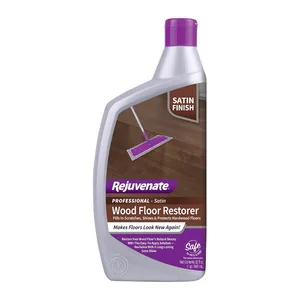 |
Rejuvenate Wood Floor Restorer – $16.61 This is the mop-on restorer the method above is built around — it fills light scratches and rebuilds shine in one coat, no sanding involved.
|
Dull-looking hardwood is more often a buildup problem than a wear problem: oil soaps, wax-based cleaners, and residue from generic all-purpose sprays accumulate in a thin hazy film on top of the actual polyurethane or wax topcoat over months of well-meaning cleaning, and that film — not scratched-through finish — is what scatters light and reads as “dull” in most rooms. Adding more polish on top of that haze usually makes it worse, since it’s layering more residue rather than removing what’s already dulling the surface, which is why the first real step is a proper strip-clean rather than another coat of shine product. A pH-neutral hardwood-specific cleaner, or a diluted vinegar-and-water mix for a natural option, cuts through built-up residue without leaving its own film behind the way an oil soap can with repeated use.
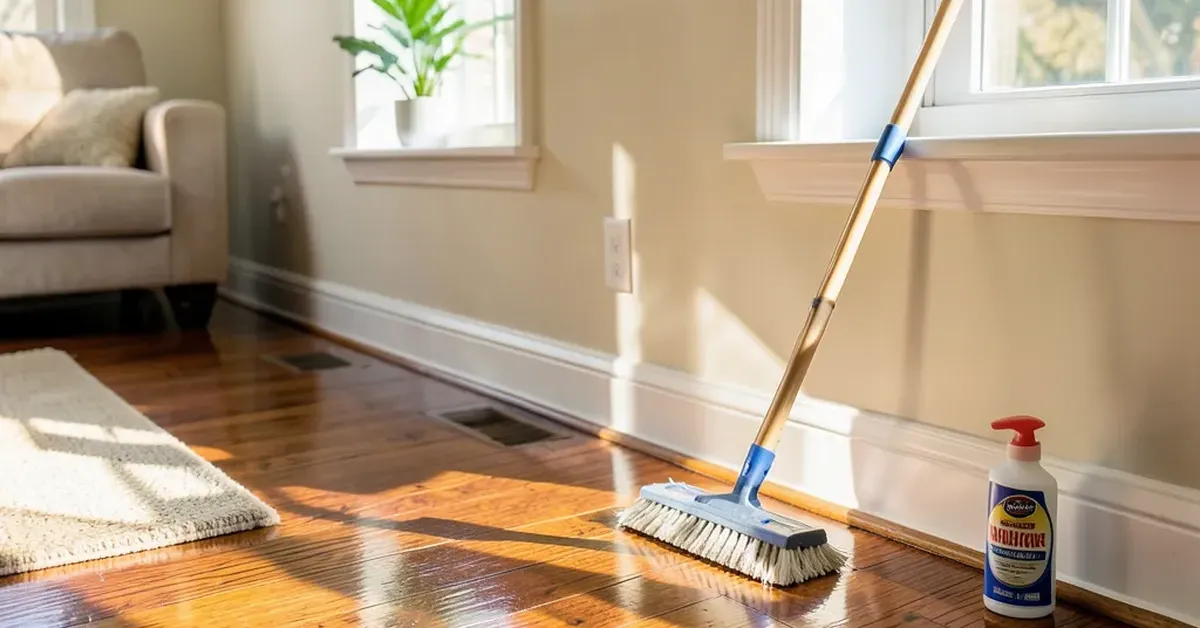
Apply the cleaner with a well-wrung, barely-damp mop rather than a wet one — standing water or a heavily saturated mop can seep into the seams between boards and cause cupping over time, and a steam mop is worse for the same reason, since it forces moisture directly into the finish and seams under pressure. Warping from excess moisture is a real risk with any wet-mopping method, so dry the floor promptly with a clean cloth or let it air-dry with good ventilation rather than closing the room up while it’s still damp.
Fixing Scratches and Dents Without Sanding
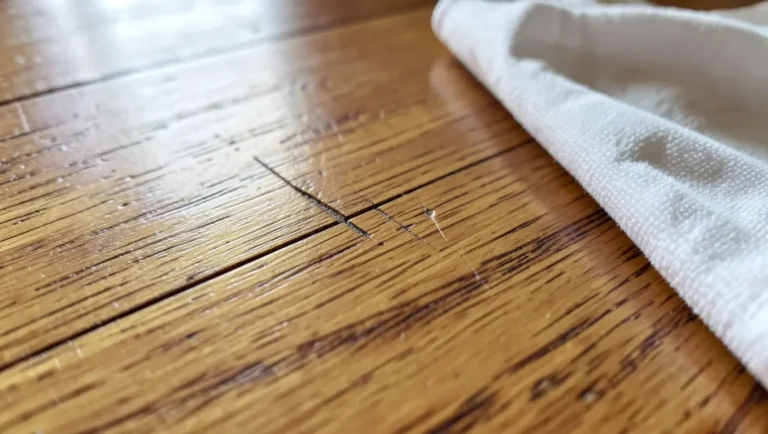
For light surface scratches that haven’t cut through the finish, a wood-tone touch-up marker or wax crayon matched to the floor color fills the scratch’s visual line without touching the surrounding finish — rub it in gently, then buff with a soft cloth to blend the edges, repeating for deeper scratches until the color reads even under normal light. This works because you’re filling a cosmetic gap in the color, not repairing the wood structurally, so it’s purely a surface fix rather than a durable structural repair.
The classic wet-cloth-and-iron trick for raising a dent (laying a damp cloth over the spot and pressing a hot iron on top to steam the wood fibers back up) only works on bare, unfinished wood, since the steam needs to reach and swell the actual wood fibers directly. On a floor with an intact polyurethane or varnish topcoat, that coating blocks the steam from penetrating to the wood underneath, so the trick won’t do much through a finished surface — it’s really a technique for raw wood before finishing, not a fix for a dent in an already-finished floor. A shallow dent in finished flooring is usually better addressed cosmetically with the same touch-up marker approach, or left alone if it’s minor, rather than risking heat damage to the existing finish for a technique that won’t work through it anyway.
How a Mop-On Floor Restorer Actually Works
Products like the one above are essentially a thinned acrylic or urethane resin suspended in a cleaning solution: as it’s mopped on and dries, the resin bonds to the existing topcoat and cures into a fresh, thin film that fills light surface scratches and restores an even sheen across the whole floor, rather than removing and replacing the old finish the way sanding and refinishing does. That’s exactly why it works so well on the “dull but not worn through” floors this whole method targets, and exactly why it won’t do much for a spot where the original finish has already worn away to bare wood — there’s no intact topcoat left for the new resin layer to bond to and build on, and a restorer applied over bare wood usually looks patchy and uneven compared to the surrounding finished areas.
Maintaining the Refreshed Look
Weekly maintenance is simple: a soft-bristle broom or a microfiber dust mop picks up grit without scratching, and if you vacuum, skip the beater-bar setting most vacuums default to for carpet, since the spinning brush can scuff a hardwood finish. Felt pads under furniture legs and rugs or mats at entryways cut down on the two biggest sources of everyday scratching — dragged furniture and tracked-in grit — more effectively than any cleaning routine can undo after the fact.
Once a month, a deeper clean with a proper hardwood floor cleaner (not a carpet cleaner formulated for a different surface) mopped in the direction of the wood grain and dried promptly keeps the floor from re-accumulating the residue haze covered above, and it’s the right time to check for any new scratches worth touching up with a marker before they multiply. Kept up consistently, that routine maintenance is what actually determines how long the restorer’s fresh shine lasts before another application is needed.
Frequently Asked Questions
How Can I Make My Old Wood Floors Look Better Without Sanding?
Deep-clean to remove wax and residue buildup, then apply a mop-on floor restorer to fill light scratches and rebuild an even shine over the intact existing finish. Area rugs over the most-worn traffic spots and a consistent cleaning routine afterward keep the refreshed look going longer.
How To Make Old Hardwood Floors Look New Again?
If the finish is still intact and just dull or lightly scratched, a deep clean followed by a mop-on restorer gets most of the way there without sanding. Sanding and refinishing is only necessary once the topcoat has actually worn through to bare wood in traffic areas, which a restorer can’t fix on its own.
Is Murphy’s Oil Soap Good For Hardwood Floors?
It cleans effectively, but like other oil-based soaps it can leave a residue film with repeated use over months, which is part of what causes the dull haze this guide addresses. If you use it regularly, plan on an occasional deeper strip-clean to remove that buildup before it dulls the finish.
How Do You Revive A Wood Floor Without Refinishing It?
Clean thoroughly with a pH-neutral hardwood cleaner to strip residue buildup, then apply a one-coat mop-on wood floor restorer to rebuild shine and fill light scratches over the existing finish. Regular dust-mopping and felt furniture pads afterward help the refreshed look last.
Conclusion
Most dull hardwood floors don’t need sanding — they need the residue buildup stripped off and a fresh thin coat of resin bonded back onto an otherwise intact finish, which is exactly what a proper deep clean followed by a mop-on restorer accomplishes in an afternoon. Save sanding and refinishing for floors where the topcoat has genuinely worn through to bare wood; everything short of that responds well to the no-sand method above.
Sponsored / affiliate links. As an Amazon Associate I earn from qualifying purchases. I may earn additional commission from eligible campaigns.