
Sam Maloof Woodworking Philosophy: Crafting Elegance
Sam Maloof’s woodworking philosophy emphasizes the importance of craftsmanship and the beauty of natural materials. He believed that functional art should evoke emotion and connect with the user.
Sam Maloof, a revered woodworker, shaped the American craft movement with his innovative designs and techniques. His work showcases a deep appreciation for the natural beauty of wood, blending functionality with artistry. Maloof’s furniture not only serves a purpose but also tells a story through its craftsmanship.
He focused on creating pieces that are comfortable, inviting, and visually striking. By prioritizing quality and personal expression, Maloof inspired countless artisans. His legacy continues to influence woodworkers today, reminding them that every piece should resonate with the user, creating a lasting emotional connection.
The Essence Of Sam Maloof’s Woodworking
Sam Maloof’s woodworking style reflects his unique vision. His early influences shaped his craft significantly. Growing up, he admired the beauty of natural materials. He learned from traditional techniques and applied them with his own twist.
Maloof emphasized the importance of form and function. His pieces often blend art and practicality. This approach made his furniture not only beautiful but also usable. His signature style features smooth curves and organic shapes.
Each piece tells a story, showcasing Maloof’s passion for craftsmanship. He believed in making furniture that connects with people. This philosophy continues to inspire woodworkers today.
Fundamentals Of Maloof’s Craft
Sam Maloof emphasized the importance of choosing the right materials. He often used hardwoods like oak and walnut. These woods are strong and beautiful. Maloof believed that the grain patterns add character to the piece.
His tools of the trade were essential for creating his unique designs. Maloof used both hand tools and power tools. Each tool played a specific role in achieving his vision. He favored tools that allowed for precision and control.
Sam Maloof’s approach to woodworking is a blend of tradition and innovation. His craftsmanship reflects a deep respect for both the material and the process. This philosophy has influenced many woodworkers today.
Design Principles
Sam Maloof believed that true beauty in woodworking comes from function. His motto, “form follows function,” emphasizes that design should serve a purpose.
Each piece of furniture tells a story through its shape. A well-designed chair or table is not just beautiful; it is also practical. This philosophy drives craftsmen to create items that are both stunning and useful.
The beauty of joints is another key aspect of Maloof’s work. Joints should not only connect pieces but also enhance the overall look. Maloof used unique joints to showcase skill and artistry.
These techniques create a lasting appeal. They invite people to appreciate the craftsmanship involved. Each joint tells a part of the story behind the piece.
Maloof’s Approach To Crafting Chairs
Sam Maloof is famous for his unique approach to woodworking. His rocking chairs are true masterpieces. Each chair combines ergonomics and art in a stunning way. Maloof focused on comfort, ensuring users felt relaxed.
His designs often feature smooth curves. This creates a feeling of flow and elegance. The wood he used was of the highest quality. Maloof believed that the material must match the craftsmanship.
Every rocking chair tells a story through its details. Handcrafted elements make each piece special. It’s not just furniture; it’s a work of art. Each chair invites people to sit and enjoy.
Sculpting Wood: Techniques And Processes
Sculpting wood requires skill and patience. Artists use different techniques for shaping and curving. Tools like chisels and gouges help create unique forms. The right angle makes a big difference in the outcome.
Sanding is key for a smooth finish. Start with rough sandpaper, then move to finer grades. This process removes imperfections and prepares the wood for finishing.
Finishing enhances the wood’s natural beauty. Options include oils, varnishes, and lacquers. Each finish offers a different look and level of protection. Choose a finish that fits the style of your project.
Legacy And Influence
Sam Maloof’s woodworking philosophy has left a lasting mark. His designs blend functionality and artistry. Many admire his ability to create beautiful, yet practical pieces.
The Maloof Foundation for Arts and Crafts inspires new artists. This organization promotes craftsmanship and creativity in woodworking. Workshops and events allow people to learn from experts.
Future generations look up to Maloof’s dedication. His work encourages innovation in woodworking. Many young artisans strive to follow his path.
| Key Aspects of Maloof’s Influence | Description |
|---|---|
| Craftsmanship | Focus on skill and detail in woodworking. |
| Design | Combines beauty with practical use. |
| Teaching | Encourages sharing knowledge through workshops. |
Maloof In Museums
Sam Maloof’s work is featured in many prestigious museums. His unique style captures the essence of craftsmanship. Museums showcase his innovative designs and artistic vision. Notable institutions include the Smithsonian American Art Museum and the Los Angeles County Museum of Art.
Permanent collections display his iconic furniture pieces. These pieces reflect natural beauty and functional art. They inspire both visitors and future artisans.
| Exhibition/Award | Year |
|---|---|
| Gustav Stickley Award | 1972 |
| Gold Medal from the American Craft Council | 1985 |
| Exhibition at the Metropolitan Museum of Art | 2000 |
Living With Maloof’s Creations
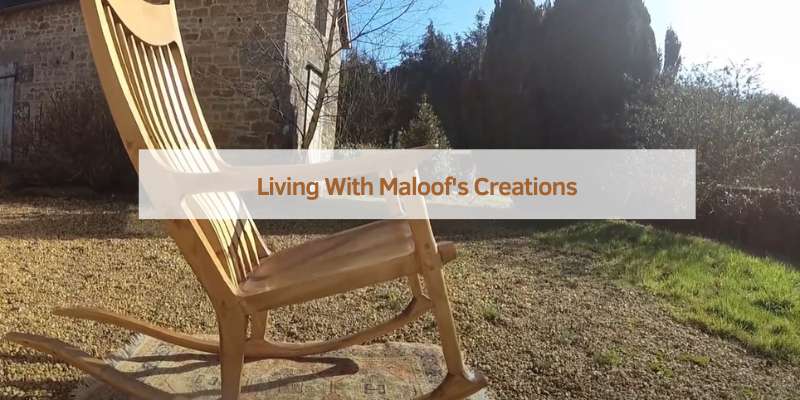
Living with Sam Maloof’s creations brings joy to many. His work blends art and functionality beautifully. Each piece tells a unique story. Maloof’s designs often use natural materials. This creates a warm and inviting atmosphere.
Many owners share how his pieces enhance their homes. They feel a connection to craftsmanship. Some families pass down these treasures through generations. Others find inspiration in the simplicity of his style.
Integrating Maloof’s work into modern homes is easy. His designs fit various decor styles. From minimalist to traditional, his pieces shine. They add a touch of elegance and history. Collecting Maloof’s work becomes a passion for many.
Frequently Asked Questions
What Is Sam Maloof’s Woodworking Philosophy?
Sam Maloof’s woodworking philosophy centers on craftsmanship and individuality. He believed that every piece of furniture should reflect the maker’s personality and creativity. Maloof emphasized the importance of using quality materials and traditional techniques. His approach harmonizes functionality with aesthetic beauty, making each creation a work of art.
How Did Sam Maloof Influence Woodworking?
Sam Maloof significantly influenced woodworking by popularizing the sculptural style of furniture design. His unique techniques and attention to detail inspired many artisans. Maloof’s emphasis on organic shapes and ergonomic comfort changed how furniture is perceived. His legacy continues to inspire new generations of woodworkers and designers.
What Techniques Did Sam Maloof Use?
Sam Maloof employed various techniques, including hand shaping and joinery. He often used a bandsaw for initial cuts, followed by hand tools for refinement. Maloof was known for his signature finish, which combined oils and wax for a smooth touch.
His methods prioritize craftsmanship and enhance the beauty of the wood.
Why Is Maloof’s Furniture Considered Iconic?
Maloof’s furniture is iconic due to its unique blend of form and function. His designs showcase organic lines and a sculptural quality that captivates viewers. Each piece is crafted with meticulous attention to detail, making it both visually appealing and comfortable.
This combination sets his work apart in the woodworking community.
Conclusion
Sam Maloof’s woodworking philosophy emphasizes craftsmanship, simplicity, and a deep connection to nature. His unique approach inspires both artisans and enthusiasts. By prioritizing quality over quantity, Maloof created timeless pieces that resonate with many. Embracing his principles can elevate your own woodworking journey, fostering creativity and a lasting appreciation for the craft.