Should You Undercoat MDF: Essential Tips Revealed
Are you staring at a stack of MDF boards, wondering if undercoating is really necessary? You’re not alone.
Many DIY enthusiasts and home decorators find themselves asking this very question. MDF, or Medium Density Fiberboard, is a popular choice for furniture and home projects due to its affordability and smooth finish. But, when it comes to painting or finishing MDF, things can get a bit tricky.
You might be tempted to skip the undercoating step, thinking it’s just an extra hassle. However, this decision could make or break the look and longevity of your project. Curious about why undercoating MDF is crucial and how it can transform your DIY project? Stick around. This article will reveal the secrets of undercoating MDF and why it should never be overlooked.
Benefits Of Undercoating MDF
Undercoating MDF makes it stronger. It helps the MDF last longer. Scratches and dents are less likely. This means your MDF pieces stay nice.
Undercoating gives MDF a smoother finish. Paint or varnish looks better. The color shines bright. Your furniture or art will look amazing.
MDF can get wet easily. Undercoating helps it stay dry. The coat stops water from soaking in. This keeps the MDF safe from damage. Perfect for bathrooms and kitchens.
Credit: www.homebuilding.co.uk
Common Mistakes To Avoid
Undercoating MDF prevents moisture damage and paint absorption issues. Skipping this step leads to uneven finishes. Use a quality primer to ensure durability and smoothness.
Skipping Surface Preparation
Preparing the surface is very important. MDF needs a clean and smooth base. Dust and dirt can ruin the finish. Use a damp cloth to wipe the surface. Let it dry completely. Skipping this step can lead to bad results.
Using Incorrect Products
Not all products are suitable for MDF. Choose the right primer. Water-based primers are usually best. Oil-based can make MDF swell. Always read product labels. Avoid harsh chemicals. They can damage the material.
Applying Too Thick Or Thin Coats
The thickness of the coat matters. Too thick coats can lead to drips. Too thin coats may not cover well. Use a brush or roller for even application. Several light coats are better than one heavy coat. Allow each coat to dry. This ensures a smooth finish.
Choosing The Right Undercoat
Undercoats are important for MDF. They make the surface smooth. Oil-based undercoats are strong and last long. Water-based undercoats dry fast and are easy to clean. Shellac-based undercoats block stains well. Each type has its own benefits. Make sure to choose what fits your needs best.
Check if the undercoat matches your paint. Oil-based paints work with oil undercoats. Water-based paints go with water undercoats. Mixing them can cause problems. Ask a store helper if unsure. They can help you choose the right one.
Many brands offer good undercoats. Zinsser is popular for shellac-based options. Dulux has reliable oil-based choices. Behr offers water-based undercoats. Each brand has its own strengths. Try a small amount first to see if you like it.
Credit: mdfskirtingworld.co.uk
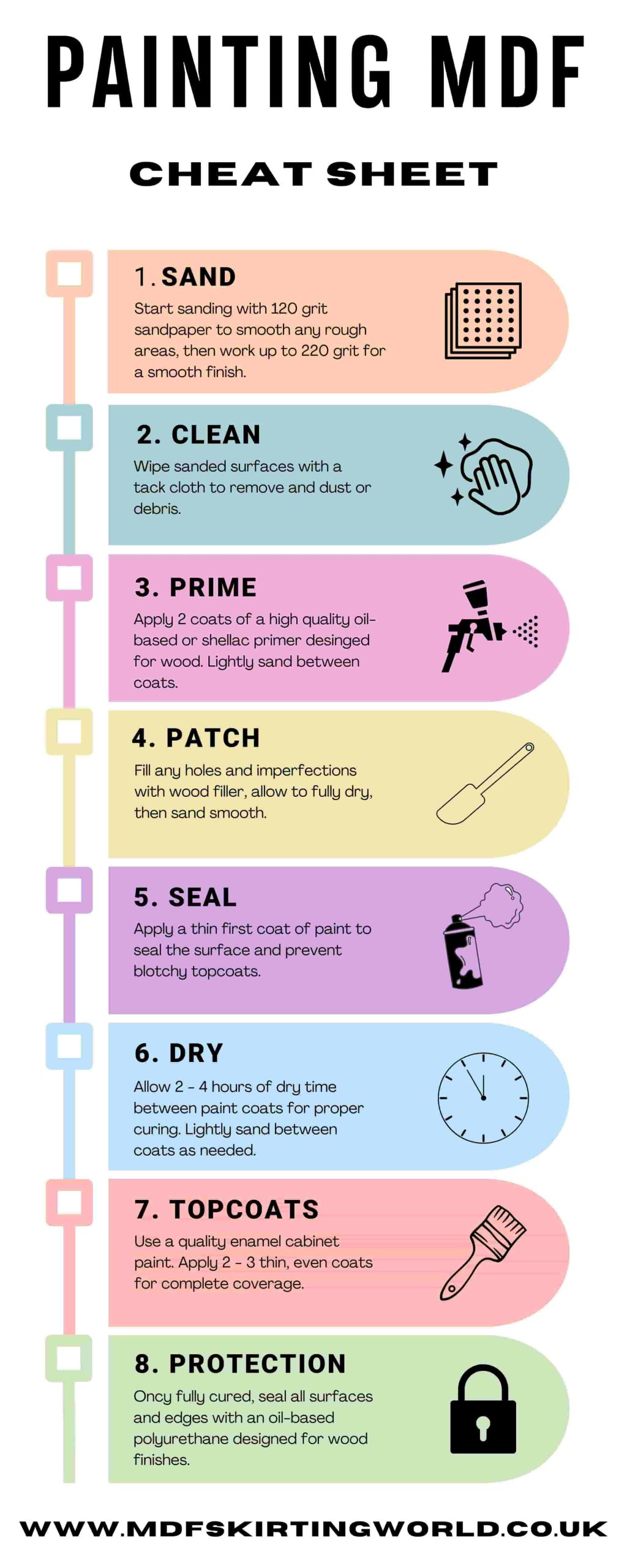
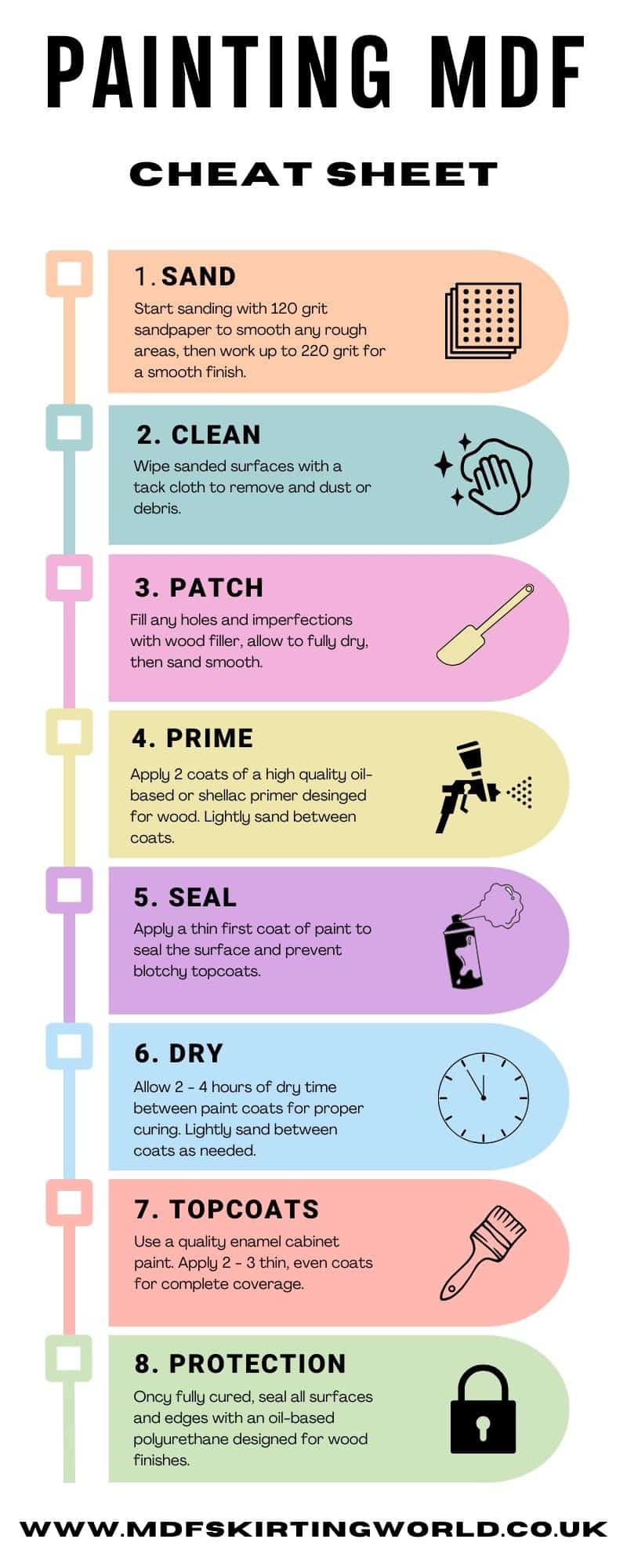
Step-by-step Undercoating Process
First, clean the MDF surface. Make sure it’s free from dust. Use a soft, damp cloth for this task. Smooth out rough edges with sandpaper. A light sanding will help the undercoat stick better. Be gentle and avoid pressing too hard. After sanding, wipe the surface again. This removes any leftover dust. A clean and smooth surface is key. It helps in achieving a great finish.
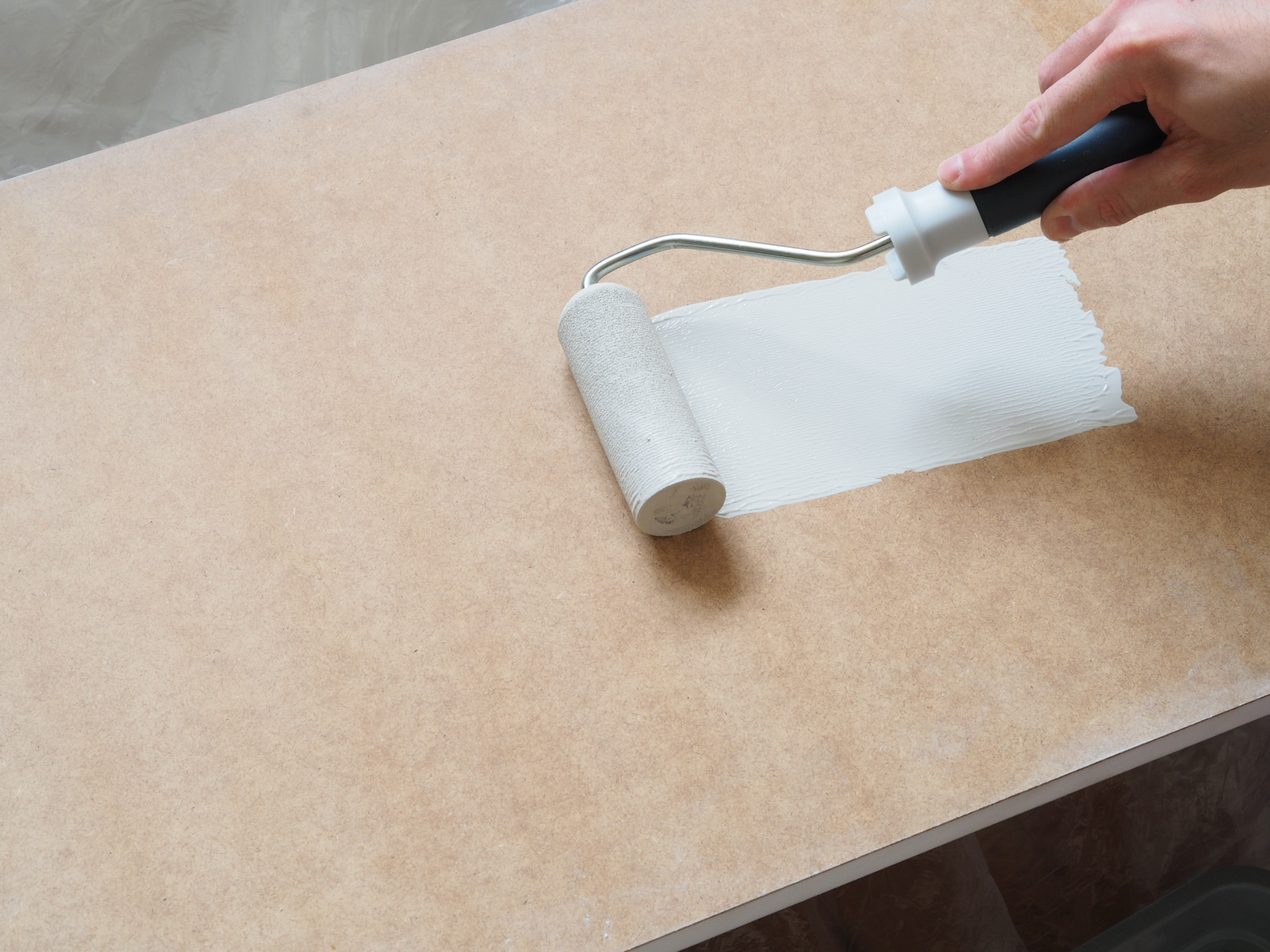
Choose a good quality undercoat for MDF. Use a paintbrush or roller to apply it. Start with thin, even coats. Cover the entire surface without missing spots. It might need a second coat. Wait for the first coat to dry before applying another. Make sure the undercoat is even. This will help the paint look smooth and nice.
Drying time is important. Allow the undercoat to dry completely. This can take a few hours. Check the label for specific drying times. Do not rush this step. Proper drying helps in a strong finish. Once dry, the MDF is ready for paint. Ensure the room is well-ventilated. This helps in faster drying and better results.
Cost Considerations
Buying MDF can be cheaper than buying real wood. Undercoating MDF can save money. It protects the surface. Paint lasts longer with undercoating. MDF looks better for a long time. This is a smart choice for tight budgets.
Undercoating MDF helps save money over time. It stops damage. MDF stays strong and neat. Less need for repairs. Saving money becomes easier. Fewer replacements. This means spending less in the future.
Expert Tips For Best Results
MDF needs a special touch. Undercoating is very important. It stops the paint from soaking in. Without it, the surface looks bad. Using the wrong undercoat can cause problems. Choose the right primer for MDF. Some people skip sanding. This is a big mistake. Sanding helps the undercoat stick well. Dust must be cleaned off too. Dust makes the paint job rough. Patience is key for a smooth finish.
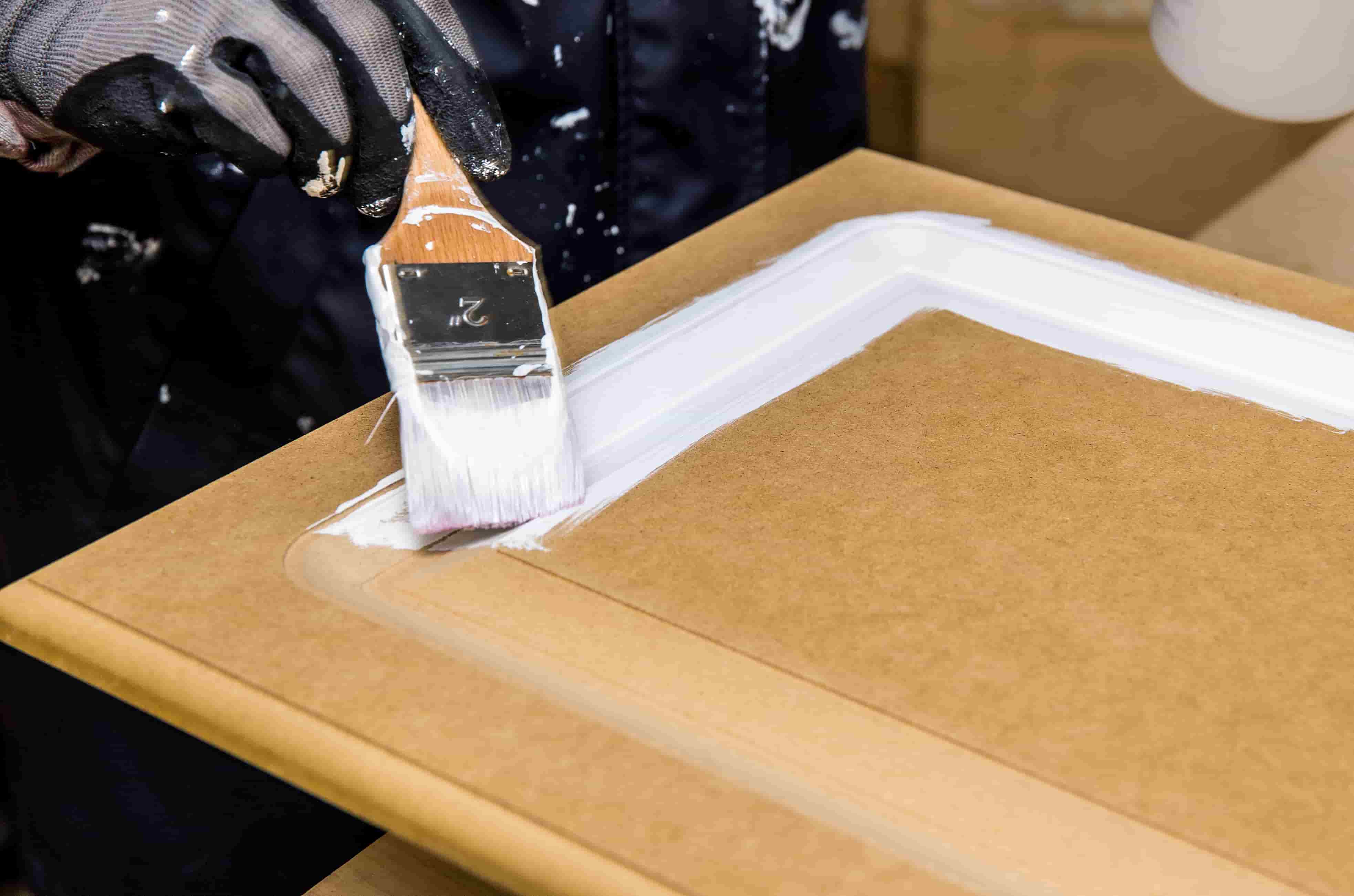
Use the right brushes and rollers. Small brushes help with edges. Rollers cover big areas fast. Primer should be applied in thin layers. Thick layers take longer to dry. They may also peel off. Sanding is needed between coats. It makes the next layer smooth. Always follow the drying times on the can. Rushing can spoil the job. Each tool has a role. Using them well gives the best results.
Credit: mdfskirtingworld.co.uk
Frequently Asked Questions
Do You Need Undercoat On MDF?
Yes, MDF requires an undercoat for better paint adhesion. Apply a primer to seal the surface and prevent moisture absorption. This enhances the finish and durability of the paint job. Choose a high-quality primer suitable for MDF to achieve optimal results.
Proper preparation ensures a smooth and long-lasting finish.
What Happens If You Paint MDF Without Primer?
Painting MDF without primer leads to uneven absorption and a blotchy finish. The paint may peel or chip easily. Primer ensures better adhesion and a smoother, longer-lasting result. Always use primer for a professional-looking finish on MDF surfaces.
Can I Leave MDF Unpainted?
Leaving MDF unpainted is not recommended. It absorbs moisture easily, leading to swelling and damage. Seal it with primer and paint to protect it from humidity and wear. Proper finishing enhances durability and appearance, ensuring long-lasting use.
Should I Prime Pre-primed MDF?
Yes, priming pre-primed MDF improves finish and durability. It seals surface imperfections and enhances paint adhesion. Choose a high-quality primer for best results. Ensure the surface is clean and dry before applying primer. Proper priming leads to a smoother and longer-lasting finish.
Conclusion
Undercoating MDF is wise for durability and finish. It shields MDF from moisture damage. Paint adheres better to a primed surface. Smooth application improves final look. Cost and time are minimal compared to future repairs. Consider it an investment in quality.
DIY projects benefit from this step, too. Undercoating ensures long-lasting results. Skip it, risk peeling or warping. Protect your work and enjoy a flawless finish. MDF projects deserve attention to detail. Careful preparation leads to success. Make undercoating a routine part of your process.
You’ll see the difference.