Signs of Mold Under Hardwood Floors: A Homeowner’s Guide to Detection and Prevention
Hey there! If you’re reading this, you might be worried about something lurking beneath your beautiful hardwood floors. I get it—those floors are a big investment, and the thought of mold hiding under them can feel like a punch to the gut. I’ve been there, staring at my own oak planks, wondering if something sinister was growing out of sight. Mold under hardwood floors is a sneaky problem, but it’s one you can tackle if you know what to look for. In this article, I’m going to walk you through the signs of mold under hardwood floors, why it happens, how to spot it, and what you can do to keep your home safe and your floors gorgeous. Let’s dive in and make sure your home stays healthy and mold-free.
What is Mold, and Why Does It Grow Under Hardwood Floors?
Mold is a type of fungus that loves dark, damp places. It’s like that uninvited guest who shows up and refuses to leave. Under your hardwood floors, mold finds the perfect hideout—moisture, warmth, and a lack of airflow create a cozy spot for it to thrive. Hardwood floors, while stunning, can trap moisture if there’s a leak, spill, or high humidity in your home. Maybe a pipe’s been dripping, or your basement’s a bit too humid. Over time, that moisture seeps into the subfloor, and mold starts to grow.
I learned this the hard way when I noticed a strange smell in my living room. It wasn’t until I pulled up a loose board that I saw the telltale signs of mold. It’s not just about aesthetics—mold can damage your floors and even affect your health. So, catching it early is key.
Common Signs of Mold Under Hardwood Floors
Spotting mold under your floors isn’t always easy since it’s hidden from view, but there are clues if you know where to look. Here’s what I’ve learned to watch for after dealing with this issue myself.
Musty Odors That Won’t Go Away
One of the first things I noticed was a damp, earthy smell in my home. It wasn’t strong at first, but it lingered, especially near my hardwood floors. Mold gives off a distinct musty odor, like wet socks left in a gym bag. If you catch a whiff of something odd, especially in one specific area, it’s a red flag. Try sniffing close to the floor or in corners where air doesn’t circulate well. That smell is often your first hint that mold might be hiding underneath.
Discoloration or Staining on the Floor
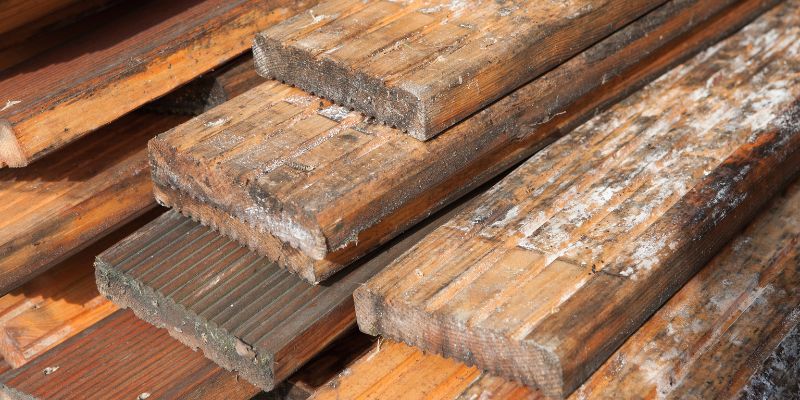
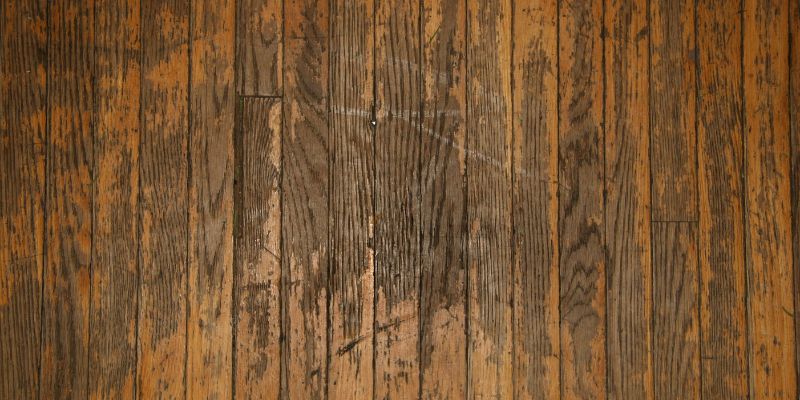
Have you ever noticed dark spots or stains on your hardwood? I thought the discoloration on my kitchen floor was just wear and tear at first. But when I looked closer, I saw uneven patches that didn’t match the wood’s natural grain. Mold can cause black, green, or even white stains on the underside of your floorboards or on the subfloor. If you see unusual discoloration, especially near areas prone to moisture like bathrooms or kitchens, it’s worth investigating.
Warping or Buckling Floorboards
Mold loves moisture, and moisture makes wood swell. When I started noticing some of my floorboards were lifting or curving upward, I knew something was wrong. Warping happens when water gets trapped under the floor, creating a perfect breeding ground for mold. If your floors feel uneven or look like they “
Cupping or Crowning of Wood
Cupping is when the edges of your floorboards curl up, creating a U-shape, while crowning is when the center bulges. I had a few boards in my dining room that started cupping, and it wasn’t just an eyesore—it was a sign of trouble. This happens when moisture gets trapped underneath, feeding mold growth. If you walk across your floor and feel a slight bounce or see raised edges, mold could be the culprit.
Allergic Reactions or Health Issues
Mold isn’t just bad for your floors; it can mess with your health too. I started sneezing more than usual, and my kids were complaining about stuffy noses. Mold spores can trigger allergies, asthma, or even respiratory issues. If you or your family are suddenly dealing with unexplained symptoms like coughing, watery eyes, or headaches, especially when you’re near the affected area, mold might be to blame.
Visible Mold Growth
Sometimes, mold isn’t shy. If you lift a loose floorboard or check under furniture, you might see fuzzy patches of green, black, or white. I found some in my basement when I moved a rug—ugly stuff! Visible mold is a clear sign you’ve got a problem, and it’s likely spread further than what you can see.
Causes of Mold Under Hardwood Floors
Understanding why mold shows up is just as important as spotting it. In my experience, it usually comes down to a few common culprits.
Excess Moisture and Humidity
Mold needs water to grow, plain and simple. In my home, high humidity in the summer was a big factor. If your home’s humidity is above 60%, mold can start to thrive. Basements, bathrooms, and kitchens are especially prone to this. A dehumidifier can help, but you’ll need to address the root cause, like poor ventilation or a leaky pipe.
Leaks and Water Damage
A slow leak from a pipe or appliance can wreak havoc. I had a dishwasher that was quietly dripping for months, and I didn’t notice until the damage was done. Even small spills, like from a pet’s water bowl, can add up if they’re not cleaned properly. Check under sinks, around appliances, and near windows for any signs of water damage.
Poor Ventilation
If air can’t circulate, moisture gets trapped. My basement had terrible airflow, which made it a mold magnet. Make sure your home has good ventilation, especially in damp areas. Fans, open windows, or even a proper HVAC system can make a big difference.
Subfloor Issues
The subfloor under your hardwood is often plywood or concrete, both of which can hold moisture. If your subfloor wasn’t properly sealed or if there’s no vapor barrier, mold can take hold. I learned this when I replaced part of my floor and saw how damp the subfloor was.
How to Confirm Mold Under Your Hardwood Floors
If you suspect mold, don’t panic—but don’t ignore it either. Here’s how I confirmed the problem in my home, step by step.
Inspect Visually
Start by checking for visible signs. Move furniture, lift rugs, and look for discoloration or warping. If you can, gently pry up a loose floorboard to peek underneath. I used a flashlight to check the subfloor in my living room and spotted mold right away.
Use a Moisture Meter
A moisture meter is a handy tool I wish I’d known about sooner. It measures the moisture content in your wood. Anything above 15% is a red flag. I bought one for about $20, and it helped me pinpoint problem areas in my home.
Hire a Professional
If you’re not sure what you’re looking at, call in an expert. I hired a mold inspector when the problem seemed bigger than I could handle. They used specialized tools like infrared cameras to detect hidden moisture and mold. It cost a bit, but it gave me peace of mind.
DIY Mold Testing Kits
You can buy mold testing kits at most hardware stores. I tried one, and it was pretty straightforward—swab a suspicious area and send it to a lab. Results came back in a week, confirming what I suspected. These kits are affordable, usually under $50.
Health Risks of Mold Under Hardwood Floors
Mold isn’t just a cosmetic issue; it can affect your family’s health. Here’s a quick breakdown of the risks I learned about.
| Health Risk | Symptoms | Who’s Most at Risk? |
|---|---|---|
| Allergic Reactions | Sneezing, runny nose, itchy eyes | People with allergies or asthma |
| Respiratory Issues | Coughing, wheezing, shortness of breath | Children, elderly, or those with lung conditions |
| Skin Irritation | Rashes or redness | Anyone exposed to mold spores |
| Toxic Mold Exposure | Headaches, fatigue, neurological issues | Rare, but serious with certain molds like black mold |
I was especially worried about my kids, who seemed to be sneezing more often. If you suspect mold, keep an eye on everyone’s health, especially if symptoms get worse when you’re home.
How to Prevent Mold Under Hardwood Floors
After dealing with mold myself, I’ve gotten serious about prevention. Here are the steps I take to keep it from coming back.
Control Humidity Levels
Keep your home’s humidity between 30-50%. I use a dehumidifier in my basement, and it’s been a game-changer. A hygrometer (about $10) can help you monitor levels.
Fix Leaks Immediately
Check pipes, appliances, and roofs regularly. I now inspect my dishwasher and washing machine every few months to catch any small leaks early.
Improve Ventilation
Open windows when you can, use exhaust fans in bathrooms and kitchens, and consider a whole-house ventilation system. I added a small fan in my basement, and it’s made a huge difference.
Seal Your Subfloor
If you’re installing new hardwood, make sure the subfloor is sealed with a vapor barrier. I wish I’d done this when I first moved in—it could’ve saved me a lot of trouble.
Regular Cleaning and Maintenance
Vacuum and mop your floors regularly, but don’t overdo it with water. I use a damp mop and dry the floor immediately to avoid trapping moisture.
What to Do If You Find Mold
If you’ve confirmed mold under your floors, don’t freak out. Here’s what I did to tackle it.
Contain the Area
Seal off the affected area to keep spores from spreading. I used plastic sheeting and tape to block off my living room while I worked.
Remove Affected Floorboards
If the mold is limited to a small area, you might be able to remove the damaged boards yourself. I pried up a few boards with a crowbar and replaced them, but it’s not always that simple.
Clean with Mold-Specific Products
Use a mold cleaner (like Concrobium) to scrub the affected area. I wore gloves and a mask to stay safe. Make sure the area is completely dry afterward.
Call a Professional for Large Infestations
If the mold has spread, don’t try to handle it alone. I called a remediation company when I found mold in my basement. They had the tools and expertise to get it under control.
Replace Damaged Materials
Sometimes, you need to replace parts of the subfloor or even the hardwood. I had to swap out a section of my floor, but it was worth it to save the rest.
My Personal Experience with Mold
I’ll never forget the day I found mold under my hardwood floors. It started with a faint smell in my living room, then I noticed a few warped boards. When I finally pulled up a section of flooring, I was shocked to see black patches on the subfloor. It was stressful, but it taught me a lot. I invested in a dehumidifier, fixed a small leak I hadn’t noticed, and now I check my floors regularly. If I can get through it, so can you.
Conclusion
Dealing with mold under hardwood floors can feel overwhelming, but it’s manageable if you catch it early. That musty smell, warped boards, or sudden allergies are all signs you shouldn’t ignore. By staying proactive—controlling humidity, fixing leaks, and checking your floors regularly—you can keep mold at bay and protect your home. I’ve been there, and I know how frustrating it can be, but taking action now can save you time, money, and stress. Your hardwood floors are worth it, and so is your family’s health. Keep an eye out, and don’t hesitate to call a pro if you need help. Here’s to a mold-free home and beautiful floors that last for years!
Frequently Asked Questions
Why does mold grow under hardwood floors?
Mold grows under hardwood floors because of moisture, warmth, and poor airflow. Leaks, high humidity, or spills can create the perfect environment for mold to thrive.
How can I tell if there’s mold under my floors without lifting them?
Look for signs like musty odors, warped or discolored boards, or unexplained allergies. A moisture meter or professional inspection can confirm it without removing boards.
Is mold under hardwood floors dangerous?
Yes, it can be. Mold can damage your floors and cause health issues like allergies or respiratory problems, especially for kids, the elderly, or people with asthma.
Can I clean mold under my floors myself?
For small areas, yes, with proper safety gear and mold-specific cleaners. But for large infestations, it’s safer to hire a professional to avoid spreading spores.
How can I prevent mold from coming back?
Control humidity with a dehumidifier, fix leaks quickly, improve ventilation, and seal your subfloor. Regular cleaning and inspections help too.