How to Keep Rugs From Slipping on Hardwood (For Good)
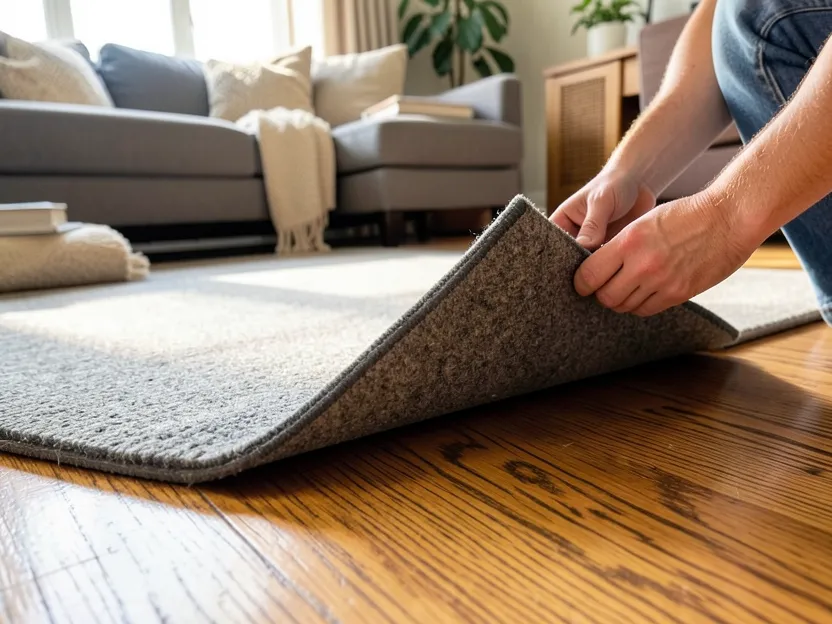
A rug slips on hardwood mainly because both surfaces are smooth and offer nothing for friction to grab — the fix is a rug pad with a rubber or rubber-and-felt underside, not tape or glue, which is a temporary patch at best and can damage the finish at worst.
Here’s what actually works long-term, what to avoid, and why “natural rubber” matters more than most rug pad descriptions let on.
Choosing the Right Rug Pad
Best Pick For Everyday Rug Slipping
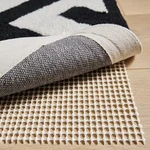 |
Gorilla Grip Slip-Resistant Rug Pad – $19.99 An open-grid rug pad that grips both the rug and the floor from underneath, rather than sticking to either surface — no adhesive residue to worry about later.
|
Rug pad material matters more than most people realize. Natural rubber grips aggressively and lasts years without breaking down, but cheap PVC pads can react with a finish over time, sometimes leaving a yellowed or sticky residue permanently bonded to the floor — which is why some flooring and finish manufacturers explicitly warn against certain plastic-backed pads in their warranty terms. Felt-and-rubber combination pads add cushioning on top of grip, which matters for comfort underfoot but doesn’t necessarily add more anti-slip performance than rubber alone.
Size the pad slightly smaller than the rug itself — roughly 1-2 inches in from the rug’s edge all around — so the pad doesn’t peek out and become a visible or trip-hazard edge. Most pads can be trimmed to size with scissors.
Why Tape and Glue Are the Wrong Fix
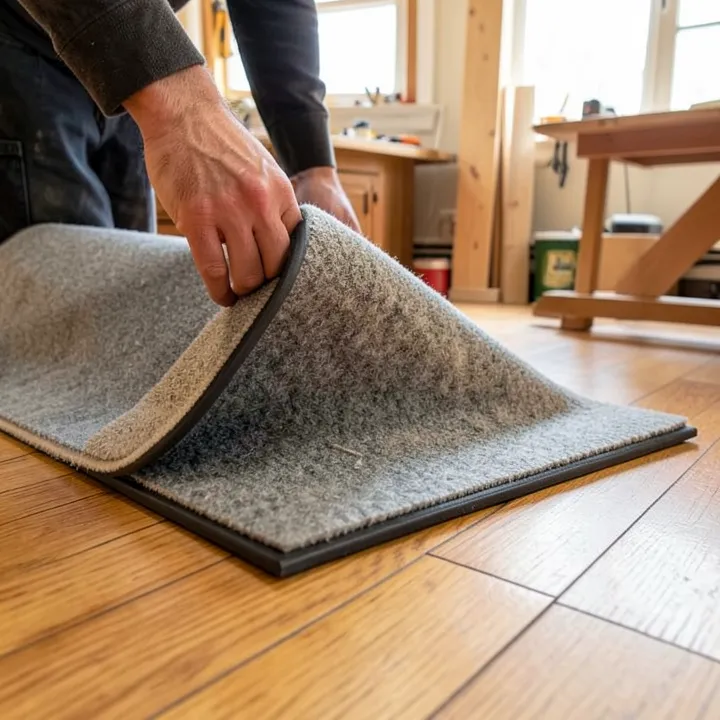
Double-sided tape and hot glue dots do stop slipping in the short term, but both create a real risk on a finished hardwood floor: pulling up old, weakened adhesive can lift the finish itself, not just the tape, leaving a dull or discolored patch that’s genuinely hard to fix without refinishing that section. If you do use tape as a temporary measure, choose a rug-specific low-residue tape rather than generic packing or duct tape, and don’t leave it down for months at a time.
A proper rug pad avoids this problem entirely because it isn’t adhered to the floor — it grips through friction and its own weight, so removing or replacing it never risks the finish underneath.
Other Fixes That Actually Help
- Corner grippers: small adhesive-backed grip pads placed at just the four corners — these stop curling and lifting corners specifically but don’t prevent a whole rug from sliding the way a full-size pad does. Good as a supplement, not a standalone fix for a rug that’s genuinely sliding around.
- Furniture anchoring: placing a piece of furniture on part of the rug adds real weight and friction, but works better as a secondary measure alongside a rug pad than as the only solution, especially for lightweight rugs.
- Keeping the floor and rug underside clean: dust and fine grit under a rug actually reduces friction, acting almost like ball bearings between two flat surfaces — vacuuming under rugs periodically genuinely helps grip, not just cleanliness.
When It’s Worth Calling in a Pro
For a large, heavy area rug in a high-traffic space, or in a home with small kids or mobility concerns where a slip is a real safety issue, a professional rug installer can secure it more permanently and knows which methods are safe for your specific floor finish. It costs more than a DIY rug pad, but for a rug that genuinely needs to never move, it removes the guesswork about which product is actually compatible with your floor’s finish warranty.
Frequently Asked Questions
Are rug grippers safe for hardwood floors?
Most rubber and felt rug grippers are safe for hardwood when installed correctly, since they grip through friction rather than adhesive. The exception is some PVC or vinyl-backed pads, which can react with certain floor finishes over long contact — check your floor finish manufacturer’s guidance if you’re unsure, and always test a small area first with any new pad.
What do you put under a rug to stop it from slipping?
A non-slip rug pad made of natural rubber or a rubber-and-felt blend is the most reliable fix. Corner grippers help with curling edges specifically, and low-residue rug tape can work as a temporary measure, but a proper pad is the only option that doesn’t risk the floor’s finish.
How do I stop a rug from slipping without buying anything?
Placing furniture on part of the rug adds weight and friction, and simply vacuuming underneath the rug periodically removes the fine dust that reduces grip between the rug and floor. Neither is as effective as a dedicated rug pad, but both genuinely help in the meantime.
How do I get a rug to lay flat on hardwood floors?
A rug pad sized slightly smaller than the rug keeps edges from curling while adding grip. For stubborn creases from shipping or storage, weighting the corners for a few days or using a low-heat steam iron on the underside (never directly on rug fibers) relaxes the fibers flat.
Conclusion
A rubber or rubber-and-felt rug pad solves rug slipping on hardwood permanently and safely, while tape and glue are short-term fixes that can damage the finish when they’re eventually removed. Size the pad slightly smaller than the rug, keep the space underneath clean, and add corner grippers or furniture weight only as a supplement, not a substitute, for a real pad.
Sponsored / affiliate links. As an Amazon Associate I earn from qualifying purchases. I may earn additional commission from eligible campaigns.