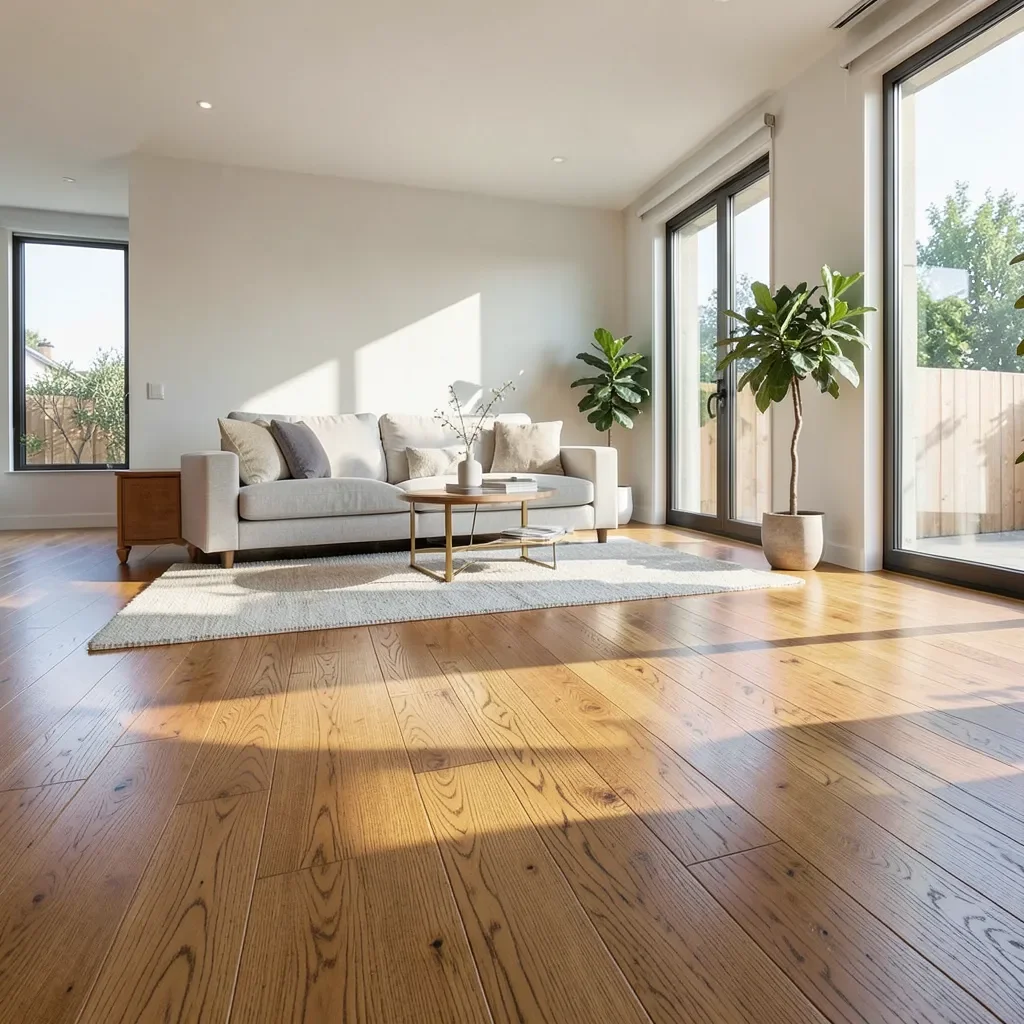
How Much for Hardwood Floors? Real Cost by Wood Species
Hardwood flooring costs $3 to $25 per square foot in materials depending on species — red oak runs $3–$6, while walnut and exotic species like Brazilian cherry climb past $8. Add $4–$8 per square foot for professional installation, since labor cost doesn’t scale with the wood’s price. This guide breaks down real per-square-foot costs by species, what actually drives the difference, and the hidden extra costs most estimates leave out.
Introduction To Hardwood Floor Pricing
Best Subfloor Moisture Meter Pick
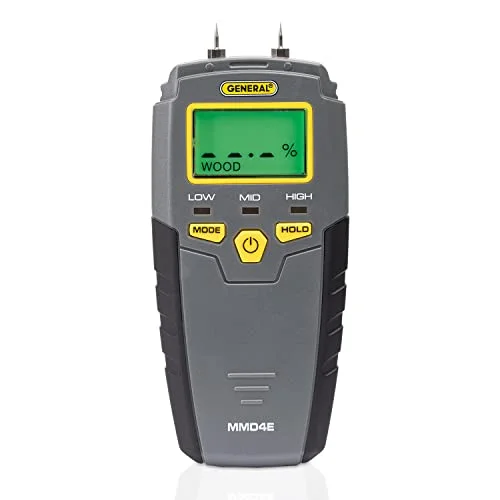 |
General Tools MMD4E Moisture Meter – $38.83 Checking the subfloor for moisture before installation — covered in the Replacement Signs section below — is what prevents a new hardwood floor from warping or buckling after it’s down.
|
Hardwood flooring pricing depends mainly on wood species, grade, and installation method. Material costs alone range from $3 to $25 per square foot before labor, with the species you choose driving most of that spread — not the brand or retailer.
Factors Affecting Cost
- Wood Species
- Grade and Quality
- Installation Method
- Room Size and Layout
- Region and Local Labor Rates
Hardwood Floor Cost By Wood Species
Species is the single biggest lever on material cost — a red oak floor and a walnut floor of the exact same size, grade, and finish can differ by $10+ per square foot. Here’s the real range for the most common options, materials only:
| Wood Species | Price per Sq. Ft. (Material) | Notes |
|---|---|---|
| Red Oak | $3 – $6 | Most affordable, widely available |
| White Oak | $5 – $10 | Most popular species currently, neutral tone |
| Maple | $4 – $8 | Hard surface, good for high-traffic rooms |
| Hickory | $4 – $9 | Distinct grain, very durable |
| Walnut | $6 – $14 | Rich dark tones, premium pricing |
| Brazilian Cherry (Jatoba) | $5 – $8 | One of the more affordable exotics |
| Other Exotics (Tigerwood, Teak, etc.) | $8 – $25 | Wide range based on origin and availability |
📊 Fully installed (material + labor), hardwood flooring runs $8 to $20 per square foot in 2026 for domestic species — exotic species and wide-plank options can push total installed cost past $20. Source: D and G Flooring, Wood Flooring Cost Guide 2026
Types Of Hardwood Floors And Prices
Beyond species, the construction type also affects price. Solid hardwood and engineered hardwood use the same species options above but differ in structure and where they can be installed.
Solid Hardwood Options
Solid hardwood floors are milled from a single piece of wood and can be sanded and refinished multiple times over their life. They come in every species in the table above, each with its own grain pattern and color, but solid hardwood isn’t recommended below grade (basements) due to moisture sensitivity.
Engineered Hardwood Selections
Engineered hardwood consists of a real hardwood veneer layered over a plywood or composite core, which resists moisture and temperature swings better than solid wood. This makes it a better fit for basements or kitchens where solid hardwood would be risky.
The cost of engineered hardwood flooring typically runs $3 to $14 per square foot in materials. The price depends mostly on the thickness of the real-wood top veneer — a thicker veneer can be refinished more times over its life, closer to solid wood.
What To Look For Before You Buy
Hardwood flooring may cost slightly more upfront than carpet or vinyl, but it lasts for decades with proper care and typically holds more resale value. Beyond price, a few practical checks matter more than the sticker price per square foot.
Replacement Signs
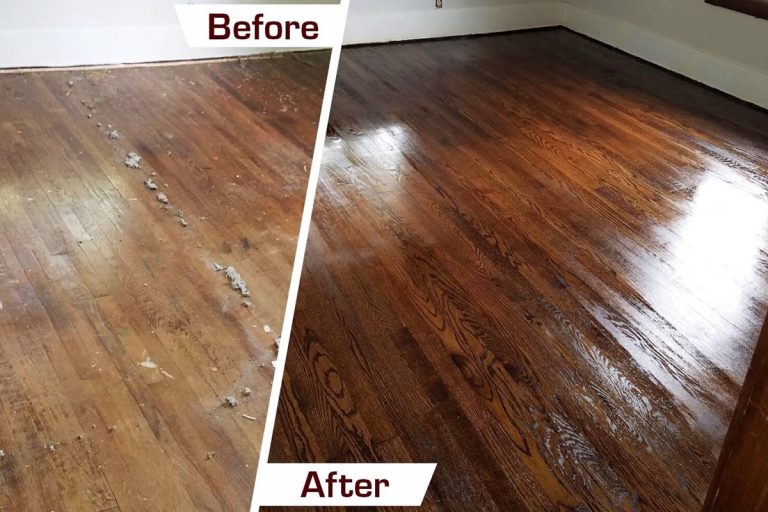
Deep scratches or gouges, water damage, and excessive wear are the clearest signs an existing hardwood floor needs replacing rather than refinishing. Before installing new flooring of any species, inspect the subfloor for moisture or damage — a damp or damaged subfloor can cause a brand-new hardwood floor to warp or buckle within months, turning a cost-saving DIY project into an expensive redo.
Grade And Finish
Within any species, grade (from select to common, based on how uniform the color and grain are) and finish (prefinished vs. site-finished) both move the price independently of wood type. Prefinished boards cost a bit more per square foot but install faster since there’s no on-site sanding and coating step.
Installation Costs Explained
Labor is the other half of the total cost, and it barely changes based on which species you choose — the same crew charges roughly the same rate whether they’re laying red oak or walnut.
Professional Installation Fees
Professional hardwood installation typically runs $4 to $8 per square foot in labor, covering subfloor prep, laying the planks, and finishing touches. Some installers charge extra for moving furniture or hauling away old flooring.
DIY Installation Savings
A DIY install can save most or all of that $4–$8 per square foot labor cost, but you’ll still need tools, adhesives or fasteners, and time — and a bad DIY job (especially skipping the subfloor moisture check above) can cost more to fix than hiring a pro would have in the first place.
Additional Expenses To Consider
Underlayment And Finishing
Underlayment sits between the hardwood and the subfloor, adding stability, sound dampening, and moisture protection. Site-finishing (staining and sealing after installation) adds further cost but lets you match stain color exactly across the whole room.
Removal Of Previous Flooring
Removing and disposing of existing carpet, tile, or laminate adds to total project cost, and can uncover subfloor issues that need fixing before the new hardwood goes down — another reason to budget a contingency rather than just the per-square-foot material price.
Long-Term Value Of Hardwood Floors
Hardwood floors offer real long-term value for homeowners. Beyond the initial investment, hardwood typically increases a property’s overall value more reliably than carpet or vinyl over time.
Resale Value Considerations
- Hardwood floors enhance a home’s aesthetic appeal to potential buyers.
- Homes with hardwood floors typically sell for higher prices than comparable homes with other flooring.
- Investing in hardwood can improve return on investment when selling.
Maintenance And Durability
- Hardwood floors are easy to clean and require minimal ongoing maintenance.
- With proper care, hardwood can last for decades, often outlasting carpet or laminate by 3-4x.
- Harder species like maple and hickory hold up especially well under heavy foot traffic.
Frequently Asked Questions
How much is 1,000 square feet of hardwood flooring?
For 1,000 square feet, expect $3,000 to $25,000 in materials alone depending on species, plus $4,000 to $8,000 for professional installation. Red oak sits at the low end; walnut and exotic species push toward the high end.
How much is 500 square feet of hardwood flooring?
For 500 square feet, materials typically run $1,500 to $12,500 depending on species, with professional installation adding roughly $2,000 to $4,000 more. Get a quote based on your specific species choice rather than a generic average.
Are hardwood floors worth the money?
For most homes, yes. Hardwood costs more upfront than carpet or vinyl, but it lasts for decades, can be refinished multiple times, and typically adds more resale value than cheaper flooring options.
Is hardwood cheaper than carpet?
Hardwood is generally more expensive than carpet upfront, but carpet needs replacing every 5-10 years while hardwood can last 30+ years with refinishing, often making hardwood the better long-term value.
Conclusion
The real driver of hardwood flooring cost isn’t the retailer or the region — it’s the wood species. Red oak keeps a project affordable at $3-$6 per square foot in materials, while walnut and exotic species can run $10-$25. Add $4-$8 per square foot for labor regardless of species, budget for underlayment and old-flooring removal, and check the subfloor for moisture before anything goes down. Species is where your budget decision actually happens.
Sponsored / affiliate links. As an Amazon Associate I earn from qualifying purchases. I may earn additional commission from eligible campaigns.