Unstained Oak Hardwood Floors: What Natural Really Means
Unstained oak floors keep the wood’s natural pale color instead of a colored stain — but “unstained” and “unfinished” aren’t the same thing. Unstained just means no color was added; the floor can still have a clear protective topcoat. Unfinished means no topcoat at all, which is a raw material decision made before installation, not a look you can buy pre-made. If you’re specifically shopping for raw, on-site-finished planks, see our 2¼-inch unfinished oak flooring guide instead — this page covers the natural, unstained look as a design choice.
Why the Unstained Look Has Gotten So Popular
Best For Keeping Oak’s Natural Look
 |
Bona NaturalSeal Waterborne Wood Floor Sealer – $99.50 A clear sealer formulated specifically to minimize the amber shift that ordinary finishes cause, keeping oak closer to its day-one pale color.
|
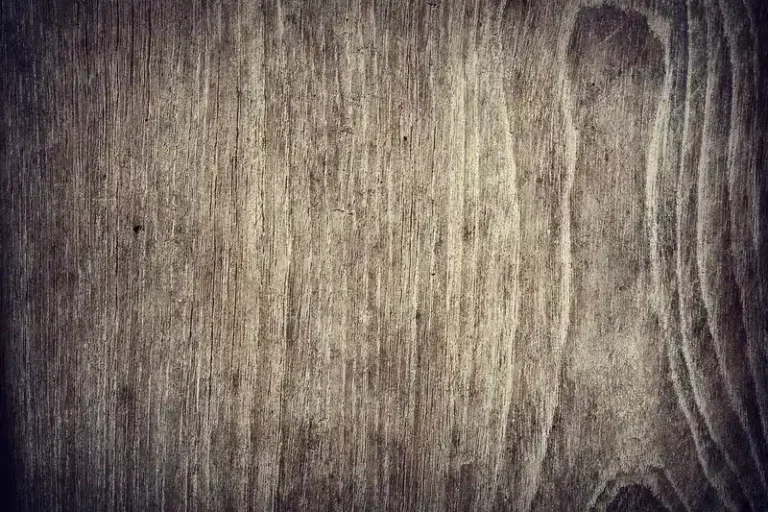
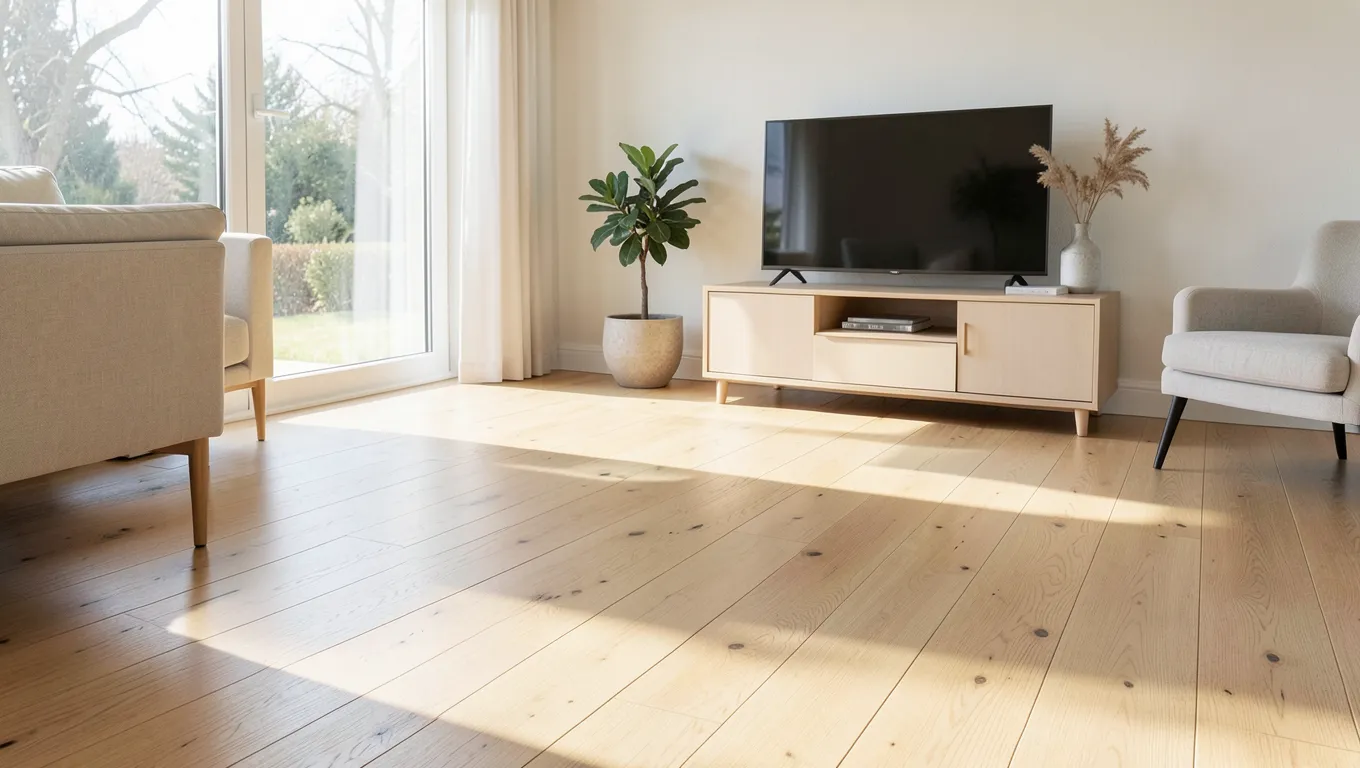
For decades, “oak floor” meant an amber or honey-toned stain. The current shift toward natural, unstained finishes is partly a reaction to that — a clear or lightly tinted finish shows off oak’s actual color and grain instead of masking it, and it reads as brighter and more neutral against modern paint colors than a warm amber stain does.
Red Oak vs. White Oak, Unstained
The species you pick matters more with an unstained finish than a stained one, since stain can mask some of the underlying color and grain differences that a clear finish leaves fully visible:
| Red Oak (unstained) | White Oak (unstained) | |
|---|---|---|
| Undertone | Warm, pinkish-tan | Cooler, olive-tan to grayish |
| Grain pattern | Bold, open, prominent | Tighter, more subtle ray-fleck figure |
| Janka hardness | 1,290 lbf | 1,360 lbf |
| Best paired with | Warm neutrals, traditional decor | Cool grays and whites, modern/Scandinavian decor |
The Fact Most Guides Skip: Unstained Oak Still Changes Color
A clear finish protects the wood, but it doesn’t stop a natural chemical process called photo-oxidation — UV light and, to a lesser extent, plain oxygen exposure gradually deepen and amber oak’s color over months and years, even with zero stain applied. This is why a rug left in place for a year often leaves a visible lighter “shadow” underneath when moved. It’s not damage; it’s just that the surrounding floor ambered while the covered section didn’t. If you want the look to stay as close to day-one pale as possible, look for a finish with UV inhibitors and rotate rugs occasionally so the whole floor ambers evenly.
Durability and Everyday Wear
Unstained oak wears the same as stained oak — the finish and species determine durability, not the color choice. What does change: light, unstained floors show dust and pet hair more visibly than a dark stain would, but they also show fine scratches less obviously, since there’s less color contrast between a scuff and the surrounding wood. Sweep or vacuum every few days in high-traffic homes, use furniture pads, and keep pet nails trimmed — the same care that applies to any hardwood floor.
Styling an Unstained Oak Floor
Pale, natural oak reflects more ambient light than a dark stain, which is genuinely useful in a room with limited windows. Pair it with light-to-mid-toned furniture rather than very dark pieces, which can look like they’re floating disconnected from a pale floor. Warm-toned red oak leans naturally toward cream, tan, and terracotta accents; cooler white oak pairs more easily with grays, whites, and black accents without clashing undertones.
What It Costs
Unstained (clear-finished) oak flooring typically costs the same as stained oak from the same product line — you’re paying for the wood and the clear topcoat application, not for skipping a step. Expect roughly $6–$12 per sq ft installed for solid oak, depending on grade and region, with site-finished floors (sanded and sealed after installation) sometimes running slightly less in material cost but more in labor and project time.
Frequently Asked Questions
What are unstained oak hardwood floors?
Unstained oak floors have a clear or lightly tinted protective finish with no added color stain, showing the wood’s natural tone and grain. This differs from unfinished flooring, which has no topcoat at all and is finished on-site after installation.
Are unstained oak floors durable?
Yes. Durability comes from the wood species and the protective topcoat, not the color. Red oak (1,290 Janka) and white oak (1,360 Janka) both hold up to daily household use whether stained or left natural.
How do you maintain unstained oak floors?
Sweep or vacuum regularly, wipe spills immediately, use furniture pads, and avoid soaking the floor when mopping. Rotate rugs occasionally, since unstained oak ambers slightly with UV and light exposure over time, and a rug left in one spot for months can leave a visible lighter outline when moved.
Can unstained oak floors be refinished?
Yes, the same as any solid hardwood floor — typically 5 to 7 times over its lifespan for solid oak. Refinishing sands away the worn topcoat and any accumulated ambering, letting you reapply a fresh clear finish and return closer to the wood’s original pale color.
Conclusion
Unstained oak is a genuine design choice, not a lesser or unfinished version of a “real” stained floor — it’s just as durable, and it shows off the species’ natural color and grain instead of masking it. Know that it will amber gradually with light exposure regardless of finish, pick red or white oak based on the undertone that matches your room, and it’ll hold up like any quality hardwood floor.
Sponsored / affiliate links. As an Amazon Associate I earn from qualifying purchases. I may earn additional commission from eligible campaigns.