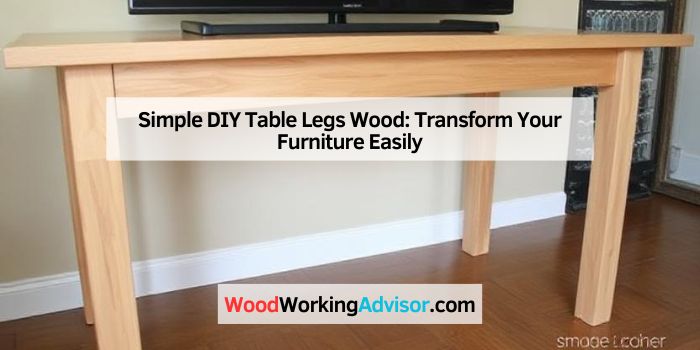
Simple DIY Table Legs Wood: Transform Your Furniture Easily
Creating your own table legs is both fun and satisfying. Wood offers versatility and charm for DIY projects.
Building simple DIY table legs from wood can elevate your furniture game. Whether you are a beginner or a seasoned woodworker, this guide will help you craft sturdy and stylish table legs with ease. Wood is a fantastic material to work with due to its durability and natural beauty.
Plus, making your own table legs gives you a chance to customize and add a personal touch to your furniture. In this blog post, we will explore the basics of creating wooden table legs, offering tips and tricks to ensure your project is a success. Get ready to transform your space with your own handmade touch!
Choosing The Right Wood
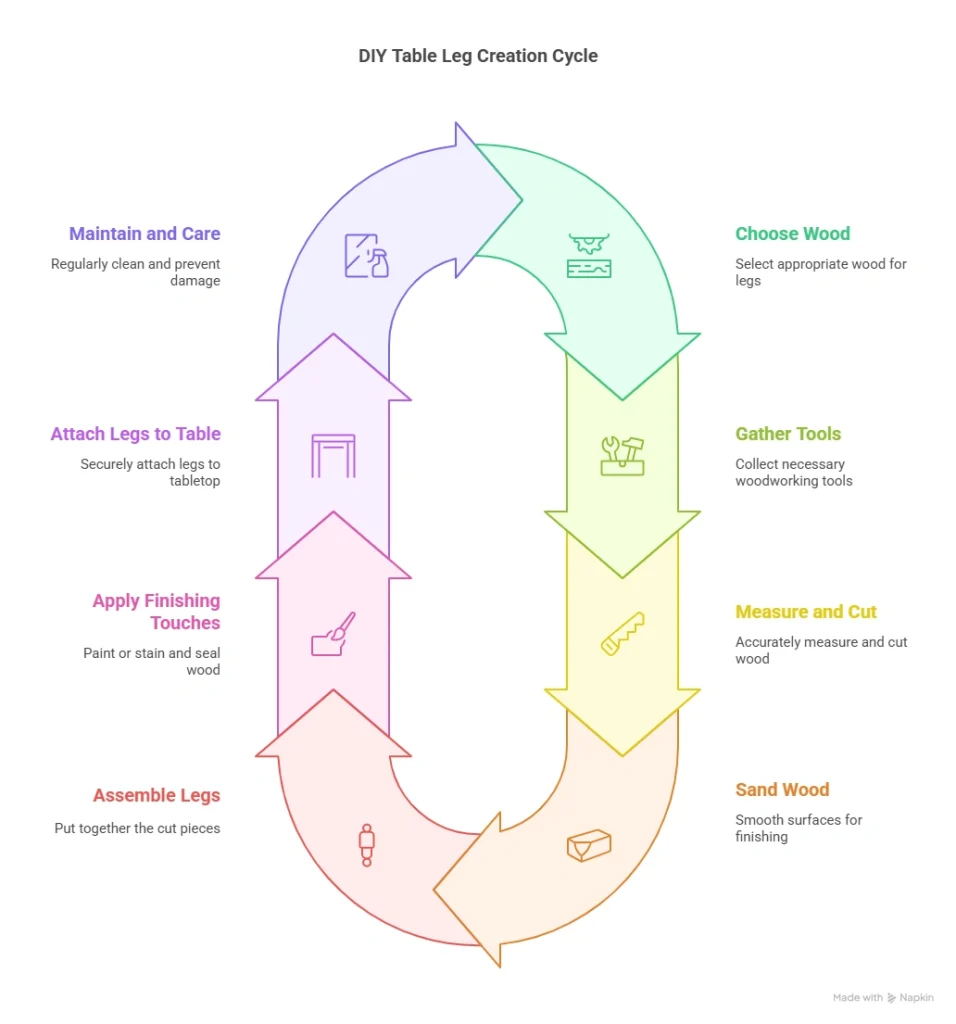
There are many types of wood. Each type has its own strengths and weaknesses. Popular choices are oak, pine, and maple. Oak is strong and lasts long. Pine is soft and easy to cut. Maple is hard and smooth. Choose based on your needs.
High-quality wood has few knots. It is straight and smooth. Low-quality wood may have cracks. It can be rough and hard to work with. Always check the wood before you buy it. Feel the surface. Look for any damage.

Credit: flowyline.com
Gathering Necessary Tools
Start by getting some basic tools. You will need a saw. A measuring tape is also needed. Get a drill and some screws. Sandpaper is useful to smooth the wood. Wood glue can help to join pieces. Clamps hold the wood tight while drying. These tools are easy to find. They are also simple to use.
Safety is very important. Wear safety glasses to protect your eyes. Use a mask to avoid breathing in wood dust. Gloves protect your hands from splinters. Ear protection can help when using loud tools. Safety gear keeps you safe. Always use it when working.
Measuring And Cutting The Wood
Start with a ruler or tape measure. Write down the needed lengths. Measure twice to avoid mistakes. Precision is key for a stable table.
Use a saw suitable for wood. Hand saws or electric saws work well. Keep your hands safe. Cut along the marked lines. Smooth edges with sandpaper.
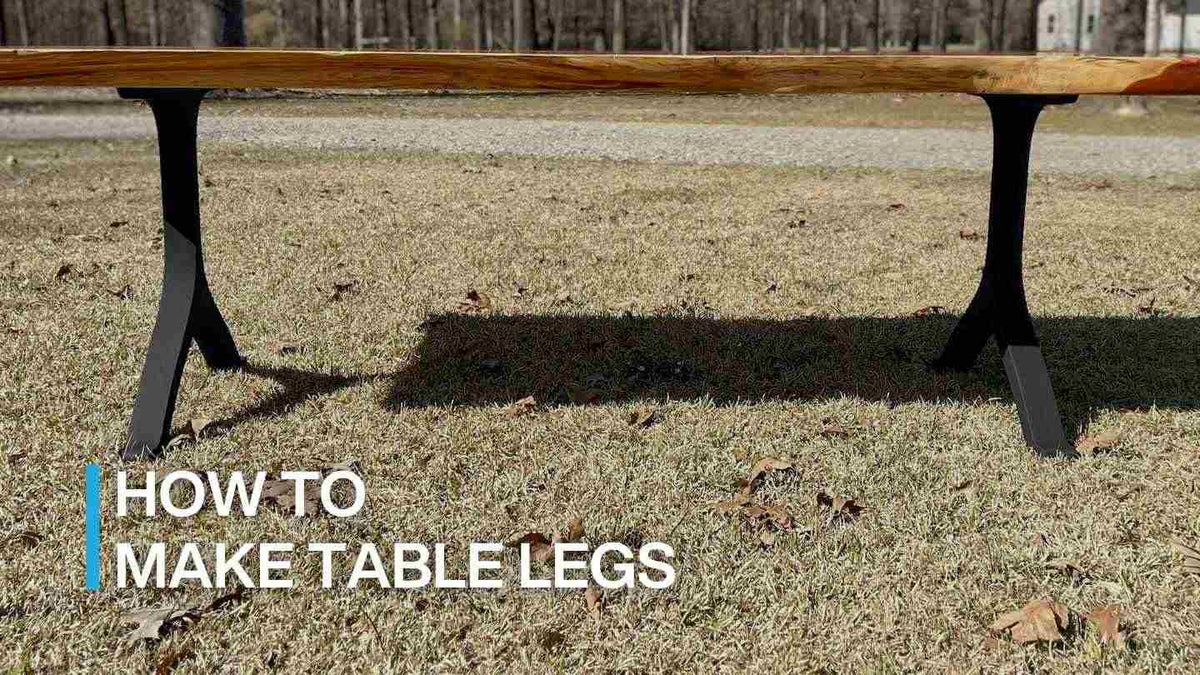
Credit: flowyline.com
Sanding The Wood
To get smooth surfaces, start with coarse sandpaper. Rub it on the wood. This will remove rough spots. Next, use medium grit sandpaper. It will make the wood smoother. Finally, use fine grit sandpaper. This gives the wood a silky feel. Always sand along the grain. This prevents scratches. Wipe the wood clean after sanding.
You need a few tools for sanding. Sandpaper is the most important. Coarse, medium, and fine grit are needed. Sanding blocks help hold the paper. Electric sanders can make the job faster. They are good for big projects. Dust masks are also important. They keep you safe from wood dust. Safety goggles protect your eyes.
Assembling The Table Legs
To make strong table legs, use both glue and screws. Apply wood glue to the joints. This makes them firm. Then, use screws to hold the legs in place. Screw them tightly for extra strength. Be sure to align the pieces well. This ensures your table stands straight. Double-check everything before the glue dries.
Glue first, then screw. This method is easy. It keeps the legs strong for a long time. Remember, strong joints mean a sturdy table. Now your table legs are ready!

Credit: www.instructables.com
Finishing Touches
Add character to your DIY table with simple wood legs. Easy to craft, these legs bring a rustic charm. Perfect for any home project.
Painting Or Staining
Painting or staining wood can make it look better. Staining can show the natural beauty of the wood. It gives a rich, warm color. Painting can add bright colors or match your room. Always choose a high-quality paint or stain. Follow the instructions on the can. Use a brush or a rag for staining. Let it dry completely. You might need to apply more than one coat.
Sealing The Wood
Sealing wood protects it from damage. It keeps the wood safe from water and dirt. Use a clear wood sealer. Apply it evenly with a brush. Let it dry for the time stated on the sealer can. Apply a second coat if needed. Sealed wood lasts longer and looks better. Always work in a well-ventilated area.
Attaching The Legs To The Table
Find the best spots for the table legs. Measure the distance from the edges. Make sure each leg is in the same place. Use a ruler to check. The legs should be evenly spaced. This will make the table stable. Mark the spots with a pencil. These marks will guide you. Make sure all marks are clear.
Use screws to attach the legs. Drill holes where you marked. Place each leg over the hole. Insert screws into the holes. Tighten the screws with a screwdriver. Check that each leg is firm. The table should not wobble. If it moves, tighten the screws more. Make sure all legs are secure.
Maintenance And Care
Regularly dust and wipe the wood to maintain its shine. Tighten screws periodically to ensure stability.
Regular Cleaning
Dust the table legs often. Use a soft cloth to clean. This helps keep the wood nice. Wipe away spills quickly. Moisture can harm the wood. Dry the wood with a clean cloth. This stops water spots from forming.
Preventing Damage
Use coasters under glasses. This prevents water rings. Do not put heavy items on the table. This can cause dents. Avoid direct sunlight. The wood can fade. Use a tablecloth or placemats to protect the surface.
Frequently Asked Questions
How Do You Make Basic Table Legs?
Cut four wooden legs to desired length. Attach them securely to the table’s underside using screws or brackets.
What Is The Best Wood To Make Table Legs Out Of?
Hardwoods like oak, maple, and cherry are the best choices for table legs. They offer durability, strength, and a classic look.
Can I Use 2×4 For Table Legs?
Yes, you can use 2x4s for table legs. They are strong, affordable, and easy to work with. Ensure proper finishing for a polished look.
What Can I Use As Table Legs?
You can use metal pipes, wooden dowels, hairpin legs, repurposed furniture, or industrial steel legs as table legs.
Conclusion
Creating your own DIY table legs from wood is simple and rewarding. With basic tools and materials, you can build sturdy and stylish legs. This project is perfect for beginners and experts alike. Save money and add a personal touch to your furniture.
Enjoy the process and the finished product. Happy crafting!