Skill Saw Storage Solutions: Maximize Your Workspace!
Skill saws should be stored in a dry, clean place, preferably in a dedicated toolbox or cabinet. Proper storage extends the tool’s lifespan and maintains its performance.
Skill saws are essential for various woodworking projects, offering precision and power. Proper storage is crucial for maintaining their functionality and safety. Keeping these tools organized prevents damage and ensures they are ready for use. A designated storage area can help avoid clutter and accidents in your workspace.
Consider using racks, cases, or hooks to store your skill saw securely. Regular maintenance checks on the storage area can also keep your tools in top shape. Prioritizing skill saw storage is a simple yet effective way to enhance your woodworking experience and ensure safety during your projects.
Introduction To Skill Saw Storage
Proper storage for your Skill Saw is crucial. It keeps your tools safe, organized, and easily accessible. A well-planned storage system extends the life of your saw and enhances your work efficiency.
The Importance Of Proper Storage
Storing your Skill Saw correctly protects it from damage. Here are key reasons for proper storage:
- Prevents Accidental Damage: Avoids scratches and dents.
- Reduces Wear: Keeps parts functioning well.
- Enhances Safety: Minimizes risks of accidents.
- Improves Longevity: Extends the life of your tool.
Benefits Of Organized Skill Saw Placement
Organizing your Skill Saw offers various advantages:
- Quick Access: Find your tools easily.
- Increased Productivity: Spend less time searching.
- Space Efficiency: Maximize storage area.
- Visual Appeal: A tidy workspace looks professional.
Consider these tips for effective Skill Saw storage:
| Tip | Description |
|---|---|
| Use Tool Boxes | Store saws in durable tool boxes. |
| Wall Mounts | Utilize wall space for hanging saws. |
| Labeling | Clearly label storage areas. |
| Regular Maintenance | Check tools periodically for wear. |
Types Of Skill Saws
Understanding the different types of skill saws helps you choose the right one. Each type has unique features and benefits. Here’s a closer look at the most common types of skill saws.
Circular Saws
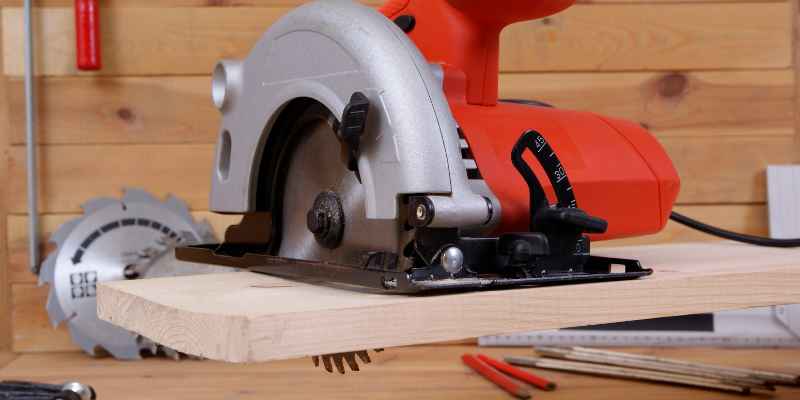
Circular saws are versatile and powerful tools. They are ideal for cutting wood, metal, and plastic. Their round blades spin rapidly to make clean cuts.
- Blade sizes range from 5 to 7.5 inches.
- Commonly used for straight cuts.
- Available in corded and cordless models.
These saws are popular among contractors and DIY enthusiasts. They offer precision and speed for various projects.
Reciprocating Saws
Reciprocating saws have a unique back-and-forth motion. They excel at demolition and rough cuts. These saws cut through wood, metal, and drywall.
| Feature | Description |
|---|---|
| Blade Type | Interchangeable blades for various materials |
| Portability | Lightweight and easy to maneuver |
| Applications | Ideal for plumbing and electrical work |
These saws are perfect for tight spaces. They allow for more control during cutting.
Jigsaws
Jigsaws are excellent for intricate cuts. They use a vertical blade to make curved and detailed shapes. These saws are user-friendly and great for beginners.
- Blade options vary for different materials.
- Ideal for cutting wood, metal, and ceramic.
- Perfect for crafting and home improvement projects.
They provide precision for artistic designs. Jigsaws are a must-have in every toolkit.
Assessing Your Storage Needs
Proper Skill Saw storage is vital for safety and organization. Assessing your storage needs helps you choose the right solution. This includes evaluating your space and considering how often you use your saw.
Evaluating Space
Start by measuring the area where you’ll store your Skill Saw. Consider these factors:
- Available Space: Measure height, width, and depth.
- Accessibility: Ensure easy access to the saw.
- Environment: Store in a dry, cool place.
Use a simple table to organize your measurements:
| Dimension | Measurement |
|---|---|
| Height | [Your Measurement] |
| Width | [Your Measurement] |
| Depth | [Your Measurement] |
Considering Frequency Of Use
How often do you use your Skill Saw? This affects your storage choice:
- Daily Use: Store in a convenient location.
- Weekly Use: Consider a mobile storage unit.
- Occasional Use: A designated corner or shelf works.
Think about these storage options based on usage:
- Wall-mounted racks: Great for daily users.
- Toolboxes: Ideal for portability.
- Storage bins: Perfect for infrequent use.
Wall-mounted Storage Solutions
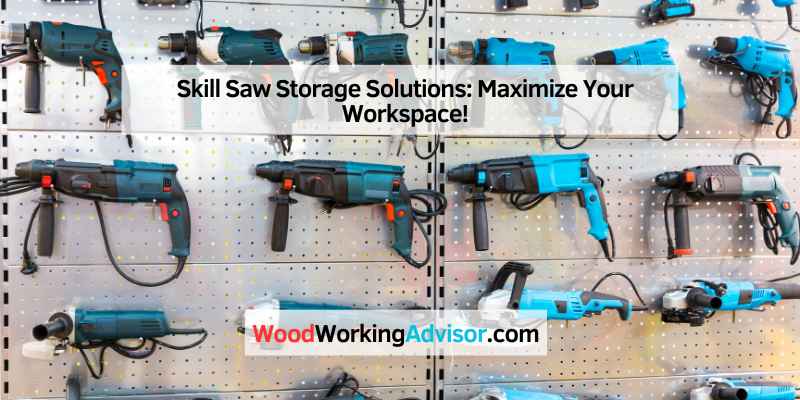
Wall-mounted storage solutions help keep your Skill Saw organized and accessible. These systems save floor space and protect your tools. You can choose between DIY racks and pre-made mounting systems.
DIY Racks And Holders
Creating your own racks and holders can be fun. Here are some options:
- PVC Pipe Holders: Cut PVC pipes to size. Attach them to the wall.
- Wooden Shelves: Build shelves from plywood. Add hooks for additional support.
- Magnetic Strips: Install magnetic strips for easy access. Hold small tools or blades securely.
DIY solutions offer flexibility. Customize them to fit your space and style.
Pre-made Mounting Systems
Pre-made mounting systems provide convenience. They often come with detailed instructions. Here are some popular options:
| Brand | Features | Price Range |
|---|---|---|
| Wall Control | Durable metal, pegboard design | $$ |
| Proslat | Versatile, adjustable hooks | $$$ |
| Gladiator | Heavy-duty, easy installation | $$$ |
Choose a system that meets your needs. Pre-made options save time and effort.
Mobile Storage Options
Efficient storage is vital for keeping your Skill Saw organized. Mobile storage options offer flexibility and convenience. They make it easy to transport tools to job sites. Here, we will discuss two popular mobile storage solutions: rolling cabinets and toolboxes.
Rolling Cabinets
Rolling cabinets provide sturdy, spacious storage. They come with wheels for easy movement. Here are some key features:
- Durability: Built from robust materials
- Multiple Drawers: Organize different tools
- Locking Mechanism: Secure your equipment
- Work Surface: Use as a workspace
Rolling cabinets are ideal for larger tool collections. They help keep everything in one place. Check the dimensions and weight capacity before purchasing.
| Feature | Benefit |
|---|---|
| Wheels | Easy to move around |
| Lockable Drawers | Prevents theft |
| Heavy-duty Construction | Lasts for years |
Toolboxes And Carriers
Toolboxes and carriers are compact and portable. They are perfect for quick jobs. Here are the main advantages:
- Lightweight: Easy to carry
- Variety of Sizes: Choose what fits your needs
- Organizational Compartments: Keep small items separate
Toolboxes often have handles for easy transport. Some models include padded straps for comfort. Consider waterproof options for extra protection.
- Choose the right size for your tools.
- Look for sturdy materials.
- Check for easy access to tools.
Mobile storage options enhance your efficiency. Choose the right solution for your Skill Saw needs.
Creative Use Of Vertical Space
Maximizing vertical space is essential for effective Skill Saw storage. Utilizing walls can free up floor space. This helps keep your workshop organized and efficient. Here are two smart ways to use vertical space: pegboards and shelving units.
Pegboards
Pegboards are versatile and easy to install. They allow you to hang tools and accessories. Here are some benefits of using pegboards:
- Customizable: Adjust the layout as needed.
- Visible: Keep tools in sight for quick access.
- Space-saving: Free up valuable work surfaces.
To create an effective pegboard system:
- Choose a sturdy pegboard.
- Install it at a reachable height.
- Use hooks and shelves to organize tools.
Consider adding labels for easy identification. This helps you find tools faster.
Shelving Units
Shelving units are another great option for vertical storage. They can hold various tools and materials. Key features of shelving units include:
- Durability: Built to hold heavy items.
- Adjustable shelves: Customize space for different tools.
- Accessibility: Easy to reach items on shelves.
To maximize your shelving unit:
- Place frequently used items at eye level.
- Use bins or containers for small tools.
- Keep similar items together for easy access.
Consider using wall-mounted shelves too. They save floor space while keeping items organized.
Custom-built Storage Ideas
Creating custom-built storage for your Skill Saw can save space. It also protects your tools from damage. Here are some ideas to help you organize efficiently.
Foam Inserts
Foam inserts offer a great way to store your Skill Saw securely.
- Cut foam to fit your tool’s shape.
- Place the foam in a sturdy toolbox.
- This prevents movement and damage.
Consider using different colored foam for easy identification. Here’s how to create your own foam insert:
- Measure the dimensions of your Skill Saw.
- Purchase foam sheets from a craft store.
- Cut the foam to match your saw’s shape.
- Place the cut foam in your toolbox.
Modular Drawer Systems
Modular drawer systems are versatile and adjustable. They fit various tool sizes and types.
Benefits of using modular drawer systems include:
- Easy access to your tools.
- Customizable compartments for organization.
- Stackable units save space.
Here’s how to set up a modular drawer system:
- Choose a system that fits your workspace.
- Sort your tools by type.
- Assign each drawer for specific tools.
- Label each drawer for quick access.
Maintaining And Protecting Your Skill Saws
Skill saws are essential tools for any DIY enthusiast or professional. Proper maintenance keeps them in top shape. Protecting your saws ensures they last longer and perform better. Follow these tips to maintain and protect your skill saws effectively.
Cleaning And Maintenance Tips
Regular cleaning is vital for your skill saw’s performance. Dust and debris can cause damage over time. Here are some easy cleaning tips:
- Unplug the saw before cleaning.
- Use a soft brush to remove dust from the body.
- Wipe the blade with a damp cloth to remove residue.
- Inspect the blade regularly for wear and tear.
- Lubricate moving parts to ensure smooth operation.
Cleaning should be part of your routine. Make it a habit after every use. This simple practice can extend the life of your skill saw.
Protective Covers And Cases
Using protective covers and cases is crucial for safeguarding your skill saws. They prevent dust accumulation and accidental damage. Consider these options:
| Type | Description |
|---|---|
| Soft Covers | Lightweight and easy to store. |
| Hard Cases | Offers maximum protection during transport. |
| Blade Guards | Prevents blade damage when not in use. |
Choose the right cover or case based on your needs. Protecting your skill saw ensures it remains functional and reliable.
Optimizing Workspace Flow
Optimizing workspace flow is essential for productivity. A well-organized space saves time and reduces frustration. Proper storage for tools like Skill Saws enhances efficiency. Let’s explore how to achieve this.
Strategic Placement
Place your Skill Saw in a designated area. This area should be close to your main work zone. Consider using a wall-mounted rack or a sturdy shelf. Here are some tips:
- Keep the saw within arm’s reach.
- Avoid clutter around the saw area.
- Use labels for easy identification.
Strategic placement minimizes movement. It allows quick access and smooth transitions between tasks.
Accessibility For Efficiency
Efficient storage ensures quick access to your Skill Saw. Use the following methods:
- Install pull-out drawers for easy access.
- Utilize clear bins for visibility.
- Keep frequently used accessories nearby.
Accessibility boosts your workflow. It helps maintain focus and reduces downtime. Consider a layout that promotes easy movement.
| Storage Method | Benefits |
|---|---|
| Wall-mounted Rack | Freed-up floor space, easy access |
| Pull-out Drawers | Organized storage, quick retrieval |
| Clear Bins | Visibility, reduces search time |
Implement these strategies to create a flow-friendly workspace. Enjoy the benefits of efficiency and organization.
Safety Considerations
Proper storage of your Skill Saw is vital for safety. It prevents accidents and damage. Understanding the best practices can help protect users and tools.
Secure Storage Practices
- Keep the Skill Saw in a dedicated place. Use a specific cabinet or shelf.
- Use a lockable storage unit. This prevents unauthorized access.
- Store the saw blade safely. Use blade guards or covers.
- Organize power cords. Avoid tangles and potential tripping hazards.
- Store in a dry area. Moisture can rust tools and create hazards.
Avoiding Accidents And Damage
- Always unplug the saw before storing.
- Check for loose parts or damage before storage.
- Keep the storage area well-lit.
- Avoid stacking heavy items on top of the saw.
- Regularly inspect the storage area for hazards.
| Storage Tip | Benefit |
|---|---|
| Use a lockable box | Prevents theft and accidents |
| Store blades separately | Reduces cutting injuries |
| Maintain clean storage | Prevents accidents and damage |
Integrating Power And Charging Stations
Efficient storage for your Skill Saw requires smart power management. Integrating power and charging stations keeps your tools ready. This setup saves time and enhances safety.
Designated Charging Areas
Designated charging areas are essential for organization. A dedicated space prevents clutter. Here are some tips:
- Choose a well-ventilated area.
- Use wall-mounted chargers to save space.
- Label each station for easy identification.
Consider using a charging station with multiple ports. This allows charging of several tools at once. Keep cords tidy with cable organizers.
Power Management
Power management is crucial for tool longevity. Follow these steps for effective management:
- Check batteries regularly for wear.
- Rotate tools for even charging.
- Store tools at optimal temperatures.
Track usage patterns. This helps in planning charging schedules. Use a power strip with surge protection for safety.
| Tool | Optimal Charge Time | Storage Location |
|---|---|---|
| Skill Saw | 2-3 hours | Charging Station A |
| Drill | 1-2 hours | Charging Station B |
| Sander | 1-1.5 hours | Charging Station C |
Conclusion: Streamlining Your Workspace
Efficient storage for your skill saw can enhance your workspace. A well-organized area boosts productivity. This section highlights key takeaways and encourages you to implement effective solutions.
Review Of Key Takeaways
- Proper storage prevents damage and extends tool life.
- Accessible placement reduces time spent searching for tools.
- Use toolboxes or wall-mounted storage to maximize space.
- Labeling helps identify tools quickly.
- Regular maintenance keeps your skill saw in top condition.
Encouragement To Implement Solutions
Take action now to improve your workspace. Here are some steps:
- Choose a dedicated storage location for your skill saw.
- Invest in quality storage solutions, like tool racks.
- Create a cleaning schedule to keep your workspace tidy.
- Label each storage area for easy identification.
- Invite feedback from others for continuous improvement.
Implementing these solutions will streamline your workspace. Enjoy a more organized and efficient environment.
Frequently Asked Questions
How Should I Store My Skill Saw?
Store your skill saw in a dry, cool place. Use a protective case to avoid damage and dust accumulation. Ensure the blade is covered or removed to prevent accidents. Organizing your tools in a designated area will also enhance safety and accessibility.
What Is The Best Way To Organize Skill Saws?
Organize skill saws using wall-mounted racks or toolboxes. Label each storage area for easy identification. Consider using drawer dividers to separate blades and accessories. This method improves efficiency and keeps your workspace tidy, making it easier to find what you need.
Can I Store Skill Saws Outdoors?
Storing skill saws outdoors is not recommended. Exposure to moisture and extreme temperatures can damage the tool. Instead, keep them in a climate-controlled environment. If outdoor storage is unavoidable, use waterproof cases and protective coverings to minimize risks.
How Often Should I Check My Skill Saw Storage?
Regularly check your skill saw storage every few months. Inspect for dust accumulation, rust, or damage to the storage unit. Ensure that blades are sharp and properly stored. This routine maintenance will prolong the life of your tools and enhance safety.
Conclusion
Proper skill saw storage is essential for maintaining your tools and ensuring safety. A designated space keeps your saw organized and easily accessible. Consider investing in storage solutions that protect against dust and damage. By prioritizing storage, you enhance your workspace efficiency and extend the life of your valuable equipment.