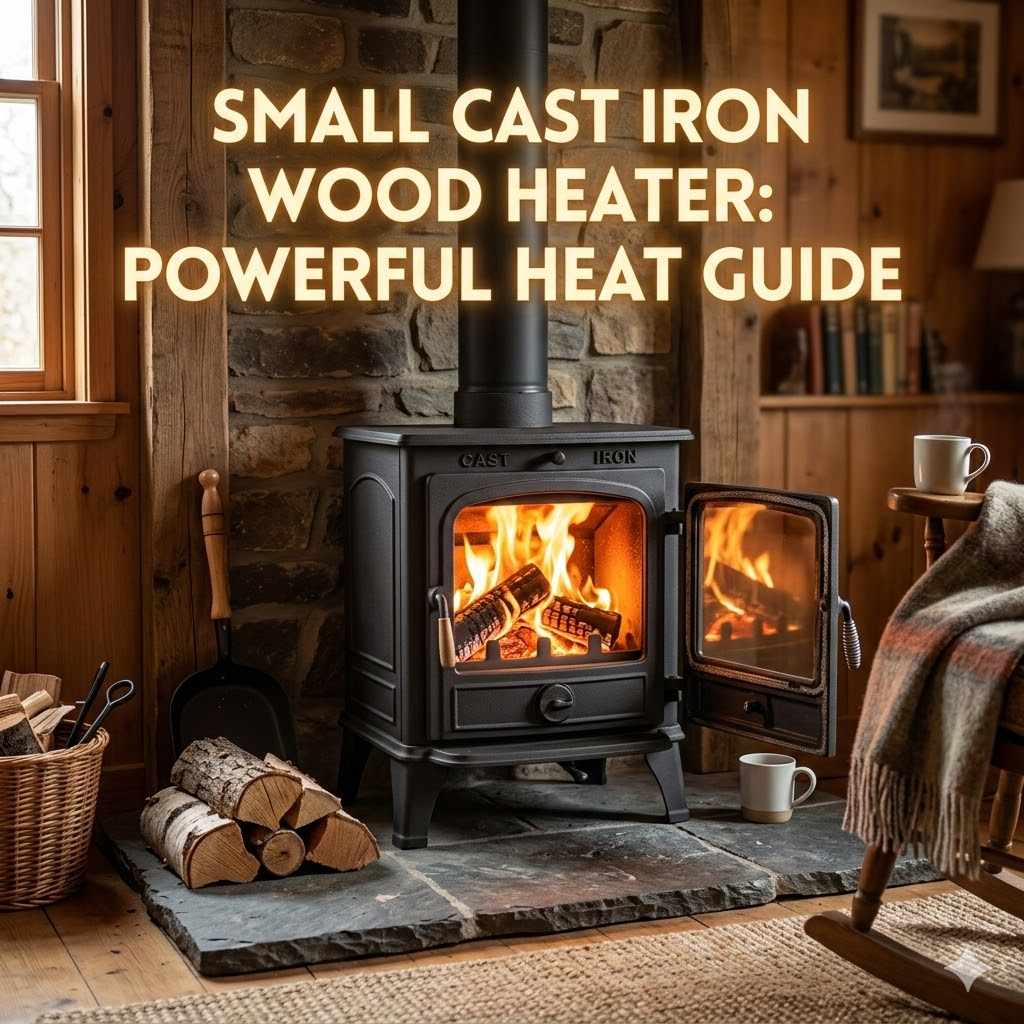
Small Cast Iron Wood Heater: Powerful Heat Guide
Finding the right heater can feel tricky. You might wonder if a Small Cast Iron Wood Heater: Powerful Heat Guide is right for you. It’s a common question for folks starting out.
You want warmth, but maybe you’re unsure where to begin. This guide makes it simple. We’ll walk through everything step-by-step so you can get cozy without any fuss.
Let’s make your home warm and inviting.
Choosing Your Small Cast Iron Wood Heater
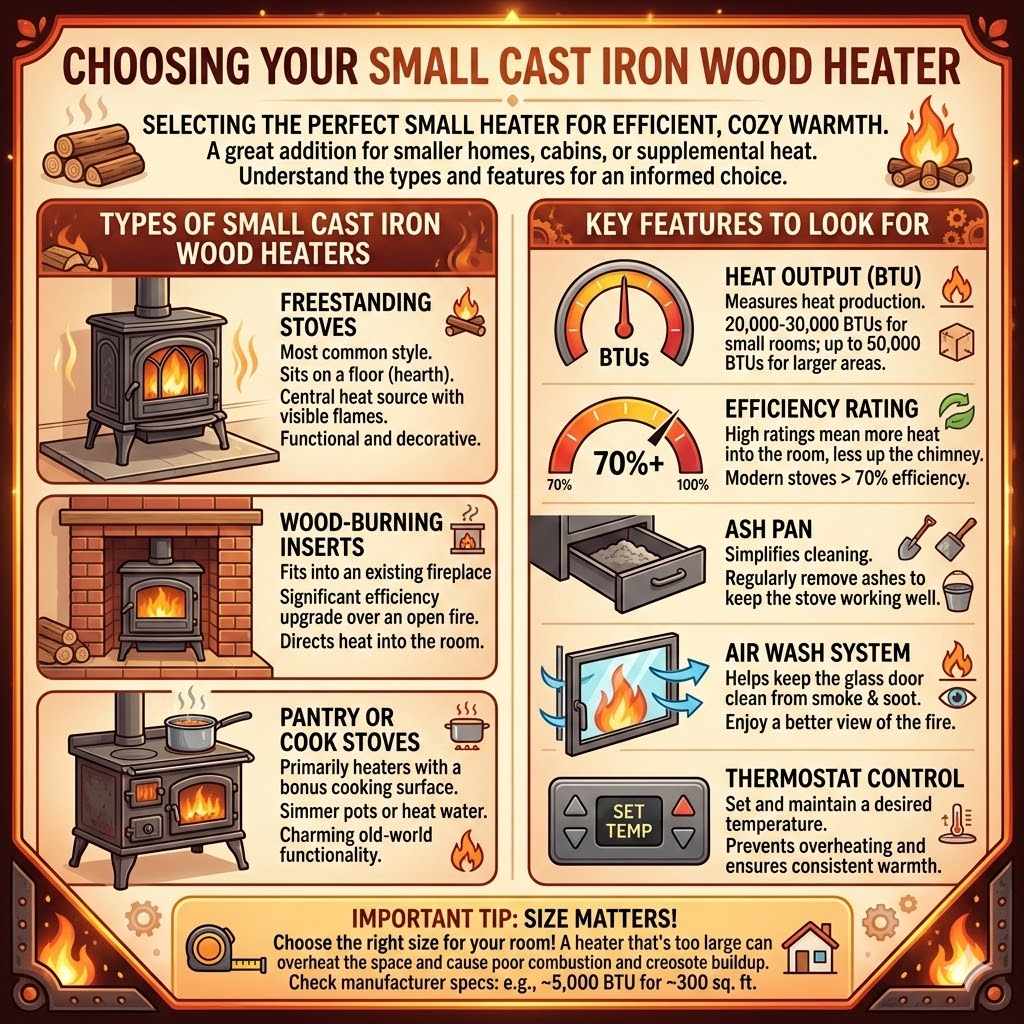
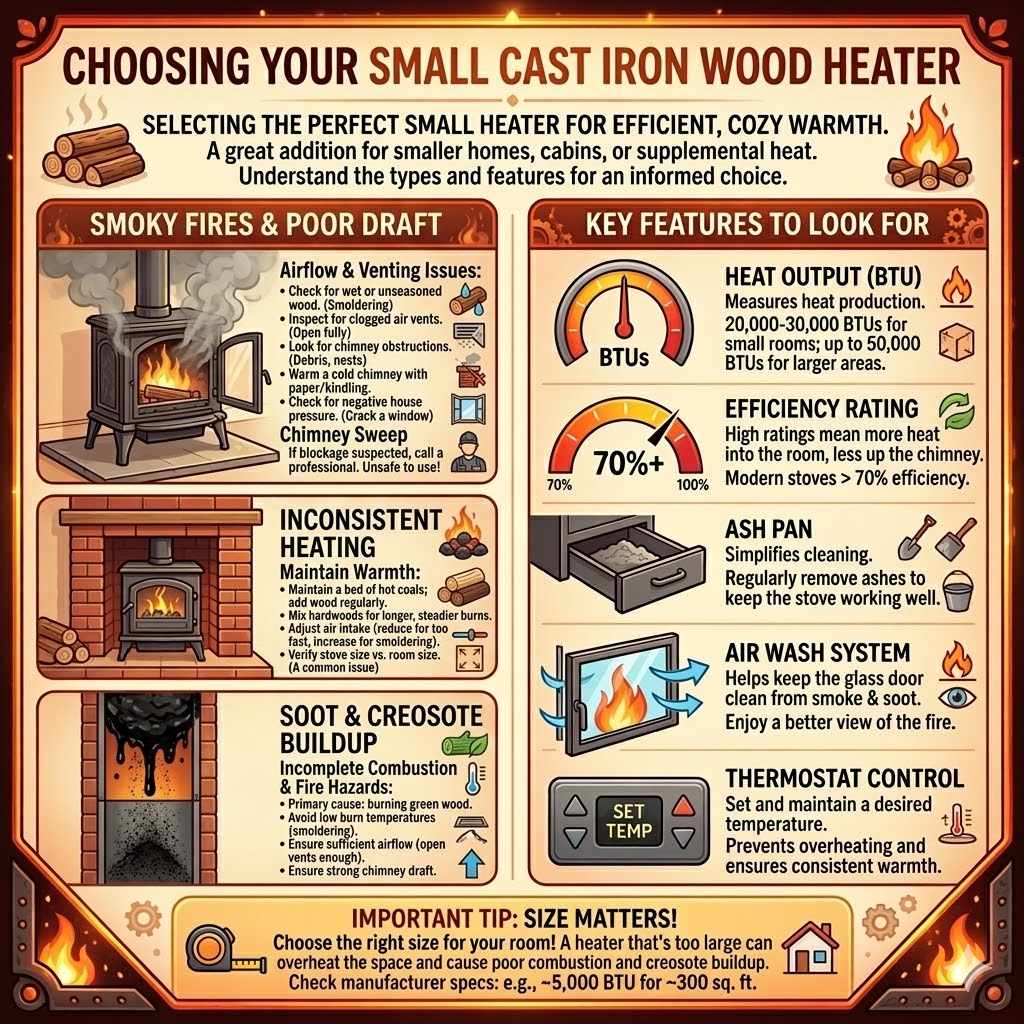
Selecting the perfect small cast iron wood heater is the first step to enjoying efficient, cozy warmth. These units are popular for their classic look and reliable heat output. They can be a great addition to smaller homes, cabins, or even as a supplemental heat source.
Understanding the different types and features available will help you make an informed choice. We will explore what makes a good heater and how to pick one that fits your needs.
Types of Small Cast Iron Wood Heaters
There are a few main styles of small cast iron wood heaters you might encounter. Each has its own charm and functional differences.
- Freestanding Stoves: These are the most common. They sit directly on the floor, often on a heat-resistant hearth. You can place them in a room to be a central heat source. They usually have a door for loading wood and a glass window to see the flames. Many models are designed to be both functional and a beautiful centerpiece for a room.
- Wood-Burning Inserts: These are designed to fit into an existing fireplace opening. They offer a significant efficiency upgrade over an open fireplace. Inserts are great if you already have a fireplace but want to use it more effectively for heating. They help direct heat into the room rather than up the chimney.
- Pantry or Cook Stoves: Some smaller cast iron stoves are built with a cooking surface on top. While primarily heaters, they offer the bonus of being able to simmer pots or heat water. These are especially charming in rustic settings or for those who enjoy a bit of old-world functionality.
The size of the room you want to heat is a big factor. A heater that’s too small won’t provide enough warmth, while one that’s too large can overheat the space and be inefficient. Check the manufacturer’s specifications for the recommended room size.
For example, a 5,000 BTU heater might be perfect for a 300 square foot room.
Key Features to Look For
When you’re looking at different models, a few features stand out. These can make a big difference in how easy and effective your heater is.
- Heat Output (BTU): This tells you how much heat the stove can produce. For a small room, you might need a stove with 20,000 to 30,000 BTUs. For a slightly larger area, you might look for up to 50,000 BTUs. The British Thermal Unit (BTU) is a standard measure of heat energy. One BTU is the amount of heat needed to raise the temperature of one pound of water by one degree Fahrenheit.
- Efficiency Rating: Look for stoves with high efficiency ratings. This means more of the heat from the wood is released into your room, and less goes up the chimney. Modern stoves often have efficiency ratings of 70% or higher. Older stoves might be as low as 30-40%.
- Ash Pan: An easy-to-remove ash pan makes cleaning much simpler. You’ll need to clean out the ashes regularly to keep the stove working well.
- Air Wash System: Some stoves have an air wash system that helps keep the glass door clean. It blows air over the glass, preventing smoke and soot from building up. This allows you to enjoy the view of the fire better.
- Thermostat Control: Some advanced models offer thermostat control, allowing you to set and maintain a desired temperature. This can help prevent overheating and ensure consistent warmth.
A common mistake is to buy a stove that is too large for the intended space. This can lead to poor combustion, creosote buildup, and wasted fuel. Always err on the side of a slightly smaller, more efficient unit for smaller spaces.
Installation and Safety First
Proper installation and a strong focus on safety are absolutely essential when setting up a small cast iron wood heater. You want to enjoy the warmth, not worry about risks. Following guidelines ensures your heater works safely and effectively for years to come.
Clearances and Hearth Requirements
Cast iron wood heaters produce significant heat. Because of this, they need to be installed with specific clearances from combustible materials like walls, furniture, and curtains. These clearances are not suggestions; they are vital safety requirements.
Manufacturers provide detailed charts in their manuals specifying minimum distances. These distances vary based on the stove model and whether heat shields are used. For instance, a common clearance to a combustible wall behind the stove might be 18 inches.
However, with a proper heat shield, this could be reduced to as little as 12 inches. Always refer to your specific stove’s manual.
A hearth is a non-combustible floor protector placed under the stove. It prevents stray embers from igniting the floor. Hearth requirements are also detailed in the manual and often involve specific materials like stone, brick, or tile.
The hearth typically needs to extend a certain distance in front of, to the sides, and behind the stove.
Many local building codes also have specific requirements for wood stove installation. It’s a good idea to check with your local fire department or building inspector to ensure you meet all regulations. This protects your home and loved ones.
Chimney and Venting Systems
The chimney or venting system is crucial for safely expelling smoke and combustion gases from your home. A properly designed and installed system is non-negotiable for safety and performance.
You’ll typically need a Class A chimney system, which is specifically designed for solid fuel burning appliances. This type of chimney is insulated and made of stainless steel, allowing it to withstand high temperatures and prevent creosote fires. A single-wall stovepipe is used to connect the stove to the chimney, but it must be properly supported and shielded.
The chimney must extend to a specific height above the roofline. This height ensures that smoke is carried away from the house and does not re-enter through windows or vents. A general rule is that the chimney must be at least three feet higher than the roof penetration point and at least two feet higher than any part of the building within ten feet horizontally.
This is often referred to as the “10-foot rule”.
Regular inspection and cleaning of the chimney are also vital. Creosote, a flammable residue from burning wood, can build up inside the chimney. If this buildup becomes too thick, it can ignite, causing a dangerous chimney fire.
Chimneys should be inspected at least once a year, and cleaned as needed, usually every time a cord of wood is burned.
A damaged or improperly installed chimney is a leading cause of house fires related to wood stoves. Investing in a quality chimney system and ensuring its correct installation is a critical part of wood stove safety.
Carbon Monoxide Detectors
Carbon monoxide (CO) is an invisible, odorless gas produced by the incomplete burning of fuels like wood. It is highly poisonous and can be deadly. For this reason, having working carbon monoxide detectors is absolutely essential in any home with a wood-burning appliance.
Install CO detectors on every level of your home, especially near sleeping areas. Test them regularly to ensure they are functioning correctly. Many modern detectors are interconnected, meaning if one sounds, they all sound, providing earlier warning.
Symptoms of carbon monoxide poisoning can include headaches, dizziness, nausea, and flu-like symptoms. If you suspect CO poisoning, leave the house immediately and call emergency services. Ensure your wood stove is always properly vented to minimize the risk of CO buildup.
Operating Your Small Cast Iron Wood Heater Efficiently
Getting the most heat and the best performance from your small cast iron wood heater involves more than just throwing wood in and lighting it. It’s about understanding how to operate it efficiently, which saves you fuel and keeps your home comfortably warm.
Choosing and Preparing Your Wood
The type and condition of the wood you burn significantly impact your heater’s performance and the amount of creosote produced. Not all wood is created equal when it comes to heating.
The best wood for burning is seasoned hardwood. Seasoned means the wood has been dried for at least six months, ideally longer, until its moisture content is below 20%. This drying process allows much of the water to evaporate.
Wet or “green” wood burns poorly, produces less heat, and creates excessive smoke and creosote. You can test wood for dryness by looking for cracks on the ends of the logs and listening for a hollow sound when two logs are banged together.
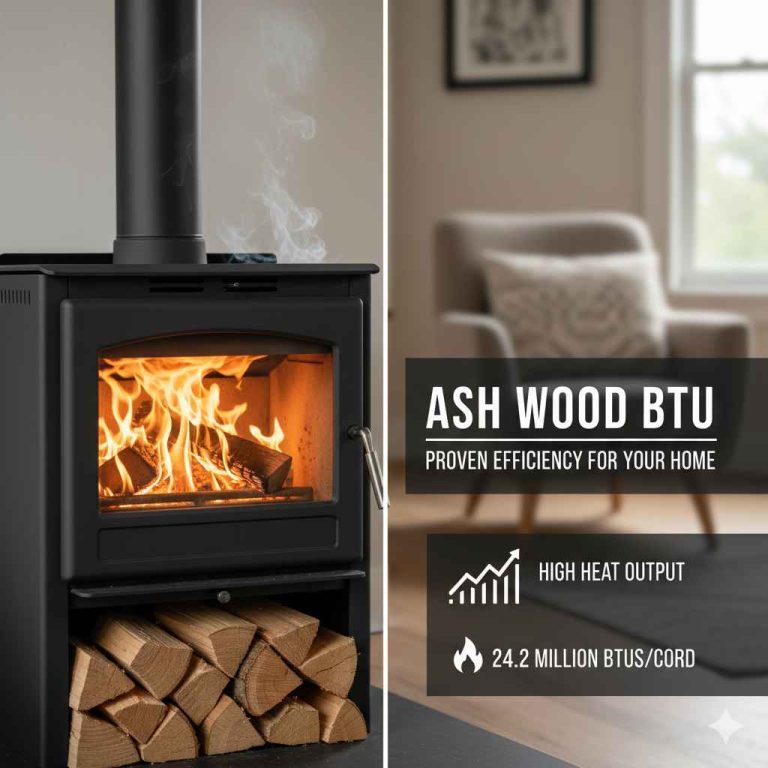
Hardwoods like oak, maple, hickory, and ash are denser than softwoods like pine or fir. This means they burn longer and hotter, providing more consistent heat. Softwoods are good for starting fires quickly but burn out fast.
For sustained warmth, hardwoods are the way to go. One cord of seasoned hardwood weighs about 3,500 to 4,500 pounds.
Always store your firewood off the ground and in a well-ventilated area. This helps it stay dry and prevents it from rotting. Avoid burning treated lumber, painted wood, or garbage, as these can release toxic fumes and damage your stove and chimney.
Starting and Managing the Fire
A good fire starts with proper technique. Learning to build and manage your fire will make a huge difference in how well your heater works.
- Kindling and Tinder: Start with small, dry pieces of wood, often called kindling. Place these on top of some tinder, which is very fine, easily ignitable material like dry leaves, birch bark shavings, or commercial fire starters.
- Building the Fire: Light the tinder. As the kindling catches fire, gradually add slightly larger pieces of dry wood. Allow good airflow. Don’t smother the flames.
- Loading Wood: Once you have a good bed of hot coals, you can add larger pieces of seasoned hardwood. Load the stove according to the manufacturer’s instructions, typically filling it about two-thirds full.
- Air Controls: Use the air intake controls on your stove to manage the burn rate. For starting a fire, open the controls fully to allow plenty of oxygen. Once the fire is established and you want it to burn longer and more slowly, reduce the airflow. Be careful not to close the air controls too much, as this can lead to smoldering fires that produce more creosote and less heat.
A common mistake is to try and burn wood that is too large for the stove. Smaller logs tend to burn more completely and efficiently in smaller stoves. The ideal log size for a small cast iron wood heater is typically 10-12 inches long.
Maintaining Optimal Heat Output
Keeping your stove running at its best requires attention to a few details. Consistent performance means consistent warmth for your home.
- Ash Removal: Regularly remove ashes from the firebox. A thick layer of ash can insulate the coals and reduce airflow, hindering combustion. Most stoves have an ash pan that should be emptied when it’s about half to two-thirds full.
- Glass Cleaning: If your stove has a glass door, cleaning it will allow you to better enjoy the fire and monitor your burn. A simple way to clean the glass is to use a damp paper towel dipped in the cold ashes from the stove. The fine ash acts as a gentle abrasive.
- Annual Inspections: Have your chimney and stove inspected annually by a certified professional. This is crucial for safety and to catch any potential problems early.
- Draft Management: Ensure your chimney is drafting properly. A good draft pulls air into the stove and smoke out. Cold weather and wind conditions can affect the draft.
Proper operation isn’t just about comfort; it’s also about safety. An efficiently burning fire produces fewer harmful emissions and less creosote, reducing the risk of chimney fires. Many users find that by following these simple operating principles, they can significantly extend the time their wood burns, providing longer periods of comfortable heat.
Statistics show that the average wood stove efficiency can range from 60% to over 80% for modern EPA-certified models. Older, non-certified stoves can be as low as 30-40% efficient. This difference can mean burning significantly less wood to achieve the same amount of heat.
For example, a 75% efficient stove can produce 15,000 BTUs of heat from 30,000 BTUs of potential energy in wood, while a 35% efficient stove might only produce 7,000 BTUs. This is why efficient operation is so important.
Troubleshooting Common Issues
Even with the best practices, you might run into a few snags with your small cast iron wood heater. Knowing how to fix common problems means you can get back to enjoying your warm home quickly.
Smoky Fires and Poor Draft
A common issue is a smoky fire or a stove that doesn’t seem to draw well. This usually points to a problem with airflow or the chimney’s ability to vent.
Reasons for Smoky Fires:
- Wet or Unseasoned Wood: Wood with a high moisture content smolders and produces a lot of smoke instead of burning cleanly. Ensure your wood is dry and seasoned.
- Blocked Air Vents: The air intake vents on your stove might be closed too much, or they could be clogged with ash or soot. Open them fully to check.
- Chimney Obstructions: Birds’ nests, debris, or even heavy creosote buildup can block the chimney.
- Cold Chimney: In cold weather, a cold chimney can struggle to create a strong draft. You can warm it up by lighting some crumpled newspaper or a small amount of kindling at the base before adding larger logs.
- Negative House Pressure: If your house is very airtight, especially with exhaust fans running (like in kitchens or bathrooms), it can create negative pressure. This can pull smoke back into the house. Crack a window open slightly to allow fresh air in.
If you suspect a chimney blockage, do not use the stove until it has been inspected and cleared by a professional. Trying to force air through a blocked chimney is ineffective and unsafe.
Inconsistent Heating
If your heater is not providing consistent warmth, there are a few things to check:
- Fuel Load: Are you adding enough wood? For consistent heat, you need to maintain a bed of hot coals. This usually means adding wood before the fire dies down too much.
- Wood Type: Burning only softwoods will lead to quick burn times and inconsistent heat. Mix in hardwoods for longer, steadier burns.
- Air Control Settings: Experiment with the air intake settings. If the fire is burning too fast and hot, reduce the airflow. If it’s smoldering and not producing much heat, increase the airflow.
- Stove Size vs. Room Size: If the stove is too small for the room, it might struggle to keep up, especially on very cold days.
A common scenario is people wanting their stove to burn all night on a low setting. While possible, this often leads to incomplete combustion and creosote. It’s generally better to let the fire burn down to coals and then reload it in the morning for optimal efficiency and safety.
Soot and Creosote Buildup
Soot is fine, dusty black powder. Creosote is a tar-like substance that forms when smoke condenses. Both indicate incomplete combustion and are fire hazards.
Causes and Solutions:
- Burning Green Wood: This is the primary cause. Always burn well-seasoned hardwood.
- Low Burn Temperatures: Smoldering fires that burn too cool create more creosote. Ensure you are getting your stove hot enough during operation.
- Restricted Airflow: Insufficient air means incomplete burning, leading to creosote. Make sure air vents are open enough.
- Poor Draft: If the chimney doesn’t vent properly, smoke can linger and cool, forming creosote.
Regular chimney cleaning is the best way to remove creosote. An annual inspection by a professional chimney sweep is highly recommended. They can assess the buildup and clean it safely.
A typical chimney cleaning might cost between $150 and $300, depending on your location and the complexity of the chimney.
If you notice excessive soot or creosote, it’s a strong signal to re-evaluate your burning practices and the quality of your firewood. A well-maintained stove and chimney are crucial for both safety and efficiency.
Frequently Asked Questions
Question: How often should I clean my small cast iron wood heater?
Answer: You should clean out the ashes whenever the ash pan is about half to two-thirds full. This is typically done daily or every few days, depending on usage. The chimney should be inspected and cleaned at least once a year by a professional.
Question: What is the best type of wood to burn in my heater?
Answer: The best wood is seasoned hardwood, such as oak, maple, or hickory. It should have a moisture content below 20%, which means it has been dried for at least six months to a year.
Question: Can I use my small cast iron wood heater as my primary heat source?
Answer: For many small homes, cabins, or well-insulated spaces, a small cast iron wood heater can serve as a primary heat source. However, for larger homes or extremely cold climates, it might be best used as a supplemental heat source.
Question: How do I know if my wood is dry enough to burn?
Answer: Dry wood will have cracks on the ends and will sound hollow when you bang two pieces together. It will also be lighter in weight than wet wood. You can also use a moisture meter, which should read below 20%.
Question: Is a small cast iron wood heater difficult to maintain?
Answer: With regular use and proper care, they are not difficult. The main tasks are adding wood, emptying the ash pan, and ensuring the chimney is cleaned annually. Following operating guidelines also helps.
Wrap Up
Your small cast iron wood heater can provide wonderful, cozy warmth. By understanding how to choose, install, and operate it safely, you ensure efficient heating. Keep your wood dry, your chimney clean, and your air flowing properly.
Enjoy the comforting heat and ambiance it brings to your home.