Staining Treated Wood Decks: Pro Tips for Rich Color
Getting your treated wood deck to look its best can seem tricky at first. Many people wonder how to achieve that rich, beautiful color they see in magazines or at friends’ homes. It’s easy to feel a little unsure about the right steps.
But don’t worry! This guide makes Staining Treated Wood Decks: Pro Tips for Rich Color simple with easy-to-follow advice. We’ll walk you through everything you need to know to make your deck look amazing.
Preparing Your Deck for Staining
Before any staining can happen, your deck needs to be prepped. This is the most important step for a great result. If you skip this part, your stain might not stick well or could end up looking blotchy.
Think of it like cleaning a canvas before you paint it. A clean, smooth surface is key for beautiful, even color.
Cleaning Your Deck
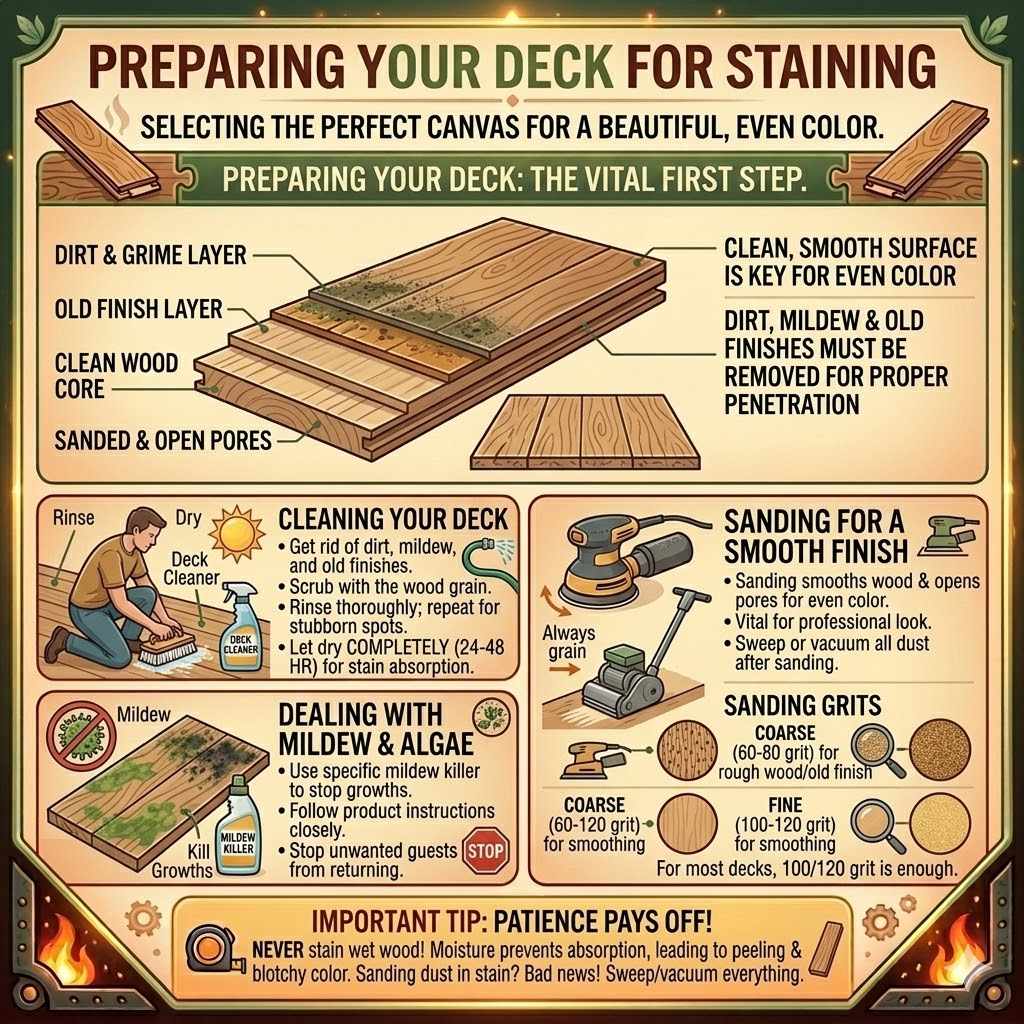
Cleaning is the first big step. You need to get rid of all the dirt, mildew, and old finishes. This ensures the new stain can soak into the wood properly.
Mildew can make your deck look gray and unhealthy. Old stain can peel and prevent new stain from adhering. Removing these things prepares the wood for its fresh new look.
- Scrubbing the DeckUse a stiff-bristled brush and a deck cleaner. Work the cleaner into the wood in the direction of the grain. Make sure to get into all the nooks and crannies.
- Rinse thoroughly with a garden hose. If you have stubborn spots, you might need to repeat this. A good scrub gets rid of surface grime.
- Dealing with Mildew and AlgaeMildew and algae love damp wood. They can make your deck look green or black. Use a cleaner specifically designed to kill these growths.
- You can find them at most hardware stores. Follow the product instructions carefully. Proper cleaning stops these unwanted guests from returning too soon.
- Rinsing and DryingAfter cleaning and rinsing, let the deck dry completely. This can take 24 to 48 hours, depending on the weather. Wood needs to be dry for the stain to penetrate.
- If you stain wet wood, the water can prevent the stain from absorbing properly. This can lead to peeling or uneven color. Patience here pays off.
Sanding for a Smooth Finish
Sanding smooths out the wood. It removes any raised grain from cleaning. It also helps create a surface where the stain can evenly absorb.
This is especially important if there are old coatings you couldn’t fully remove or if the wood feels rough.
- Sanding GritsStart with a coarser grit sandpaper, like 60 or 80 grit, if the wood is rough or has old finish. Then, move to a finer grit, like 100 or 120 grit, for a smoother feel. For most treated decks that are already in decent shape, a 100 or 120 grit is often enough.
- The goal is a smooth, even surface without splinters. This step is vital for that professional look.
- Using a SanderAn orbital sander or a floor sander can make this job easier. Always sand with the grain of the wood. Don’t stay in one spot too long, or you could create an uneven patch.
- After sanding, sweep or vacuum up all the dust. A clean surface after sanding is just as important as after washing. This dust can show up in your stain.
Choosing the Right Stain
Selecting the right stain is key to achieving the rich color you desire. There are many types of stains, and they all do slightly different things. Understanding these differences helps you pick the best one for your deck and your desired look.
The color and how long it lasts depend heavily on your choice.
Types of Deck Stains
Deck stains come in different opacities, from transparent to solid. Each offers a different look and level of protection. Knowing what each means helps you make an informed decision for your project.
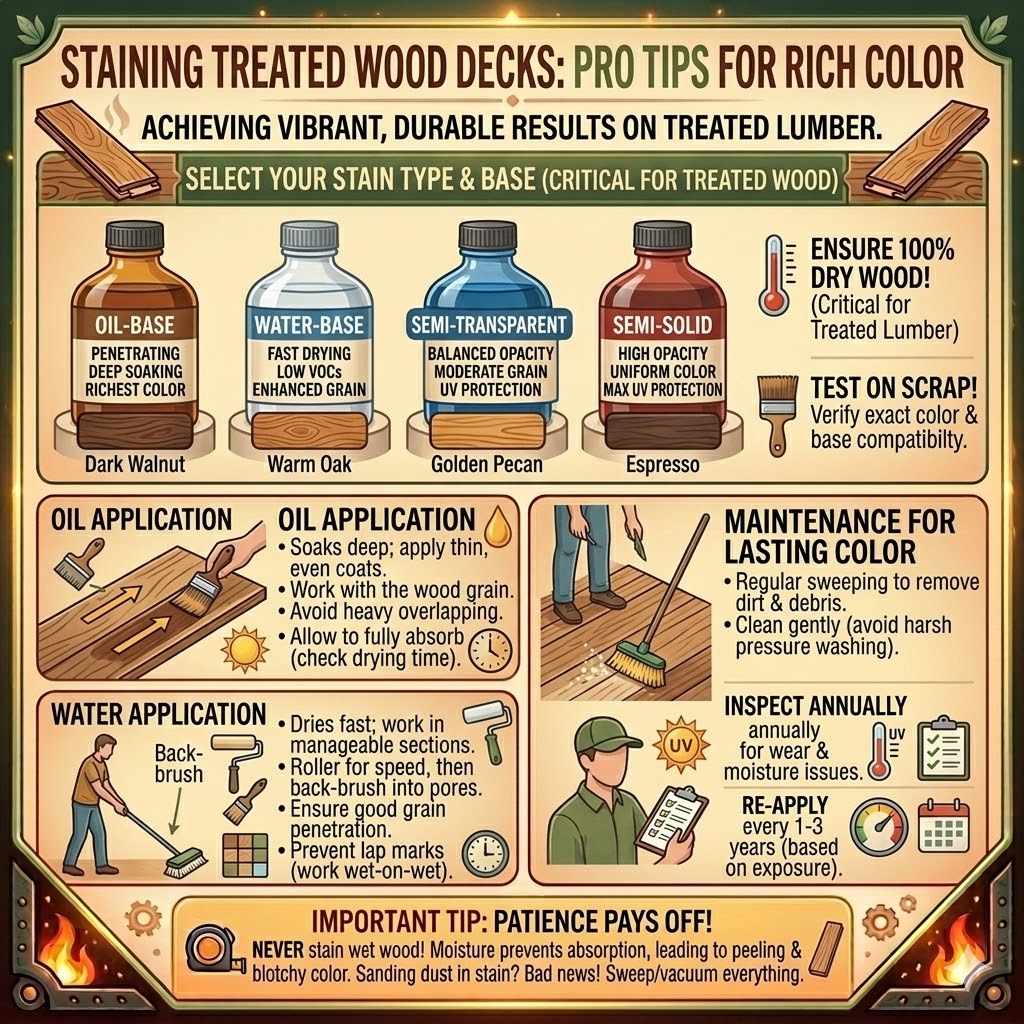
- Transparent StainsThese stains add a hint of color and UV protection but let the wood grain show through clearly. They offer the least amount of protection against wear and tear. They need to be reapplied more often, usually every year.
- They are good if you love the natural look of the wood and just want to enhance it slightly. They don’t hide imperfections.
- Semi-Transparent StainsThese stains offer more color than transparent stains. They still allow some of the wood grain to be visible, giving a natural yet colored appearance. They provide better UV protection and can last 2-3 years.
- This is a very popular choice because it balances natural wood beauty with added color and protection. It’s a good middle ground for many homeowners.
- Semi-Solid StainsThese have more pigment than semi-transparent stains. They hide more of the wood grain but still show some texture. They offer good UV protection and can last 3-4 years.
- They provide a more uniform color over the deck. If your deck has some minor imperfections, these can help cover them up.
- Solid Stains (Deck Paints)These act much like paint. They completely hide the wood grain and texture, giving a solid color finish. They offer the most UV protection and can last 5 years or more.
They require more prep to remove if you ever want to switch to a different type of finish. These are a good option for older decks with a lot of wear and tear.
Understanding Stain Base (Oil vs. Water)
The base of the stain affects how it penetrates and dries. Both have pros and cons, and the choice can impact application and durability.
- Oil-Based StainsOil-based stains penetrate deep into the wood fibers. This makes them very durable and resistant to cracking and peeling. They often enhance the natural beauty of the wood.
- They can take longer to dry and require mineral spirits for cleanup. They are great for adding a rich, warm tone. Many find they offer superior protection in harsh climates.
- Water-Based StainsWater-based stains are easier to use and clean up with soap and water. They dry faster than oil-based stains. Modern water-based stains offer excellent durability and color retention.
- They tend to sit more on the surface than oil-based stains, though good ones can still penetrate well. They are a more environmentally friendly option. They are often a preferred choice for DIYers due to ease of use.
Choosing a Color
Color is where you bring your deck to life. Think about the colors of your house and landscaping. You want a color that complements your home, not clashes with it.
Natural wood tones like cedar, redwood, or warm browns are always popular. Gray tones can give a modern look. Darker colors can make a deck feel more intimate, while lighter colors can make it feel more open.
The Staining Process Step-by-Step
Applying the stain correctly ensures a beautiful, long-lasting finish. Follow these steps carefully to get the best results. Proper technique makes a big difference in how your deck looks and how long the stain stays on.
Applying the First Coat
Always start with the first coat. It’s the foundation for the color and protection. Apply it evenly across the deck boards.
Don’t let it puddle or dry in patches, as this can lead to an uneven look.
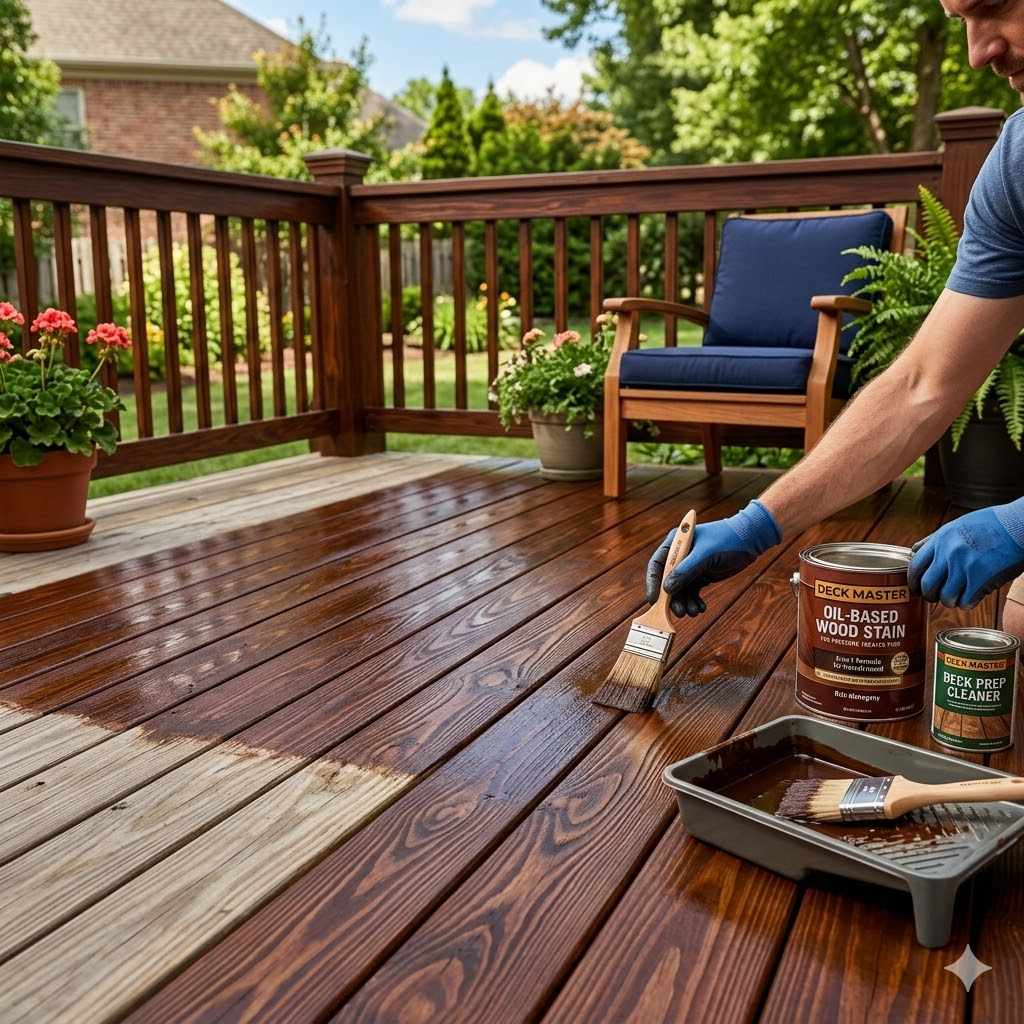
- Tools for ApplicationYou can use a brush, a roller, or a sprayer. For most decks, a good quality stain brush or a roller with a stain pad is best. A sprayer can be faster but requires more masking of surrounding areas and careful back-brushing to ensure even coverage.
- Brushes are great for getting into the gaps between boards. Rollers cover large areas quickly and evenly.
- Working with the GrainAlways apply the stain in the direction of the wood grain. This helps the stain penetrate the wood properly and gives a more natural look. Overlap your strokes slightly to avoid creating lines or uneven patches.
- Work in small sections so the stain doesn’t dry before you can spread it evenly. This technique is vital for a professional finish.
- Avoiding Puddles and DripsWipe up any excess stain that pools on the surface with a clean cloth. Puddles can lead to dark spots that might not dry correctly. If you’re using a sprayer, back-brush immediately to even out the coat.
- Drips can also create thick areas that don’t cure well. Vigilance during application prevents these issues.
Applying Subsequent Coats
Depending on the stain type and the look you want, you might need more than one coat. For semi-transparent or solid stains, a second coat can deepen the color and improve protection. For transparent stains, one coat is usually enough.
- Drying Times Between CoatsAlways allow the recommended drying time between coats. This information is on the stain can. Rushing this step can cause the wet stain to lift or smear.
- Most water-based stains need 2-4 hours, while oil-based stains might need 12-24 hours. Proper drying ensures adhesion and durability.
- Checking for EvennessAfter the first coat is dry, check for any missed spots or uneven areas. You can gently run your hand over the surface. If you feel rough patches or see light spots, address them with your second coat.
This is your chance to perfect the look. A little touch-up now saves a lot of hassle later.
Dealing with Tough Spots and Edges
Edges and areas where boards meet can be tricky. Pay special attention to these spots. They often get more wear and tear.
Using a smaller brush can help you get into tight spaces precisely.
- Edge WorkUse a quality angled brush to get a clean line along the house, railings, and any other borders. This prevents stain from getting where you don’t want it. A steady hand here makes a big difference in the final appearance.
- It looks much more professional when edges are clean and crisp.
- Gaps Between BoardsMake sure to get stain into the gaps between the deck boards. This protects the wood from moisture and also helps the overall color look consistent. A smaller brush or a putty knife can help push stain into these areas.
This thoroughness prevents rot and extends the life of your deck.
Maintenance and Longevity
Once your deck is stained, you want to keep it looking great for as long as possible. Regular maintenance is the key to longevity. This means a little bit of work each year can save you from major refinishing jobs later.
Regular Cleaning and Inspections
Keep your deck clean from leaves, dirt, and debris. These can trap moisture and promote mold or mildew growth. Regularly check your deck for any signs of wear, such as peeling stain or graying wood.
Addressing small issues early prevents them from becoming big problems.
- Annual CleaningGive your deck a good cleaning once a year, usually in the spring. Use a mild deck cleaner and a soft brush. Rinse thoroughly and let it dry completely.
- This removes accumulated dirt and grime. It also refreshes the surface for a better appearance. A clean deck is a happy deck.
- Spot RepairsIf you notice any small areas where the stain is wearing off, touch them up. Lightly sand the area, clean it, and apply a thin coat of the same stain. This prevents water from seeping into the exposed wood.
It maintains the protective barrier. Small fixes now prevent larger problems down the road.
When to Re-Stain
The frequency of re-staining depends on the type of stain used, the climate, and how much your deck is used. Generally, transparent and semi-transparent stains need reapplication every 1-3 years. Semi-solid and solid stains can last 3-5 years or more.
- The Water TestA simple water test can tell you if it’s time to re-stain. Sprinkle some water on the deck. If the water beads up, the stain is still protecting the wood.
- If the water soaks into the wood, it’s time to reapply. This test is quick and effective. It shows you the condition of your deck’s protection.
- Signs of WearBesides the water test, look for areas where the stain has faded significantly or is peeling. If the wood starts to look gray, it’s losing its protection from the sun’s UV rays. These visual cues are important indicators.
Don’t wait until the wood starts to show serious damage.
Staining Treated Wood Decks: Pro Tips for Rich Color
Achieving a rich, vibrant color on your treated wood deck is very possible with the right approach. It involves careful preparation, choosing the correct stain for the look you want, and applying it with attention to detail. Remember that treated wood can be more prone to absorbing moisture, so ensuring it’s completely dry is critical.
Following these steps, from thorough cleaning and sanding to selecting the right stain opacity and base, and then applying it evenly, will lead to a beautiful, durable finish. Regular maintenance will keep your deck looking its best for years to come. Enjoy your newly transformed outdoor space!
Frequently Asked Questions
Question: How long should I wait after buying treated lumber before staining it?
Answer: It’s best to let treated lumber dry for at least 48 hours after installation. However, some sources recommend waiting several weeks or even months, as treated wood can hold a lot of moisture. A simple water test can help you determine if it’s dry enough; if water beads up, it’s too wet.
If it soaks in, it’s likely ready.
Question: Can I stain over an existing stain that is still in good condition?
Answer: Yes, if the existing stain is in good condition and clean, you can usually stain over it. However, if you are switching from an oil-based to a water-based stain, or vice versa, it’s essential to prep the surface properly. Light sanding and thorough cleaning are recommended for good adhesion.
Question: What is the best time of year to stain a deck?
Answer: The best time to stain a deck is during mild, dry weather. Avoid extremely hot or cold temperatures, and steer clear of rainy days or periods of high humidity. Temperatures between 50°F and 80°F (10°C and 27°C) are generally ideal.
Check the weather forecast for a few days before and after staining.
Question: Do I need to seal my deck after staining?
Answer: Most deck stains are designed to act as both a colorant and a sealer. They contain pigments for UV protection and binders to create a protective film. Therefore, an additional sealer is typically not necessary after applying a quality deck stain.
Always check the product label to confirm.
Question: How can I make sure my stain color turns out evenly?
Answer: Even application is key. Work in small sections, maintaining a wet edge so that fresh stain blends seamlessly into the previously applied area. Avoid letting stain dry in patches.
Applying stain in the direction of the wood grain and ensuring the wood is uniformly clean and dry also contribute to an even finish.
Final Thoughts
Achieving a beautiful, rich color on your treated wood deck is a rewarding project. Proper preparation, choosing the right stain, and careful application are the keys to success. Follow these pro tips for a deck that looks stunning and lasts for years.