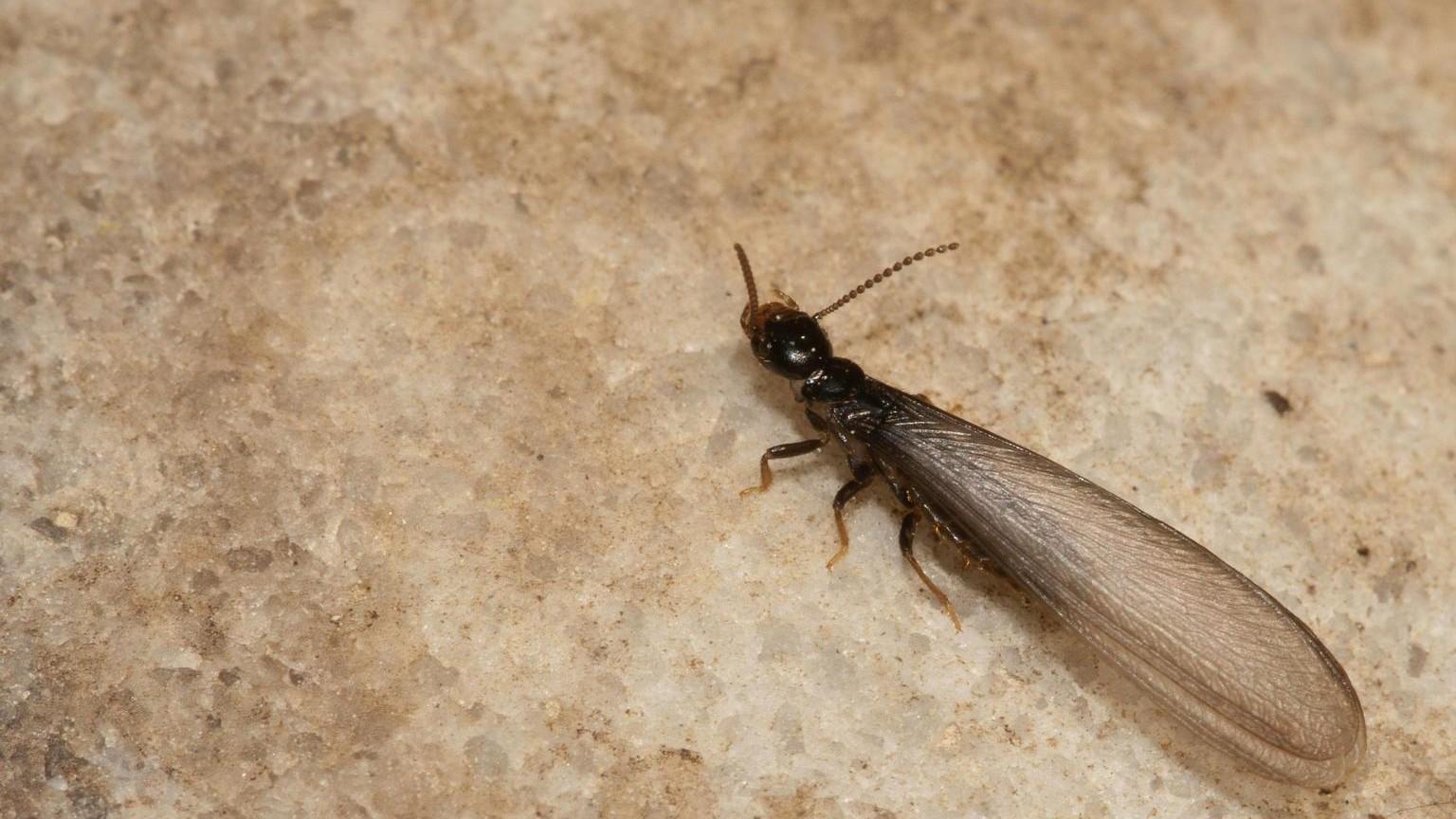
Subterranean Termite Swarmer: Identifying and Preventing Infestations
Subterranean termite swarmers are a common concern for homeowners. These pests can cause significant damage if not addressed promptly.
Termites might be tiny, but their impact on your home can be huge. Subterranean termite swarmers are the winged members of the colony, responsible for starting new colonies. They are often the first sign of a termite problem. Spotting them can be alarming, but understanding what they are and what they do is crucial.
This introduction will help you learn about subterranean termite swarmers. We will discuss their behavior, signs of infestation, and effective prevention methods. By knowing more, you can protect your home from these destructive pests. Stay informed and keep your property safe.
Introduction To Subterranean Termite Swarmers
Hey friends, today we’re diving into the world of subterranean termite swarmers. These little insects can cause big problems if they find their way into your home. But don’t worry, understanding them is the first step to protecting your property.
Termite Swarmers Defined
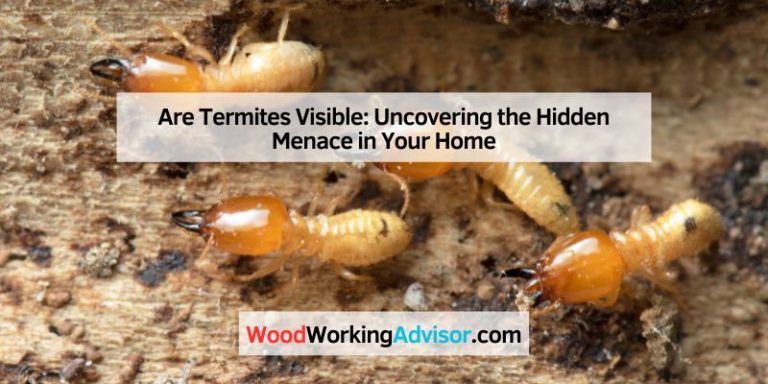
So, what exactly are termite swarmers? Simply put, they are the reproductive members of a termite colony. These swarmers are the ones responsible for starting new colonies. They have wings and are often seen flying around in large numbers during certain times of the year.
Here’s a quick overview:
- Appearance: Winged, dark-colored insects.
- Behavior: Fly in swarms, especially after rain.
- Purpose: Start new colonies by mating and establishing new nests.
Importance Of Early Detection
Why is it crucial to detect these swarmers early? Well, catching them early can save you a lot of trouble and money. Here’s why:
- Prevent Damage: Early detection can prevent extensive damage to your home. Termites can eat through wood and weaken the structure of your house.
- Save Money: The sooner you find them, the less you’ll have to spend on repairs and treatments.
- Peace of Mind: Knowing that your home is safe from termites can give you peace of mind. No one wants to worry about their house falling apart.
I remember a time when my friend found termite swarmers in his kitchen. He acted quickly, and luckily, the damage was minimal. If he had waited, it could have been a much bigger issue.
The good news? You can spot these swarmers if you know what to look for. Keep an eye out for flying insects around your home, especially after rain, and check for discarded wings near windowsills and doors. These are signs that termites might be around.
In conclusion, understanding and detecting subterranean termite swarmers early can save you a lot of hassle. Stay vigilant, and your home will thank you for it!
Life Cycle Of Subterranean Termites
Subterranean termites are fascinating insects. They have a complex life cycle that ensures their survival and growth. Understanding their life cycle helps in managing these pests effectively.
Stages Of Development
Subterranean termites go through several stages. They start as eggs. The queen lays these eggs deep in the nest. After hatching, the eggs become larvae. Larvae grow and shed their skin. This process is called molting. They molt several times before becoming nymphs.
Nymphs continue to develop. They can become workers, soldiers, or alates. Workers gather food and build tunnels. Soldiers protect the colony. Alates, also known as swarmers, are the future kings and queens. They leave the nest to start new colonies.
Role Of Swarmers
Swarmers play a vital role in the termite life cycle. They ensure the spread of the colony. During spring, swarmers leave the nest. They fly in large groups. This is called a swarming event. After flying, they land and shed their wings.
Next, they find a mate. Pairs of swarmers seek a new place to start a colony. They dig into the soil and create a small chamber. The female becomes the queen. The male becomes the king. Together, they begin a new colony. The cycle continues.
Identifying Subterranean Termite Swarmers
Hey friends, today we’re diving into the world of subterranean termite swarmers. These little critters can be a big problem if not identified early. But don’t worry, I’ll help you spot them with ease. Let’s get started by looking at their physical characteristics and behavioral traits.
Physical Characteristics
Subterranean termite swarmers have some distinct features that make them easy to identify. Here’s a quick rundown:
- Size: They are typically about 1/4 to 1/2 inch long, including their wings.
- Color: They usually have a dark brown or black body, making them stand out from other insects.
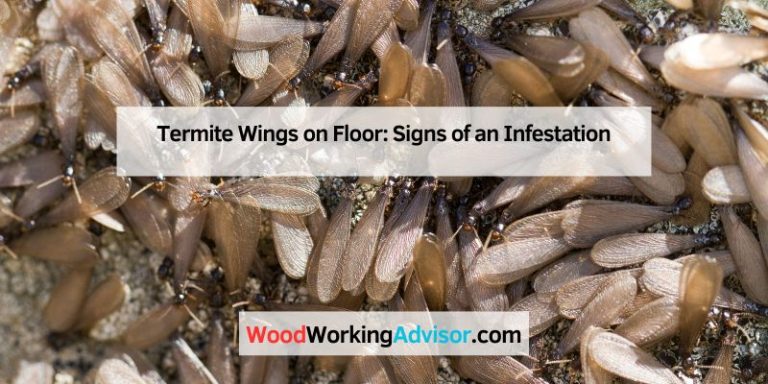
- Wings: One of their most noticeable features is their wings. They have two pairs of wings, which are equal in size and shape. The wings are translucent and often have a milky appearance.
- Antennae: Their antennae are straight and bead-like, unlike the bent antennae of ants.
Imagine spotting a tiny dark insect with translucent wings. That’s a good sign it’s a termite swarmer.
Behavioral Traits
Now, let’s talk about how these swarmers behave. Understanding their habits can help you identify them more easily.
- Swarming Season: Subterranean termite swarmers typically emerge during the spring. They leave their colonies in large groups to find new places to start their own colonies.
- Attracted to Light: You’ll often find them near windows or light sources because they are attracted to light. This makes them easier to spot indoors.
- Short-lived Swarms: The swarming event doesn’t last long. It usually happens in the late morning or early afternoon and only lasts for about 30 minutes to an hour.
- Discarded Wings: After swarming, these termites shed their wings. You might find piles of wings near windows or other light sources.
Think of it like this: If you see a bunch of insects with wings around your windows, and then find tiny wings scattered around, you might have a termite situation.
With these tips, you should be able to spot subterranean termite swarmers easily. Remember, early identification is key to preventing damage to your home. Stay vigilant, and if you see signs, it might be time to call a professional.
.jpg)
Credit: extension.msstate.edu
Signs Of Infestation
Hey friends, today let’s talk about the signs of infestation by subterranean termite swarmers. These tiny but destructive pests can cause serious damage to your home if not detected early. Knowing the signs can help you take action before it’s too late. Let’s dive into the key indicators to look out for.
Visual Indicators
One of the first things you might notice are the visual indicators of termite activity. These signs can be easy to spot if you know what to look for:
- Discarded Wings: Termite swarmers shed their wings after they mate. You might find these near windowsills or light sources.
- Mud Tubes: Termites build these pencil-thin tubes to travel and protect themselves from air and predators. Check along your foundation or in your basement.
- Swarmers: During swarming season, you might see these winged termites flying around your home. They are often mistaken for flying ants.
If you see any of these signs, it’s time to investigate further.
Damage To Structures
Termites can cause serious damage to the wooden structures in your home. Here are some common signs of damage you should be aware of:
- Hollow-sounding wood: Tap on wooden surfaces. If it sounds hollow, termites might have eaten the wood from the inside.
- Cracked or bubbled paint: As termites tunnel through wood, they can cause paint to crack or bubble. This is a telltale sign of an infestation.
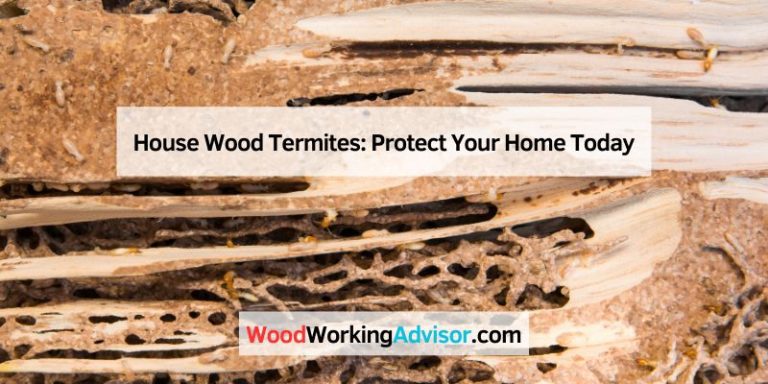
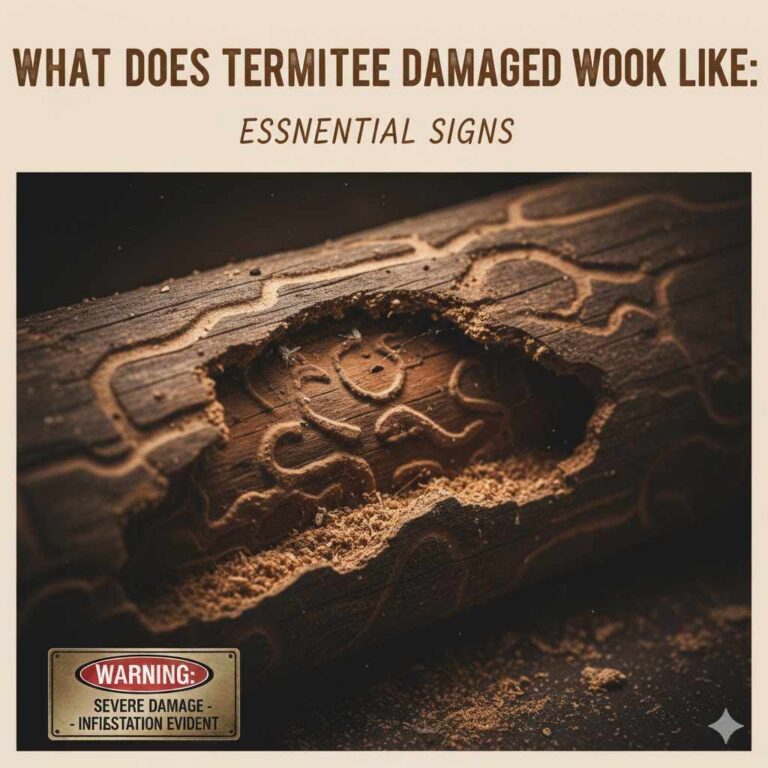
- Visible damage: You might see actual damage to wood, such as small holes or galleries. This is a clear indicator of termite activity.
Remember, termites work from the inside out, so the damage might not be immediately visible. Regular inspections are key.
In my experience, spotting these signs early can save you a lot of trouble. Once, I noticed tiny mud tubes along my basement wall. Turns out, it was a termite infestation. Acting quickly, I called a professional and prevented further damage. So, keep an eye out and don’t hesitate to seek help if you suspect termites.
Understanding these signs can make a big difference in protecting your home. Stay vigilant and take action at the first sign of trouble.
Preventing Termite Infestations
Hey friends, today we’ll talk about keeping your home safe from termite infestations. Subterranean termites are sneaky. They hide underground and can cause serious damage to your house. But don’t worry, there are ways to prevent them from invading your home. Let’s dive into some easy tips.
Home Maintenance Tips
Good home maintenance can go a long way in preventing termite infestations. Here are some simple steps you can take:
- Keep it dry: Termites love moisture. Fix any leaks in your plumbing or roof. Make sure your gutters are clean and that water drains away from your house.
- Store wood properly: Keep firewood, lumber, or any wood debris away from your house. Store them at least 20 feet away and off the ground if possible.
- Seal cracks: Check for cracks in your foundation, walls, and floors. Seal them to prevent termites from sneaking in.
- Ventilation: Make sure your crawl spaces and attics are well-ventilated to reduce moisture.
- Regular inspections: Have a professional inspect your home for termites at least once a year. Early detection can save you a lot of trouble.
Chemical Barriers
Sometimes, home maintenance isn’t enough to keep termites away. That’s where chemical barriers come in handy. They create a protective shield around your home that termites can’t cross. Here are some types of chemical barriers:
- Liquid termiticides: These are applied to the soil around your home. They create a barrier that termites can’t penetrate.
- Bait systems: Baits are placed around your home. Termites eat the bait and carry it back to their colony, which helps to eliminate the entire colony.
- Wood treatments: Chemicals can be applied directly to wood to make it less appealing to termites.
Using chemical barriers can be very effective. But it’s important to follow the instructions carefully. You may also want to hire a professional to ensure everything is done correctly.
So, there you have it! By following these tips, you can keep your home safe from subterranean termites. Remember, a little prevention goes a long way. Stay vigilant and protect your home.

Credit: extension.msstate.edu
Natural Methods Of Control
Subterranean termite swarmers can be a menace to homes. Using natural methods helps control their population without harming the environment. These methods are safe and effective. Let’s explore some of these natural solutions.
Beneficial Nematodes
Beneficial nematodes are tiny worms. They can help control termite populations. These worms enter the termite’s body and release bacteria. This bacteria kills the termite from the inside. Sprinkle nematodes in the affected areas. They are harmless to humans and pets. Use them when the soil is moist for best results.
Essential Oils
Essential oils are another effective method. They repel termites and disrupt their natural behavior. Orange oil contains d-limonene. This compound kills termites on contact. Apply orange oil to infested wood. It penetrates deep and kills hidden termites.
Neem oil is also useful. It prevents termites from feeding and laying eggs. Spray neem oil on affected areas. Repeat the process every few days for better results.
Professional Pest Control Solutions
Hey friends, today we are diving into the world of subterranean termites. These little creatures can cause big problems. But don’t worry, there’s help! Professional pest control solutions can save your home from these pests. Let’s explore when to call an expert and the types of treatments available.
When To Call An Expert
Spotting subterranean termites early can save you a lot of trouble. Here are some signs that you need to call a pest control expert:
- Mud Tubes: These are small tunnels made of soil and wood. They are often found on walls or foundations.
- Damaged Wood: If you see wood that is hollow or has tiny holes, termites might be the culprits.
- Swarmers: These are winged termites that come out in groups. They are looking for a new place to start a colony.
- Frass: This is termite droppings. It looks like small piles of sawdust.
Seeing any of these signs? It’s time to call in the experts. They have the tools and knowledge to handle these pests effectively.
Types Of Treatments
There are several treatments available for dealing with subterranean termites. Here are the most common ones:
- Liquid Termiticides: These are chemicals that create a barrier around your home. Termites can’t cross this barrier without being killed.
- Bait Systems: Baits are placed around your home. Termites eat the bait and carry it back to their colony, which helps to eliminate the entire colony.
- Fumigation: This method involves covering your home with a tent and filling it with gas to kill the termites. It’s usually for severe infestations.
- Heat Treatment: This method uses high temperatures to kill termites. It’s a chemical-free option.
Each treatment has its pros and cons. A professional can help you choose the best one for your situation.
So, friends, if you suspect you have subterranean termites, don’t wait. Call a professional. They can help you get rid of these pests and keep your home safe. Thanks for reading, and stay pest-free!
Long-term Termite Management
Subterranean termite swarmers can cause severe damage to homes. Long-term management is essential to protect your property. Effective strategies focus on regular inspections and integrated pest management. These approaches help detect and control termites early.
Regular Inspections
Regular inspections are key to long-term termite management. Schedule professional inspections at least once a year. Inspectors can identify early signs of termite activity. They check for mud tubes, damaged wood, and termite droppings. Regular inspections help catch infestations before they worsen.
Integrated Pest Management
Integrated Pest Management (IPM) combines various control methods. It focuses on prevention, monitoring, and control. Start with reducing moisture around your home. Fix leaks and ensure proper drainage. Remove wood debris and keep firewood away from the house.
Next, use baiting systems to monitor and control termites. Bait stations attract termites and expose them to slow-acting insecticides. This method targets the colony and reduces the population.
Another IPM strategy is using chemical barriers. Apply termiticides around the foundation of your home. These chemicals repel termites and prevent them from entering your property.
Combine these methods for an effective long-term termite management plan. Regular monitoring and preventive measures help protect your home from termite damage.
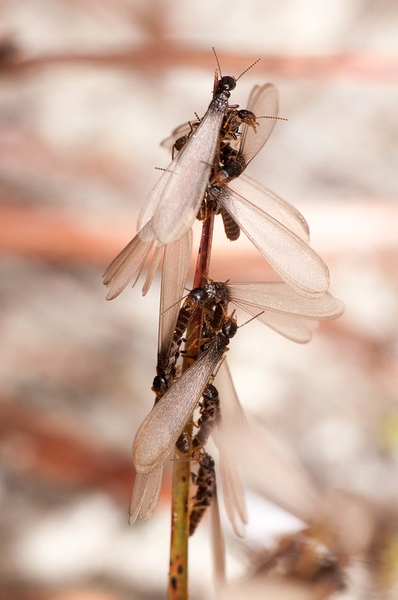
Credit: content.ces.ncsu.edu
Frequently Asked Questions
Do Swarmers Mean I Have Termites?
Yes, swarmers indicate you might have termites. They are a sign of an existing termite colony nearby. Inspect your property for further evidence of infestation.
How Do You Get Rid Of Subterranean Termite Swarmers?
To get rid of subterranean termite swarmers, use termite baits or liquid termiticides. Seal entry points and reduce moisture. Consult professionals for effective treatment.
Should I Worry About Subterranean Termites?
Yes, you should worry about subterranean termites. They cause significant damage to homes by feeding on wood structures. Regular inspections and preventive treatments are essential to protect your property. Act promptly if you suspect an infestation.
What Months Do Subterranean Termites Swarm?
Subterranean termites typically swarm during the spring months, especially after a rain. This usually occurs from March to May.
Conclusion
Subterranean termite swarmers are a serious threat to your home. They cause damage quickly. Early detection is crucial. Regular inspections help prevent infestations. Protect your home with termite barriers. Seek professional help for severe problems. Stay vigilant and informed. Your home’s safety depends on it.
Don’t ignore the signs of termites. Take action now. Save money and stress later. Keep your property termite-free and secure.