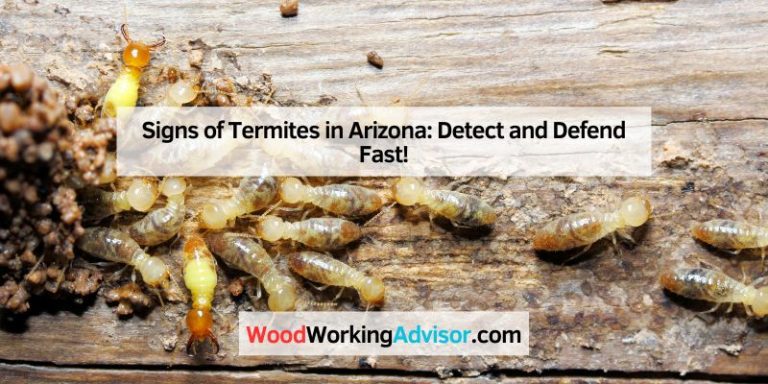
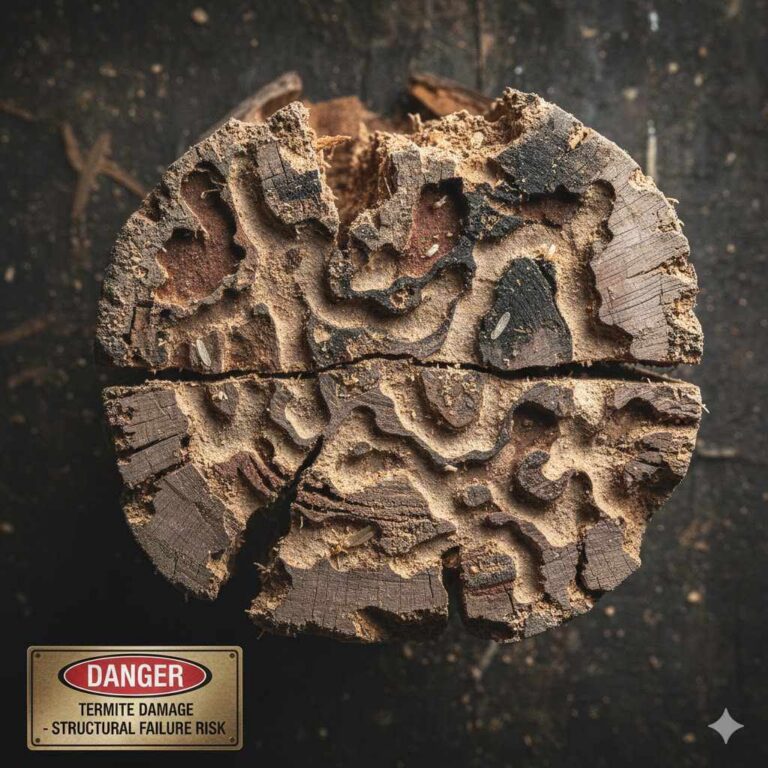
Subterranean Termites vs Drywood: Key Differences
Figuring out the differences between Subterranean Termites vs Drywood: Key Differences can seem tricky, especially if you’re just starting. These pests can cause a lot of damage, but knowing how to tell them apart is the first step in protecting your home. Don’t worry, though; it’s easier than you think! This guide will break down the differences in a simple, step-by-step way. We’ll explore where they live, what they eat, and the signs they leave behind, so you can easily identify them. Let’s get started!
Where They Build Their Homes
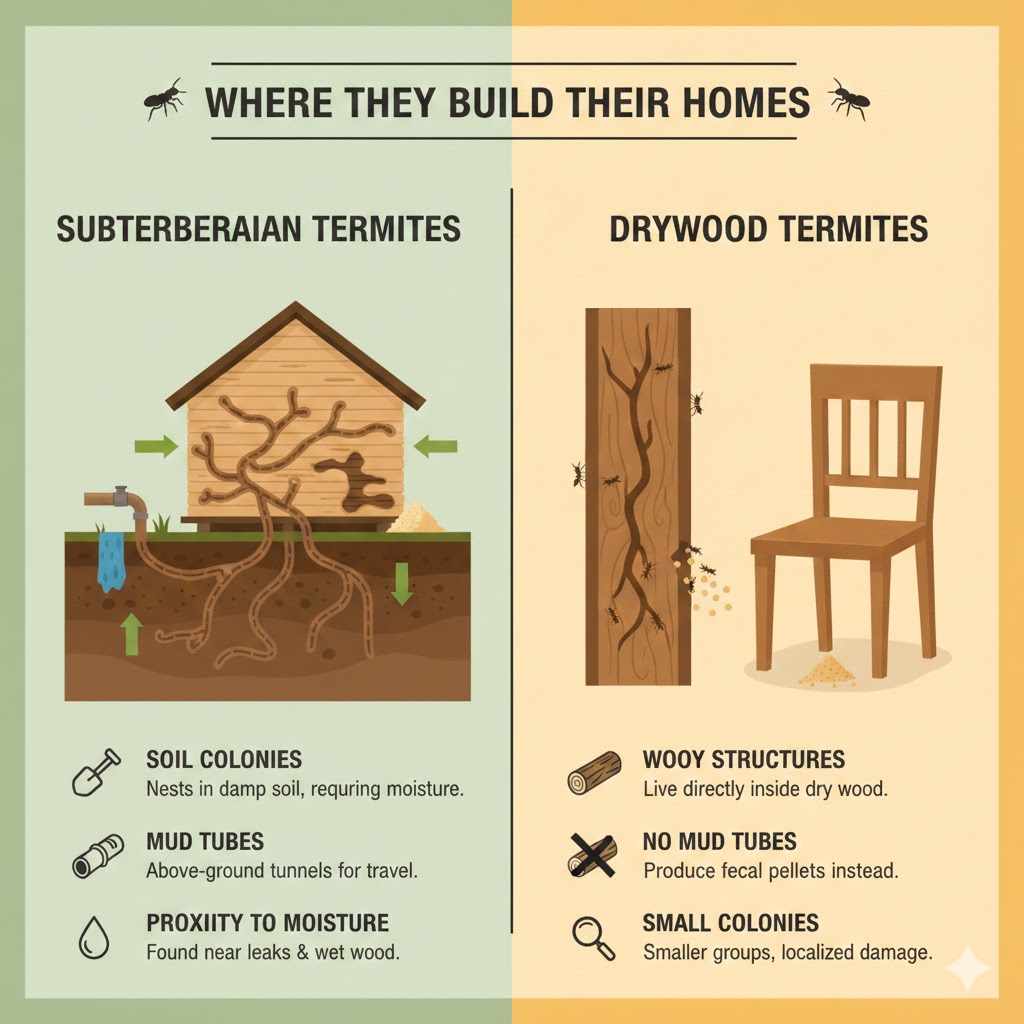
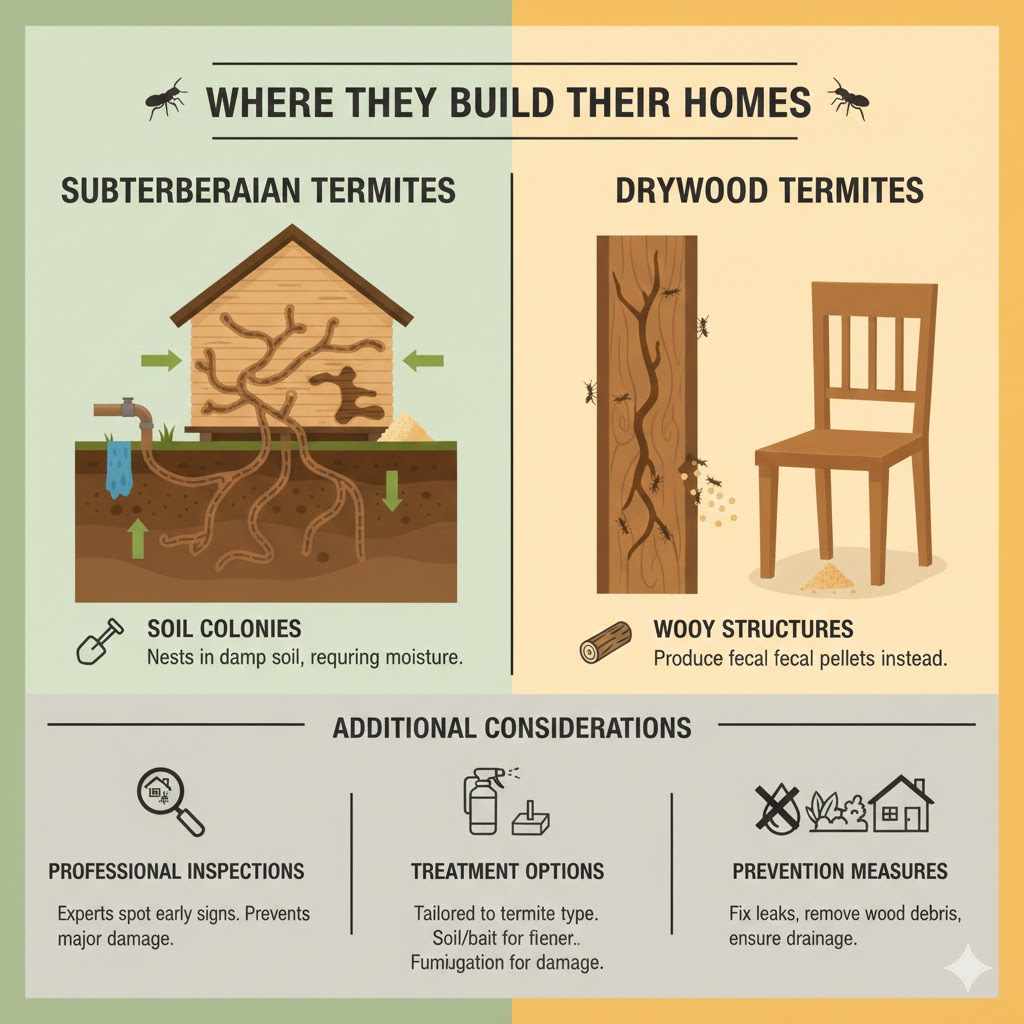
The first big difference between these two types of termites lies in where they choose to make their nests. Subterranean termites, as the name suggests, live underground. They build colonies in the soil, often near sources of moisture. They then travel through the soil and into your home to find food. Drywood termites, on the other hand, don’t need contact with the ground. They build their colonies directly inside dry wood, such as in walls, furniture, or wooden structures. This difference in habitat is a key clue when trying to identify which type you might have.
Subterranean Termite Habitats
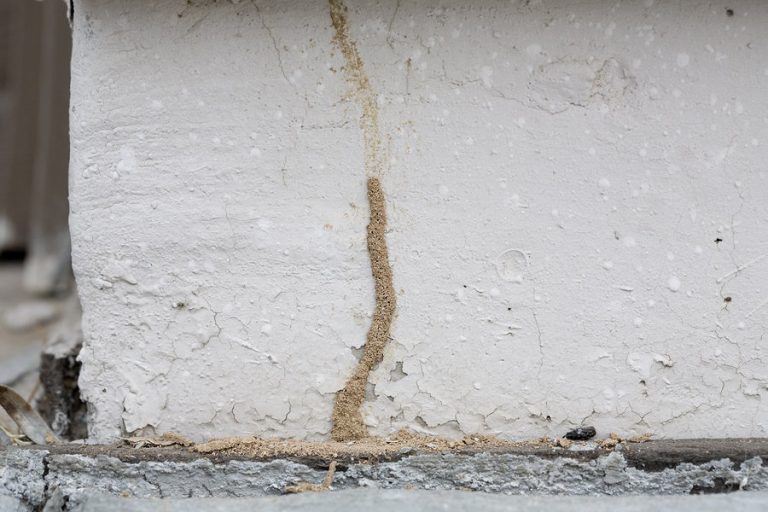
Subterranean termites require moisture to survive, so they thrive in damp environments. They build elaborate tunnel systems underground to reach food sources, like the wood in your home. They can travel far from their colony to feed, meaning that even if you don’t see them directly, they might be munching on your wooden structures. Because they live in the soil, they often create mud tubes, which are pathways they use to travel between their nest and their food source. Spotting these mud tubes is a telltale sign of a subterranean termite infestation.
Soil Colonies: Subterranean termites construct their primary nests in the soil, establishing complex colonies that can house thousands, or even millions, of individuals.
Their preference for soil is linked to their need for moisture, which they require to survive. The soil provides a stable, humid environment that supports their colonies and their activities.
Mud Tubes: These termites build mud tubes to travel between their underground colonies and food sources, such as wood in buildings.
These tubes protect the termites from exposure to air and predators and help them maintain the necessary humidity. The presence of mud tubes is a direct indicator of subterranean termite activity.
Proximity to Moisture: These termites are often found near sources of moisture, such as leaky pipes, areas with poor drainage, or wood that’s in contact with the ground.
Moisture is essential for their survival, influencing their habitat choices and movement patterns. Controlling moisture can greatly limit their activity in and around your home.
Drywood Termite Habitats
Drywood termites have a much simpler life. They don’t need contact with the soil and can establish colonies right within the wood they consume. This means they are often found inside walls, furniture, and wooden structures. Unlike subterranean termites, they don’t create mud tubes. Instead, they produce fecal pellets, which look like tiny, sand-like droppings, that can be a key sign of their presence. Their colonies are smaller than those of subterranean termites, but they can still cause significant damage over time.
Woody Structures: Drywood termites live within the wood they consume, creating their colonies inside wooden structures.
They prefer dry wood with a low moisture content. This wood can include framing lumber, furniture, and other wooden objects within a home. They do not need a connection to the ground.
No Mud Tubes: Unlike subterranean termites, drywood termites don’t build mud tubes.
Instead, they create galleries within the wood and kick out small, dry fecal pellets. Finding these pellets is a common indicator of a drywood termite infestation.
Small Colonies: Compared to subterranean termites, drywood termite colonies are generally smaller, containing fewer individuals.
However, this doesn’t mean they cause less damage; their localized feeding can still weaken wooden structures over time. They tend to be more problematic in warmer climates.
What They Eat
Both types of termites eat wood, but their feeding habits and preferences can vary. Subterranean termites tend to consume all parts of the wood, including the softer parts like the springwood. Drywood termites, on the other hand, may be more selective, sometimes eating only certain sections of the wood. This difference can affect the pattern of damage you see in your home. Understanding what each type prefers helps you identify the extent and type of damage.
Subterranean Termite Dietary Choices
Subterranean termites have a wide diet, focusing on the cellulose found in wood. They’re not particularly picky. They feed on all parts of the wood, consuming both the soft springwood and the harder summerwood. They often hollow out wood along the grain, leaving a thin layer on the surface, which can be easily mistaken for surface damage. They can also feed on paper, cardboard, and other cellulose-based products. Their ability to consume a variety of materials makes them a serious threat to any home.
Cellulose Preference: Subterranean termites primarily eat cellulose, the main component of wood.
They break down this complex sugar with the help of microorganisms in their gut, which allows them to digest wood. This makes wooden structures their primary food source.
All Wood Parts: Unlike some other types of termites, subterranean termites consume all parts of the wood, including both the springwood and the summerwood.
This comprehensive feeding habit means they can cause significant structural damage relatively quickly. They feed on all types of wood, regardless of its age or condition.
Beyond Wood: Subterranean termites aren’t limited to just wood. They’ll also eat paper, cardboard, and other materials containing cellulose.
This extends their potential food sources and the areas they might target in your home, including stored documents, books, and even drywall that contains wood pulp.
Drywood Termite Dietary Habits
Drywood termites also eat wood, but they have a slightly different approach. They consume the wood directly, and while they can feed on all types of wood, they may sometimes prefer certain types or parts. They often leave a characteristic damage pattern, with galleries that go across the wood grain. This can result in a more patchy appearance compared to the more thorough damage caused by subterranean termites. Their feeding habits influence the type and extent of damage you’ll see.
Wood Direct Consumption: Drywood termites consume wood directly to survive.
They feed on the cellulose within the wood, extracting the nutrients they need. They don’t require soil contact, so they can directly infest wooden structures.
Selective Feeding: While drywood termites consume all wood types, they may show preferences for certain kinds.
This can lead to varied damage patterns, depending on the wood they are feeding on. This behavior contributes to the unique damage profiles seen in affected homes.
Gallery Creation: Drywood termites create galleries or tunnels within the wood as they feed, which can be seen by tiny holes in the surface.
These galleries are often smooth-walled and filled with their fecal pellets. Their feeding habits, combined with colony behavior, lead to distinctive structural damage.
Signs of Infestation
Spotting the signs of a termite infestation is critical to preventing extensive damage. The signs vary depending on whether you’re dealing with subterranean or drywood termites. Subterranean termites leave behind mud tubes and may cause damage that’s hidden behind walls or floors. Drywood termites, on the other hand, often leave telltale fecal pellets and small holes. Understanding what to look for can help you identify a problem early, reducing repair costs.
Indications of Subterranean Termites
Detecting subterranean termites often involves looking for signs of their activity around your home. Mud tubes are a clear indicator, as are areas of damaged wood that look like they’ve been eaten from the inside out. You might also notice swarmers, which are winged termites that emerge to start new colonies. These swarmers can indicate a nearby infestation. Regular inspections, especially in areas with high moisture, can help spot these clues early.
Mud Tubes: These tubes are a key sign. They are constructed by subterranean termites to travel from their underground colonies to food sources.
These tubes are made of soil, wood, and other materials. Their presence often indicates active termite activity, especially near wooden structures.
Damaged Wood: Subterranean termites consume wood from the inside out, leaving the surface intact.
This feeding pattern creates a hollowed-out appearance, which can be hard to notice until it becomes severe. Inspect areas where wood meets the ground.
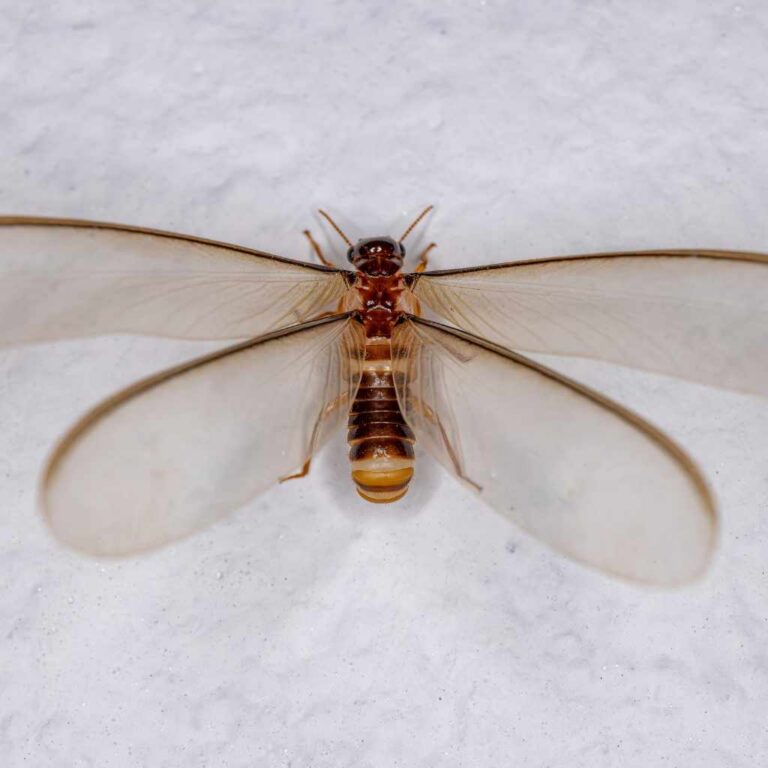
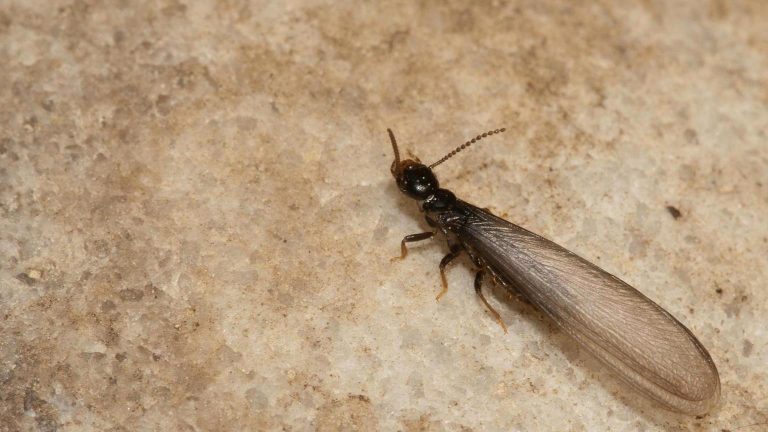
Swarmers: Winged termites, called swarmers, are another sign. They emerge from existing colonies to start new ones, typically in the spring.
Finding swarmers in or around your home indicates a nearby colony, and it is a signal of active infestation that needs attention.
Drywood Termite Warning Signs
Drywood termites leave their own distinctive clues. You might find small, dry fecal pellets near infested wood, which are often mistaken for sawdust. They also create small holes in wood where they kick out these pellets. If you see swarmers, these termites emerge from small holes in the wood. These clues can help identify where the termites are located and how extensive the infestation may be. Regular inspections of wooden structures, especially in attics or crawl spaces, are vital.
Fecal Pellets: Drywood termites leave small, dry fecal pellets, which look like tiny grains of sand or coffee grounds.
These pellets are often found near infested wood and are a clear sign of their activity. Their presence is a telltale sign of infestation.
Holes in Wood: Small holes in wood are another clue. These are exit points where termites push out their fecal pellets.
The holes are usually small, but their presence can indicate a localized infestation and can provide insight into the damage profile.
Swarmers Again: Like subterranean termites, drywood termites also produce swarmers. These winged termites emerge from existing colonies.
Finding swarmers, similar to subterranean termites, is a critical indication. It suggests an active infestation that warrants professional attention.
Ways to Tell Them Apart: A Simple Table
Here’s a straightforward table that outlines the key differences between subterranean and drywood termites. This comparison can help you quickly identify the type of termite you’re dealing with.
| Feature | Subterranean Termites | Drywood Termites |
|---|---|---|
| Habitat | Live in soil, build colonies underground | Live within dry wood, no soil contact needed |
| Food Source | Wood, cellulose-based materials | Wood |
| Damage Pattern | Eats wood from the inside out, often along the grain, leaving a thin surface layer | Creates galleries across the grain, may leave fecal pellets |
| Signs of Infestation | Mud tubes, swarmers, damaged wood | Fecal pellets, swarmers, small holes in wood |
| Moisture Needs | Require moisture and soil contact | Can survive in dry wood |
This table can provide a quick reference guide, making it easier to pinpoint the type of termite you are facing. Remember, early detection is essential for any pest issue.
Real-Life Examples and Case Studies
To better understand these differences, let’s look at real-world examples. Imagine a homeowner who finds mud tubes along the foundation of their house. This strongly suggests a subterranean termite infestation. In another scenario, a homeowner notices small piles of what looks like sand near a wooden window frame. This is a telltale sign of drywood termites. These examples highlight how the clues left behind help identify the culprit.
-
- Subterranean Termite Case Study:A homeowner in Florida noticed the paint bubbling on their wooden siding. Upon inspection, they found mud tubes running up the foundation and extensive damage behind the siding. Professional inspection confirmed a Subterranean Termite vs Drywood: Key Differences infestation. The termites had been silently eating away at the wood from the inside out. The homeowner quickly hired pest control, and they repaired the damage and treated the area, stopping further issues.
The total repair and treatment costs were nearly $8,000.
-
- Drywood Termite Example:In California, a homeowner found small piles of fecal pellets near their attic window frames. The homeowner, concerned, inspected the area and noticed small holes in the wood. Pest control diagnosed the problem as a drywood termite infestation. They chose to fumigate the entire house to eradicate the termites from all wooden structures. The fumigation was successful, and the homeowner avoided extensive damage.
The fumigation process cost approximately $4,500.
These examples illustrate how different types of termites create different kinds of damage and the costs associated with the infestation.
Additional Considerations
When dealing with termites, there are a few extra things to bear in mind. Proper inspection and professional treatment are key to controlling an infestation. Regular inspections can detect the early signs of damage. If you do find termites, it’s best to contact a pest control specialist for help. They can assess the situation, identify the type of termite, and recommend the right treatment plan to protect your home. Don’t try to treat termites yourself without professional assistance.
Professional Inspections: Regular inspections by pest control experts are critical. They are trained to spot the subtle signs of termite activity that homeowners might miss.
These inspections can catch issues early, preventing major damage. The cost of a professional inspection is usually a small price for peace of mind.
Treatment Options: The treatment for termites depends on the type of infestation. Subterranean termites are often treated with soil treatments or baiting systems, while drywood termites may require fumigation or localized treatments.
A professional will determine the most effective approach for your situation.
Prevention Measures: There are steps you can take to prevent termite infestations, like removing wood debris from around your home, fixing any leaks, and ensuring proper drainage.
These preventative steps reduce the chances of termites getting a foothold in your property.
Frequently Asked Questions
Question: How can I tell if I have termites?
Answer: Look for signs such as mud tubes (for subterranean termites), fecal pellets, small holes in wood, or discarded wings from swarmers. Also, look at the damaged wood.
Question: Are all termites bad for my home?
Answer: Yes, all termites can cause damage to wood and other cellulose-based materials in your home, leading to structural problems and costly repairs.
Question: What do termite swarmers look like?
Answer: Swarmers are winged termites that emerge to start new colonies. They look like flying ants, but their bodies are straight, and their wings are the same length.
Question: Can I treat termites myself?
Answer: While some treatments are available for homeowners, the best approach is to call a professional pest control service. They have the training and resources to completely eradicate the termites.
Question: How often should I have my home inspected for termites?
Answer: It’s a good idea to have your home inspected for termites at least once a year, or more frequently if you live in an area prone to termites.
Final Thoughts
Knowing the Subterranean Termites vs Drywood: Key Differences can save you a lot of trouble. Identifying the differences, from their habitats to their feeding habits and the signs they leave behind, will help you address any possible infestations early on. Remember, subterranean termites live in the soil and build mud tubes, while drywood termites live directly in wood and leave behind fecal pellets.
With this information, you can be better equipped to detect potential problems and take action. Stay informed, conduct regular inspections, and consider professional help. This will give you the upper hand in keeping your home free from these destructive pests. Take the time to regularly check your home and wooden structures for any signs.