Termite Damage in House: How to Identify and Prevent Costly Repairs
Termite damage in a house can be a homeowner’s nightmare. These tiny pests can silently destroy your property from the inside out.
Termites feed on wood, and if left unchecked, they can cause significant structural damage. They often go unnoticed until the damage is extensive. This makes it crucial to understand the signs of termite infestation and know what to do. In this blog, we’ll explore the impact of termite damage in a house, how to spot the early signs, and steps to protect your home.
By being informed, you can save yourself from costly repairs and ensure your house remains safe and sound. Stay with us to learn more about preventing and addressing termite damage.
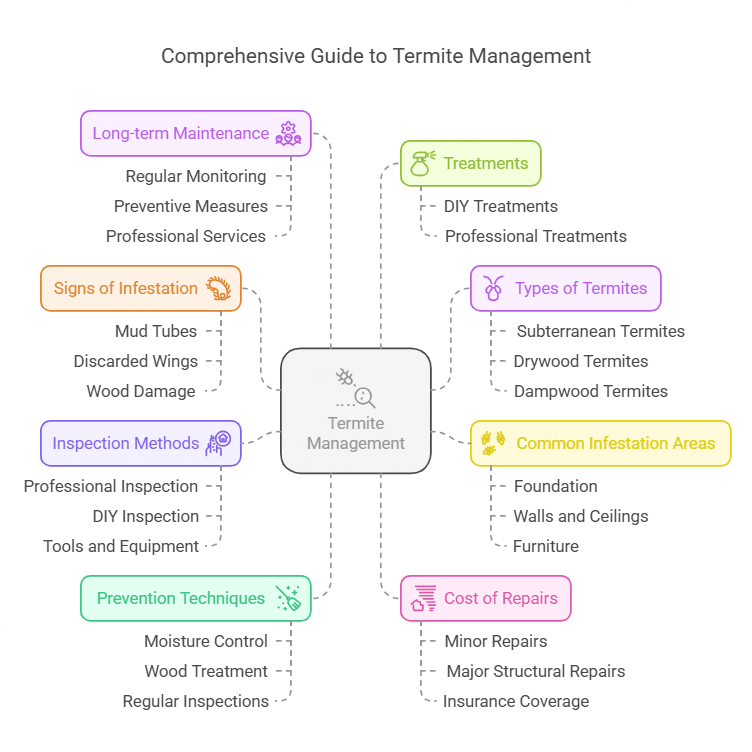
Signs Of Termite Infestation
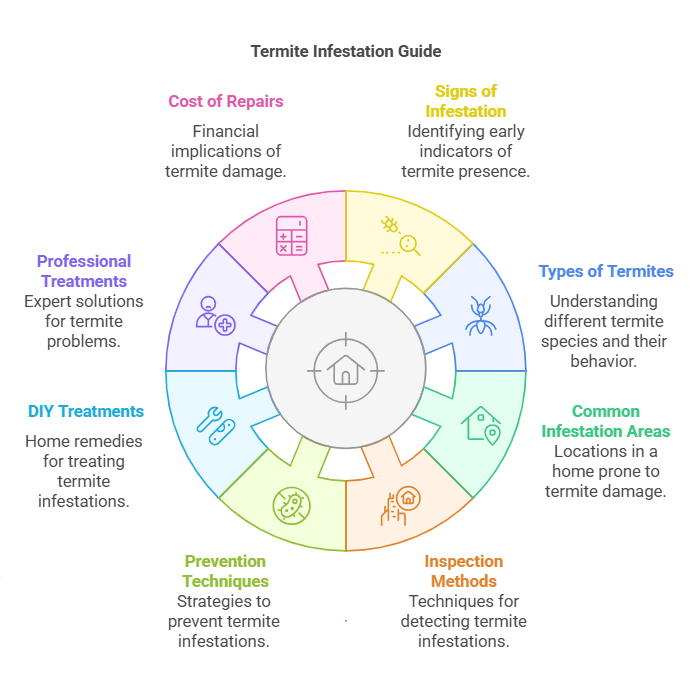
Termites can cause severe damage to your home if left unchecked. Recognizing the signs of termite infestation early can help prevent costly repairs. Below are some key indicators to look out for.
Mud Tubes
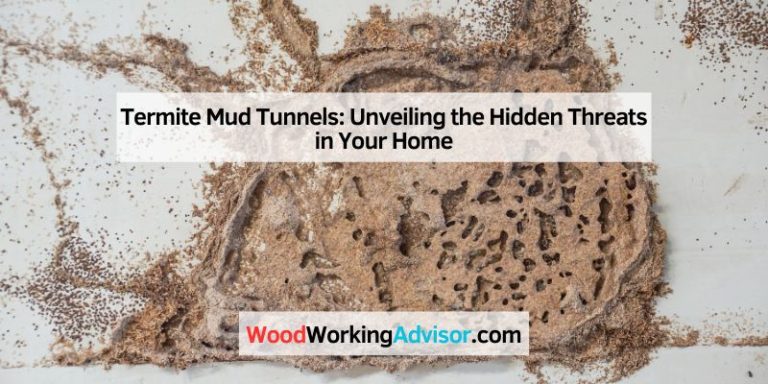
Termites create mud tubes as protective tunnels to travel between their colony and food sources. These tubes are usually found on walls, foundations, or other wooden structures. They are about the width of a pencil and often look like dried mud. Break one open. If you see live termites inside, it’s a clear sign of an active infestation.
Discarded Wings
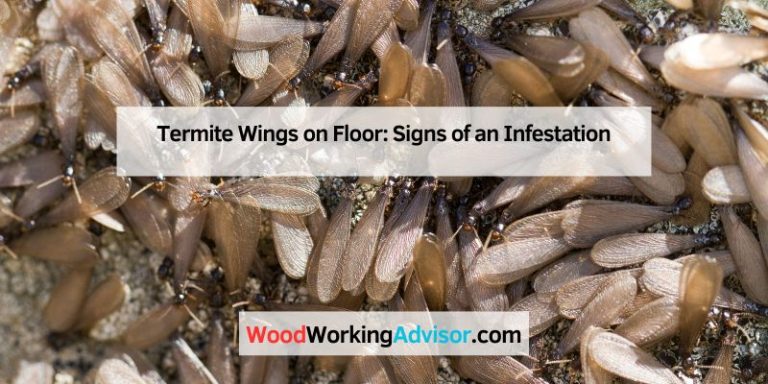
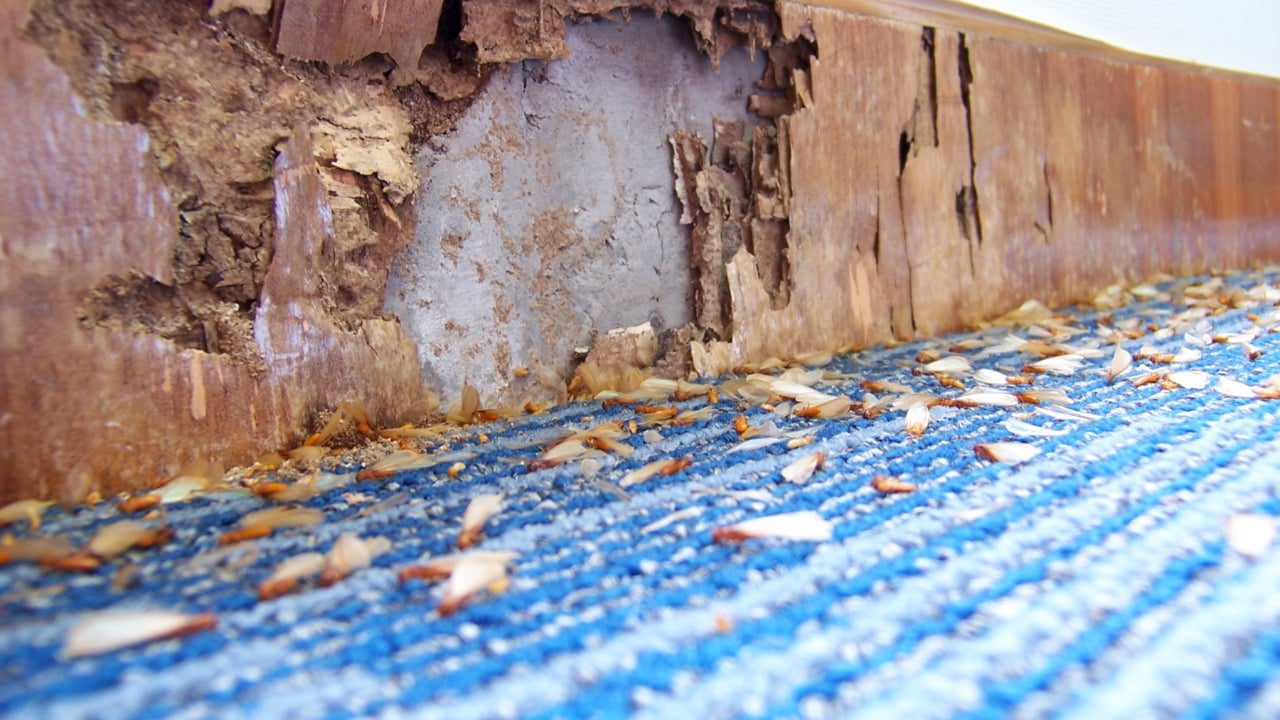
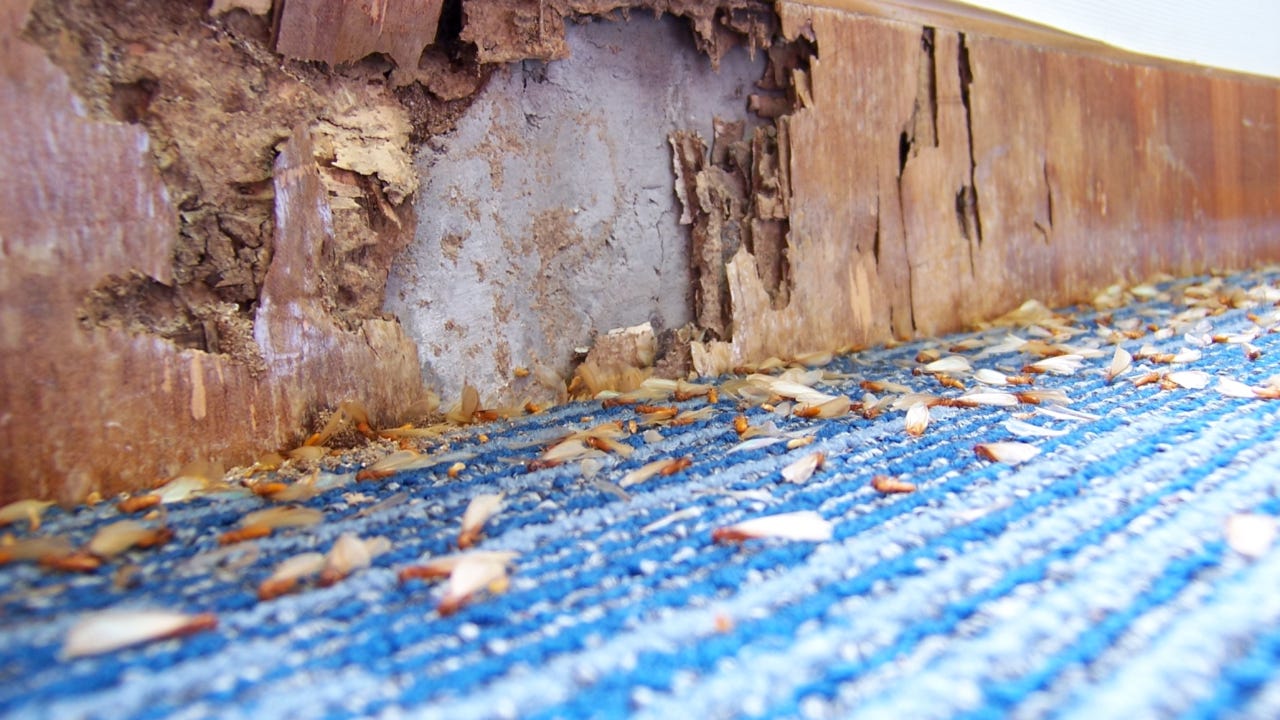
After mating, termites shed their wings. You may find these tiny, translucent wings near windowsills, doorways, or other entry points. Piles of discarded wings indicate that termites have entered your home and are establishing a new colony.
Wood Damage
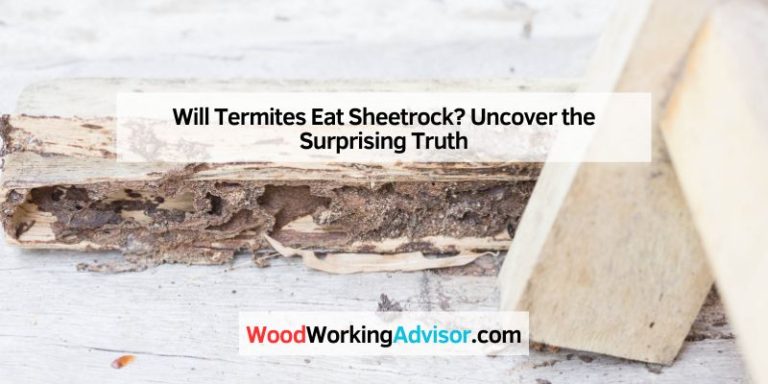
Termites eat wood from the inside out, often leaving a honeycomb pattern. Tap on wooden structures. If they sound hollow, it could indicate termite damage. Look for cracks or bubbling paint. This can also be a sign of termites eating the wood underneath.
Credit: www.bankrate.com
Types Of Termites
Termite damage is a serious concern for homeowners. Understanding the types of termites can help you protect your home. Each type of termite has unique characteristics and behaviors. Knowing these can aid in early detection and prevention.
Subterranean Termites
Subterranean termites are the most common type. They live in the soil and build mud tubes to access wood. These termites thrive in moist environments. They are responsible for most of the termite damage in homes. Their colonies can grow very large, causing significant damage.
Drywood Termites
Drywood termites do not need soil to survive. They live in dry wood, like furniture and walls. These termites can infest any dry wood structure. They often enter homes through infested furniture or wooden objects. Drywood termites create small, dry pellets of feces, a sign of their presence.
Dampwood Termites
Dampwood termites prefer wet and decaying wood. They are often found in areas with high humidity. These termites do not build mud tubes. They can cause significant damage if the wood remains damp. Fixing leaks and reducing moisture can prevent dampwood termite infestations.
Common Areas Of Infestation
Termite infestations can cause extensive damage to homes. It’s important to know where termites are most likely to invade. Understanding the common areas of infestation can help you protect your home. Below are some key areas where termites often cause damage.
Foundation
Termites often target the foundation of a house. They prefer wood that is in contact with soil. This area is usually dark and moist, making it ideal for termites. Regularly inspect your foundation for signs of termite activity. Look for mud tubes and damaged wood.
Walls And Ceilings
Walls and ceilings are common targets for termites. They can enter through small cracks and crevices. Once inside, they start eating wood from the inside out. This can weaken the structural integrity of your home. Keep an eye out for hollow-sounding walls and sagging ceilings. These are signs of a termite infestation.
Furniture
Termites don’t just attack the structure of your home. They can also infest furniture. Wooden furniture provides an excellent food source. Check your furniture for small holes and sawdust-like material. These are indicators of termite activity. Treating your furniture can help prevent further damage.

Credit: www.jlconline.com
Inspection Methods
Termite damage can wreak havoc on your home. Detecting it early is crucial. Proper inspection methods help identify issues before they escalate. Here, we cover two main inspection methods: professional and DIY. We also discuss essential tools and equipment.
Professional Inspection
Professional termite inspections offer a thorough and detailed analysis. Experts have the training and experience to spot subtle signs. They check all areas, including hidden and hard-to-reach spots. Professionals also use advanced tools for accurate detection. This ensures no corner is left unchecked. Regular professional inspections can save you a lot of money in repairs.
DIY Inspection
DIY termite inspections can be effective with the right knowledge. Start by examining wooden structures for damage. Look for mud tubes on walls or foundations. Check for discarded wings near windows and doors. Tap wooden surfaces to listen for hollow sounds. Inspect crawl spaces and basements for signs of moisture and damage. Regular DIY checks help catch problems early.
Tools And Equipment
Using the right tools makes inspections easier and more effective. A flashlight helps spot termites in dark areas. A screwdriver can probe wood for damage. A moisture meter checks for dampness, which attracts termites. A magnifying glass helps see small signs, like droppings. Professional inspectors may use thermal imaging cameras. These detect temperature changes caused by termite activity. Proper tools ensure a thorough inspection.
Prevention Techniques
Termite damage can cause serious issues in your house. Preventing it is crucial. This section will cover effective prevention techniques. These include moisture control, wood treatment, and regular inspections. Implementing these strategies can help protect your home.
Moisture Control
Termites thrive in moist environments. Reducing moisture levels can deter them. Fix leaking pipes and faucets promptly. Ensure proper ventilation in crawl spaces and attics. Use dehumidifiers in damp areas. Keep gutters clean and direct water away from the foundation.
Wood Treatment
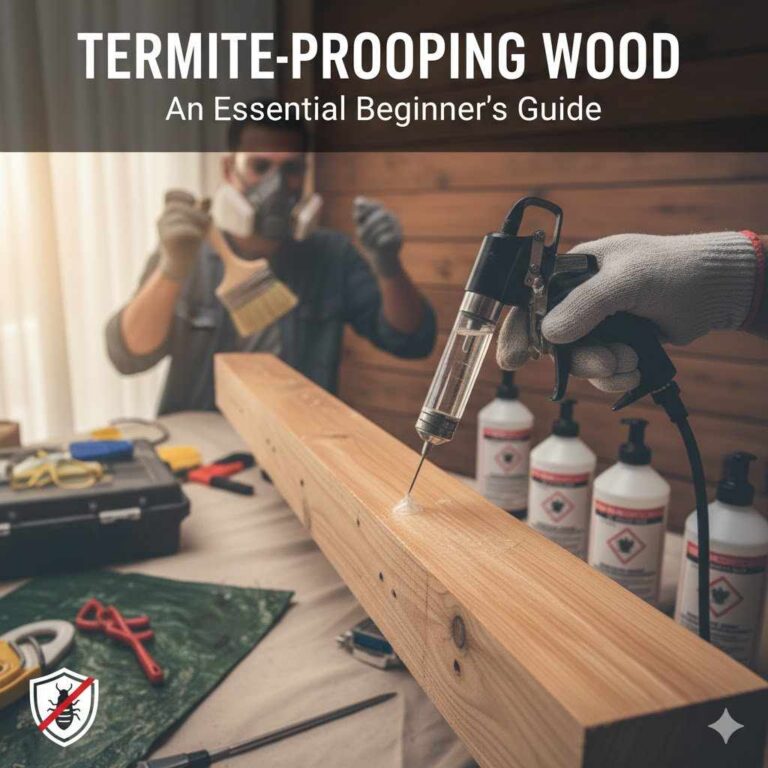
Wood treatment can protect against termites. Apply chemical treatments to wood surfaces. Use termite-resistant wood for construction. Borate treatments are effective and safe. Coat wood with sealants to prevent moisture absorption. Regularly inspect treated wood for signs of damage.
Regular Inspections
Regular inspections help detect termite activity early. Inspect your home at least once a year. Look for mud tubes, wood damage, and discarded wings. Hire a professional for thorough inspections. Early detection can save you from costly repairs. Stay vigilant and act quickly if you find signs of termites.

Credit: www.trustterminix.com
DIY Treatments
Termite damage in a house can lead to serious structural problems. Tackling the issue with DIY treatments can be a cost-effective solution. This section explores three popular methods homeowners can use to combat termites: bait stations, termiticide application, and natural remedies.
Bait Stations
Bait stations are an effective way to monitor and control termite activity. These stations contain wood or cellulose-based bait laced with slow-acting toxins. Termites feed on the bait and then carry it back to their colony, eventually killing the entire colony.
- Easy to install around the perimeter of the house.
- Non-invasive and minimal disruption to your home.
- Regularly check and replace the bait for effectiveness.
Termiticide Application
Termiticides are liquid chemicals used to create a barrier around your home. This barrier prevents termites from entering and eliminates those already present.
- Dig a trench around the foundation.
- Apply the termiticide according to the manufacturer’s instructions.
- Backfill the trench to ensure the termiticide remains in place.
Note: Always wear protective gear when handling chemicals.
Natural Remedies
For those preferring eco-friendly options, natural remedies can also be effective. These methods use non-toxic substances to repel or kill termites.
| Remedy | Description |
|---|---|
| Orange Oil | Contains d-limonene, which kills termites on contact. |
| Boric Acid | Disrupts the termite’s digestive system, leading to death. |
| Neem Oil | Interferes with termite reproduction and feeding. |
These remedies are safe for pets and children. Apply them directly to affected areas for best results.
Professional Treatments
Termite damage can devastate your home. Professional treatments can help. These treatments ensure complete eradication of termites. Let’s explore some effective methods.
Fumigation
Fumigation involves sealing your home and filling it with gas. This gas kills all termites. The process takes a few days. You must leave your home during this time. It is very effective, but it can be costly.
Heat Treatment
Heat treatment uses high temperatures to kill termites. Professionals heat your home to 120-140 degrees Fahrenheit. This treatment is chemical-free. It is safe for people and pets. It is quick, usually completed in one day. But, it may not reach all areas of your home.
Chemical Barriers
Chemical barriers involve applying pesticides around your home. These chemicals repel and kill termites. They create a barrier that termites cannot cross. This method is preventive. It protects your home for years. But, it requires regular maintenance. You should have professionals check the barriers yearly.
Cost Of Repairs
Termite damage can wreak havoc on your home. Understanding the cost of repairs is crucial. The expenses can vary depending on the severity of the damage. Let’s break it down into different categories.
Minor Repairs
Minor repairs involve fixing small areas. This could mean replacing a few boards or treating affected areas. The cost for minor repairs is usually lower. Expect to spend between $300 to $1,000. Small infestations are easier to manage. Quick action can prevent further damage.
Major Structural Repairs
Major structural repairs are more costly. This often involves repairing or replacing walls, floors, or even the foundation. The cost can range from $1,000 to $10,000 or more. Extensive damage requires professional help. Ignoring the problem can lead to higher expenses.
Insurance Coverage
Homeowners insurance might cover termite damage. However, this varies by policy. Some policies include pest damage. Others do not. Check your policy details. If covered, it can save you a lot. Always keep your policy updated. Regular inspections can also help.
| Type of Repair | Estimated Cost |
|---|---|
| Minor Repairs | $300 – $1,000 |
| Major Structural Repairs | $1,000 – $10,000+ |
Quick action is key to managing termite damage. Regular inspections and a good insurance policy can save you from high costs. Protect your home and wallet by staying vigilant.
Long-term Maintenance
Maintaining a termite-free home requires diligent effort. Long-term maintenance involves regular checks, preventive steps, and professional help. These actions ensure your home remains safe from termite damage.
Regular Monitoring
Regular monitoring is essential for spotting termite activity early. Inspect your home every few months. Look for mud tubes, hollow wood, and discarded wings. These are signs of termite presence.
Use a flashlight and screwdriver for a thorough inspection. Tap on wood surfaces to detect any hollow sounds. Early detection can save you from costly repairs.
Preventive Measures
Taking preventive measures can keep termites at bay. Here are some effective strategies:
- Keep wood away from the ground. Use concrete or metal barriers.
- Reduce moisture. Fix leaks and ensure proper drainage.
- Store firewood away from your house. Termites are attracted to it.
- Seal cracks and crevices. This prevents termites from entering.
Implementing these steps can significantly reduce the risk of termite infestations.
Professional Services
Sometimes, DIY methods are not enough. This is when professional services come in. Pest control experts use advanced techniques and treatments. They can effectively eliminate termites and prevent future infestations.
Consider scheduling annual inspections with a licensed pest control company. They have the tools and expertise to handle severe infestations. Investing in professional services can save you money in the long run.
Frequently Asked Questions
Can A Termite Infested House Be Saved?
Yes, a termite-infested house can be saved. Professional pest control services can effectively eliminate termites. Prompt treatment and repairs are crucial.
Can You Live In A House With Termite Damage?
Yes, you can live in a house with termite damage. However, address the issue promptly to prevent further structural damage. Regular inspections and professional treatments help maintain safety.
Is Termite Damage A Deal Breaker?
Termite damage isn’t always a deal breaker. It depends on the severity and cost of repairs. Always get a professional inspection.
Will Homeowners Pay For Termite Damage?
Yes, homeowners usually pay for termite damage. Standard homeowner’s insurance often does not cover termite damage. Regular inspections and maintenance can help prevent costly repairs.
Conclusion
Termite damage can wreak havoc on your home. Early detection is crucial. Regular inspections help prevent serious issues. Protect your investment by acting promptly. Seek professional help when needed. Addressing termite problems early saves money and stress. Keep your home safe and secure.
Stay vigilant, stay termite-free. Your home deserves the best care.