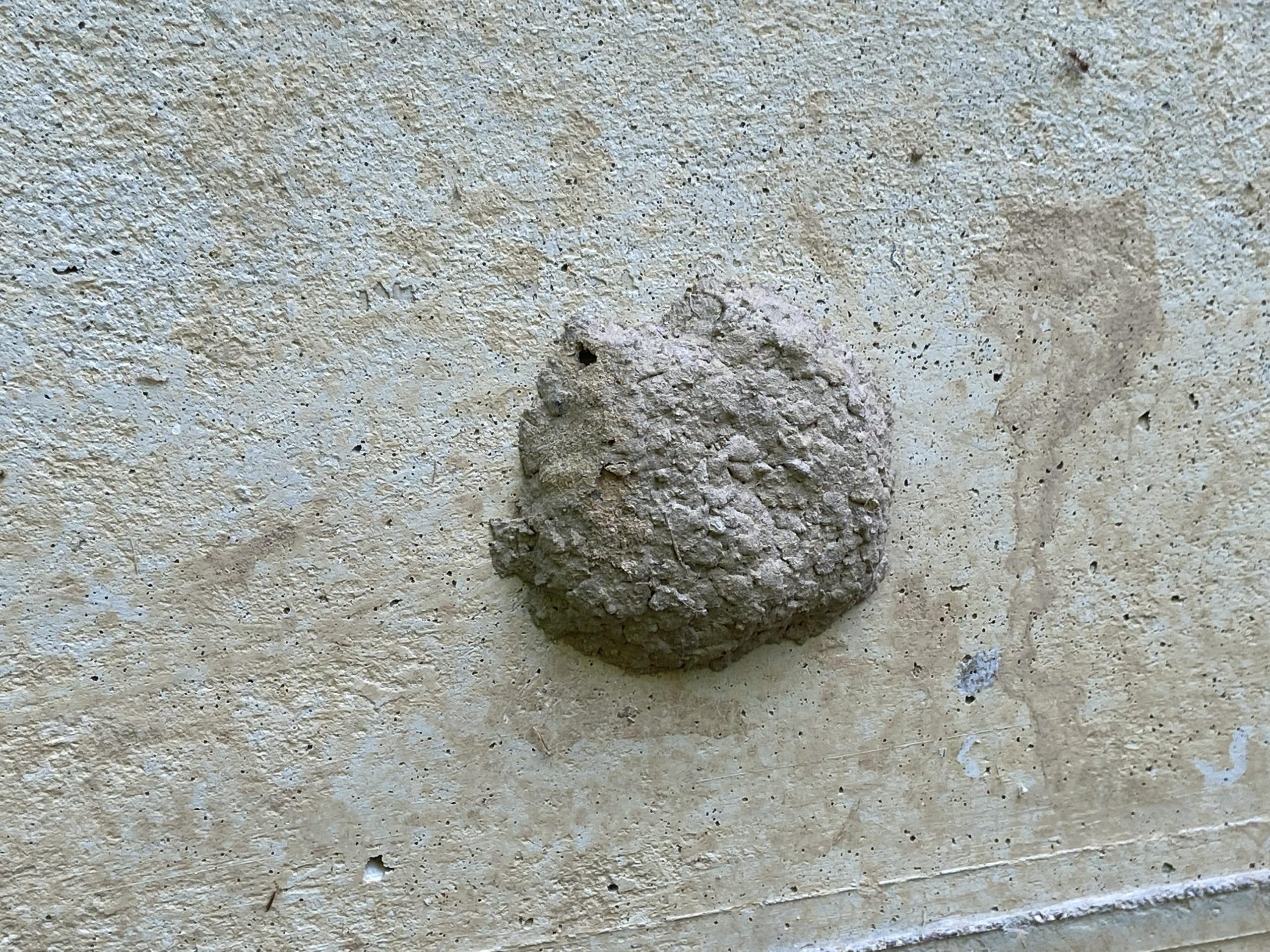
Termite Nest in House: Uncover Hidden Dangers and Solutions
A termite nest in your house is a serious issue. These pests can cause major damage.
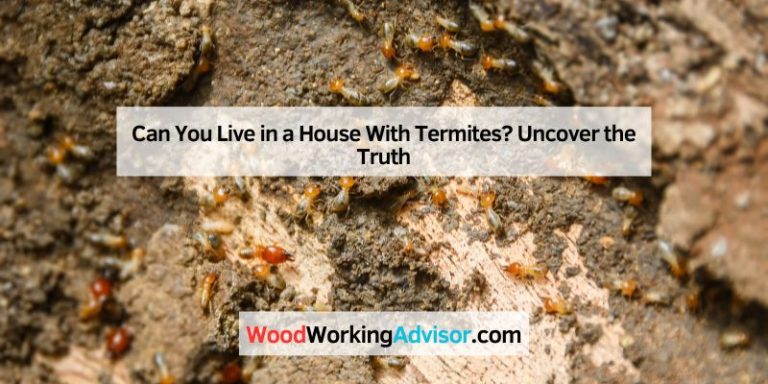
Termites are small insects that thrive on wood. They can infest your home silently, causing structural damage over time. If you suspect termites, it’s crucial to act fast. They build nests in walls, floors, or furniture, often unnoticed until significant harm is done.
Understanding the signs and taking prompt action can save you from costly repairs. In this blog, you will learn what a termite nest looks like, common places to find them, and steps to get rid of them. Protect your home by being informed and prepared. Stay tuned to uncover everything you need to know about dealing with termite nests in your house.
Signs Of Termite Infestation
Termites can cause serious damage to your home. Identifying the signs early can save you from costly repairs. Here are some clear signs of a termite infestation.
Visible Damage
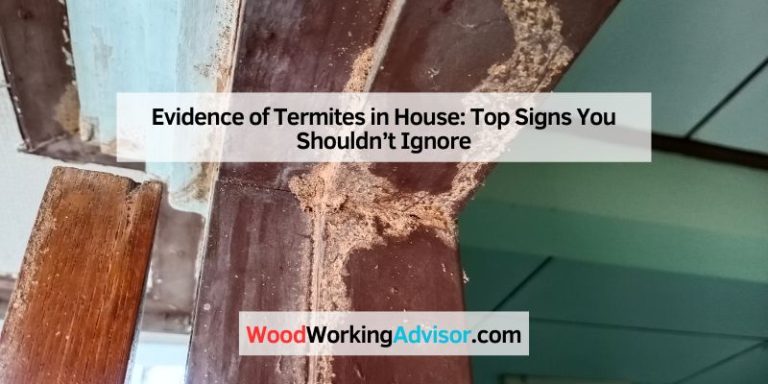
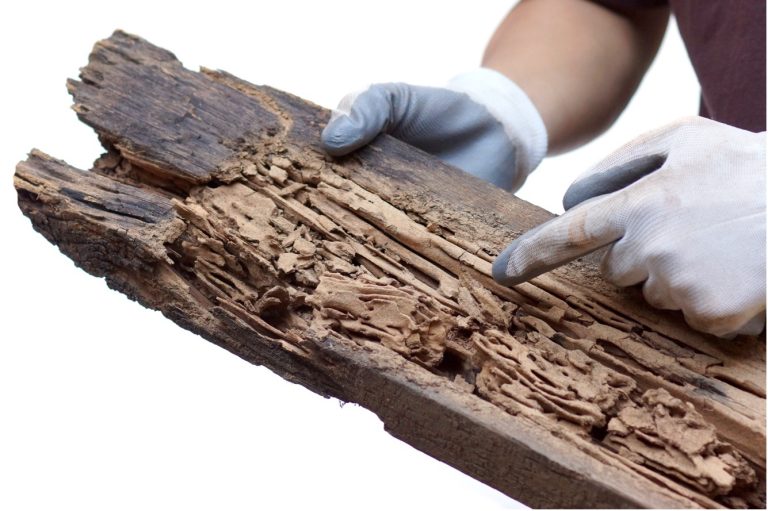
Termites eat wood from the inside out. You might notice paint bubbling or wood that sounds hollow when tapped. Termite damage can often look like water damage. Keep an eye out for buckling wood, swollen floors, or ceilings.
Mud Tubes
Termites build mud tubes for protection. These tubes connect their nests to their food source. Look for these mud tubes along walls, foundations, and in crawl spaces. They can be as thin as a pencil.
Discarded Wings
Termites swarm to find new nesting sites. After swarming, they shed their wings. Finding piles of discarded wings is a sign of a nearby infestation. You might find these wings near windows, doors, or light sources.
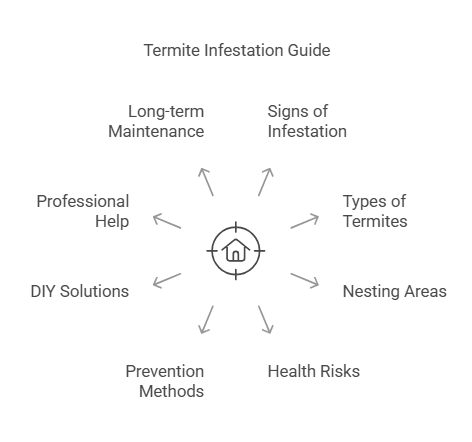
Types Of Termites
Understanding the types of termites is crucial to protect your home. Each type has unique behavior and habitat. Let’s explore the three main types of termites.
Subterranean Termites
Subterranean termites are the most common and destructive. They live in the soil and build tunnels to reach wood above ground. These termites need moisture to survive. They create mud tubes to maintain moisture while traveling.
- Habitat: Soil, near foundations
- Damage: Extensive, often hidden within walls
- Signs: Mud tubes, damaged wood
Drywood Termites
Drywood termites live in dry wood. They don’t need soil contact. They infest furniture, frames, and other wooden structures. These termites create colonies inside the wood they consume.
- Habitat: Dry wood, attics, furniture
- Damage: Slow but extensive over time
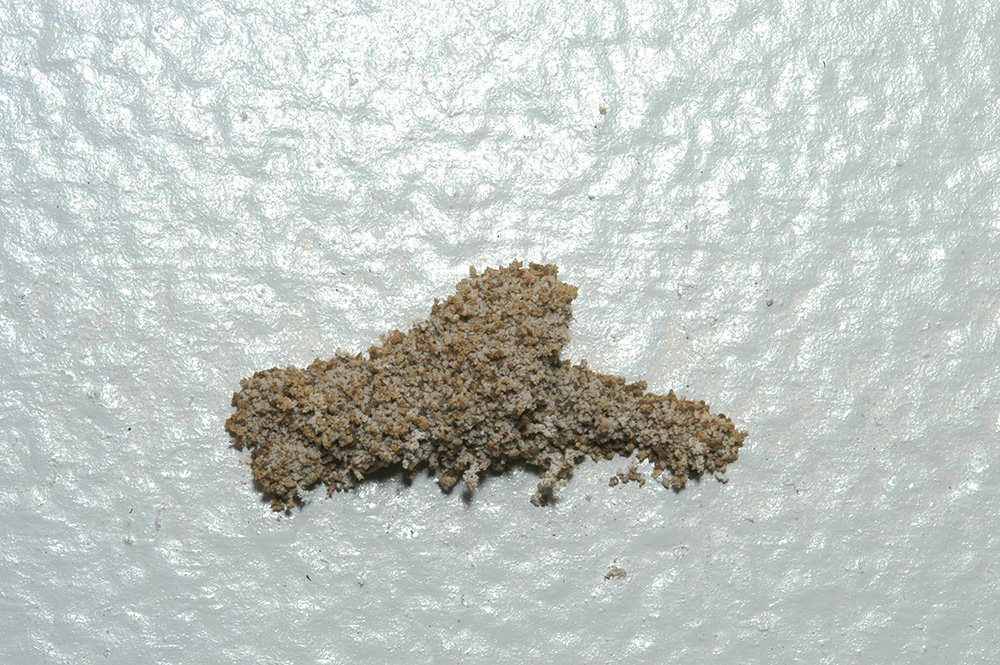
- Signs: Small piles of wood pellets, hollow-sounding wood
Dampwood Termites
Dampwood termites prefer moist wood. They are less common in homes but can be found in areas with high moisture. These termites are larger than other types. They infest damp, decaying wood, often in basements or bathrooms.
- Habitat: Damp, decaying wood
- Damage: Moderate, localized to moist areas
- Signs: Soft, damp wood, termite droppings
Knowing the types of termites helps you identify and control them. Protect your home by recognizing the signs and taking action.
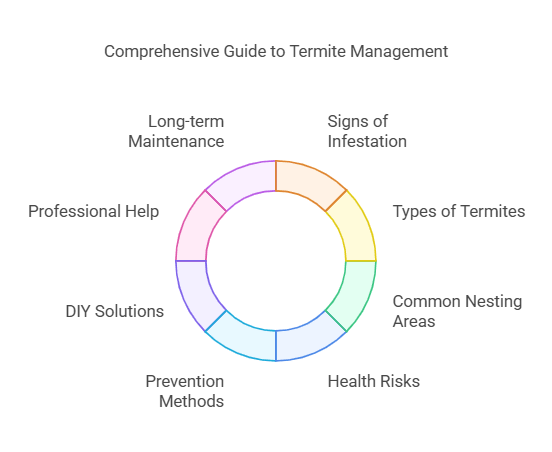
Common Nesting Areas
Termites can be a real problem in any house. They often hide in common areas where they can stay hidden and cause damage. Knowing these areas can help you spot an infestation early.
Wooden Structures
Wooden structures are a favorite place for termites. They love to eat wood. This includes beams, floors, and walls. Any wood in your home is at risk. Inspect wooden furniture too. Even small cracks can invite termites.
Basements
Basements are dark and damp. This makes them perfect for termites. They can enter through cracks in the foundation. Once inside, they can spread fast. Check your basement regularly. Look for mud tubes and damaged wood.
Attics
Attics are often neglected. This makes them a great spot for termites. They can chew through the roof and rafters. Attics are also hard to reach. This means termites can do a lot of damage before they are found. Inspect your attic often. Look for signs of termites like droppings and damaged wood.

Credit: www.terminix.com
Health Risks
Termites are more than just a nuisance. They pose serious health risks. Their presence in your home can lead to various health issues. Understanding these risks can help you take necessary precautions.
Allergic Reactions
Termite nests can trigger allergic reactions. Dust from their nests can cause sneezing, watery eyes, and skin irritation. People with asthma may experience worsened symptoms.
Respiratory Issues
Termite nests can affect your respiratory system. Mold from nests can spread through the air. Inhaling mold spores can cause coughing, wheezing, and throat irritation.
Infections
Termites carry harmful bacteria. Contact with them can lead to infections. Bites and scratches from termites can cause skin infections. It’s important to maintain a clean environment.
Prevention Methods
Termites are a homeowner’s nightmare. Their nests can cause serious damage. Preventing termites is easier than dealing with an infestation. Here are some effective prevention methods to keep your home termite-free.
Moisture Control
Termites thrive in moist environments. Keep your home dry to deter them. Fix leaking pipes and faucets immediately. Ensure your gutters and downspouts are clear. Water should flow away from your home’s foundation. Use a dehumidifier in damp areas like basements.
Proper Ventilation
Good airflow reduces moisture buildup. Ensure your home is well-ventilated. Install vents in attics and crawl spaces. Use exhaust fans in bathrooms and kitchens. Open windows regularly to let fresh air circulate. Proper ventilation keeps your home dry and termite-free.
Regular Inspections
Regular inspections can catch termite activity early. Inspect wooden structures and furniture for signs of damage. Look for mud tubes along walls and foundations. Check your home’s exterior for hollow or damaged wood. Hire a professional for annual termite inspections. Early detection saves money and stress.
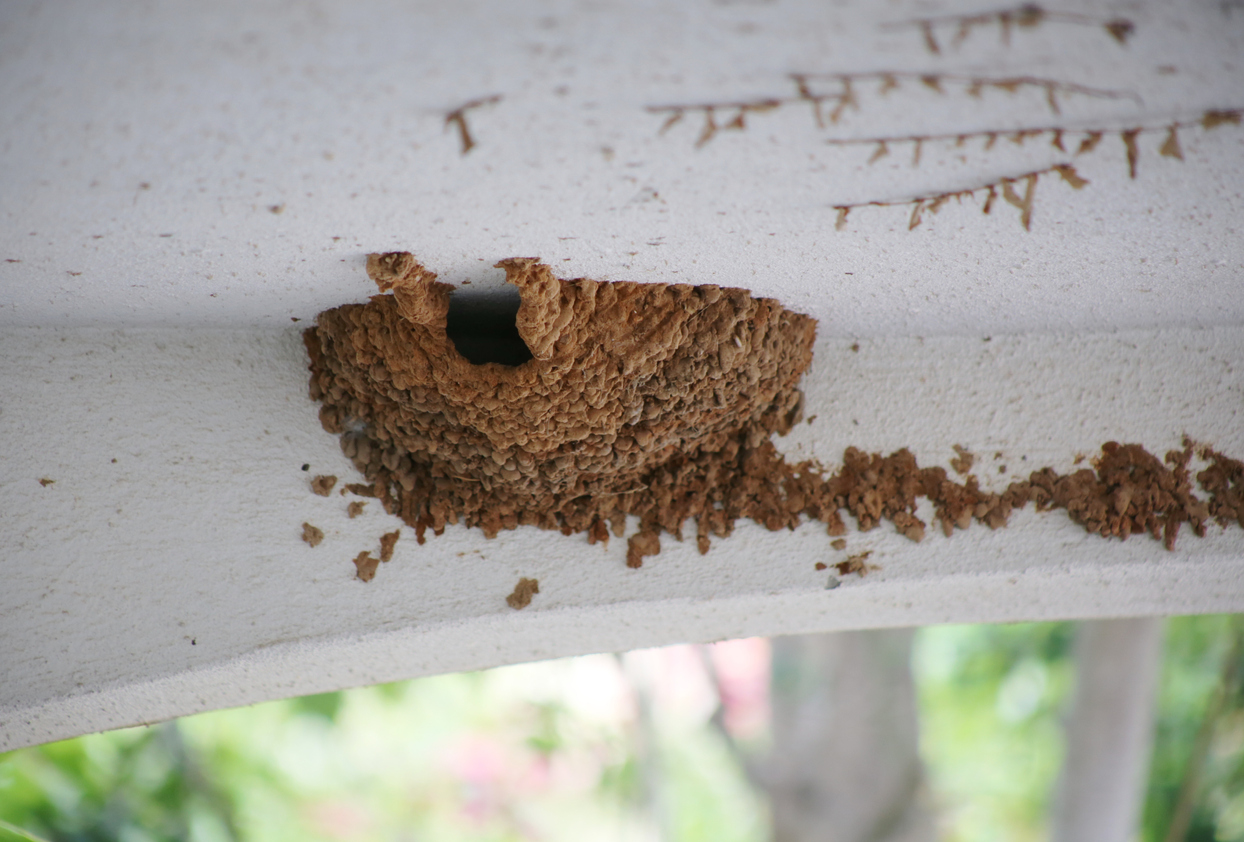
Credit: www.arrowexterminators.com
DIY Solutions
Termites can wreak havoc on your home. Their nests can damage wooden structures, furniture, and even books. Tackling the problem early with DIY solutions can help save your home. Here are some effective methods you can try.
Natural Remedies
Natural remedies can be a safe and eco-friendly way to get rid of termites. Below are some options:
- Orange Oil: Orange oil contains d-limonene, which is toxic to termites. Simply spray it on the affected areas.
- Neem Oil: Neem oil disrupts the life cycle of termites. Apply it directly on the wooden surfaces.
- Boric Acid: Boric acid is a natural insecticide. Mix it with water and spray it on termite nests.
Chemical Treatments
Chemical treatments can be more effective for severe infestations. Some options are:
- Liquid Termiticides: These are applied to the soil around your house. They create a barrier that termites cannot cross.
- Termite Foams: These expand to fill voids and cracks. They are useful for hard-to-reach areas.
- Termite Dust: Dust can be applied directly to nests. It’s a quick way to eliminate termites.
Baiting Systems
Baiting systems are another effective solution. They involve the use of bait stations:
- Install Bait Stations: Place bait stations around your home. They attract termites away from the house.
- Monitor Regularly: Check the bait stations regularly. Replace the bait as needed.
- Use Slow-Acting Poison: The bait contains a slow-acting poison. Termites carry it back to their colony, ensuring the entire nest is affected.
Professional Help
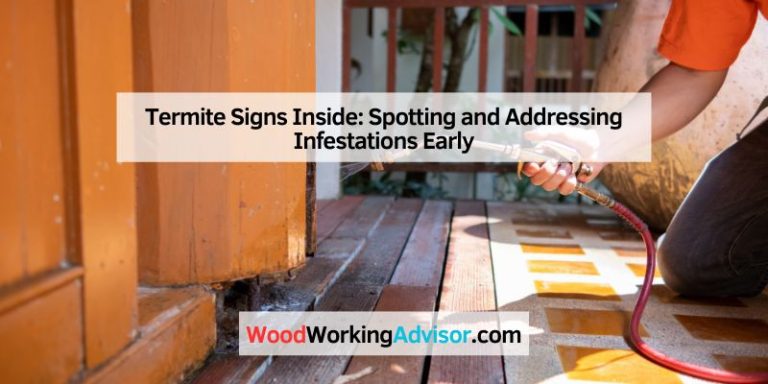
Termites can cause serious damage to your home. Seeking professional help is essential. Experts can assess the situation and provide effective solutions. They have the right tools and knowledge to handle termite infestations.
Pest Control Services
Pest control services offer comprehensive solutions for termite problems. They use various methods to detect and eliminate termites. These services include:
- Inspection of the property
- Identification of termite species
- Application of appropriate treatments
- Monitoring and follow-up visits
Using professional pest control services ensures thorough and effective treatment. They use safe products that protect your family and pets.
Inspection Costs
The cost of a termite inspection varies. It depends on the size of the property and the extent of the infestation. Here is a general overview:
| Property Size | Inspection Cost |
|---|---|
| Small (up to 1,500 sq ft) | $75 – $150 |
| Medium (1,500 – 3,000 sq ft) | $150 – $250 |
| Large (over 3,000 sq ft) | $250 and above |
Investing in an inspection can save you money in the long run. Early detection prevents extensive damage and costly repairs.
Treatment Plans
Professional pest control companies offer various treatment plans. These plans are tailored to the specific needs of your home. Common treatment options include:
- Liquid Termiticides: Applied around the foundation to create a barrier.
- Bait Systems: Placed in strategic locations to attract and eliminate termites.
- Fumigation: Used for severe infestations, involves sealing and treating the entire structure.
- Wood Treatments: Applied directly to wooden structures to kill and repel termites.
Choosing the right treatment plan depends on the severity of the infestation. Professional help ensures the most effective solution for your home.
Long-term Maintenance
Long-term maintenance is key to keeping your home termite-free. By taking consistent actions, you can prevent these pests from causing extensive damage. Let’s explore some essential steps for effective termite control.
Regular Monitoring
Regularly check your home for signs of termite activity. Look for mud tubes, discarded wings, and damaged wood. These are clear indicators of infestation. Schedule professional inspections annually. Experts can spot early signs you might miss.
Preventative Measures
Implementing preventative measures reduces the risk of termites entering your home. Ensure that wood is not in direct contact with the soil. Keep firewood and debris away from your house. Maintain a gap between soil and wooden structures. Use termite-resistant materials for construction. Treat the soil around your home with termiticides.
Home Repairs
Repair any leaks promptly. Termites are attracted to moisture. Fixing leaks reduces their chances of survival. Seal any cracks or gaps in your home’s foundation and walls. This blocks entry points for termites. Ensure your home’s ventilation is adequate. Proper airflow reduces dampness and deters termites.
Credit: extension.msstate.edu
Frequently Asked Questions
How Do I Get Rid Of A Termite Nest In My House?
Contact a professional pest control service. Remove infested wood and use termite baits or liquid termiticides. Maintain dry conditions. Seal entry points.
Is It Safe To Sleep In A House With Termites?
Yes, it is generally safe to sleep in a house with termites. Termites do not harm humans directly. However, they can cause structural damage over time, which can become a safety concern. Regular inspections and professional treatments are recommended to manage termite infestations effectively.
How To Identify A Termite Nest?
Look for mud tubes on walls or foundations. Check for wood damage and hollow-sounding timber. Spot discarded wings or termite droppings.
Should You Remove Termite Nest?
Yes, removing a termite nest is crucial to prevent structural damage. Hire a professional exterminator to ensure complete removal.
Conclusion
Dealing with a termite nest in your house can be stressful. Regular inspections help catch infestations early. Contact professionals for effective termite control. Protect your home by sealing gaps and cracks. Store firewood away from your house. Maintain proper ventilation to reduce moisture.
Follow these tips to keep termites at bay. Your home will be safer and more secure. Keep an eye out for signs of termites. Act swiftly if you spot any. Prevention and early action are key. Stay vigilant and keep your home termite-free.