Termite Wings Everywhere: How to Identify and Prevent Infestations
Termite wings everywhere can be alarming. These tiny wings often signal a bigger problem.
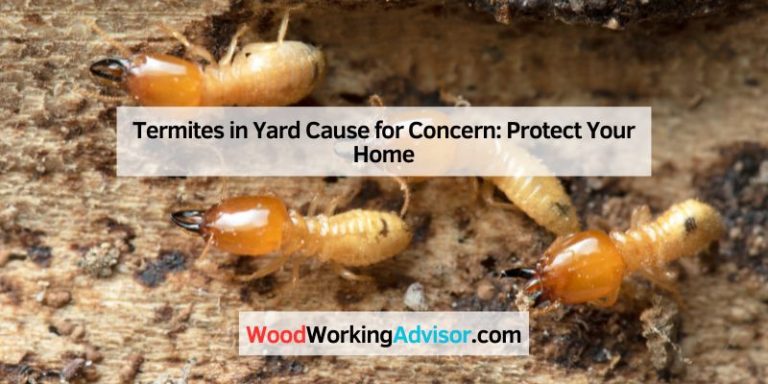
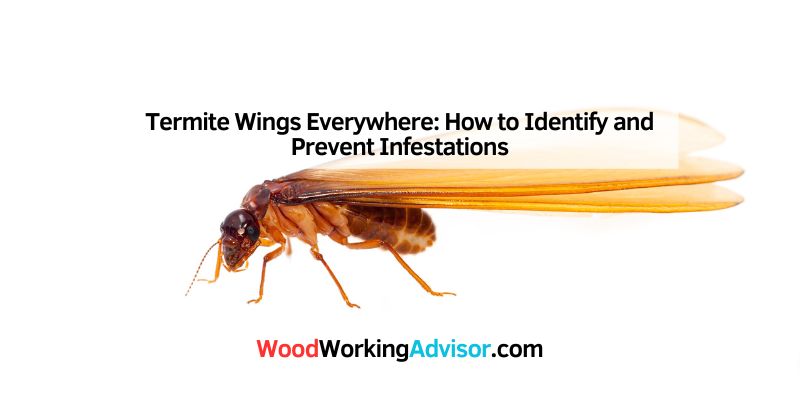
Termites are small insects that can cause significant damage to your home. When you see their wings scattered around, it’s usually a sign they are nearby. They shed these wings when they find a new place to start a colony.
This can be troubling for homeowners. Termites can be sneaky and destructive. Seeing their wings means you need to act quickly. Understanding why these wings are everywhere can help you take the right steps to protect your home. Let’s explore what you need to know about termite wings and how to address this issue.
Credit: content.ces.ncsu.edu
Signs Of Termite Infestation
Hey there! Worried about termites in your home? You’re not alone. Termite infestations are sneaky and can cause serious damage before you even realize they’re there. But don’t panic. There are clear signs that can help you identify a termite problem early. Let’s dive into some of the most common signs of termite infestation.
Wing Shedding
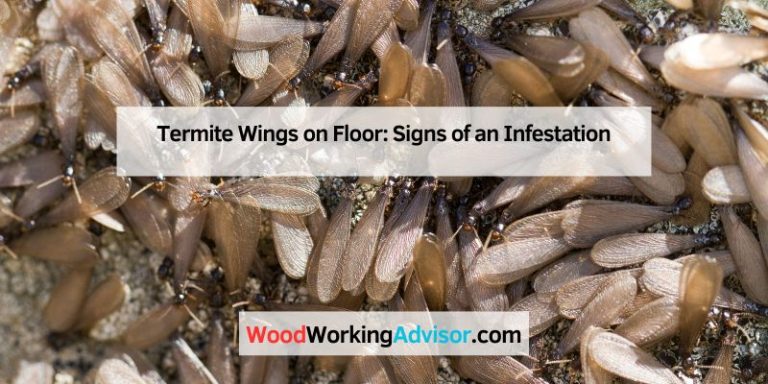
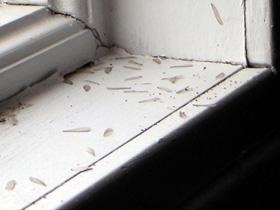
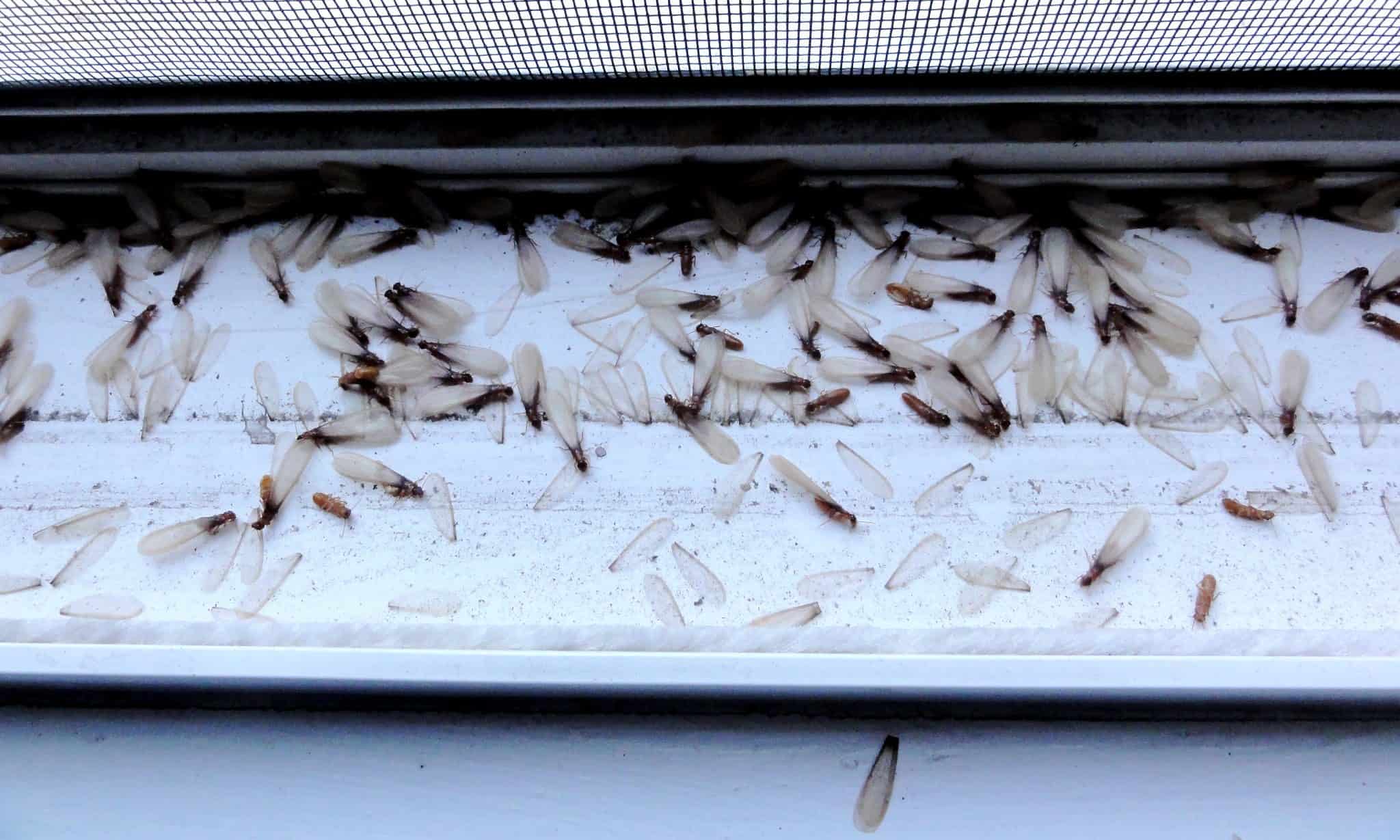
One of the first signs of termites is finding wings. And not just any wings – termite wings. These little insects shed their wings after they find a place to start a new colony. It’s like leaving a little trail behind. If you see piles of wings near windows or doors, it’s time to investigate.
- Look for small, transparent wings.
- Check around light sources and entry points.
- They often look like fish scales.
Mud Tubes
Next up, mud tubes. Termites build these to travel and stay moist. Imagine tiny highways for termites. These tubes are usually found on walls, foundations, or crawl spaces. They protect termites from predators and dry air.
| Location | Description |
|---|---|
| Walls | Small, muddy lines running vertically |
| Foundations | Brown, muddy paths |
| Crawl spaces | Visible near the ground |
Wood Damage
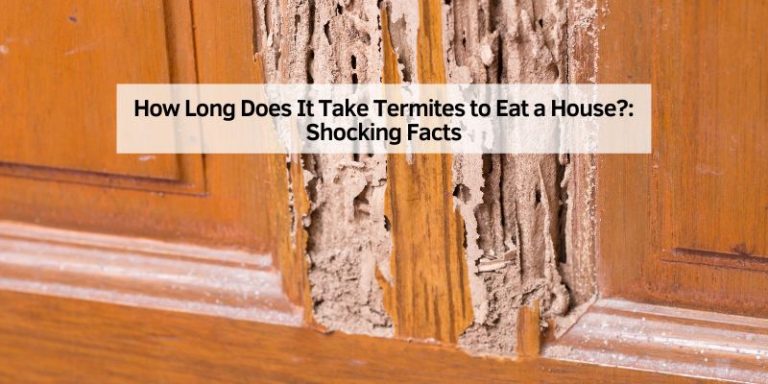
Last but not least, wood damage. Termites love to munch on wood. They eat it from the inside out, leaving a shell behind. This can make wood look normal on the outside but hollow inside. Tap on wooden surfaces. If they sound hollow, you might have termites.
- Check wooden beams and furniture.
- Look for bubbling paint or peeling surfaces.
- Notice any sagging floors or ceilings? Could be termites.
So, if you see any of these signs, it’s time to take action. Early detection is key to preventing major damage. Stay vigilant and protect your home!
Types Of Termites
Hey friends, today we’re diving into the world of termites. Ever seen termite wings everywhere? It’s a sign you might have a termite problem. Understanding the different types of termites can help you identify and deal with them. Let’s break down the main types.
Subterranean Termites
Subterranean termites are the most common type. They live in the soil and build mud tubes to reach food sources. These termites are dangerous because they can cause a lot of damage to buildings.
- Habitat: Soil and wooden structures.
- Appearance: Creamy white to dark brown.
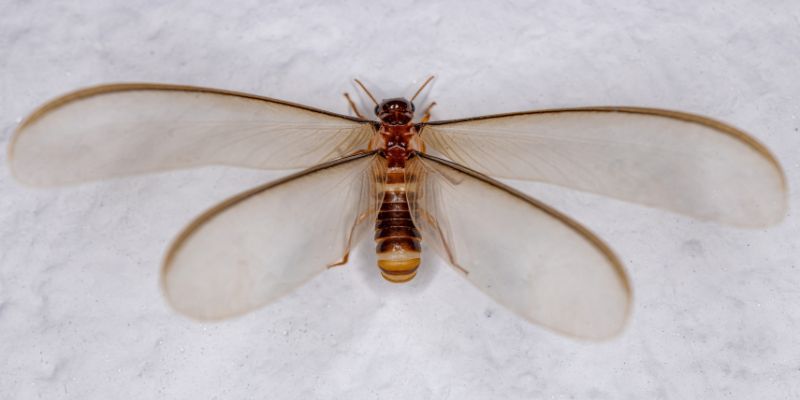
- Wings: Long and narrow, equal length.
I once had a friend who found these in her basement. She had to call a professional to get rid of them. So, if you see mud tubes, act quickly!
Drywood Termites
Drywood termites live in dry wood. They don’t need soil to survive. These termites can infest furniture, doors, and frames.
- Habitat: Dry wood, above ground.
- Appearance: Light brown.
- Wings: Transparent and same length.
Imagine finding these in your favorite wooden chair! It’s crucial to check wooden items regularly to avoid surprises.
Dampwood Termites
Dampwood termites, as the name suggests, prefer damp wood. They are usually found in decaying wood and areas with high moisture.
- Habitat: Damp, decaying wood.
- Appearance: Larger than other termites, brown.
- Wings: Longer than their body, light brown.
I remember visiting a cabin in the woods where these termites had settled. The damp environment was perfect for them. Always keep your wood dry to prevent these from moving in.
Understanding these types of termites can help you identify them. And if you do see termite wings everywhere, you’ll know what you’re dealing with. Stay alert and keep your home safe!
Lifecycle Of Termites
Hey friends, today we’re diving into the fascinating world of termites. You might see their wings everywhere and wonder, “What’s the deal with these tiny creatures?” Well, termites go through a few stages in their lives. Let’s break it down into simple steps so you can understand how they grow and what each stage means.
Egg Stage
Every termite starts as an egg. Think of it like a baby bird in a nest. The queen termite lays eggs in a safe place. These eggs are tiny and white, almost like grains of rice. After a few weeks, the eggs hatch. And then the next stage begins.
Nymph Stage
Once the eggs hatch, we get nymphs. These are like the teenagers of the termite world. Nymphs look a bit like adult termites, but they are smaller and not fully grown. They shed their skin several times. Each time they shed, they grow bigger and stronger. It’s like when you outgrow your clothes and need new ones.
Adult Stage
Finally, we have the adult termites. At this point, termites have different roles in their colony. Some become workers, others are soldiers, and a few are reproductive termites. The reproductive ones are the ones with wings. They leave the colony to start new ones. That’s why you might see wings everywhere during certain times of the year.
Understanding the lifecycle of termites can help you spot them early and take action. Remember, termites might be tiny, but they play a big role in our ecosystem. Stay curious and keep learning about the little creatures around us!

Credit: www.reddit.com
Common Areas For Infestations
Hey friends, today we’re diving into a topic that’s not often talked about but super important – termite wings everywhere! If you’ve ever spotted those tiny wings around your home, you might be wondering where they come from. The good news? By understanding the common areas for infestations, you can take steps to protect your home. Let’s explore these areas together.
Foundations
Foundations are a common spot for termites. Why? Because they are close to the ground and often have moist soil around them. Termites love this environment. When I first noticed termites in my home, it was in the basement. I saw tiny wings near the foundation walls and knew something was wrong.
Here’s what you can do:
- Check for cracks in your foundation. Seal them up.
- Ensure your gutters direct water away from the foundation.
- Keep the soil around your home dry.
Attics
Surprisingly, attics can also be a haven for termites. They might seem far from the ground, but termites can travel through wood structures. I remember helping a friend who found termite wings in her attic. She was shocked because she thought they only lived in the ground.
To protect your attic:
- Inspect wooden beams regularly.
- Keep your attic well-ventilated to avoid moisture.
- Store items in plastic containers rather than cardboard boxes.
Basements
Basements are another favorite spot for termites. They are usually damp and dark, perfect conditions for these pests. When I first bought my house, I made sure to check the basement thoroughly. Guess what? I found evidence of termites!
To keep your basement termite-free:
- Fix any leaks immediately.
- Use a dehumidifier to keep the air dry.
- Keep wood and paper products off the floor.
By keeping an eye on these common areas, you can catch termite infestations early. Remember, a little bit of prevention goes a long way. Have you ever had a termite problem? Share your story in the comments below!
DIY Termite Inspection
Hey friends, have you ever noticed tiny termite wings scattered around your home? It’s a sign that termites might be present. Don’t worry! With a simple DIY termite inspection, you can find out if these pesky insects have invaded your space. Let’s dive into what you need and how to do it.
Tools Needed
To get started, you’ll need a few basic tools. You probably have most of them lying around your home:
- Flashlight: Essential for seeing in dark corners.
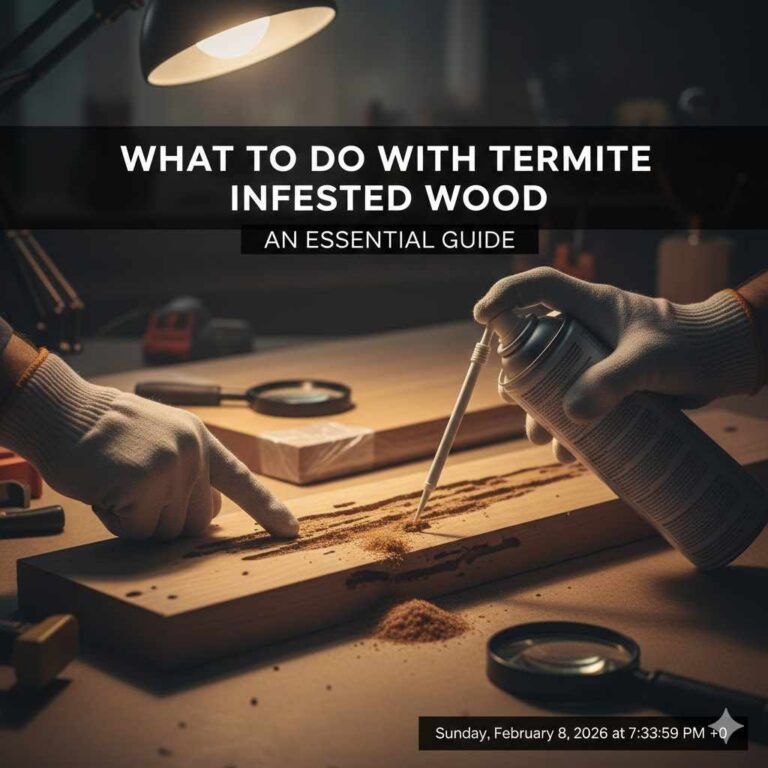
- Screwdriver: Helps to probe wood for damage.
- Magnifying Glass: Useful for examining small insect wings and droppings.
- Gloves: Protect your hands during the inspection.
Inspection Steps
Follow these steps to carry out your termite inspection:
- Look for wings: Termite wings are usually found near windowsills, doors, and light sources.
- Check wood: Tap on wood structures with the screwdriver. Hollow sounds mean trouble.
- Inspect mud tubes: Termites build these tubes for moisture. Check around your home’s foundation.
- Use the flashlight: Shine it in dark areas like basements, attics, and crawl spaces.
- Examine droppings: Termite droppings look like small pellets. Use the magnifying glass if needed.
Safety Precautions
Safety is key, so remember these precautions:
- Wear gloves: Protects your hands from sharp objects and chemicals.
- Be cautious: When probing wood, watch out for hidden nails or splinters.
- Stay balanced: If inspecting high places, use a sturdy ladder and have someone nearby.
I recently asked a friend to do a DIY termite inspection, and he was surprised at how simple it was. With these steps, you can confidently check for termites and protect your home. Happy inspecting!
Credit: safeguardpestcontrol.com.au
Professional Termite Inspection
Termite infestations are a homeowner’s nightmare. These pests can cause serious damage. That’s why a professional termite inspection is crucial. Experts can spot signs that are easy to miss. They have the right tools and know what to look for.
When To Call A Professional
Spotting termite wings around your home can be a red flag. Also, hollow-sounding wood is a sign. Mud tubes on walls or wooden surfaces are another indicator. Call a professional at the first sign of any of these.
What To Expect
A termite inspection usually takes about 1-2 hours. The expert will check both inside and outside your home. They’ll look for signs of termites and damage. They might use tools to probe wood and find hidden colonies.
After the inspection, you’ll get a detailed report. This report will list any signs of termites. It will also recommend treatments if needed.
Cost Factors
The cost of a termite inspection can vary. Factors include the size of your home and the location. Some companies offer free inspections, but others charge a fee. The average cost is usually between $50 and $200.
Remember, the cost of an inspection is small compared to the cost of repairs. Early detection can save you thousands of dollars. Don’t wait until the damage is severe.
Preventive Measures
Termite wings everywhere can be a sign of an infestation. Prevention is key to avoiding damage to your home. Here are some effective measures to keep termites at bay.
Moisture Control
Termites thrive in moist conditions. Fix any leaks in your home. Ensure proper drainage around the foundation. Use dehumidifiers in damp areas like basements. Keep gutters and downspouts clean to prevent water buildup.
Wood Treatment
Treat wood with termite-resistant chemicals. Use borate solutions to protect exposed wood. Paint or varnish wood surfaces to create a barrier. Replace old, untreated wood with treated lumber. Store firewood away from your home.
Regular Inspections
Inspect your home for signs of termites regularly. Look for mud tubes and damaged wood. Hire professionals to conduct thorough inspections. Early detection can save you from extensive damage. Regular checks ensure peace of mind.
Treatment Options
Hey friends, seeing termite wings everywhere can be really alarming. It’s a sign you might have an infestation. But don’t worry, there are several ways to treat the problem. Let’s dive into some treatment options that can help you get rid of these pesky pests.
Chemical Treatments
Chemical treatments are a common way to deal with termites. These involve using chemicals that kill or repel termites. It’s like using bug spray, but stronger.
- Liquid Termiticides: These are applied to the soil around your home. They create a barrier that termites can’t cross.
- Bait Stations: These are placed around your home. Termites eat the bait and take it back to their colony, spreading the poison.
- Wood Treatments: These chemicals are applied directly to wood to protect it from termites.
I remember a time when I found termite wings all over my windowsill. I used bait stations and within a few weeks, the termites were gone.
Non-chemical Treatments
If you prefer not to use chemicals, there are other ways to treat termites. These methods are safer for the environment and your family.
- Heat Treatments: This involves heating your home to a temperature that kills termites. It’s like turning your house into an oven, but just for a short time.
- Cold Treatments: Freezing is another way to kill termites. Special equipment is used to lower the temperature and freeze them out.
- Electrocution: This method uses electric currents to kill termites. It’s effective but requires professional help.
My cousin once tried heat treatment for termites in her attic. It worked wonders without any chemicals.
Integrated Pest Management
Integrated Pest Management (IPM) combines different methods to control termites. It’s a holistic approach, like using both diet and exercise to stay healthy.
- Inspection: Regular checks to find termite activity early.
- Prevention: Using barriers, such as screens or treated wood, to keep termites out.
- Control: Combining chemical and non-chemical treatments to manage termites.
IPM is great because it uses multiple strategies. My neighbor uses IPM and hasn’t had termite problems in years.
So, whether you choose chemical treatments, non-chemical treatments, or integrated pest management, there are many options to help you deal with termites. Just remember to act quickly. The sooner you treat the problem, the better.
Frequently Asked Questions
Should I Worry About Winged Termites?
Yes, you should worry about winged termites. They indicate a possible termite infestation in your home. Contact a pest control professional immediately.
How To Get Rid Of Swarming Termites With Wings?
To get rid of swarming termites with wings, use bug zappers or sticky traps. Close windows and doors. Contact pest control professionals for thorough inspection and treatment.
What To Do If You See Flying Termites Outside Your House?
Spot flying termites? Act quickly. Check for termite damage. Seal entry points. Remove wood debris. Contact pest control.
Do Swarming Termites Mean Infestation?
Swarming termites often indicate an infestation. They seek new places to establish colonies. Immediate inspection is necessary.
Conclusion
Termite wings are a sign of a bigger problem. Act quickly to protect your home. Inspect regularly for termites. Seek professional help if needed. Prevention is key. Keep wood piles away from the house. Fix leaks and moisture problems. Maintaining a termite-free home is crucial.
Stay vigilant and keep your living space safe.