Termites in Yard Cause for Concern: Protect Your Home
Have you ever noticed tiny, winged invaders in your yard and felt a twinge of concern? Termites might be small, but they can cause significant problems if left unchecked.
You might wonder, “Are termites in my yard a real cause for concern? ” The answer isn’t as straightforward as you might think. Your home is your sanctuary, and the last thing you want is for these silent destroyers to compromise its safety and value.
With just a few signs, these pests can quickly turn from a mere backyard nuisance to a serious threat to your property. Understanding what to look for and taking the right steps can save you from future headaches and expenses. Dive into this article to uncover why those little critters might be more than just a yard problem and how you can protect your home from their sneaky advances. Don’t let termites catch you off guard; learn how to keep your property safe and sound.

Credit: flickpest.co.za
Signs Of Termite Infestation
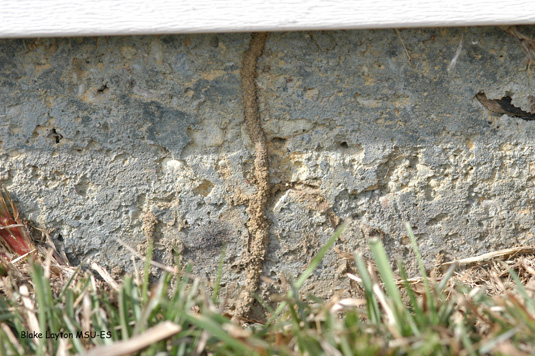
Termites make mud tubes to travel safely. These tubes are brown and thin. They connect the ground to wood. Check near your house for these tubes. They are often found on walls.
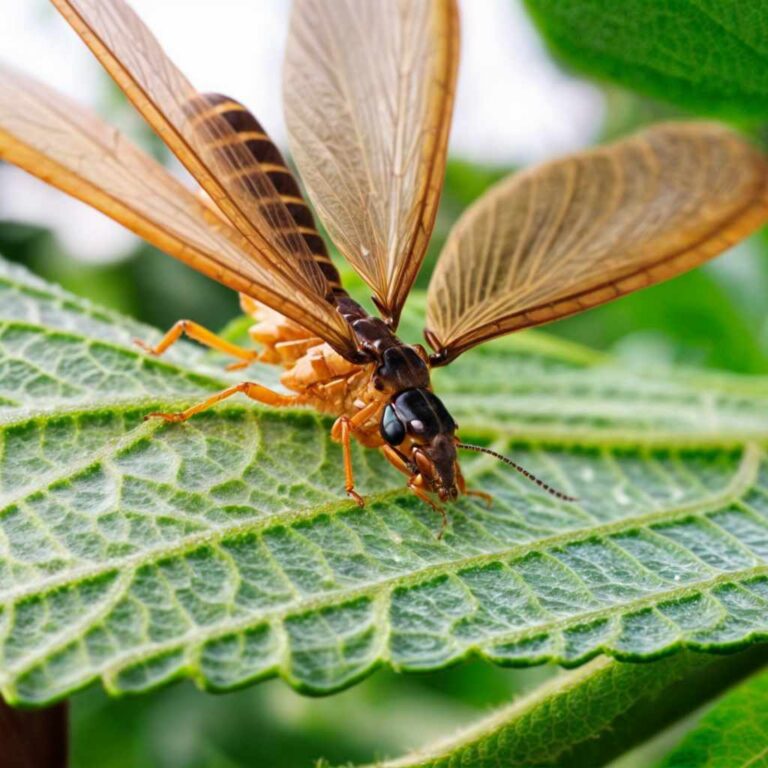
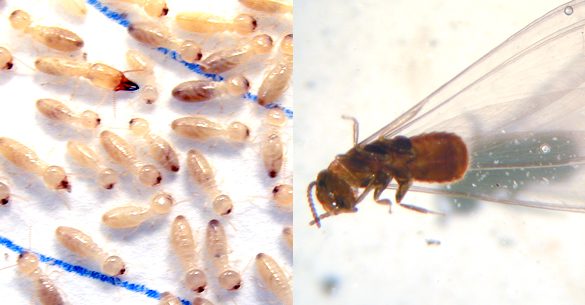
During spring, termites shed their wings. You may find wings on floors. They look like tiny scales. They gather near windows and doors. Finding wings is a strong sign of termites.
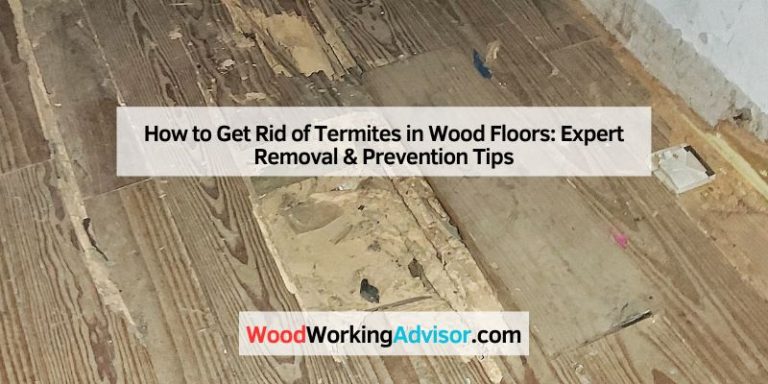
Termites eat wood from inside. Tap wood surfaces to check for hollow sounds. Look for cracks on wooden walls. Furniture may feel weak or break easily. Damage can be costly if ignored. Regular checks can help prevent this.
Understanding Termite Behavior
Termites love to eat wood. This is their main food. They also eat plant material and paper. Termites have strong jaws. This helps them chew wood easily. They need moisture to survive. They find it in the soil. Termites eat all day and night. They never sleep. This makes them a big problem for homes.
Termites build nests underground. These nests are called colonies. Colonies have thousands of termites. They build mud tubes to travel. These tubes keep them safe. Termites make nests near food sources. This helps them get food quickly. They also make nests inside walls. This is a big problem for homeowners. Protecting homes from termites is important.
Termites are most active in warm months. Spring and summer are busy times. They swarm to find new places. Swarming is when they fly to mate. After mating, they start new colonies. Temperature and humidity affect their activity. Cold weather slows them down. But they can still cause damage. Keeping an eye on them is crucial.
Types Of Termites In Your Yard
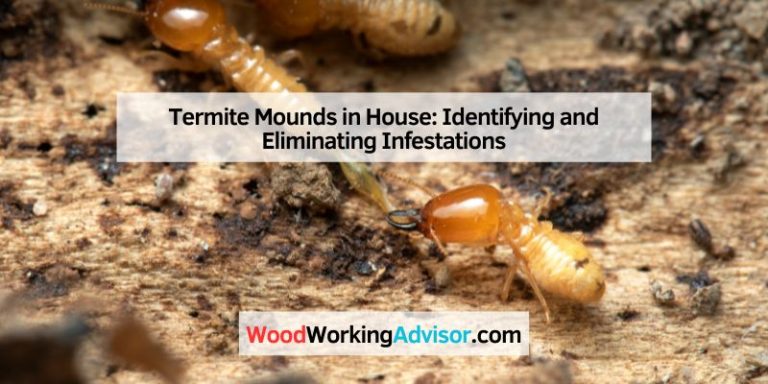
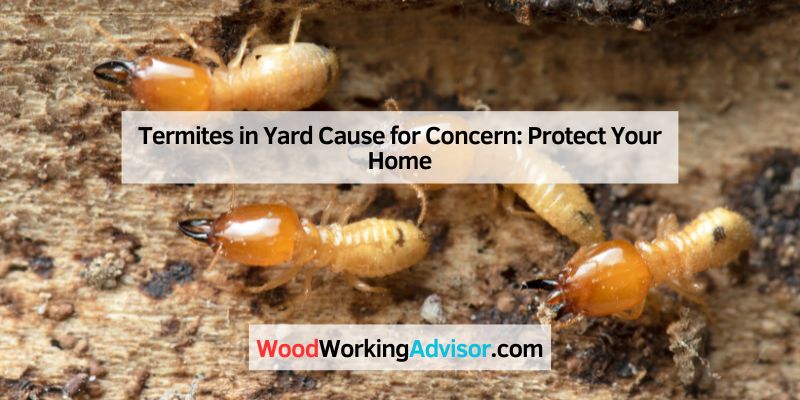
Termites in your yard can be concerning. Subterranean, drywood, and dampwood termites are common types. Each type can harm wooden structures, causing significant damage. Identifying them early helps prevent costly repairs. Regular inspections and maintenance can protect your property from these destructive pests.
Subterranean Termites
Subterranean termites live underground. They need moisture. They build mud tubes. These tubes protect them. They eat wood fast. Homes and trees can be damaged. They are the most common termites. Watch for signs of damage. Early detection is key.
Drywood Termites
Drywood termites do not need soil. They live inside dry wood. They can infest furniture. Harder to detect than others. They eat across the grain. This causes more damage. Look for tiny holes in wood. Droppings may be present.
Dampwood Termites
Dampwood termites prefer wet wood. They love areas with high moisture. They are larger than others. They do not need soil contact. They can damage wet wooden structures. Check for leaks or water damage. Prevention is important.
Credit: extension.msstate.edu
Impact On Property Value
Termites can cause serious damage to your home. They eat wood, weakening structures. This can make your house unsafe. Roofs, walls, and floors may collapse. Fixing these problems costs a lot. This can lower your house’s value.
Termites leave ugly marks. They create holes and tunnels in wood. Your house might look worn out. This can make it less attractive. People might not want to buy it. Maintaining a beautiful home is important.
Repairing termite damage is expensive. You might need to replace wood. Hiring experts costs money. Regular checks are also needed. This adds to the costs. Protect your home to save money.
Preventive Measures
Check your yard often. Look for signs of termites. Mud tubes are a warning. Damaged wood means trouble. Use a flashlight at night. Termites are more active then. Early detection saves money.
Water attracts termites. Fix leaks quickly. Keep gutters clean. Don’t let water pool near your house. Ventilate crawl spaces. Dry areas are safer. Mulch should be dry and away from wood.
Use treated wood for fences. Paint can protect wood. Borate treatments kill termites. Seal cracks in wood. Keep firewood far from the house. Replace damaged wood quickly.
Natural And Chemical Solutions
Use natural oils like neem or orange oil. These oils stop termites. They are safe for plants and animals. Use beneficial nematodes. These tiny worms kill termites. They do not harm your yard.
Chemicals are strong and work fast. Use termite baits. Place them in the ground. Termites eat and carry them back. This kills the whole colony. Liquid termiticides can also be used. They make a barrier in the soil. Termites cannot cross it.
Professionals know how to handle termites well. They check your yard first. Then they use the best methods. This can be costly but is very effective. They ensure your yard is safe. You can relax and enjoy.
When To Call A Professional
Termites can cause serious damage to your yard. Large colonies are hard to handle alone. Signs include mud tubes and hollow wood. It’s time to call a professional if you see these.
DIY methods can be tricky. Some products don’t reach deep nests. Inexperienced handling can worsen the problem. Professional help ensures effective treatment. Experts have special tools and skills.
Pick a service with good reviews. Check for certified technicians. Ask about their experience with termites. Ensure they offer guarantees. Compare prices and services. Make sure they use safe products.
Credit: www.actiontermitecontrol.com
Maintaining A Termite-free Yard
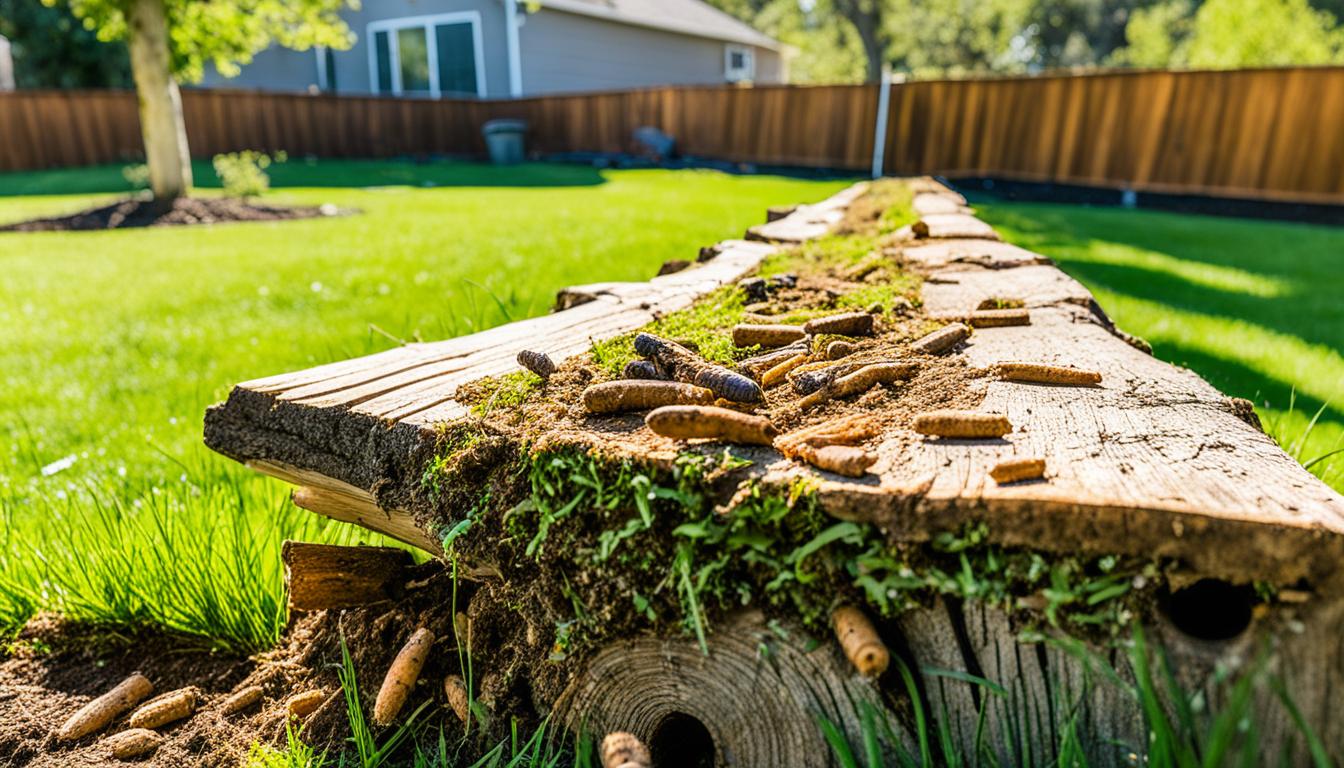
Keep your yard clean. Remove dead wood and fallen branches. Trim bushes and trees. Avoid mulch near your home. Water plants wisely. Don’t overwater. Fix leaks quickly. Store wood away from the ground.
Watch for mud tubes. They are a sign of termites. Inspect wood for damage. Look for tiny holes. Check fences and sheds. Tap wood to hear hollow sounds. Use a flashlight. Look closely in dark places.
Share tips with neighbors. Teach kids about termites. Discuss dangers in community meetings. Use flyers or posters. Invite experts for talks. Encourage group checks for termites. Help others learn and stay safe.
Frequently Asked Questions
Should You Worry If You See Termites Outside?
Seeing termites outside can be a concern, as they might infest your home. Check for entry points and act swiftly. Regular inspections and treatments can prevent damage. Contact a pest control professional for advice and solutions. Protect your property from potential termite invasions.
Is It Normal To Have Termites In The Backyard?
Yes, having termites in the backyard is common. Termites are natural decomposers, feeding on wood and plant debris. Regular inspections and maintenance help prevent infestations. Keep wood and mulch away from the foundation to reduce risks. Consult professionals if you suspect termite damage.
Is It Common To Find Termites In Yards?
Yes, finding termites in yards is common. They thrive in moist soil and decaying wood. Regular inspections help prevent infestations. Keep woodpiles away from your home and maintain proper yard drainage. Termites play a role in the ecosystem, but uncontrolled growth can harm structures.
Why Are There So Many Termites In My Yard?
Termites thrive in moist environments and abundant wood sources. Check for wet soil and wood debris. Mulch, stumps, and decaying plant matter attract termites. Address moisture issues and remove wood piles to reduce termite presence. Regular inspections help prevent infestations.
Conclusion
Termites in your yard can signal bigger problems. They damage wood structures. Ignoring them may lead to costly repairs. Inspect your yard regularly. Look for signs of termite activity. Mud tubes, hollow wood, and discarded wings are common indicators. Contact a professional if you suspect termites.
Early detection saves money and stress. Protect your home by keeping wood away from soil. Ensure proper drainage and repair leaks promptly. Being proactive helps prevent termite infestations. Keep your yard safe from these destructive pests. Stay vigilant and informed to maintain your property’s value and safety.