Termites vs Rotten Wood: How to Spot the Difference
Figuring out the difference between Termites vs Rotten Wood: How to Identify can be tricky. Many people find it tough at first, but don’t worry! It’s actually easier than it looks. You’re about to learn a simple, step-by-step method to tell them apart, ensuring you can protect your home. We’ll explore the clues, helping you become an expert at spotting the difference without any special tools or complicated jargon.
What You Need to Know: Spotting the Signs
Learning the difference between termites and rotten wood is vital for keeping your home safe. Both can cause damage, but they do it in different ways. Termites eat wood from the inside out, creating hidden tunnels. Rotten wood is caused by moisture and fungus, causing the wood to become soft and crumbly. Knowing the key signs of each is the first step in protecting your property. Let’s explore the crucial identifiers.
Examining the Wood
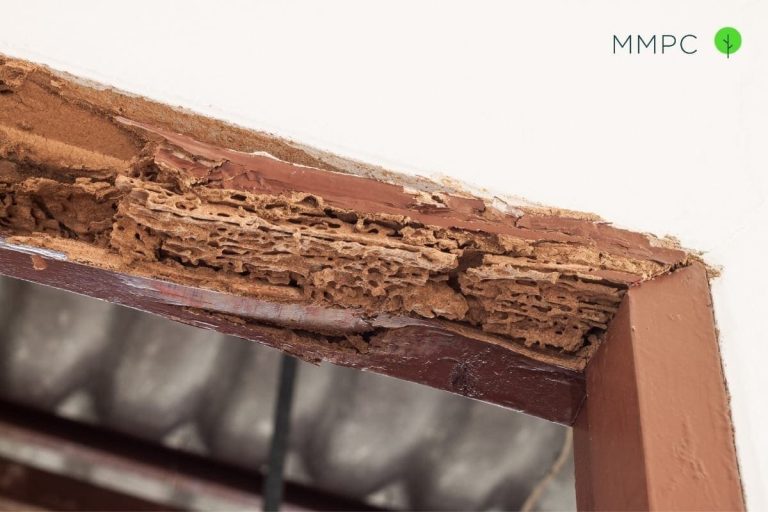
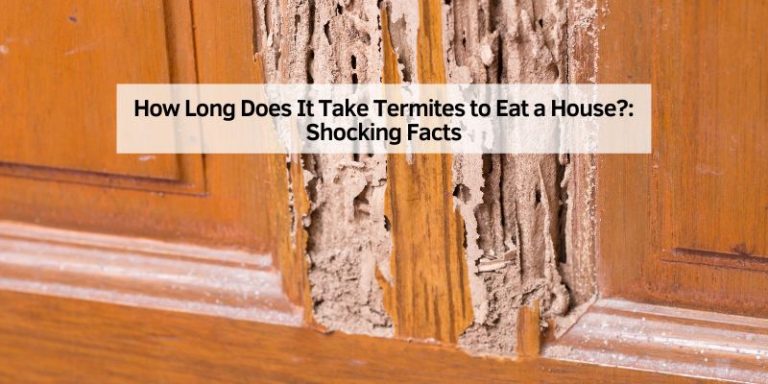
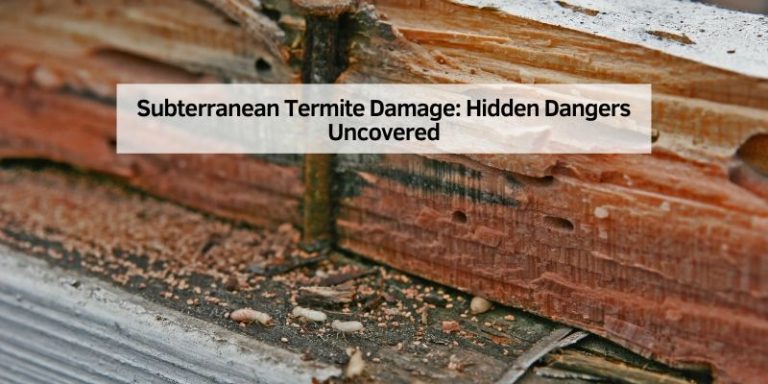
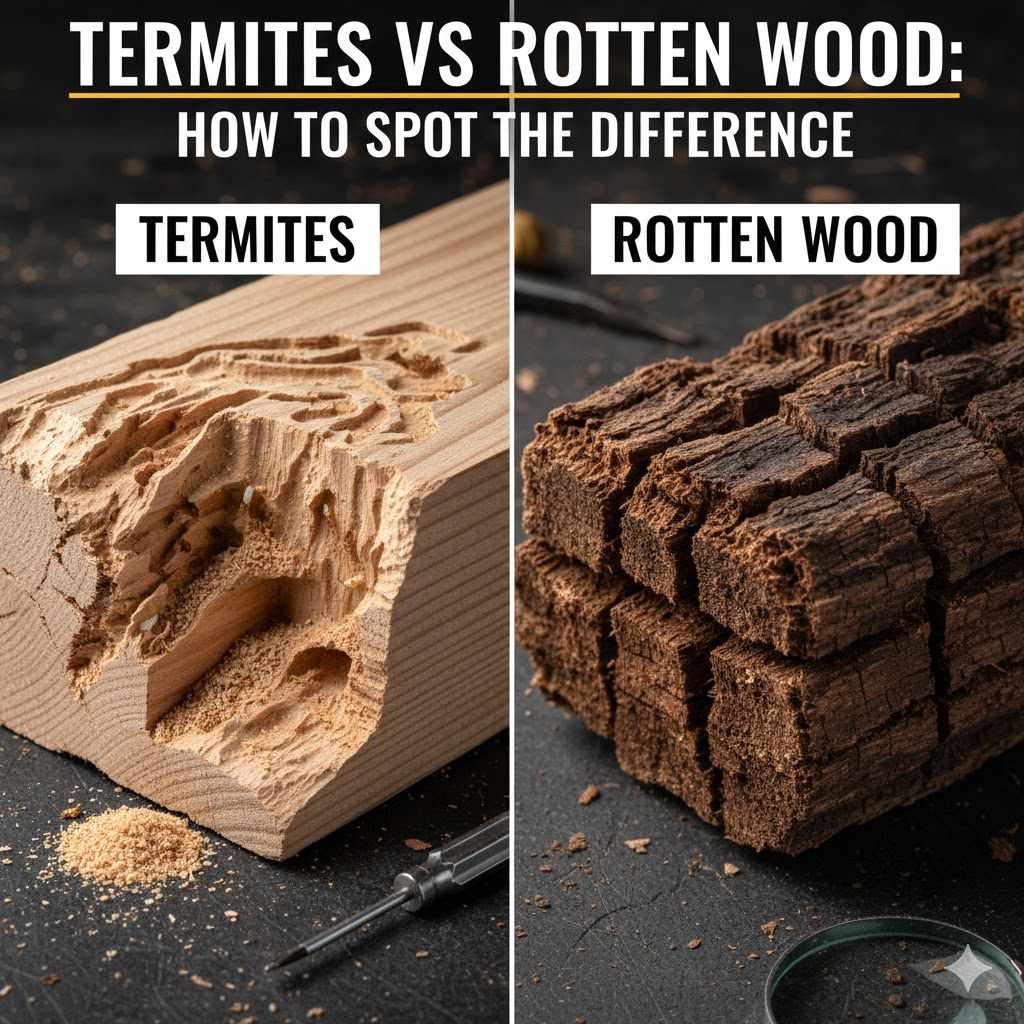
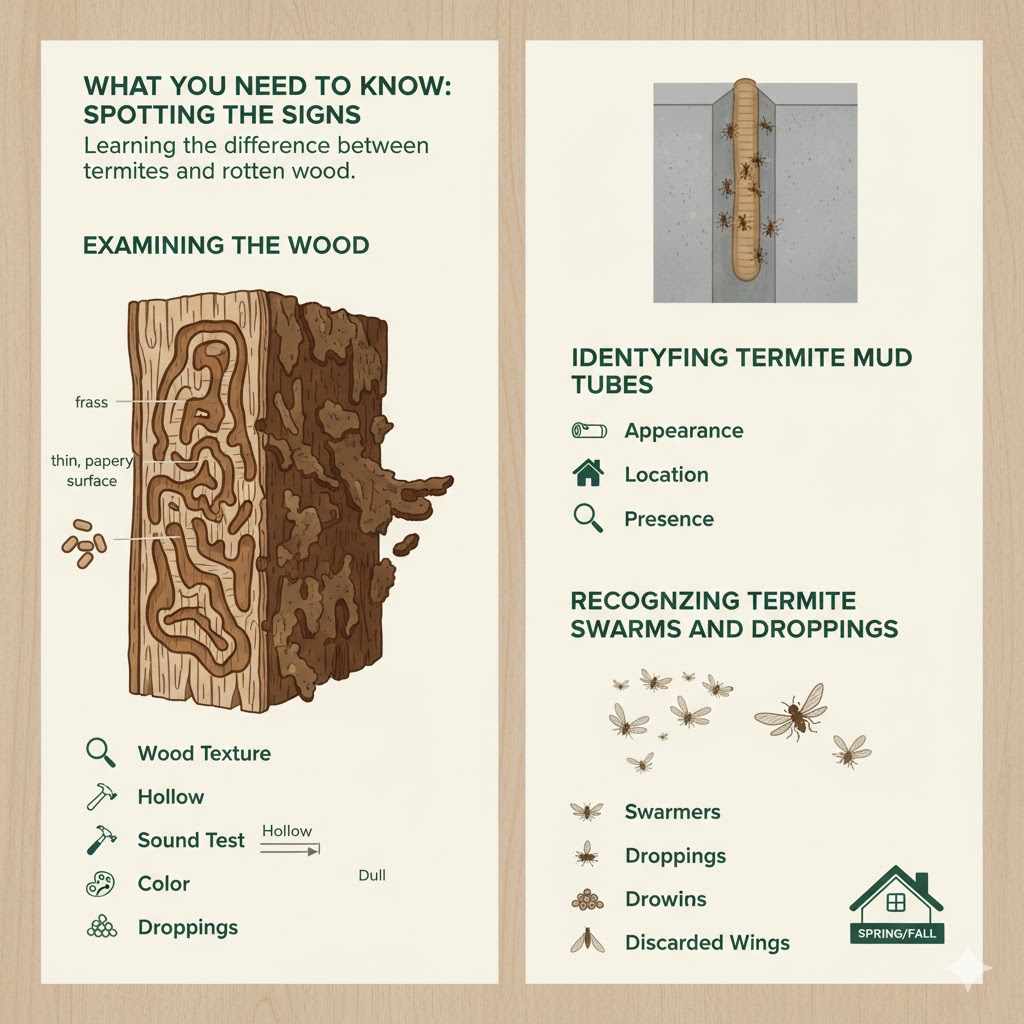
One of the easiest ways to start is by looking closely at the wood. Termite-infested wood often has a maze-like structure, with tunnels running parallel to the grain. These tunnels are usually filled with mud or soil, which termites use to protect themselves and move around. Rotten wood, on the other hand, looks soft and spongy. You might see cracks or a crumbly texture. If you poke it with a screwdriver, termite-damaged wood will be hollow, while rotten wood will give way easily.
- Wood Texture: Termite-damaged wood has a thin, papery surface. You can often see the maze-like tunnels termites create inside.
- Sound Test: Gently tap the wood with a hammer or your knuckles. Termite-damaged wood will sound hollow, while rotten wood will sound dull.
- Color: Termite-eaten wood often looks cleaner, with the wood grain missing. Rotten wood may have a darker color due to the presence of mold or fungus.
- Droppings: Termites leave behind tiny droppings that look like small pellets. These droppings can be found near termite-infested wood.
Identifying Termite Mud Tubes
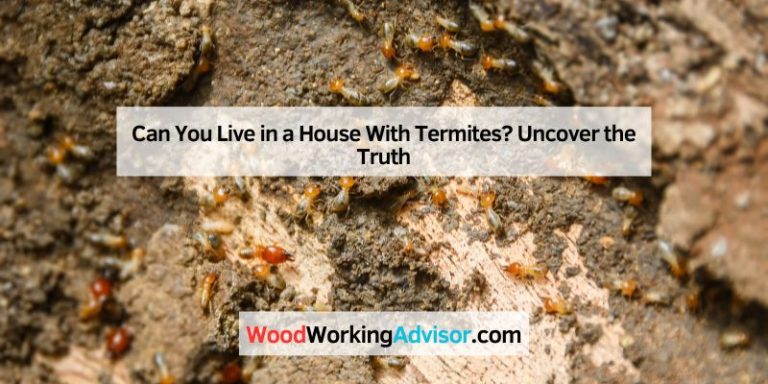
Termites build mud tubes to travel between their nest and their food source, which is usually wood. These tubes are often found on foundations, walls, or other surfaces. Spotting these tubes is a clear indication that termites are present. These tubes protect termites from predators and the sun, making them easy to spot. Learning the telltale signs of these tubes can prevent significant damage.
- Appearance: Look for small, pencil-sized tubes made of mud, dirt, and termite saliva. These tubes will be attached to the surface.
- Location: Check along foundations, walls, and any wooden structures that touch the ground.
- Presence: If you break open a tube, you might find termites inside, confirming their presence.
Recognizing Termite Swarms and Droppings
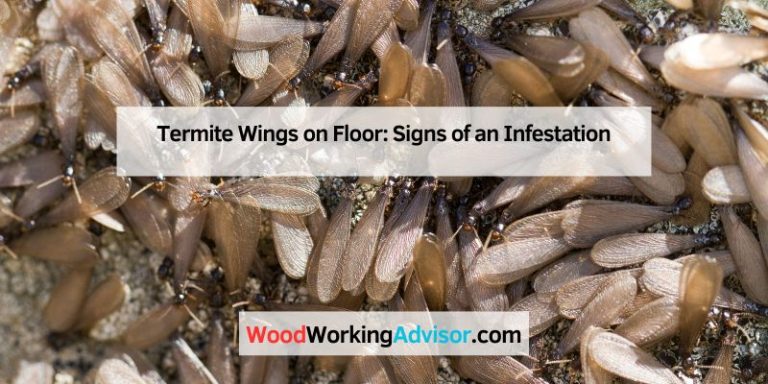
Termites swarm when they are looking for a new place to start a colony. This usually happens in the spring and involves winged termites. Spotting these swarms can mean that a termite colony is nearby. Moreover, termite droppings, or frass, are another telltale sign. They look like tiny pellets and can be found near infested wood. By understanding these signs, you can catch termite problems early.
- Swarmers: Winged termites, often seen in large numbers, are a sign of a termite infestation.
- Droppings: Termite droppings look like small, hard pellets and are usually found near termite-infested wood.
- Discarded Wings: After swarming, termites shed their wings. Finding these wings can be a clear sign of termite activity.
Uncovering Rotten Wood: The Details
Rotten wood is usually caused by moisture, fungus, and mold. Unlike termites, which eat the wood from the inside, rotten wood breaks down due to external factors. This type of damage can weaken the structure of your home, making it crucial to detect and handle as soon as possible. Recognizing the signs of rotten wood helps you stop its spread and protect your property. The best way to begin is by knowing what to look for.
Causes of Wood Rot
Wood rot primarily occurs when wood is exposed to moisture and fungus. There are different types of fungus, each causing different types of decay. Dry rot, for example, is a common type that can spread quickly. Exposure to water from leaks, poor drainage, or damp conditions can encourage fungal growth. Addressing the causes of wood rot includes identifying and repairing any leaks or water damage issues, ensuring proper ventilation, and using treated wood in areas prone to moisture.
- Moisture Exposure: Leaks, condensation, and poor ventilation can contribute to moisture buildup.
- Fungal Growth: Various types of fungus feed on wood and cause it to decay.
- Types of Wood Rot: There are various types of rot, including brown rot, white rot, and soft rot, which can cause different levels of damage.
Spotting the Visual Clues
The visual signs of rotten wood are usually easy to spot if you know what to look for. The wood’s appearance will change. It might become soft, spongy, or crumbly. The color may change too, often becoming darker. The telltale signs make it easy to differentiate between the two types of issues. In some cases, the paint or finish on the wood may also blister or peel off. Identifying these signs can prevent greater problems.
- Softness: The wood feels soft to the touch and easily yields to pressure.
- Cracking: Look for cracks that run across the grain of the wood.
- Color Changes: The wood may darken in color or show signs of mold growth.
- Musty Smell: Rotten wood often has a musty odor that indicates fungal activity.
Testing the Wood’s Integrity
Testing the wood’s integrity is a good method of confirming whether or not it’s rotten. Using a screwdriver or other sharp object, you can gently probe the wood to see how easily it gives way. Rotten wood will be easy to penetrate. You can also listen to the sound. Tapping on it will produce a dull sound compared to the solid sound of healthy wood. Performing these tests helps ensure correct identification.
- Probe Test: Use a screwdriver or awl to check for softness.
- Sound Test: Tap the wood and listen for a dull, hollow sound.
- Weight Test: Rotten wood is often lighter than sound wood.
Direct Comparison: Termites vs Rotten Wood
The main differences between termites and rotten wood are the cause of the problem and the appearance of the damage. Termites eat wood from the inside out, while rotten wood decays due to moisture and fungi. Termite damage looks like tunnels, while rotten wood is soft and crumbly. The contrast between termite-infested wood and rotted wood is very clear once you know what to look for.
| Feature | Termites | Rotten Wood |
|---|---|---|
| Cause | Termite infestation | Moisture and fungal decay |
| Appearance | Tunnels inside the wood, mud tubes, frass | Soft, spongy texture, color changes |
| Sound | Hollow sound when tapped | Dull sound when tapped |
| Presence | Swarmers, discarded wings, frass | Musty odor, mold growth |
Damage Patterns Explained
The way termites and rotten wood cause damage is very different. Termites tunnel through the wood, usually eating along the grain. This can leave the surface intact while the inside is hollowed out. Rotten wood, however, begins to break down on the surface due to the moisture and fungal growth. Knowing the different patterns helps you understand the extent of the damage.
- Termite Damage Pattern: Hollowed-out tunnels, maze-like structures, usually following the wood grain.
- Rotten Wood Damage Pattern: Soft, crumbling wood, often starting on the surface.
Identifying Infestation Stages
Understanding the stages of infestation for both termites and wood rot can help you detect the issue early and stop it. Termite infestations go through different stages, from initial entry to a full-blown colony. Wood rot also has stages, ranging from early discoloration to complete structural failure. Knowing these stages allows you to take action at the earliest possible stage.
- Termite Infestation Stages: Entry, tunnel creation, colony growth, and swarming.
- Rotten Wood Stages: Initial discoloration, softening, cracking, and structural failure.
Assessing Damage Severity
Evaluating the severity of the damage is key to deciding what to do next. For termites, the severity depends on the size of the colony and how long they’ve been at work. For rotten wood, the severity depends on how much the wood has decayed. Assessing the extent of the damage helps you choose the right course of action. This might involve simple repairs or professional help.
- Termite Damage Severity: Based on the amount of wood consumed and the presence of live termites.
- Rotten Wood Damage Severity: Based on the amount of wood that has decayed and its structural integrity.
Prevention Methods and Early Detection
The best method to protect your home from both termites and rotten wood is prevention. Regular inspections and proper maintenance can reduce the risk. This involves maintaining good ventilation to prevent moisture buildup and treating the wood to protect it from termites. A little effort can save you from a major headache.
Wood Treatment and Protection
Treating wood with preservatives can protect it from both termites and wood rot. There are various products available, including borates for termites and fungicides for wood rot. Proper wood treatment creates a barrier. It adds a layer of protection that helps prevent damage. This is a key step in keeping your property safe from termites and wood rot.
- Chemical Treatments: Applying insecticides and preservatives to the wood.
- Wood Sealants: Using paints or stains to protect the wood’s surface.
- Treated Wood: Using wood that’s already been treated with preservatives.
Importance of Regular Inspections
Routine inspections are critical for spotting problems early. Check your home regularly for signs of termites and wood rot. Look at areas around foundations, basements, and crawl spaces. Early detection can prevent serious damage by allowing you to take action before the problem gets worse. Scheduling inspections with professionals is a good method.
- Frequency: Inspect your home at least once a year.
- Areas to Inspect: Foundations, basements, crawl spaces, and areas with wood-to-ground contact.
Maintaining Proper Ventilation and Drainage
Proper ventilation and drainage are key for preventing wood rot. Make sure crawl spaces and attics have good ventilation to stop moisture buildup. Ensure your property has good drainage to divert water away from your foundation. Taking care of these details helps keep your home dry and prevents the conditions that cause wood rot. Proper drainage and ventilation make a difference.
- Ventilation: Ensure adequate airflow in crawl spaces and attics.
- Drainage: Keep gutters clean and ensure proper water runoff.
- Landscaping: Avoid planting trees too close to your home.
Professional Assistance
Knowing when to call a professional can make a big difference. If you’re unsure about the extent of the damage or can’t identify the problem, a professional can provide an expert assessment. They have the knowledge and tools to provide a complete solution. Their expertise can save you time and money in the long run.
When to Contact a Professional
If you suspect termites or wood rot but aren’t sure, it’s a good idea to call a professional. Also, if you find extensive damage or think there may be structural problems, seek help immediately. Professionals have the tools and experience to handle these issues safely. They will give you the advice you need to proceed.
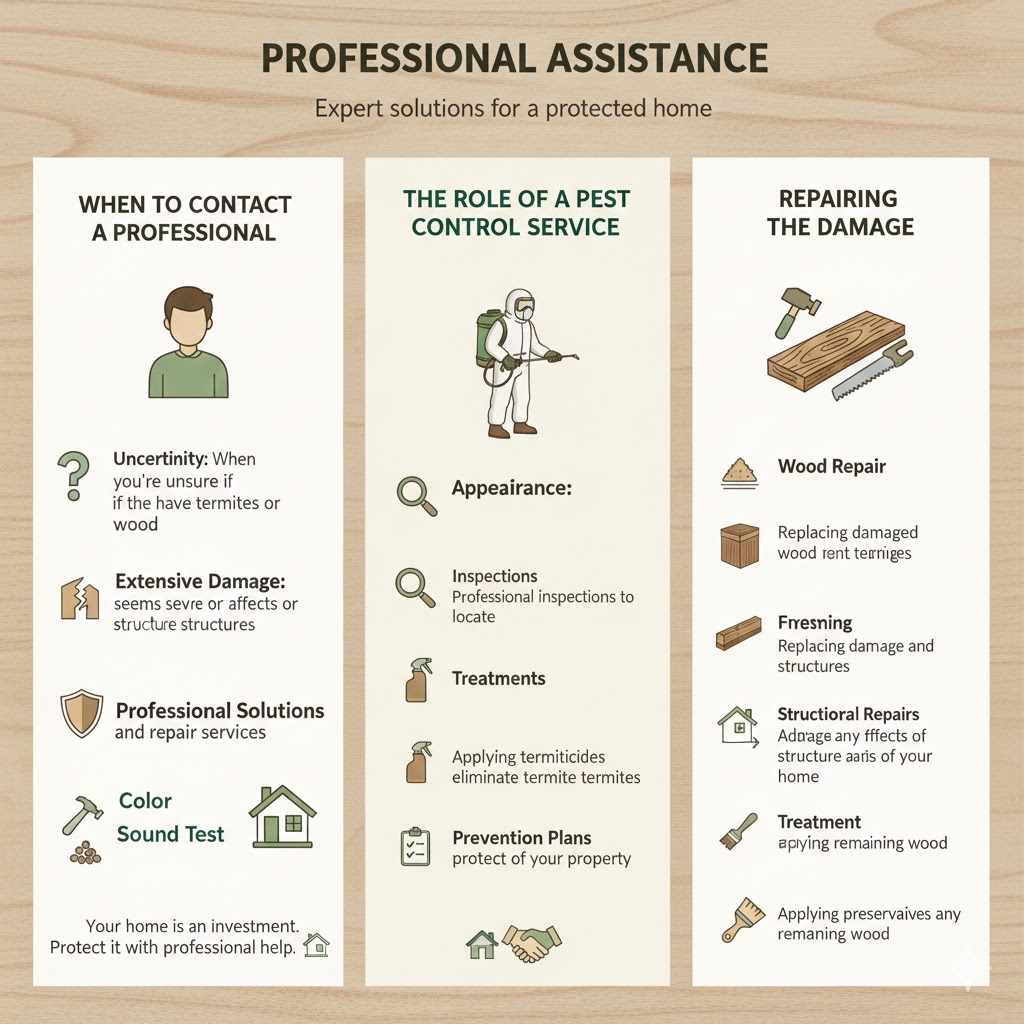
- Uncertainty: When you’re unsure if you have termites or wood rot.
- Extensive Damage: If the damage seems severe or affects the structure.
- Professional Solutions: For complete extermination and repair services.
The Role of a Pest Control Service
Pest control services are vital for termite control. They can inspect your home, identify termite infestations, and offer treatments. Pest control specialists use safe and effective methods to handle termites. They will help you find a solution to get rid of the pests and protect your property. Working with a pro is worth the cost.
- Inspections: Professional inspections to locate termite activity.
- Treatments: Applying termiticides to eliminate termites.
- Prevention Plans: Help you plan ways to protect your property.
Repairing the Damage
Repairing the damage done by termites or wood rot is an important step. This could include replacing damaged wood, repairing structural issues, and treating the remaining wood. Repairing the damage correctly helps you restore the integrity of your home. It can also help prevent future problems.
- Wood
- Structural Repairs: Addressing any damage that affects the structure of your home.
- Treatment: Applying preservatives to any remaining wood.
Frequently Asked Questions
Question: How can I tell if I have termites?
Answer: Look for mud tubes, droppings that look like small pellets, and wood that sounds hollow when tapped. You might also see swarms of winged termites.
Question: What do termite droppings look like?
Answer: Termite droppings are small, hard pellets, often found near areas where termites are eating wood.
Question: How do I know if I have wood rot?
Answer: Look for wood that is soft, spongy, or crumbly. The wood may also change color and have a musty smell.
Question: Is it always necessary to call a professional?
Answer: It’s a good idea to call a professional if you’re unsure about the extent of the damage, if the damage is extensive, or if you suspect structural problems.
Question: What can I do to prevent termites and wood rot?
Answer: Maintain good ventilation and drainage, regularly inspect your home for signs of damage, and use treated wood. Contacting a pest control expert can help.
Final Thoughts
Knowing the difference between Termites vs Rotten Wood: How to Identify is essential for protecting your property. You’ve explored the key signs of each, from the telltale mud tubes of termites to the soft, spongy texture of rotten wood.
You also learned how to tell the difference and take steps to prevent damage. Remember to regularly check your home for signs of trouble, and don’t hesitate to seek professional help if needed. By staying vigilant and taking action, you can protect your home for years to come. Act now to safeguard your investment.