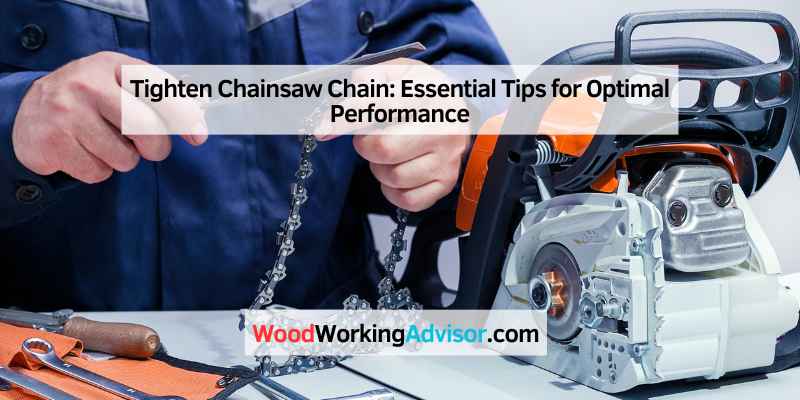
Tighten Chainsaw Chain: Essential Tips for Optimal Performance
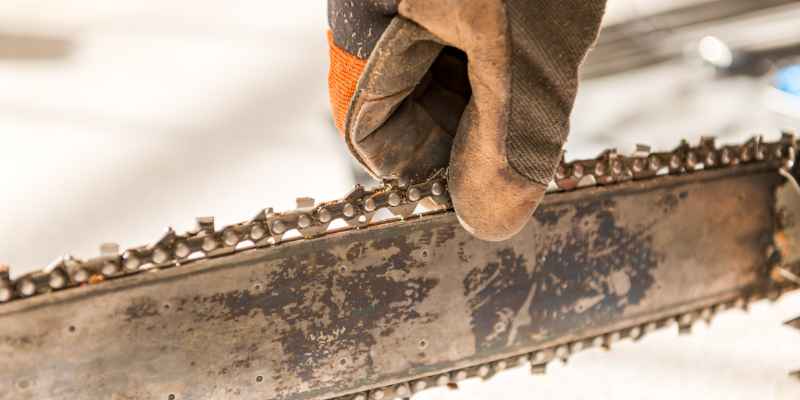
To tighten a chainsaw chain, locate the tensioning screw and turn it clockwise. Ensure the chain sits snugly against the guide bar.
Maintaining a properly tightened chainsaw chain is crucial for safety and efficiency. A loose chain can cause kickback or lead to uneven cuts, making your work harder and potentially dangerous. Regularly checking the tension should be part of your routine maintenance.
Ideal tension allows the chain to move freely while staying securely in place. Understanding how to adjust the chain tension not only extends the life of your chainsaw but also enhances its performance. Learning this simple skill can save time and improve your cutting experience, making every job easier and safer. Proper tensioning is key for any chainsaw user, whether a professional or a DIY enthusiast.
Introduction To Chainsaw Maintenance
Proper chainsaw maintenance is essential for performance and safety. One key aspect is chain tension. A well-maintained chain cuts effectively and lasts longer. Neglecting maintenance can lead to problems. Understanding how to tighten your chainsaw chain is vital for optimal operation.
Importance Of Chain Tension
Chain tension affects the efficiency of your chainsaw. Here are some reasons why maintaining proper tension is crucial:
- Safe Operation: A properly tensioned chain reduces kickback risk.
- Efficient Cutting: Optimal tension helps the chain cut smoothly.
- Prolonged Chain Life: Correct tension minimizes wear and tear.
- Improved Performance: Maintains cutting speed and reduces strain on the motor.
Consequences Of Improper Tension
Improper chain tension can lead to significant issues. Here are some potential consequences:
| Issue | Effect |
|---|---|
| Loose Chain | Chain can derail, causing accidents. |
| Tight Chain | Increased wear on the motor and chain. |
| Uneven Cuts | Results in jagged edges and wasted time. |
| Kickback | Can lead to severe injuries. |
Regularly checking and adjusting chain tension is simple. Follow the manufacturer’s guidelines for the best results. Keep your chainsaw safe and efficient.
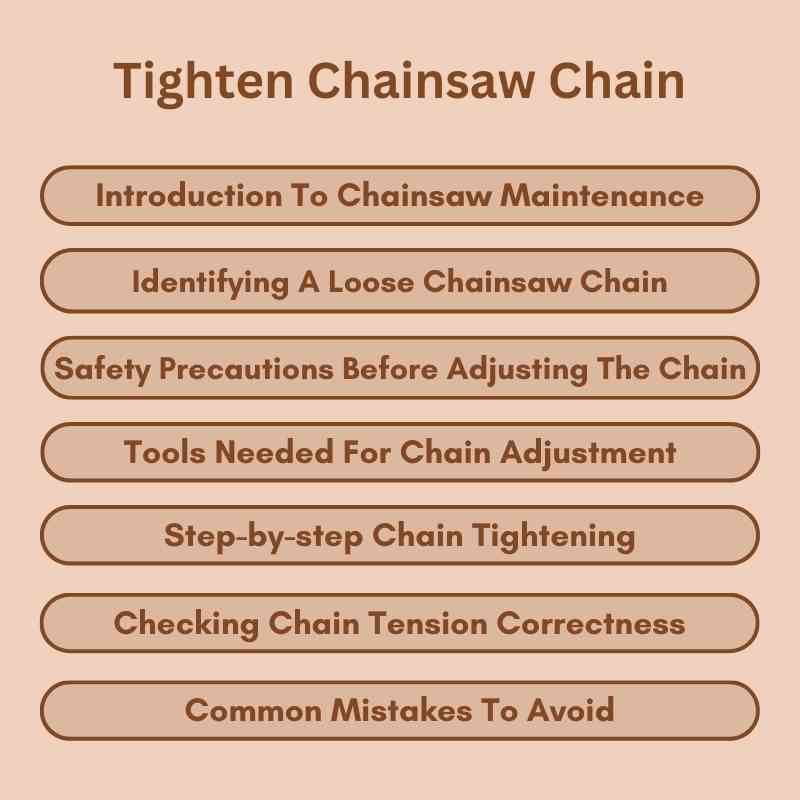
Identifying A Loose Chainsaw Chain
Recognizing a loose chainsaw chain is crucial for safe operation. A loose chain can lead to accidents or damage. Follow these steps to spot issues quickly.
Visual Inspection
A visual inspection helps spot a loose chainsaw chain easily. Look for these signs:
- Chain sagging: The chain hangs lower than normal.
- Gap between chain and bar: Noticeable space exists.
- Worn links: Check for damage or wear on the links.
Use a flashlight for better visibility. Inspect the entire length of the chain for irregularities.
Performance Symptoms
Observe how your chainsaw performs. A loose chain shows specific symptoms:
- Chain jumping: The chain jumps off the bar during use.
- Inconsistent cuts: The saw struggles to cut evenly.
- Vibration: Increased vibrations during operation.
These symptoms indicate a need for adjustment. Address them promptly for safety.
Safety Precautions Before Adjusting The Chain
Adjusting your chainsaw chain is important for safe and efficient cutting. Proper safety measures protect you from accidents. Follow these precautions to ensure your safety.
Proper Gear
Wearing the right gear is essential. Here are some items to use:
- Safety goggles: Protect your eyes from flying debris.
- Ear protection: Chainsaws are loud and can harm hearing.
- Gloves: Keep your hands safe from cuts.
- Hard hat: Protect your head from falling branches.
- Steel-toed boots: Guard your feet from heavy equipment.
Chainsaw Disengagement
Always disengage the chainsaw before making adjustments. Follow these steps:
- Turn off the chainsaw completely.
- Remove the spark plug wire.
- Set the chainsaw on a stable surface.
These steps prevent accidental starts. Always remember to check that the chain is not moving.
Safety first ensures a smooth and secure experience. Stay alert and focused while working.
Tools Needed For Chain Adjustment
Proper tools make adjusting your chainsaw chain easy and efficient. Using the right equipment ensures safety and effectiveness. Here’s what you need for proper chain adjustment.
Standard Toolset
A basic toolset is essential for any chainsaw maintenance. Here are the main tools you’ll need:
- Wrench: Use it to loosen and tighten nuts.
- Screwdriver: Helps with adjusting the tensioning screw.
- Chain File: Keeps the chain sharp during adjustment.
- Protective Gloves: Always wear them for safety.
Specialized Equipment
Sometimes, specialized tools can enhance your chainsaw experience. Consider these options:
| Tool | Purpose |
|---|---|
| Chainsaw Tool Kit | Includes various tools for complete maintenance. |
| Tension Gauge | Measures chain tension accurately. |
| Bar Ruler | Helps measure bar length for adjustments. |
Having the right tools simplifies the chain adjustment process. Ensure you have these tools handy before starting your work. This preparation enhances safety and efficiency.
Step-by-step Chain Tightening
Tightening a chainsaw chain ensures safety and efficiency. A loose chain can lead to accidents and poor cutting performance. Follow these simple steps to tighten your chainsaw chain correctly.
Loosening The Guide Bar
Start by preparing your chainsaw for adjustment. Follow these steps:
- Turn off the chainsaw and disconnect the spark plug.
- Place the chainsaw on a stable surface.
- Locate the guide bar nuts. These usually sit on top of the guide bar.
- Use a wrench to loosen the nuts. Turn counterclockwise.
Loosening the guide bar allows for tension adjustments.
Adjusting The Tensioning Screw
The tensioning screw helps tighten the chain effectively. Here’s how to adjust it:
- Find the tensioning screw. It’s often located near the front of the guide bar.
- Use a screwdriver to turn the tensioning screw.
Turn clockwise to tighten the chain. Aim for a snug fit. The chain should not sag or be too tight. Check by lifting the chain slightly. It should snap back into place.
Retightening The Guide Bar Nuts
After adjusting the tension, secure the guide bar. Follow these steps:
- Align the guide bar properly with the chain.
- Hold the guide bar in place.
- Tighten the guide bar nuts. Turn clockwise.
Make sure the nuts are firm but not overly tight. This ensures stability during operation.
Check the chain tension once more. It should move smoothly without excessive play. A properly tightened chain enhances performance and safety.
Checking Chain Tension Correctness
Proper chain tension is vital for safe chainsaw use. A loose chain can derail during operation. This can lead to accidents. Regular checks help maintain optimal tension. Two key tests ensure the chain is correctly tightened.
Snap-back Test
The snap-back test is simple and effective. Follow these steps:
- Turn off the chainsaw and let it cool.
- Grip the chain at the midpoint.
- Pull it away from the bar.
- Release the chain quickly.
Observe the chain:
- If it snaps back into place, tension is correct.
- If it stays loose, tighten the chain.
Rotation Smoothness
Rotation smoothness is another indicator of proper tension. Check this by following these steps:
- Start the chainsaw.
- Observe the chain’s movement.
Look for these signs:
- Chain r
Common Mistakes To Avoid
Properly tightening your chainsaw chain is essential for safety and performance. Avoiding common mistakes can save time and prevent accidents. Here are two significant mistakes to watch out for.
Over-tightening
Over-tightening your chainsaw chain can lead to serious issues. Here are the main problems caused by over-tightening:
- Chain Damage: A tight chain can warp or break.
- Bar Damage: Excess tension harms the guide bar.
- Motor Strain: It increases wear on the motor.
To avoid over-tightening:
- Check the owner’s manual for proper tension settings.
- Adjust the chain until it fits snugly.
- Ensure the chain moves freely on the bar.
Neglecting Bar Maintenance
Neglecting your chainsaw’s guide bar can cause poor performance. Regular maintenance helps maintain efficiency. Here are key maintenance tips:
| Maintenance Task | Frequency |
|---|---|
| Clean the guide bar groove | After every use |
| Check for burrs or damage | Weekly |
| Lubricate the bar | Before each use |
Regularly inspect the bar and chain. This will help maintain performance and safety. Don’t forget to replace worn parts promptly.
When To Seek Professional Help
Knowing when to seek professional help for your chainsaw chain is crucial. Some issues are easy to fix, while others require expert skills. Recognizing the right time can save you time and prevent further damage.
Signs Of Chain Damage
Check your chainsaw chain regularly. Look for these signs of damage:
- Broken Links: Look for any links that are cracked or broken.
- Worn Teeth: If the teeth are dull or missing, it affects cutting.
- Excessive Wear: Any signs of rust or wear indicate a problem.
- Unusual Sounds: Listen for grinding or rattling noises when cutting.
- Chain Slippage: If the chain jumps off the bar, it needs attention.
Complex Adjustments
Some adjustments require experience. These tasks may be too complex:
- Bar Alignment: Aligning the bar properly can be tricky.
- Chain Tensioning: Incorrect tension can cause serious issues.
- Deep Cleaning: A thorough cleaning might need special tools.
- Replacement Parts: Finding the right parts can be challenging.
When facing these issues, it’s best to consult a professional. They ensure safety and effectiveness in repairs.
Routine Chainsaw Chain Care
Keeping your chainsaw chain in top shape is crucial. Proper care increases performance and longevity. Regular maintenance prevents accidents and ensures safety.
Cleaning And Oiling
Cleaning and oiling your chainsaw chain are vital for smooth operation. Dirt and debris can cause wear and tear. Follow these steps:
- Turn off the chainsaw and unplug it.
- Remove the chain from the guide bar.
- Use a brush to clean the chain.
- Wash the guide bar with soapy water.
- Dry all parts thoroughly.
- Apply chain oil to the chain before reassembling.
Regular oiling minimizes friction. This step enhances cutting efficiency.
Regular Inspections
Inspect your chainsaw chain frequently. Regular checks help catch issues early. Look for:
- Worn or damaged links
- Missing teeth
- Rust or corrosion
Perform these inspections after every use. Address any problems immediately. This practice ensures safety and effectiveness.
Knowing When To Replace
Recognizing when to replace your chainsaw chain is essential. Signs include:
| Signs | Action |
|---|---|
| Excessive wear | Replace the chain |
| Frequent dulling | Consider a new chain |
| Inconsistent cutting | Check for replacement |
Using a worn chain can cause accidents. Always prioritize safety.
Advanced Tips For Experienced Users
Experienced users can gain more efficiency and safety from their chainsaws. Fine-tuning your chainsaw’s performance can lead to better cutting results. Mastering the art of tightening the chainsaw chain is essential for optimal operation.
Fine-tuning Techniques
Fine-tuning your chainsaw chain can improve both performance and safety. Follow these techniques for better results:
- Check Tension Regularly: Inspect the chain tension before every use.
- Use a Tension Gauge: A gauge ensures accurate tension settings.
- Adjust with Care: Loosen the bolts gently before adjusting tension.
- Test the Chain: Pull the chain slightly away from the bar. It should snap back easily.
These techniques enhance cutting efficiency. Keep your chainsaw in top shape by following these steps.
Upgrading Chains And Bars
Upgrading chains and bars can significantly enhance performance. Consider the following points:
| Type of Chain | Best For | Benefits |
|---|---|---|
| Low-Profile Chains | Homeowners | Safer, easier to handle |
| Full-Compliment Chains | Professional Users | Faster cutting, better performance |
| Skip-Tooth Chains | Heavy-Duty Tasks | Reduced drag, efficient for big cuts |
Choose the right chain type for your needs. Upgrade your bar length for larger cuts. A longer bar can make a noticeable difference in efficiency.
Always ensure compatibility between the chain and bar. This prevents accidents and maintains performance. Regular upgrades can extend the life of your chainsaw.
Conclusion: Importance Of Regular Maintenance
Regular maintenance of your chainsaw is crucial for optimal performance. Tightening the chainsaw chain is a key part of this maintenance. It ensures safety and prolongs the life of your equipment.
Enhanced Safety
A well-maintained chainsaw is safer to use. A loose chain can lead to accidents. Here are some safety tips:
- Check the tension before each use.
- Wear safety gear like gloves and goggles.
- Inspect the chain for damage regularly.
Properly tightened chains minimize the risk of kickback. A secure chain stays in place during operation. Always prioritize safety while using your chainsaw.
Prolonged Equipment Life
Regularly tightening your chainsaw chain extends its lifespan. A loose chain can cause excessive wear on the bar and motor. Here’s how maintenance helps:
| Benefit | Description |
|---|---|
| Reduced Wear | Less friction means less damage to parts. |
| Better Performance | A tight chain cuts more efficiently. |
| Cost Savings | Prevents costly repairs and replacements. |
Invest time in maintenance. A little effort goes a long way. Ensure your chainsaw serves you well for years.
Frequently Asked Questions
How Do I Know If My Chainsaw Chain Is Loose?
A loose chainsaw chain can be identified by excessive movement. If you can pull the chain away from the bar easily, it’s likely too loose. Additionally, if the chain keeps falling off during use, it’s a strong indicator that it needs tightening.
What Tools Do I Need To Tighten A Chainsaw Chain?
To tighten a chainsaw chain, you’ll typically need a wrench or screwdriver. Some chainsaws come with a specific tool for this purpose. Always consult your user manual for the right tool recommendations for your chainsaw model.
How Often Should I Tighten My Chainsaw Chain?
It’s advisable to check your chainsaw chain tension before each use. Frequent cutting can cause the chain to loosen over time. Regular maintenance ensures safe operation and prolongs the life of both the chain and the chainsaw.
What Happens If I Don’t Tighten My Chainsaw Chain?
If you don’t tighten your chainsaw chain, it can lead to various issues. A loose chain may jump off, causing injury or damage. It can also lead to decreased cutting efficiency and increased wear on the chainsaw bar and chain.
Conclusion
Properly tightening your chainsaw chain is essential for safety and efficiency. Regular maintenance not only extends the life of your tool but also enhances cutting performance. Remember to check tension frequently and adjust as needed. With these simple steps, you’ll enjoy smoother cuts and a safer work environment.
Happy sawing!