What Makes a Good Chainsaw? Bar Length, Power & Safety Explained
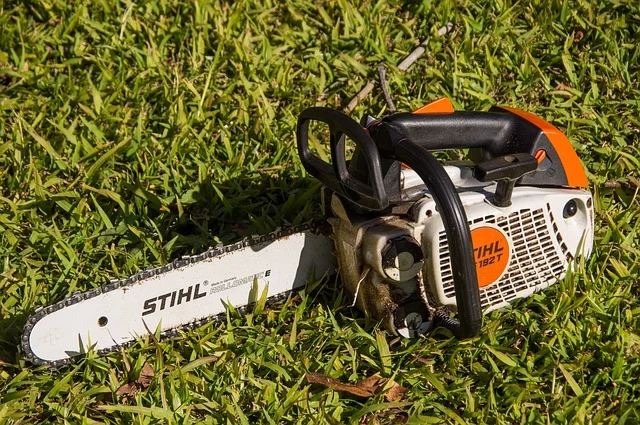
A good chainsaw matches its bar length to the job, delivers enough power-to-weight to keep the chain moving through a cut, and includes a chain brake plus a low-kickback bar and chain – features that separate a safe home saw from a liability. Skipping those safety features is a leading cause of chainsaw kickback injuries, which OSHA links to thousands of emergency-room visits every year. This guide covers how to judge bar length for your job, gas vs. battery vs. corded power with real specs, and the safety features actually worth paying for.
How to Judge Whether a Chainsaw Is Actually “Good” for Your Job
Best All-Around Corded Chainsaw Pick
 |
WEN Electric Chainsaw, Corded, 12-Amp, 16-Inch (CP1216) – $74.99 Matches the power-to-weight and safety-feature bar this guide sets – a 12-amp motor rated to move the chain up to 41 feet per second, an auto-oiling system, and no gas mixing or battery runtime limits.
|
Chainsaw quality isn’t one universal ranking – a saw that’s excellent for firewood can be dangerously underpowered for felling a tree, and a professional felling saw is overkill (and harder to control) for trimming a hedge. Start by matching bar length to your actual task, then check power-to-weight for that bar size.
| Task | Recommended Bar Length | Why |
|---|---|---|
| Pruning branches, kindling | 8–12 inches | Shorter bar is lighter and easier to control one-handed on small-diameter wood. |
| Cutting firewood rounds (6–12” logs) | 14–16 inches | Bar should be about 2 inches longer than the log diameter to clear it in one pass. |
| Felling small-to-medium trees | 16–18 inches | Enough reach for typical trunk diameters without the extra weight of a felling-class saw. |
| Large tree felling / bucking | 20+ inches | Matches larger trunk diameters; usually paired with a higher-cc gas engine for the power to swing it. |
Gas vs. Battery vs. Corded Electric: Real Numbers
Power source affects both how “good” a chainsaw feels to run and how much upkeep it demands. Here’s how the three main types actually compare on the specs that matter, not just marketing language.
| Power Type | Typical Power | Runtime | Maintenance |
|---|---|---|---|
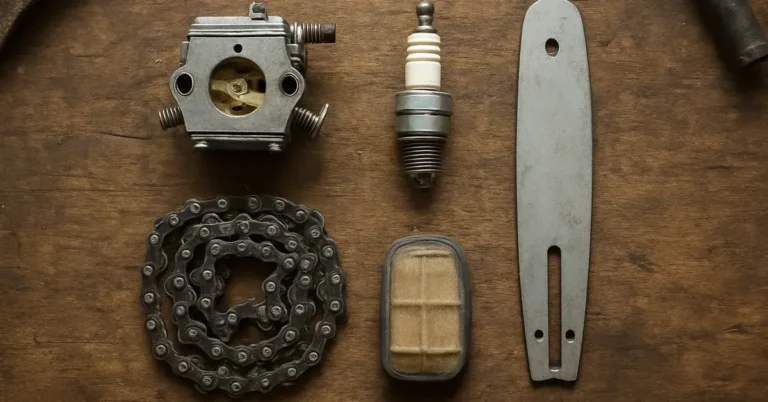
| Gas (2-stroke) | ~38cc / 2 HP for a homeowner 16” saw | Unlimited (refuel) | Fuel mixed at manufacturer ratio (commonly 50:1), air filter, spark plug |
| Corded electric | 12-amp motors moving the chain up to 41 ft/sec are common at this bar length | Unlimited (tethered to outlet) | Lowest – no fuel, no battery to charge |
| Battery/cordless | Varies by voltage/battery pack | Fixed per charge, then swap or recharge | Low, but battery capacity fades over years of use |
If you specifically want the deep dive on battery-powered saws – how their runtime and power compare to gas in real use – see our full breakdown of whether battery chainsaws are actually any good.
📊 A 12-amp electric chainsaw motor commonly rotates the chain at up to 41 feet per second – comparable chain speed to many gas homeowner saws, without the fuel mixing. Source: manufacturer specifications (WEN CP1216).
Safety Features That Separate a Good Saw From a Dangerous One
Two features do most of the work in preventing the injury chainsaws are most known for – kickback.
- Chain brake: An inertia- or hand-activated guard (usually in front of the top handle) that stops the chain in a fraction of a second when the saw kicks back.
- Low-kickback bar and chain: A bar and chain profile designed to reduce the force and speed of the kickback reaction itself, not just stop the chain after the fact.
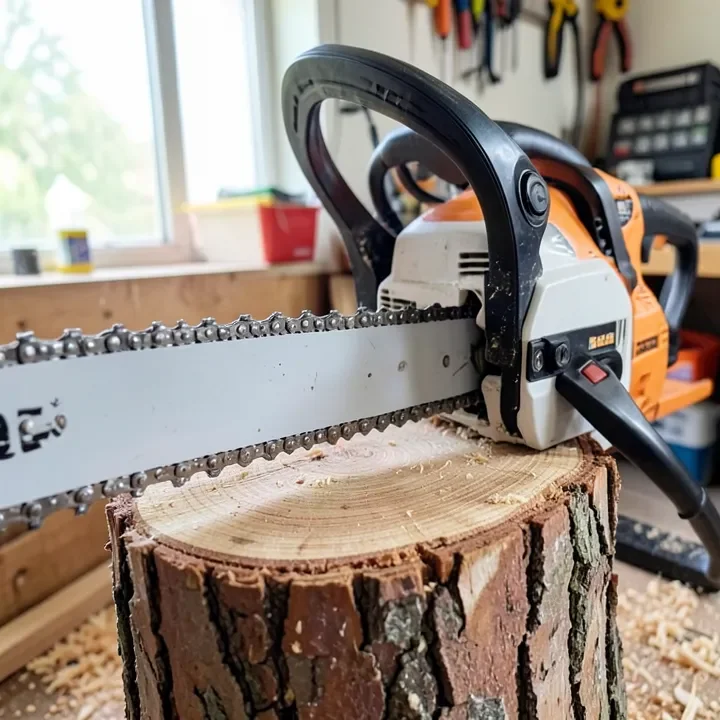
Kickback happens when the upper tip quadrant of the bar – the top-front curve – contacts wood, a branch, or another object unexpectedly. According to the Occupational Safety and Health Administration (OSHA), this reaction happens faster than an operator can react, which is exactly why a chain brake and low-kickback chain are treated as required equipment on professional job sites, not optional upgrades. Always check for both before buying, especially on very cheap or off-brand saws where they’re sometimes omitted.
Myth: “Mini Chainsaws Can Handle Medium-Size Trees”
This claim circulates widely in marketing for small one-hand cordless “mini chainsaws” (typically 4- to 8-inch bars), and it’s misleading. These tools are built and rated for small branches, kindling, and light pruning – not trunk-diameter wood. Many mini chainsaw models skip the chain brake and low-kickback chain entirely to keep the tool small and light, which means the two safety features covered above are often missing exactly where a novice user is most likely to need them. Use a mini chainsaw for what it’s rated for, and step up to a saw with at least a 14–16 inch bar and full safety features for anything trunk-sized.
Common Mistakes That Turn a Good Chainsaw Bad
- Wrong or no bar oil: Running a saw dry or with the wrong oil overheats the bar and chain and accelerates wear – check the auto-oiler or hand-oil before every session.
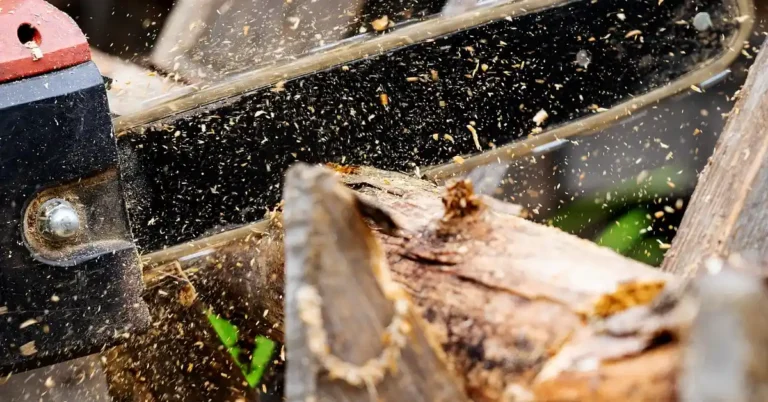
- Dull chain: A dull chain produces fine sawdust instead of coarse chips and forces you to push harder, which raises kickback risk. Sharpen at the first sign of this.
- Wrong fuel mix ratio (gas saws): Using straight gas or the wrong 2-stroke ratio (commonly 50:1, but always check the manual) damages the engine and voids most warranties.
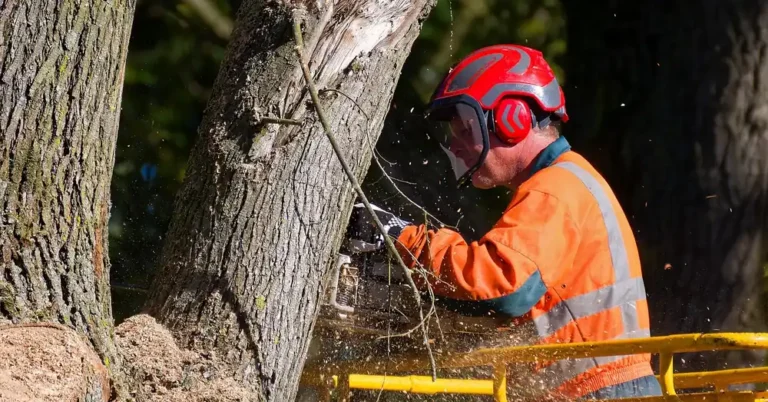
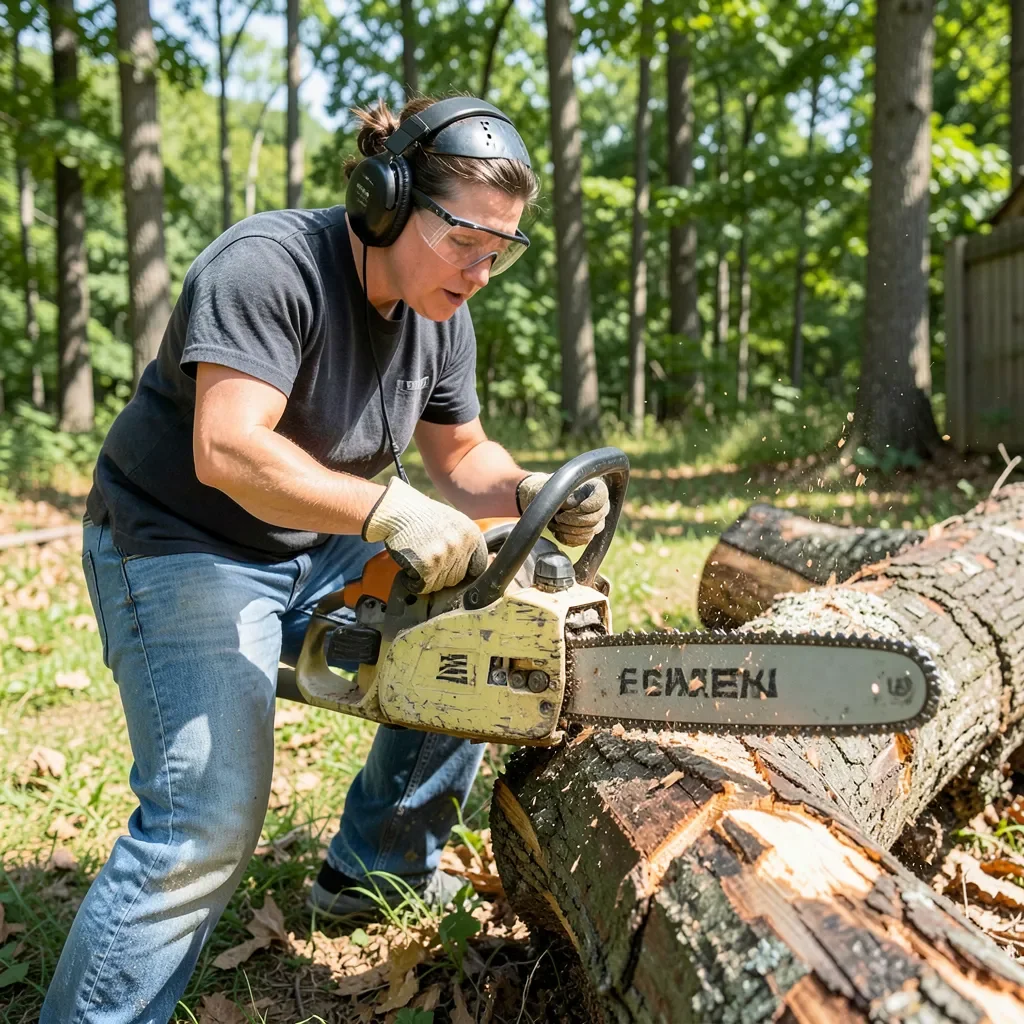
- Skipping PPE: Safety glasses, hearing protection, gloves, and chainsaw chaps are standard on job sites for a reason – kickback and debris are the two most common causes of chainsaw injuries.
- Ignoring bar length for the job: A bar that’s too short for the log forces multiple angled cuts and more contact risk with the tip; too long adds unnecessary weight and reduces control.
Frequently Asked Questions
What actually makes a chainsaw “good” instead of just cheap?
A good chainsaw matches its bar length to the wood you actually cut, has enough engine or motor power to keep the chain from bogging down mid-cut, and includes a chain brake plus a low-kickback bar and chain. Price and brand name matter less than those three specs lining up with your job.
Is a gas chainsaw better than a battery or corded electric one?
Not universally – gas saws like a 38cc/2HP model give the most power and the longest working range for felling trees, but they need 2-stroke fuel mixed at the manufacturer’s ratio (commonly 50:1) and more maintenance. A 12-amp corded electric saw pushes a 16-inch bar at up to 41 feet of chain speed per second with zero fuel mixing, but you’re tethered to an outlet. Battery saws split the difference: cordless freedom with a runtime limit per charge.
Can a mini chainsaw safely cut down a medium-size tree?
No. One-hand cordless “mini chainsaws” with 4- to 8-inch bars are built for small branches, kindling, and light pruning – many don’t include a chain brake or low-kickback chain at all, and manufacturers explicitly rate them for branches under a few inches thick. Using one on a medium or large tree trunk is a common and dangerous misuse of the tool.
What is chainsaw kickback and how do I avoid it?
Kickback happens when the upper tip quadrant of the bar contacts wood or another object, snapping the bar back toward the operator faster than a reaction can stop it. A chain brake and a low-kickback bar/chain combination cut the force and speed of this reaction significantly, which is why OSHA and chainsaw manufacturers both treat these as non-negotiable safety features rather than optional upgrades.
How often should I sharpen or replace a chainsaw chain?
Sharpen the chain as soon as it starts producing fine sawdust instead of coarse chips, or after roughly every 1-2 tanks of gas or battery charges of moderate use – whichever comes first. A dull chain forces you to push harder, which increases kickback risk and heat buildup on the bar.
Conclusion
A “good” chainsaw isn’t the one with the most horsepower or the lowest price – it’s the one whose bar length fits your actual jobs and that includes real safety features like a chain brake and low-kickback chain. Match the saw to the task, understand what gas vs. battery vs. corded actually costs you in maintenance and runtime, and skip any saw – mini chainsaws included – that skimps on the safety features covered above.
Sponsored / affiliate links. As an Amazon Associate I earn from qualifying purchases. I may earn additional commission from eligible campaigns.