
Top Circular Saw Tips for Perfect Cuts Every Time
A circular saw is an essential tool for many DIY enthusiasts and professionals. It’s versatile, powerful, and can make precise cuts when used correctly.
Achieving perfect cuts every time with a circular saw can be challenging without the right techniques. Whether you’re cutting wood, metal, or plastic, understanding the best practices can make a significant difference. In this guide, we’ll explore top tips to help you get the best results from your circular saw.
From choosing the right blade to mastering the cut lines, these tips will enhance your cutting skills. Get ready to improve your craftsmanship and achieve clean, accurate cuts every time you use your circular saw.
Credit: www.familyhandyman.com
Choosing The Right Saw
Discover essential circular saw tips to achieve perfect cuts every time. Learn how to choose the right blade, set the depth, and maintain a steady hand for precise results.
Choosing the Right Saw Selecting the perfect circular saw is crucial for achieving clean, precise cuts. Whether you’re a seasoned professional or a DIY enthusiast, the right saw can make all the difference. Let’s dive into the essential factors to consider when choosing your circular saw.
Blade Types
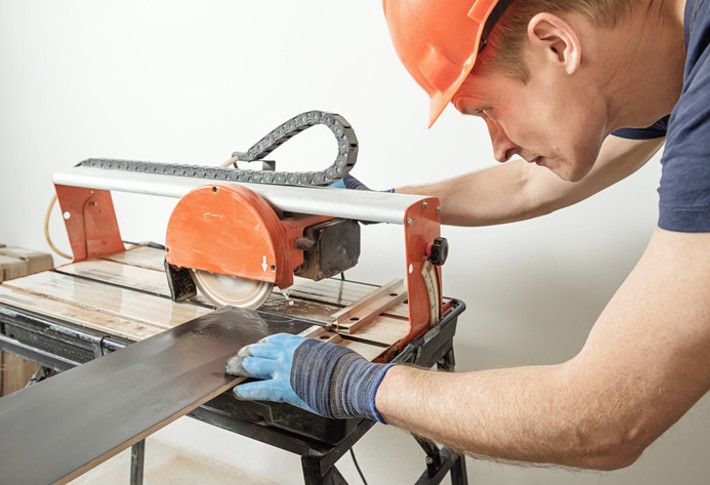
The blade is the heart of your circular saw. Different types of blades are designed for various materials and cuts. For wood, a carbide-tipped blade is ideal. It stays sharp longer and offers smoother cuts. Metal cutting requires a specialized blade, often with a diamond or carbide edge. These blades ensure cleaner cuts and longer life. If you plan to cut tile, look for a diamond blade designed for wet cuts. It helps prevent chipping and provides a cleaner edge. Make sure to match the blade to your project to avoid damage and ensure precision.
Power Options
Circular saws come with different power options: corded and cordless. Corded saws provide consistent power and are perfect for heavy-duty tasks. They don’t run out of juice, allowing you to work uninterrupted. Cordless saws offer flexibility and ease of movement. They are ideal for projects where portability is key.
However, they rely on battery life, which can sometimes limit your working time. Consider the nature of your projects. Do you need constant power, or is mobility more important? Choosing the right saw can transform your cutting experience. Ask yourself: What materials will I be cutting most often? Do I need portability? Your answers will guide you to the perfect saw for your needs.
Safety First
Ensuring safety while using a circular saw is crucial. Accidents can occur in seconds. Protecting yourself should be the first priority. Here are some essential safety tips to follow.
Protective Gear
Always wear safety glasses. They protect your eyes from flying debris. Ear protection is also important. Circular saws are loud. Extended exposure can harm your hearing. Wear gloves to safeguard your hands. They provide a better grip and protect against cuts. Use a dust mask. It helps prevent inhalation of fine particles. Steel-toed boots are recommended. They protect your feet from falling objects.
Safe Handling
Check the blade before each use. Ensure it is sharp and properly installed. A dull blade can cause the saw to bind. This increases the risk of kickback. Keep both hands on the saw at all times. This gives better control. Never start the saw with the blade in contact with the material. It can cause a sudden jerk. Always stand to the side of the cutting line. This reduces the risk of injury if the saw kicks back. Unplug the saw when changing blades or adjusting settings. This prevents accidental startups. Use clamps to secure the material you are cutting. This prevents movement and ensures a straight cut.
Setting Up The Saw
Set up your circular saw correctly for perfect cuts every time. Ensure the blade is sharp and secure. Adjust the depth and angle to match your cutting needs.
When it comes to using a circular saw, setting it up correctly is the first step towards achieving perfect cuts every time. Misalignment or incorrect depth can lead to uneven cuts and even potential safety hazards. By ensuring your saw is properly set up, you can work efficiently and safely.
Aligning The Blade
Start by unplugging your saw for safety. Next, check the alignment of your blade. A misaligned blade can cause your cuts to drift. Place a square against the saw’s base plate and the blade. Ensure the blade is parallel to the square. If the blade is not aligned, adjust the bevel and lock it in place. Use a scrap piece of wood to test your alignment. This step can save you from wasting good material on misaligned cuts.
Adjusting Depth
Depth adjustment is crucial for both safety and quality. Set the depth of the blade so it is just slightly deeper than the thickness of the material you are cutting. To adjust, first loosen the depth adjustment lever or knob. Move the base plate up or down until the blade protrudes about a quarter of an inch below the material. Tighten the lever or knob to secure the depth setting. Using the correct depth reduces the risk of kickback and provides cleaner cuts. Always double-check the depth on a piece of scrap material before making your final cut. Setting up your saw properly can make a significant difference. Have you ever struggled with uneven cuts? Share your experiences and tips in the comments below!
Credit: www.woodsmith.com
Marking Your Cuts
One of the keys to achieving perfect cuts with your circular saw is precise marking. Without accurate markings, even the best saw will struggle to make clean cuts. Let’s dive into some essential tips for marking your cuts effectively.
Measuring Tools
Using the right measuring tools can make a world of difference. A high-quality tape measure is indispensable for any woodworking project. It’s handy for measuring both short and long distances with accuracy.
A combination square can help you mark perpendicular lines and ensure your angles are perfect. Don’t underestimate the power of a good ruler; it’s perfect for shorter measurements and quick checks.
If you’ve ever missed the mark because of a faulty tool, you know the frustration. Invest in reliable measuring tools to save yourself the headache.
Marking Techniques
Once you have your measurements, you need to mark them accurately. Start with a sharp pencil or a fine-tip marker. These tools provide clear lines that are easy to see and follow.
For super precise cuts, use masking tape on the wood where you plan to cut. Draw your line on the tape; this technique prevents wood splintering when you cut.
Consider using a chalk line for longer cuts. It’s quick, and the lines are straight and visible. Have you tried this on your larger projects?
Remember, the clarity of your markings directly impacts the accuracy of your cuts. The better your markings, the less room for error.
Perfect cuts aren’t just about having the right tools; it’s about the precision in your preparation. How do you ensure your markings are spot on every time?
Making Straight Cuts
Achieve straight cuts with a circular saw by using a guide or fence. Keep the saw blade sharp for smooth cutting. Ensure steady speed and pressure for precise results.
Cutting straight lines with a circular saw can be challenging, but it’s a crucial skill for achieving professional results. Whether you’re a seasoned carpenter or a DIY enthusiast, mastering straight cuts will elevate your projects. Let’s dive into the essentials of making straight cuts with precision.
Using Guides
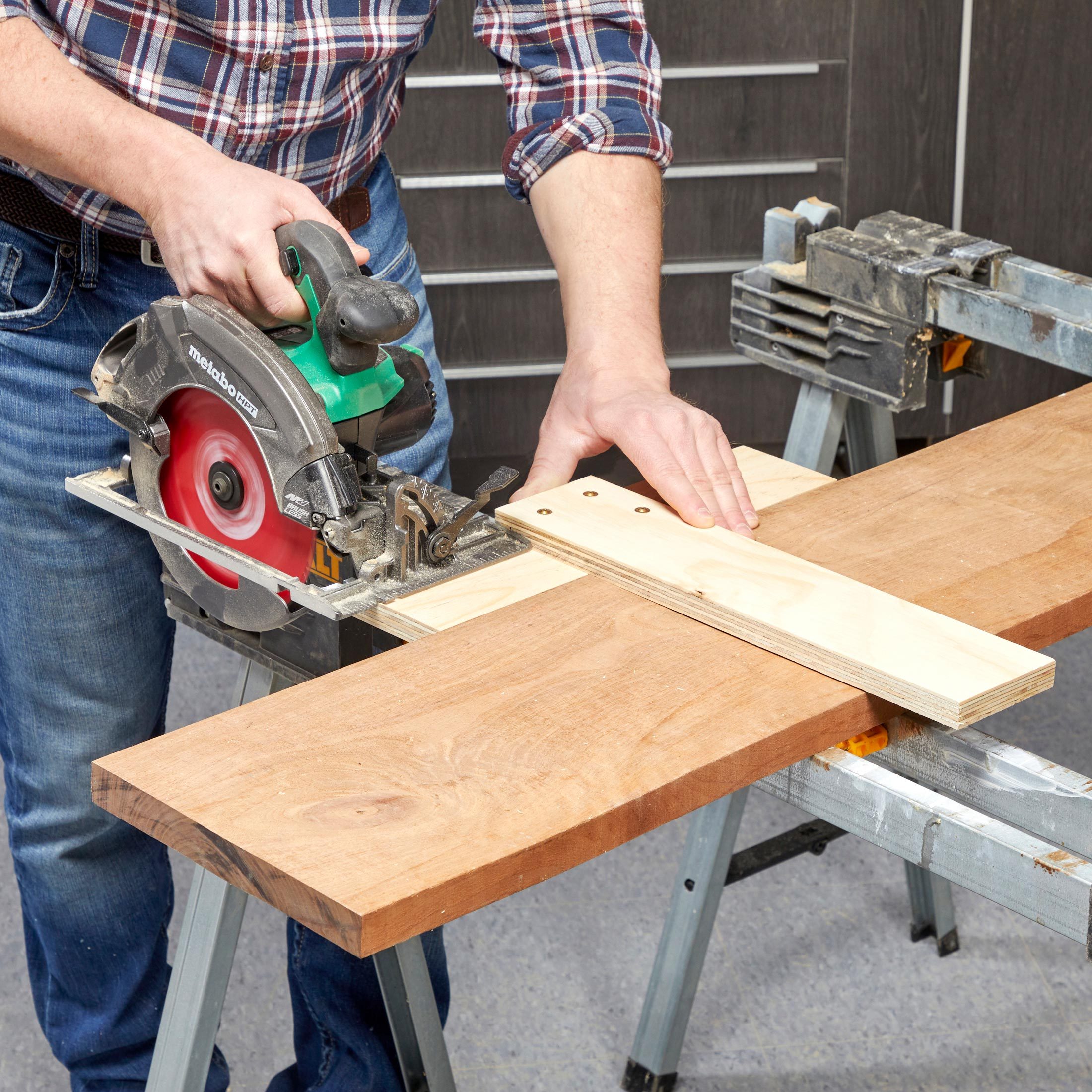
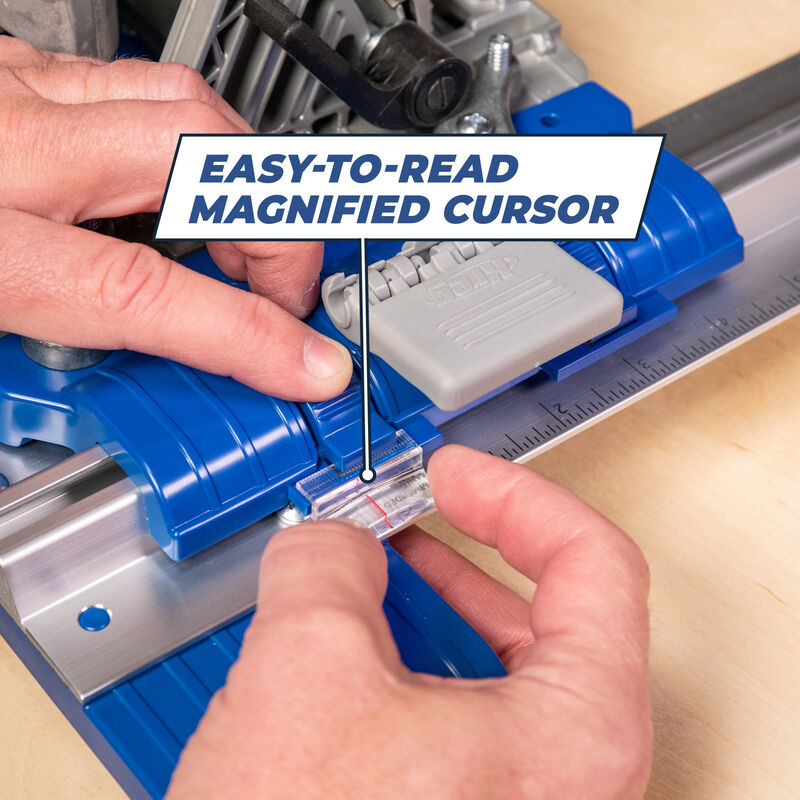
Using guides is one of the simplest and most effective ways to ensure your cuts are straight. A straight edge or a piece of scrap wood clamped to your workpiece can serve as a guide. Ensure the guide is firmly in place before you start cutting. This prevents it from shifting and ruining your cut. You can also purchase or make a saw guide specific to your circular saw. These guides are designed to fit snugly and provide a reliable path for your saw to follow.
Steady Hand Techniques
A steady hand is crucial for straight cuts. Hold the saw firmly with both hands and keep your body relaxed. Position your body so you can comfortably follow through the entire cut. If you’re tense or uncomfortable, it will affect your control over the saw. Take your time. Rushing can lead to mistakes and uneven cuts. Focus on keeping the saw aligned with your guide and move at a consistent pace. Remember, practice makes perfect.
The more you cut, the better you’ll get at maintaining a steady hand. Have you experienced any challenges with straight cuts? Share your tips and tricks in the comments below!
Handling Angled Cuts
Ensure precise angled cuts by adjusting the saw’s bevel settings. Steady hands and clear guidelines are essential. Practice on scrap wood to perfect your technique.
Handling angled cuts with a circular saw can be a bit daunting, but with the right techniques, you can achieve precision and accuracy every time. Whether you’re working on a DIY project or a professional job, mastering angled cuts will elevate your craftsmanship. Let’s dive into some practical tips that will help you handle angled cuts like a pro.
Setting Angles
Before making any cuts, it’s crucial to set the correct angle on your circular saw. Most circular saws come with an adjustable base plate. To set the angle, loosen the bevel adjustment knob, tilt the base plate to your desired angle, and tighten the knob securely. Always double-check the angle using a protractor or an angle guide to ensure accuracy. It’s a small step, but it makes a big difference.
Cutting Techniques
Once your angle is set, it’s time to focus on the cutting technique. Ensure your workpiece is securely clamped to prevent any movement. Start the saw and allow it to reach full speed before making contact with the material. This helps in making a clean and precise cut. Guide the saw along your marked line, maintaining a steady pace. Rushing can lead to mistakes, so take your time. For perfect results, use a sharp blade designed for the material you’re cutting.
Dull blades can cause splintering and uneven cuts. Have you ever tried using a guide rail? It’s a game-changer for maintaining straight and angled cuts. If you don’t have one, a simple straight edge clamped to your workpiece can also do the trick. Incorporating these tips can significantly improve your angled cuts. What’s your go-to method for ensuring precise cuts? Share your thoughts or questions below!
Maintaining Your Saw
Keep your circular saw in top condition by cleaning it regularly. Sharpen blades for precise cuts every time. Adjust the saw’s settings for accurate performance.
Maintaining Your Saw Taking care of your circular saw is essential for achieving precise cuts and ensuring the tool’s longevity. Regular maintenance not only enhances performance but also ensures your safety during use. Here are some practical tips to keep your saw in top shape.
Blade Care
Keeping the blade sharp is crucial for clean, accurate cuts. A dull blade can lead to splintered edges and more strenuous cutting. Ensure you clean the blade regularly to remove resin and pitch buildup. This can be easily done with a blade cleaner and a soft brush. Remember to check for any damage or warping. A compromised blade can be dangerous and affect your cut quality.
Motor Maintenance
The motor is the heart of your circular saw. Without proper care, it can overheat or fail. Regularly check the motor for dust and debris. Using an air compressor can help you blow out any buildup. Lubricate the motor bearings as specified in the user manual. This keeps the motor running smoothly and extends its life. Have you ever had your saw suddenly stop mid-cut?
It’s frustrating, right? Often, it’s due to motor neglect. A little maintenance goes a long way. By dedicating just a few minutes to maintaining your saw, you can ensure it’s always ready for the next project. What’s your most essential tool maintenance tip? Share below!
Troubleshooting Common Issues
Using a circular saw can sometimes lead to frustrating issues. Understanding these problems and how to fix them can save you time and effort. Here are some common issues and tips to help you achieve perfect cuts every time.
Blade Binding
Blade binding happens when the saw blade gets stuck in the material. This can cause the saw to kick back, which is dangerous. To avoid this, ensure the material is properly supported. Keep your saw blade sharp and clean. Always cut with a steady, even pressure.
If you notice the blade binding, stop immediately. Check if the material has shifted. Make sure the saw blade is aligned correctly. Adjust your cutting technique to maintain a consistent feed rate.
Uneven Cuts
Uneven cuts can ruin your project. They often result from an unstable workpiece or an improper saw setup. To prevent this, secure your material firmly. Use clamps if needed. Check that your saw blade is set at the correct angle.
A dull blade can also cause uneven cuts. Regularly inspect and replace the blade when necessary. Maintain a consistent speed and pressure while cutting. Ensure the saw is moving smoothly through the material.
By addressing these common issues, you can improve your cutting accuracy. Practice these tips and watch your projects come out perfectly every time.
Credit: www.kregtool.com
Frequently Asked Questions
How Do You Cut Precisely With A Circular Saw?
Use a guide rail for straight cuts. Mark the cutting line clearly. Secure the material firmly. Adjust the saw’s depth correctly. Maintain a steady speed and pressure.
What Circular Saw Blade Gives The Cleanest Cut?
For the cleanest cut, use a fine-tooth blade with high TPI (teeth per inch). A carbide-tipped blade is ideal for precision.
How To Get Better With A Circular Saw?
Practice regularly, maintain a steady hand, and follow safety guidelines. Use sharp blades and ensure proper blade depth. Wear protective gear.
What Saw Is Used To Make Perfectly Straight Cuts?
A table saw or track saw makes perfectly straight cuts. Both tools provide precision and accuracy for woodworking projects.
Conclusion
Achieving perfect cuts with a circular saw takes practice and the right tips. Always use a sharp blade for clean cuts. Measure twice, cut once to avoid mistakes. Keep a steady hand and follow the guide marks. Use clamps to secure your material for safety.
Regular maintenance of your saw ensures long-lasting performance. With these tips, you can make precise cuts every time. Happy sawing!