Cut-Off Tool vs Circular Saw: Match the Tool to the Material
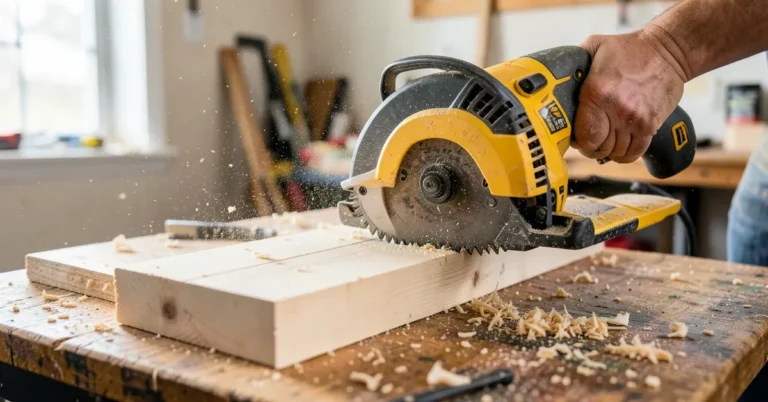
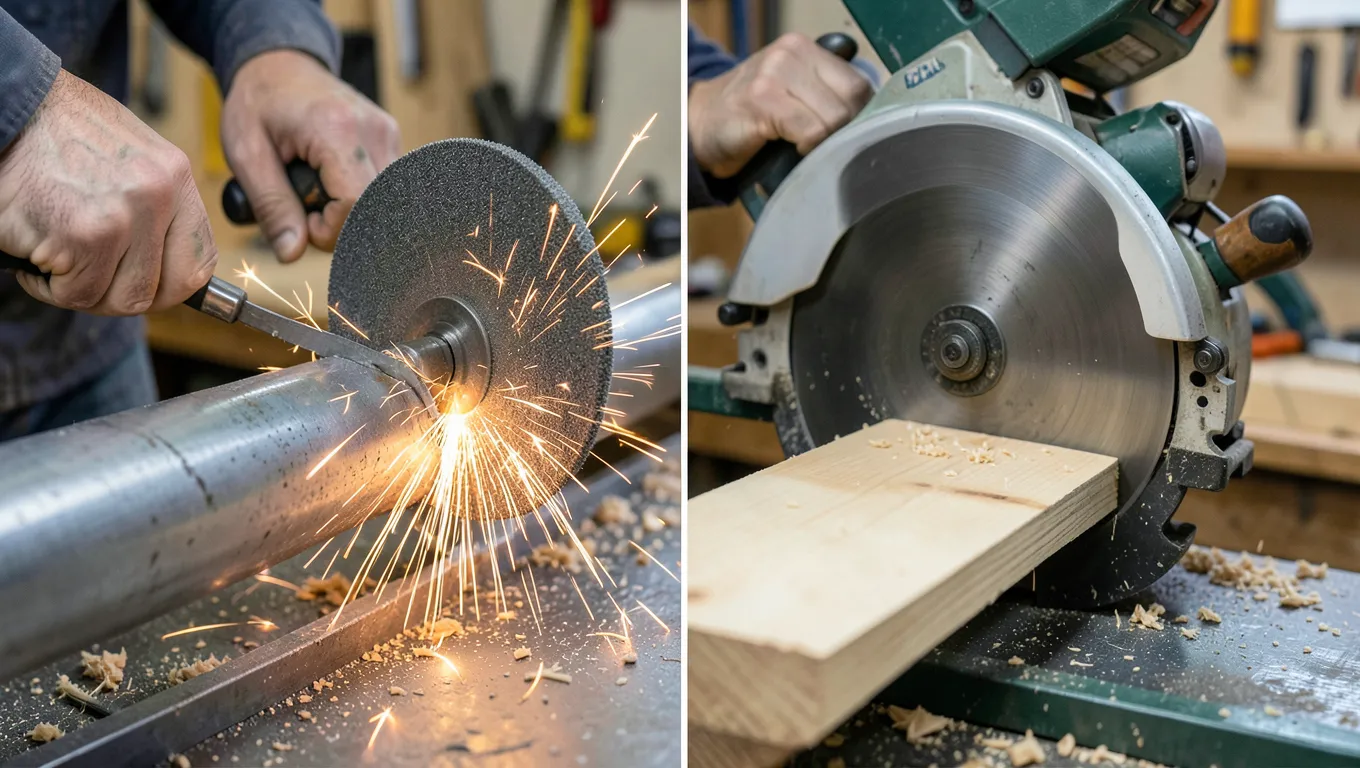
A cut-off tool and a circular saw solve different problems: a cut-off tool uses an abrasive disc to grind through metal, tile, and masonry, while a circular saw uses a toothed blade to slice through wood at speed. If your project is mostly wood – framing, sheet goods, deck boards – a circular saw is faster and gives a cleaner cut. If you’re cutting rebar, bolts, angle iron, or pipe, a cut-off tool is the right tool, and a circular saw (even with a metal-cutting blade) is the wrong one for anything beyond thin sheet metal.
How Each Tool Actually Cuts
Best Compact Cut-Off Tool
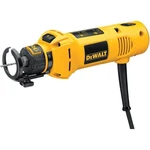 |
DEWALT DW660 Rotary Cut-Out Tool – $68.69 A 5-amp corded tool built for the tight-space, high-RPM cutting jobs a circular saw isn’t designed for.
|
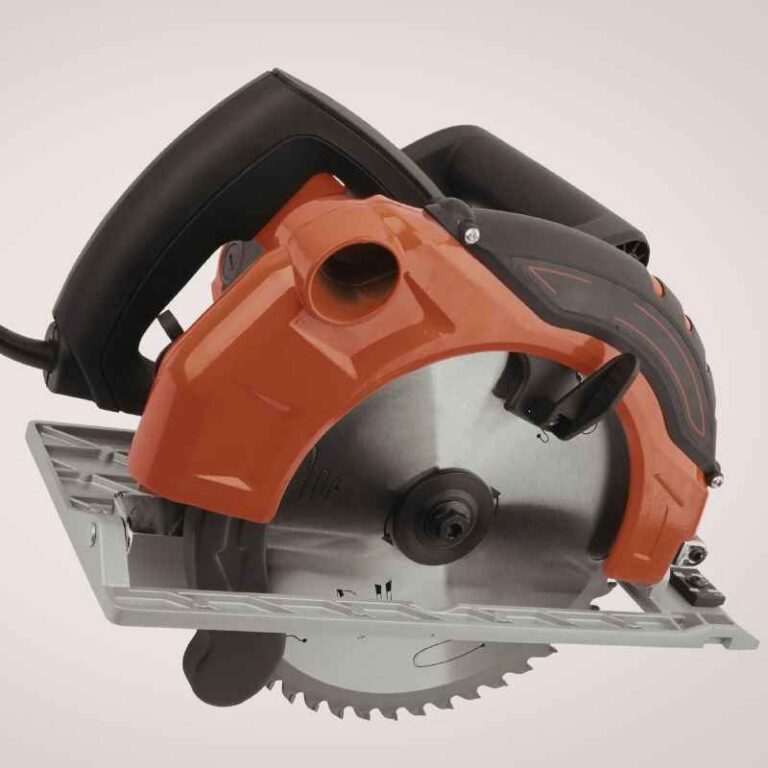
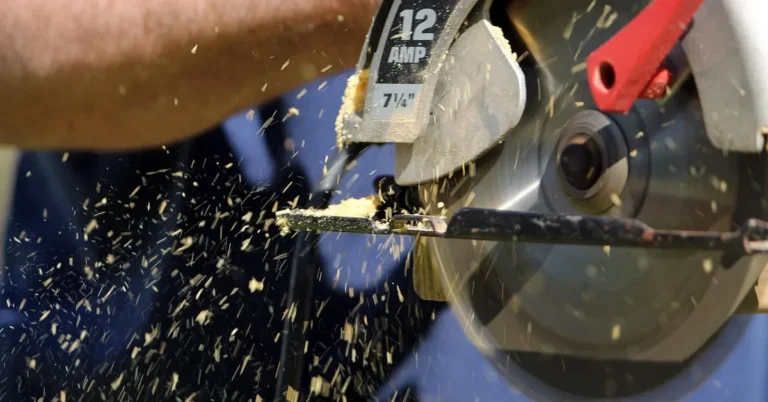
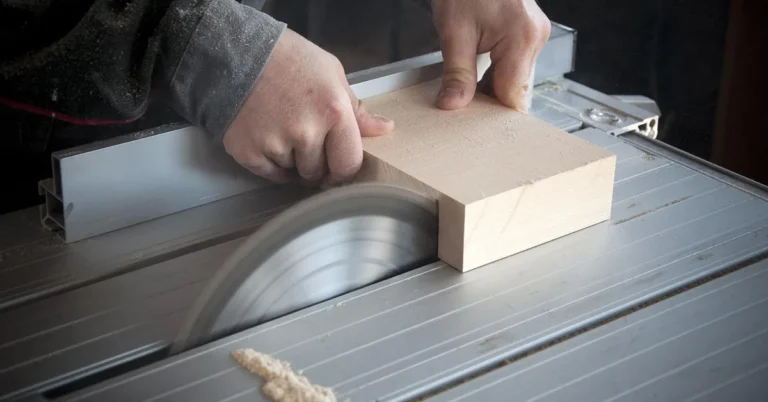
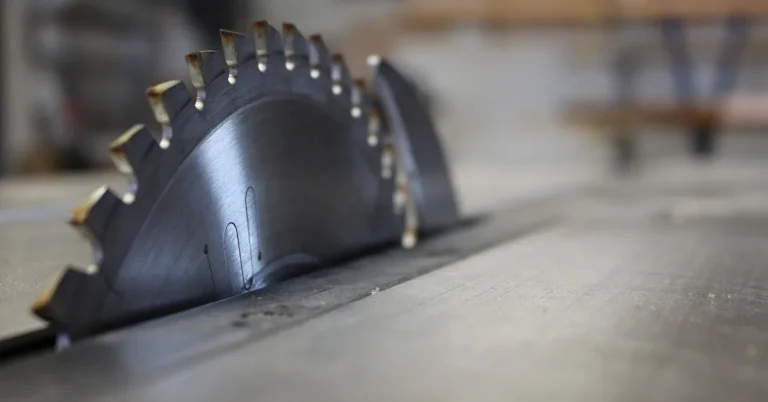
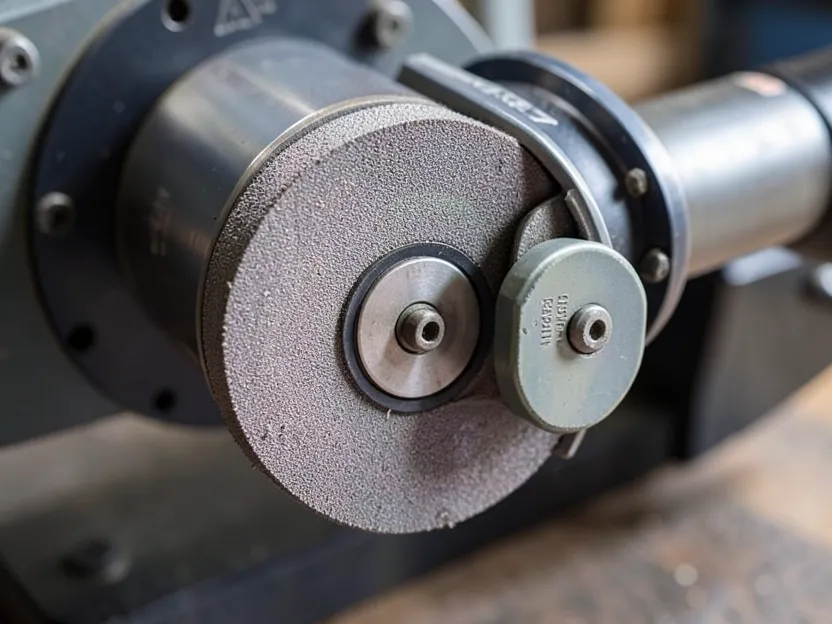
A circular saw spins a toothed blade that shears through material fiber by fiber – each tooth removes a small chip as it passes. This is efficient for wood specifically because wood has grain that the teeth can bite into cleanly. A cut-off tool spins a thin abrasive disc (aluminum oxide or silicon carbide bonded into a wheel) at very high RPM and cuts by grinding and friction heat rather than shearing – there’s no “tooth” doing the work, just abrasive material wearing away whatever it contacts. That’s why a cut-off wheel works on metal, where a toothed blade would dull or chip almost immediately, and why a cut-off tool struggles with wood – it burns and grinds instead of slicing.
The Safety Difference That Actually Matters
Circular saw kickback happens when the blade binds in the material and the saw is thrown back toward the user – a well-documented risk that’s why riving knives and anti-kickback blade designs exist. A cut-off tool has a different failure mode: the abrasive disc itself can shatter under side pressure or if it binds, throwing fragments at high speed. This is why a cut-off tool should never be used to pry or twist in a cut the way you might nudge a circular saw blade – side-loading an abrasive disc is the single most common cause of wheel failure. Always use the guard that comes with the tool; it’s there specifically to contain a disc failure, not just to shield sparks.
Side-by-Side Comparison
| Factor | Cut-Off Tool | Circular Saw |
|---|---|---|
| Best material | Metal, tile, masonry, thin PVC | Wood, plywood, OSB |
| Cutting action | Abrasive grinding | Toothed shearing |
| Typical RPM | 10,000-25,000+ | 4,500-6,500 |
| Cut quality on wood | Poor – burns, doesn’t slice cleanly | Clean, fast |
| Cut quality on metal | Clean, purpose-built | Slow, blade wears fast even with metal blade |
| Main failure risk | Disc shattering under side load | Kickback from blade binding |
| Portability in tight spaces | Better – smaller body | Needs more clearance for the base plate |
Can a Circular Saw Cut Metal at All?
With the correct carbide-tipped metal-cutting blade, a circular saw can cut thin sheet metal, aluminum, and thin-wall conduit. It’s slower than a cut-off tool at this and the blade wears down faster, but it’s a legitimate option for occasional thin-metal cuts if you don’t want to own two tools. What it can’t do safely is cut thick steel rod, rebar, or heavy angle iron – that’s squarely cut-off tool territory, where the abrasive disc is actually designed for the density and hardness involved.
Can a Cut-Off Tool Cut Wood?
Technically yes, but it’s a bad choice for anything beyond a quick, rough, one-off cut. An abrasive disc grinds through wood rather than slicing it, which means burnt edges, a slow cut, and a disc that wears out fast on wood’s fibrous texture. If wood cutting is a regular part of the job, a circular saw (or a jigsaw for curves) will outperform a cut-off tool every time.
Which One Should You Actually Buy?
If you’re framing, building furniture, cutting plywood or deck boards – buy the circular saw first. If your work regularly involves metal fabrication, plumbing pipe, rebar, or demolition where you’re cutting bolts and fasteners, the cut-off tool earns its place in the kit. Most home workshops eventually end up with both, since they genuinely don’t overlap in what they’re good at – it’s less “which one is better” and more “which job is in front of you today.”
Frequently Asked Questions
Is a cut-off tool the same as an angle grinder?
They’re closely related – a cut-off tool is essentially a compact, purpose-built version of the cutting function an angle grinder also performs with a cut-off wheel attached. A dedicated cut-off tool is usually smaller and lighter for precision work, while an angle grinder is more versatile since it also accepts grinding and sanding discs.
Can I use a circular saw blade in a cut-off tool, or vice versa?
No. The mounting size, arbor, and rated RPM are different between the two tools, and running the wrong disc or blade at the wrong speed is a serious safety hazard – an abrasive disc rated for a lower RPM can shatter if spun at a circular saw’s speed, and a toothed blade isn’t designed for the grinding motion a cut-off tool uses.
Which is safer for a beginner?
Neither tool is inherently safer – each has a different failure mode. A circular saw’s main risk (kickback) is well controlled by keeping the blade guard functional and never forcing a cut. A cut-off tool’s main risk (disc shattering) is controlled by never side-loading the disc and always using the guard. Match the tool to the material rather than picking based on perceived safety.
What RPM should I expect from each tool?
Circular saws typically run 4,500 to 6,500 RPM, tuned for shearing wood fiber efficiently at that speed. Cut-off tools run much faster, often 10,000 RPM and up, sometimes over 20,000 RPM, because abrasive cutting needs that higher surface speed to grind effectively.
Sponsored / affiliate links. As an Amazon Associate I earn from qualifying purchases. I may earn additional commission from eligible campaigns.