What Is a Triple Chip Saw Blade? (TCG vs ATB Explained)
A triple chip saw blade (TCG) alternates one trapezoid-shaped tooth with one flat-top tooth — not three tooth types, despite the name — to shear hard, brittle materials cleanly. Cut laminate or aluminum with the wrong grind and you get chipped edges or a dulled blade within a few passes. This guide covers how TCG teeth actually work, when to pick TCG over an ATB blade, and which triple chip blades hold up on laminate, MDF, and non-ferrous metal.
Affiliate disclosure: As an Amazon Associate, we earn from qualifying purchases.
What Makes Triple Chip (TCG) Teeth Different?
Best Triple Chip Blade Pick
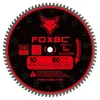
FOXBC 10-Inch 80-Tooth TCG Blade – $31.99
An 80-tooth TCG blade sized for a 10-inch table or miter saw — the tooth count this guide recommends for a smooth, near-polished edge on laminate and aluminum sheet.
- Best for: Aluminum, non-ferrous metal, and laminate on a 10-inch saw
- Why we picked it: 80T count matches the smooth-edge range this guide covers, with laser-cut stabilizer vents to reduce vibration
- Main drawback: Not rated for double-sided laminate without a scoring pass
Compare more triple chip blade options
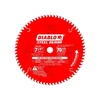 Option 1 Diablo Steel Demon 70T TCG – $39.74
|
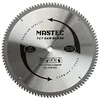 Option 2 MASTEC 10-Inch 100T TCG – $29.99
|
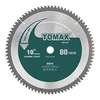 Option 3 TOMAX 10-Inch 80T TCG – $29.43
|
As an Amazon Associate we earn from qualifying purchases.
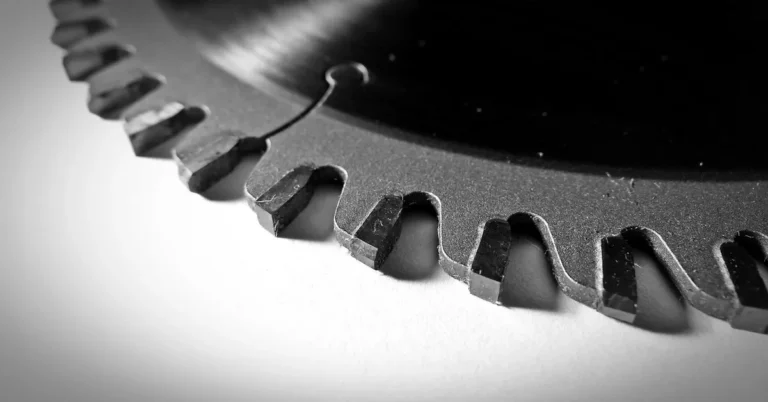
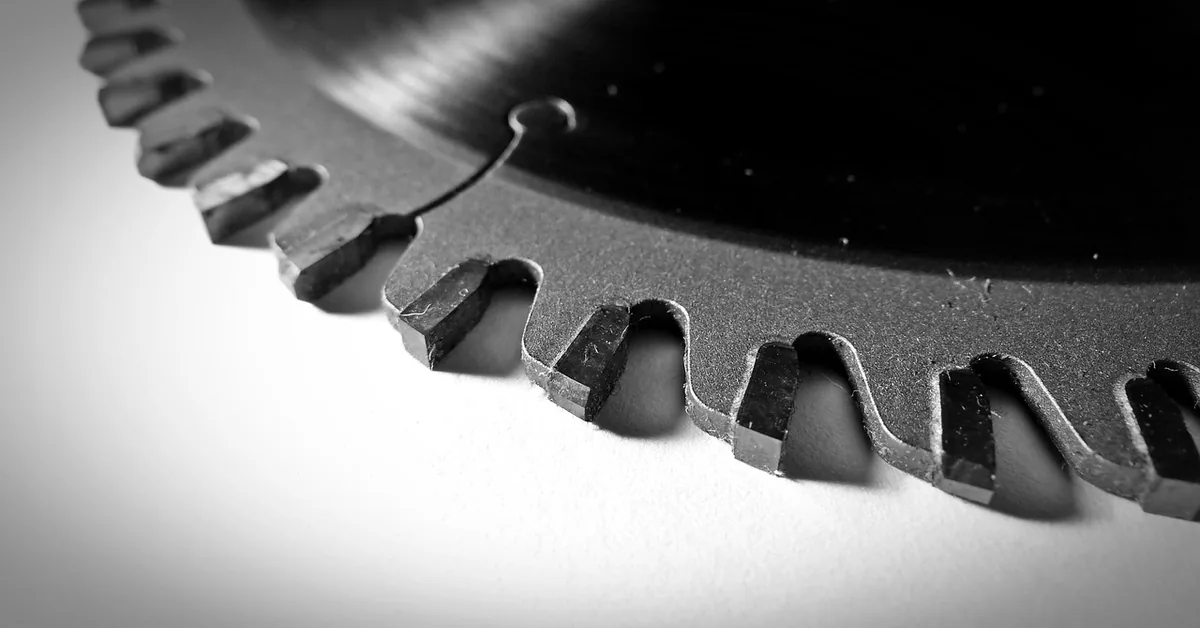
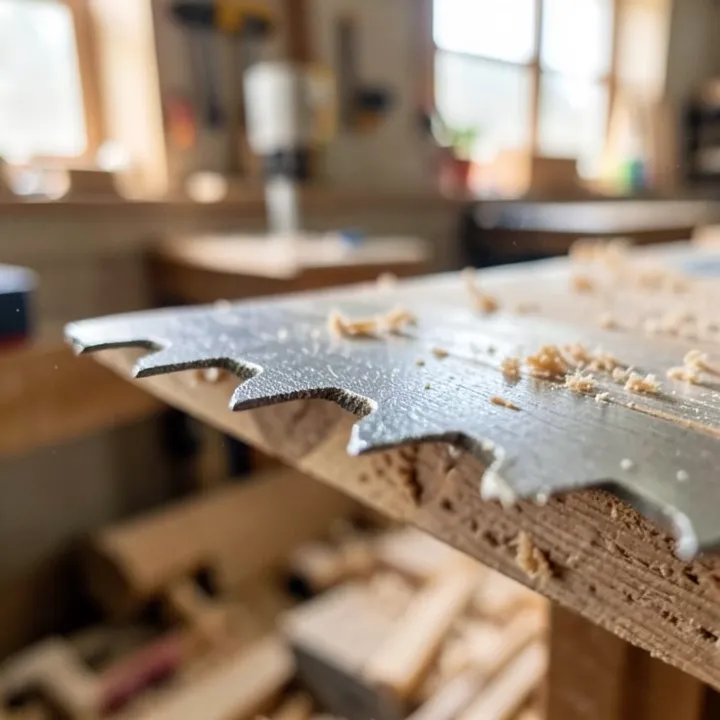
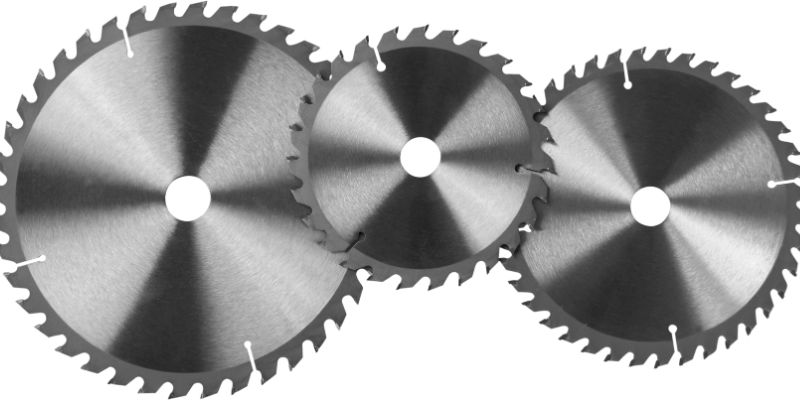
Triple chip grind (TCG) is one of several carbide saw blade tooth grinds — it alternates a trapezoid-shaped (“chamfered”) tooth with a flat-top tooth around the blade’s edge. The trapezoid tooth cuts first and roughs out a beveled groove; the flat-top tooth follows and squares off the sides, cleaning up the cut. Despite the “triple” in the name, there are only two tooth shapes in rotation — the name refers to the three-sided profile of the trapezoid tooth itself, not three separate tooth types.
This two-tooth relay is what separates TCG from an alternate top bevel (ATB) blade, where every tooth is beveled and no tooth is flat. Because the trapezoid tooth absorbs most of the cutting force and takes a smaller bite than a standard bevel tooth, TCG blades run cooler and resist chipping in brittle, layered materials — which is why they’re the standard grind for laminate, melamine, and MDF panels rather than for cross-cutting solid wood.
Triple Chip Grind vs. Alternate Top Bevel: Which Should You Use?
ATB and TCG blades solve different cutting problems. Use this table to match the grind to the material instead of grabbing whichever blade is already on the saw.
| Feature | Triple Chip (TCG) | Alternate Top Bevel (ATB) |
|---|---|---|
| Tooth pattern | Trapezoid tooth + flat-top tooth, alternating | Every tooth beveled, alternating left/right |
| Best for | Laminate, melamine, MDF, aluminum, plastics | Crosscutting solid wood, plywood, veneer |
| Edge quality on laminate | Chip-free, square edge | Prone to edge chipping |
| Cut speed in solid wood | Slower, more drag | Faster, less resistance |
What Materials Can You Cut With a Triple Chip Blade?
TCG blades are built for hard, brittle, or abrasive sheet materials rather than solid lumber. The most common uses are:
- Laminate and melamine panels — the flat-top tooth prevents the chip-out that ruins a visible countertop or cabinet edge.
- MDF and particleboard — the alternating grind clears dense, glue-heavy chips without clogging the gullet.
- Non-ferrous metal — aluminum, copper, and brass sheet or extrusion cut cleanly at a low or negative hook angle.
- Rigid plastics and solid-surface material — the same chip-limiting action that protects laminate also keeps acrylic and PVC from melting or cracking at the edge.
One limitation worth knowing before you buy: if a panel is laminated on both faces, a single TCG blade alone won’t guarantee a chip-free bottom edge — production shops pair it with a separate scoring saw that pre-cuts the underside first. For a one-sided countertop or shelf edge, a good TCG blade on its own is enough.
Common Mistakes When Choosing a TCG Blade
- Picking the wrong tooth count. Fewer teeth (40–60T) cut faster but leave a rougher edge; more teeth (80–100T) cut slower but leave a near-polished edge — match the count to how visible the cut edge will be.
- Ignoring hook angle on metal. A positive hook angle (built for wood) grabs aluminum and can kick the material back. Non-ferrous TCG blades use a low or negative hook angle for a reason — don’t substitute a wood-cutting blade.
- Using TCG for solid-wood crosscuts. It will cut, but an ATB blade clears faster with less drag and less motor strain for that job — save the TCG blade for the material it’s actually ground for.
- Not checking arbor size before swapping the blade. TCG blades come in the same common arbor sizes as ATB blades, but always match bore diameter to your saw before ordering.
- Skipping the scoring pass on double-sided laminate. Without it, expect visible chip-out on the hidden face even with a good TCG blade.

📊 Non-ferrous metal TCG blades typically run 80–100 teeth with a -5° to 0° hook angle to keep the blade from grabbing aluminum or brass — a steeper positive hook angle built for wood increases kickback risk on metal. Source: Freud Tools, LU92M010 product specification
Frequently Asked Questions About Triple Chip Saw Blades
What is a triple chip blade used for?
A triple chip (TCG) blade is used for cutting hard, brittle, or abrasive sheet materials — laminate, melamine, MDF, non-ferrous metal, and rigid plastic — where a clean, chip-free edge matters more than raw cutting speed. It’s a poor first choice for crosscutting solid lumber.
What’s the difference between TCG and ATB blades?
TCG alternates a trapezoid tooth with a flat-top tooth and is built for chip-free cuts in laminate, MDF, and metal. ATB bevels every tooth left and right and cuts faster in solid wood, plywood, and veneer, but chips more easily on brittle, layered material.
How many teeth does a triple chip blade have?
Most 10-inch TCG blades for non-ferrous metal and laminate run 80 to 100 teeth. Lower tooth counts (40–60T) cut faster with a rougher edge; higher counts (80–100T) cut slower but leave a smoother, near-polished edge — the right count depends on whether the cut edge will be visible.
Why is a chip-limiting saw blade safer than a traditional saw blade?
A chip-limiting (TCG) blade is safer because each tooth removes a smaller, controlled amount of material instead of grabbing a large chunk. That reduces the chance of the material binding against the blade and causing kickback, the sudden backward jerk that causes most serious circular saw injuries.
Can you use a triple chip blade on solid wood?
Yes, but it’s not the best tool for the job. A TCG blade will crosscut solid wood cleanly, but its smaller, slower-cutting teeth create more drag and heat than an ATB blade designed for wood — reserve TCG blades for laminate, MDF, plastic, and metal instead.
What is a TCT triple chip blade?
TCT stands for tungsten carbide tipped — it describes the tooth material, not the grind. A “TCT triple chip blade” is simply a TCG-ground blade with tungsten carbide teeth brazed onto a steel body, which is standard for nearly all TCG blades sold today.
Conclusion
A triple chip blade earns its keep on the materials ATB blades struggle with: laminate, melamine, MDF, and non-ferrous metal, where a chip-free edge matters more than raw speed. Match the tooth count to how visible the cut will be, check the hook angle before cutting metal, and add a scoring pass for double-sided laminate — then let the blade’s alternating trapezoid-and-flat-top teeth do the rest. Once the carbide edge dulls, don’t toss it — see our guide on disposing of or reusing old circular saw blades.
Sponsored / affiliate links. As an Amazon Associate I earn from qualifying purchases. I may earn additional commission from eligible campaigns.