Trex vs. Pressure-Treated Wood Cost: Which Is the Better Choice for Your Deck?
Hey there! If you’re thinking about building a deck, you’ve probably heard about Trex and pressure-treated wood. These are two of the most popular decking materials out there, and I’ve spent a lot of time researching and comparing them for my own projects. The big question most people ask is: which one is more cost-effective? Today, I’m going to walk you through everything you need to know about the costs of Trex versus pressure-treated wood, along with their pros, cons, and long-term value. I’ll break it down in a way that’s easy to understand, so you can make the best choice for your home. Let’s dive in!
What Are Trex and Pressure-Treated Wood?
Before we get into the nitty-gritty of costs, let’s talk about what these materials actually are. I remember when I first started looking into decking options, I was a bit confused about the differences. So, let me clear it up for you.
Trex is a type of composite decking. It’s made from a mix of recycled wood fibers and plastic, usually about 95% recycled materials. This blend makes it super durable, resistant to rot, and low-maintenance. It’s designed to look like wood but without the hassle of constant upkeep. I was drawn to Trex because it comes in a ton of colors and styles, so you can get that wood look without the splinters.
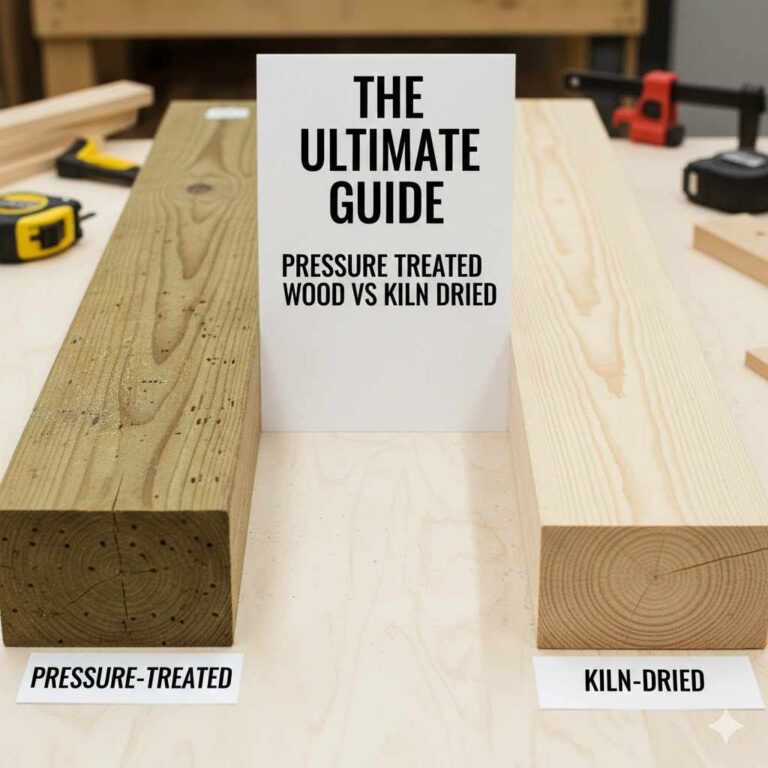
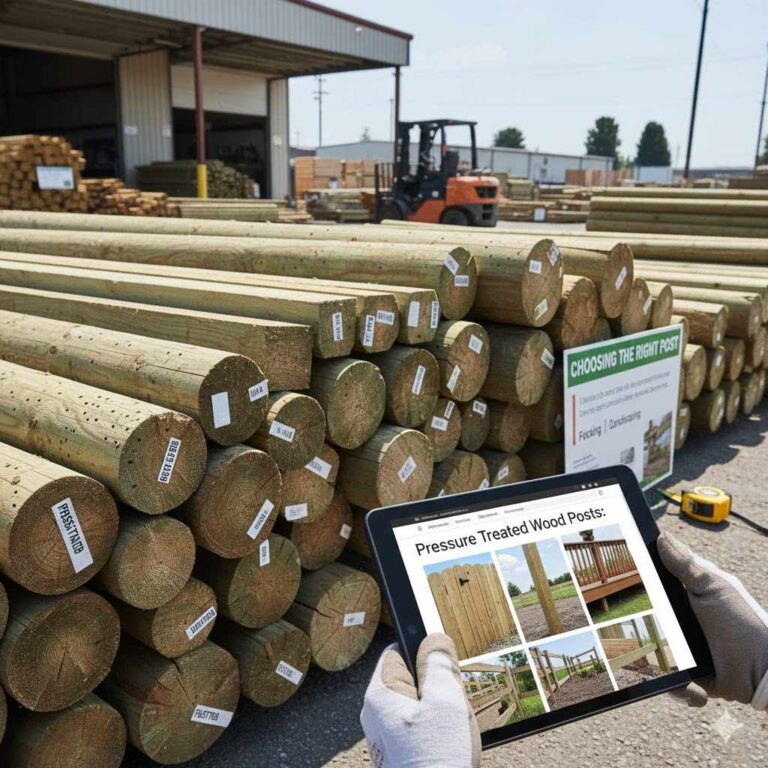
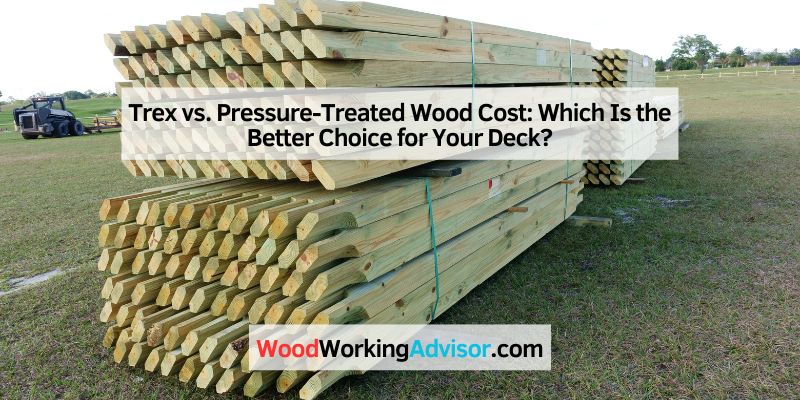
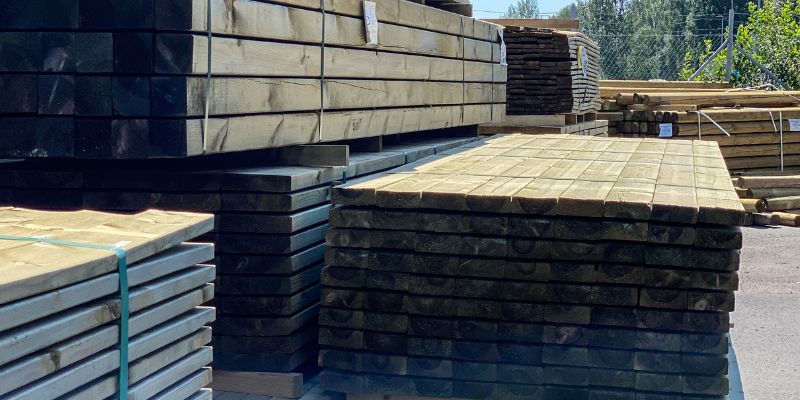
Pressure-treated wood, on the other hand, is real wood—usually pine—that’s been treated with chemicals to resist rot, insects, and decay. It’s been a go-to choice for decks for years because it’s affordable and has that classic, natural wood vibe. When I built my first deck, I used pressure-treated wood because it was easy on my wallet, but I quickly learned it needs regular care to keep it looking good.
Both materials have their fans, but the cost is where things get interesting. Let’s break it down step by step.
Upfront Costs: Trex vs. Pressure-Treated Wood
When you’re budgeting for a deck, the first thing you’ll look at is the initial cost. I know I did when I was planning my backyard deck. Here’s how Trex and pressure-treated wood stack up.
Pressure-treated wood is the budget-friendly option upfront. On average, it costs between $1.25 and $5.60 per linear foot, depending on the quality, region, and supplier. For a standard 12×12-foot deck (144 square feet), you’re looking at roughly $2,000 to $3,600 for materials. That’s not including labor, which can add another $9 to $12 per square foot if you hire a contractor. I found that pressure-treated wood is widely available at hardware stores, so you’re not hunting around for it.
Trex decking, being a composite material, is pricier upfront. The cost varies depending on the product line—Enhance, Select, or Transcend—but you’re looking at $2.90 to $10 per linear foot. For that same 12×12-foot deck, Trex materials could run you $4,200 to $7,800. If you go for the higher-end lines like Transcend, you’re at the top of that range. Labor costs are similar to wood, but some contractors charge a bit more for Trex because it requires special fasteners or techniques.
Here’s a quick table to compare the upfront costs:
| Material | Cost per Linear Foot | Cost for 144 sq. ft. Deck (Materials Only) |
|---|---|---|
| Pressure-Treated Wood | $1.25 – $5.60 | $2,000 – $3,600 |
| Trex Decking | $2.90 – $10.00 | $4,200 – $7,800 |
When I saw these numbers, I was tempted to go with pressure-treated wood to save money. But then I started thinking about the long term, and that’s where the real differences show up.
Long-Term Maintenance Costs
Here’s where things get tricky. The upfront cost is only part of the story. I learned this the hard way after my pressure-treated deck started looking rough after a couple of years. Maintenance costs can make or break your budget over time.
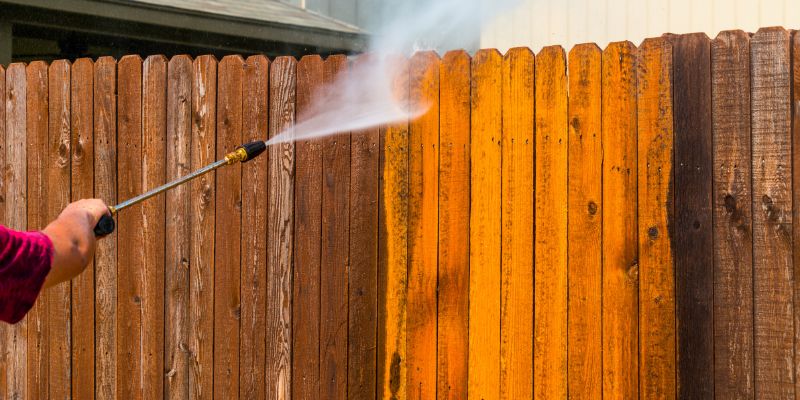
Pressure-treated wood needs regular upkeep to stay in good shape. You’ll need to stain or seal it every 1-2 years to protect it from moisture, UV rays, and wear. I remember spending a whole weekend power washing and staining my deck, and it wasn’t cheap. A gallon of quality deck stain costs about $30-$50 and covers roughly 400 square feet. For a 144-square-foot deck, you might spend $50-$100 on stain every couple of years. Add in the cost of brushes, rollers, or a power washer rental (around $40-$80 per day), and you’re looking at $150-$300 every 1-2 years. If you hire a professional to stain, expect to pay $500-$1,250 per job.
Over 10 years, maintenance for a pressure-treated deck could easily add up to $1,500-$3,000, depending on how often you stain and whether you DIY or hire someone. And that’s assuming the deck doesn’t need repairs for warping, splitting, or rot, which can happen if you skip maintenance.
Trex, on the other hand, is practically maintenance-free. I was skeptical at first, but after talking to a friend with a Trex deck, I was sold. You don’t need to stain or seal it. A quick wash with soap and water once or twice a year keeps it looking new. I’d estimate spending maybe $20-$30 a year on cleaning supplies, tops. Over 10 years, that’s $200-$300 total. No sanding, no sealing, no headaches. Trex also comes with a 25-year limited warranty, so you’re covered if anything goes wrong.
When I crunched the numbers, I realized that while Trex costs more upfront, the maintenance savings could make it cheaper in the long run. Let’s look at durability next, because that’s another big factor.
Durability and Lifespan
I’ve always believed that a deck should last for years, especially if you’re investing time and money into it. Durability is where Trex really shines, but pressure-treated wood has its strengths too.
Pressure-treated wood can last 10-20 years, depending on how well you maintain it and your local climate. In humid areas or places with harsh winters, like where I live, it might lean toward the lower end unless you’re diligent about upkeep. I’ve seen pressure-treated decks start to warp or splinter after just 5-7 years if they’re not properly sealed. Replacing boards or repairing damage can cost $800-$2,600, depending on the extent of the issue.
Trex decks, by contrast, are built to last. Most Trex products come with a 25-year warranty, and some can last up to 50 years with minimal wear. I was impressed when I visited a neighbor’s 15-year-old Trex deck—it still looked brand new, with no fading or warping. Trex resists rot, mold, insects, and splintering, so you don’t have to worry about replacing boards or dealing with major repairs. This durability makes Trex a smart choice if you plan to stay in your home for a long time.
Appearance and Aesthetic Appeal
Let’s talk about looks. A deck isn’t just functional; it’s a big part of your home’s vibe. I love the natural beauty of wood, but I also appreciate the polished look of Trex.
Pressure-treated wood has that classic, warm wood grain that many people love. You can stain it in different colors to match your style, which is a big plus. I stained my first deck a rich cedar tone, and it looked amazing—for the first year. Over time, the color faded, and I noticed knots and slight warping. If you don’t keep up with maintenance, pressure-treated wood can turn gray and look tired.
Trex offers a consistent, polished look. It comes in a wide range of colors and textures, from earthy browns to modern grays, and it’s designed to mimic real wood. I was surprised at how realistic some Trex boards look, especially the higher-end lines like Transcend. The color doesn’t fade much over time, and there’s no risk of knots or splintering. However, some people find Trex feels a bit “fake” compared to real wood. It’s a personal preference, but I think Trex’s variety makes it versatile for any backyard style.
Environmental Impact
As someone who cares about the environment, I always consider the eco-friendliness of materials. Both Trex and pressure-treated wood have their pros and cons here.
Pressure-treated wood is made from pine, which is a renewable resource, but the chemical treatment process raises concerns. The chemicals used to treat the wood can leach into the soil, which isn’t great for your garden or local ecosystem. Also, when the deck reaches the end of its life, it’s not easily recyclable because of those chemicals. I felt a bit uneasy about this when I used pressure-treated wood, especially since my deck was near a vegetable garden.
Trex is a greener option in many ways. It’s made from 95% recycled materials, including plastic bags and reclaimed sawdust. By choosing Trex, you’re keeping waste out of landfills. However, Trex isn’t biodegradable, so when it’s time to replace it, it’ll end up in a landfill unless recycling options improve. I found that Trex’s eco-friendly manufacturing process tipped the scales for me, but it’s worth weighing both sides.
Installation Considerations
When I built my deck, I learned that installation can affect both cost and outcome. Both materials have unique needs, so let’s break it down.
Pressure-treated wood is straightforward to install. It’s a familiar material for contractors and DIYers, and you can use standard screws or nails. I found it easy to work with when I built my deck, but you need to be careful about sealing cut ends to prevent rot. The substructure (joists and beams) is usually made of pressure-treated wood, even for Trex decks, because it’s strong and affordable.
Trex requires a bit more finesse. You need special fasteners, like hidden clips or color-matched screws, to get a clean look. This can add $100-$300 to the material cost for a 144-square-foot deck. Also, Trex isn’t as rigid as wood, so you might need to space joists closer together, which increases the substructure cost. I’d recommend hiring a pro for Trex unless you’re confident in your DIY skills.
Climate and Performance
Your local climate plays a big role in how these materials hold up. I live in an area with hot summers and cold winters, so I had to think about how my deck would handle the weather.
Pressure-treated wood does well in most climates if you maintain it. However, in humid or rainy areas, it’s prone to mold and warping if you skip sealing. I noticed my deck got slippery when wet, which was a concern with kids running around. In hot climates, pressure-treated wood can crack under intense sun if not properly cared for.
Trex is designed to handle a wide range of conditions. It resists moisture, so mold isn’t an issue, and it holds up well in extreme heat or cold. However, Trex can get hot underfoot in direct sun, which I noticed when walking barefoot on a friend’s deck. Some Trex lines, like those with SunComfortable technology, stay cooler, but they’re pricier. Also, Trex can be slippery when wet, so textured options are a good choice for safety.
Which Is the Better Value?
Now, let’s get to the heart of it: which material gives you the most bang for your buck? When I was deciding, I looked at both the short-term and long-term costs.
If you’re on a tight budget and don’t mind maintenance, pressure-treated wood is the way to go. It’s cheaper upfront, and with regular care, it can last a decent amount of time. I went this route for my first deck because I was saving for other home projects. But after a few years of staining and repairs, I started wishing I’d invested in something easier.
Trex is the better value if you plan to stay in your home for 10+ years. The higher upfront cost is offset by the lack of maintenance and longer lifespan. For example, over 20 years, a pressure-treated deck might cost $5,000-$7,000 total (materials, labor, and maintenance), while a Trex deck might cost $5,500-$8,500 but with almost no upkeep. Plus, Trex’s warranty gives you peace of mind.
For me, the choice came down to lifestyle. I didn’t want to spend weekends maintaining my deck, so Trex felt like the smarter pick. But if you love the look of real wood and don’t mind the work, pressure-treated wood is still a solid option.
Conclusion
Choosing between Trex and pressure-treated wood is a big decision, but it doesn’t have to be overwhelming. I’ve been through this process myself, and I know how important it is to weigh both cost and lifestyle. Pressure-treated wood is a great choice if you’re looking to save money upfront and don’t mind putting in some effort to keep it looking good. It’s got that classic wood charm, and with proper care, it can serve you well for years. Trex, on the other hand, is a game-changer if you want a deck that looks amazing with almost no work. Yes, it costs more upfront, but the savings on maintenance and its long lifespan make it a fantastic investment.
Think about your budget, how long you plan to stay in your home, and how much time you’re willing to spend on upkeep. For me, Trex was the winner because I wanted to spend more time enjoying my deck than maintaining it. Whatever you choose, a new deck is going to transform your outdoor space into a place for memories with family and friends. So, take your time, do the math, and pick the material that fits your life. Happy deck-building!
Frequently Asked Questions
Is Trex decking worth the higher upfront cost?
Trex is worth it if you value low maintenance and long-term durability. I found that the savings on staining and repairs over time can make up for the higher initial cost, especially if you plan to stay in your home for a decade or more.
How often do I need to maintain a pressure-treated wood deck?
You’ll need to stain or seal a pressure-treated deck every 1-2 years to keep it protected. I learned that skipping this can lead to warping, cracking, or mold, which can get expensive to fix.
Does Trex get too hot to walk on?
In direct sunlight, Trex can get hot underfoot, especially darker colors. I noticed this on a friend’s deck, but choosing lighter colors or a line with heat-mitigating technology can help.
Can I paint or stain Trex decking?
No, Trex can’t be painted or stained. It’s designed to keep its color without those treatments. I like that it comes in many color options, so you can find one that matches your style.
Is pressure-treated wood safe for the environment?
Pressure-treated wood is treated with chemicals that can leach into the soil, which worried me near my garden. It’s less eco-friendly than Trex, which uses recycled materials, but modern treatments are safer than older ones.
How long does a Trex deck last compared to pressure-treated wood?
Trex decks can last 25-50 years, depending on the product line, with a 25-year warranty. Pressure-treated wood typically lasts 10-20 years with good maintenance. I’ve seen Trex decks look brand new after 15 years, which is impressive.
Can I install Trex or pressure-treated wood myself?
Both can be DIY projects, but Trex requires special fasteners and closer joist spacing, which can be tricky. I found pressure-treated wood easier for beginners, but hiring a pro ensures the best results for either material.