Tudor Oak Flooring: What It Really Is (Not a Wood Species) + Brands & Prices
Tudor Oak isn’t a historic wood species – it’s a color and grain name that several flooring brands use for very different products, from vinyl plank to solid hardwood. Knowing which material is actually under that name matters more than the marketing copy.
Search for “Tudor Oak flooring” and you’ll find it at Lowe’s as a Style Selections luxury vinyl plank, at Costco as a Mohawk rigid-core vinyl option, in Quick-Step’s Naturetek Select Reclaime laminate line, and as a solid oak plank from smaller mills like Nubrisa and Harts Family Flooring. Those are four different products at four different price points – the only thing they share is a warm, medium-brown oak-look finish called “Tudor Oak.”
What “Tudor Oak” Actually Means
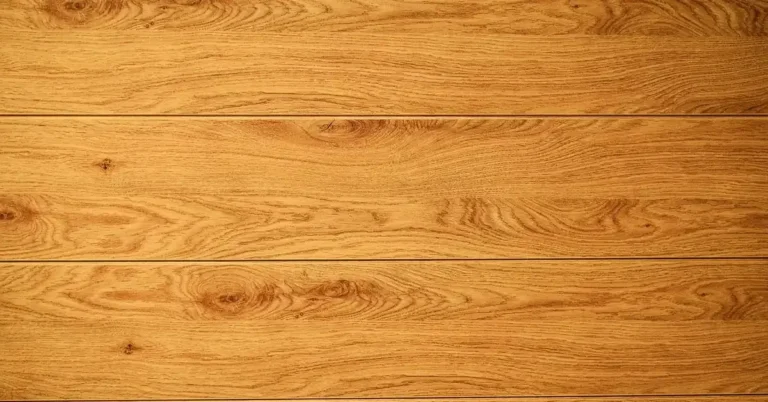
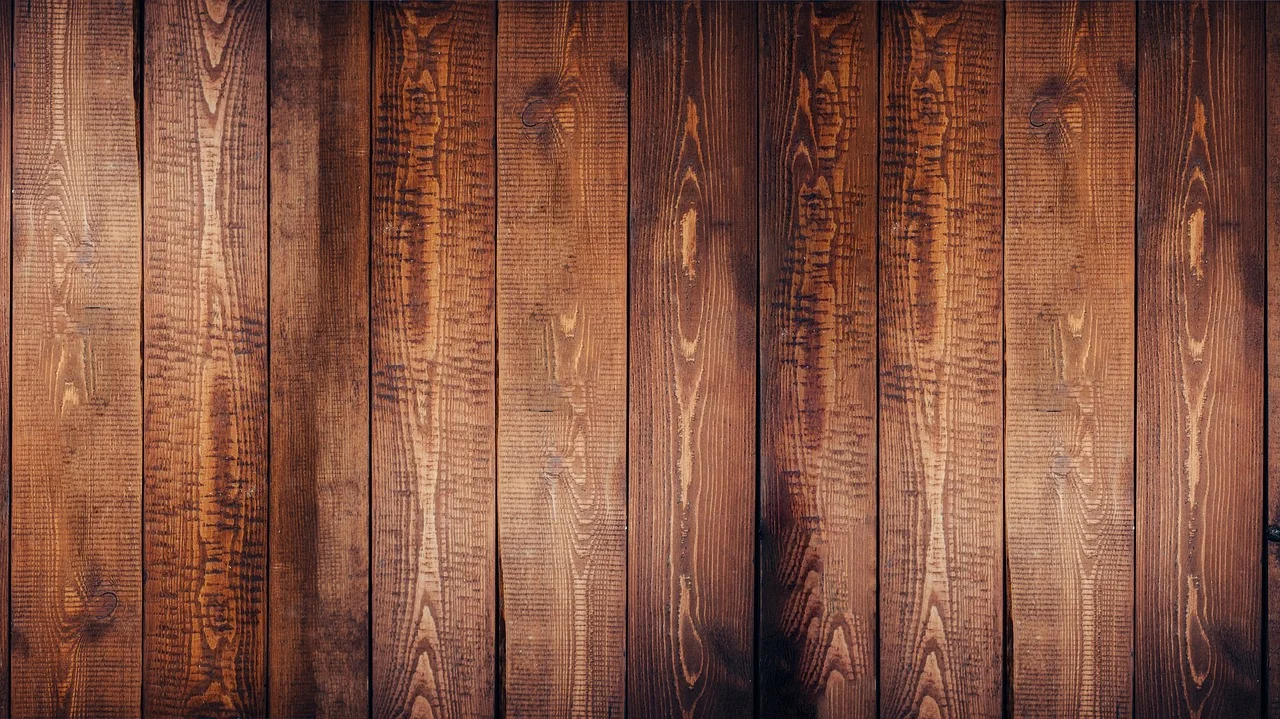
“Tudor Oak” is a manufacturer color/style code, not a species of tree or a nod to Tudor-era England. It shows up across multiple flooring categories because more than one brand independently picked the name for a similar warm brown, moderately grained, oak-look finish. That means the durability, water resistance, and price of “Tudor Oak flooring” can swing wildly depending on which specific product you’re looking at – a $2/sq ft vinyl plank and a $9/sq ft solid oak board can both be labeled Tudor Oak.
Works On Any Tudor Oak Floor Type
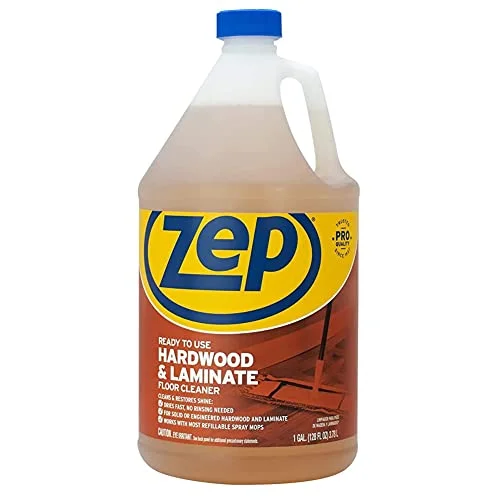 |
Zep Ready-to-Use Hardwood & Laminate Floor Cleaner – $14.98 Since “Tudor Oak” covers sealed hardwood, laminate, and rigid-core vinyl planks alike, this is a safe no-rinse cleaner formulated for varnished/finished wood and laminate surfaces.
|
Before you buy anything labeled Tudor Oak, check the product page for the actual material: solid hardwood, engineered hardwood, laminate, or vinyl/SPC (rigid core). That single detail tells you almost everything else you need to know – whether it’s waterproof, whether it can be refinished, and how it should be cleaned.
Real Brands Selling Tudor Oak Flooring
Here’s what’s actually on the market under the Tudor Oak name as of 2026, and what each one really is:
| Retailer / Brand | Product Line | Actual Material | Typical Price |
|---|---|---|---|
| Lowe’s (Style Selections / ProCore Plus) | Tudor Oak LVP | Waterproof luxury vinyl plank | ~$2–$3/sq ft |
| Costco (Mohawk) | Wide Plank Tudor Oak | Rigid-core vinyl, 22-mil wear layer | ~$2.11/sq ft (carton pricing) |
| Quick-Step | Naturetek Select Reclaime, Tudor Oak | Waterproof laminate, pad-attached | ~$3–$5/sq ft |
| Bestlaminate (Vinduri Ultra) | Tudor Dark Oak | SPC rigid vinyl | ~$2.50–$3.50/sq ft |
| Nubrisa / Harts Family Flooring | Tudor plank | Solid oak hardwood | ~$6–$10/sq ft |
Prices move with sales and region, but the gap between the vinyl/laminate versions and the solid-hardwood versions is consistently 2–4x. If a listing doesn’t specify the material outright, look for a “wear layer” spec (vinyl/SPC), a “core” spec (laminate/SPC), or a species/thickness spec (real hardwood) – that terminology gives it away even when the marketing name doesn’t.

Choosing The Right Tudor Oak Material For Your Room
Once you know Tudor Oak isn’t one product, the choice comes down to the room and the budget:
- Kitchens, bathrooms, basements: stick with the vinyl or SPC rigid-core versions (Lowe’s, Costco, Bestlaminate). They’re genuinely waterproof, not just water-resistant.
- Living rooms and bedrooms on a budget: the Quick-Step laminate version balances a harder wear layer with an attached underlayment, at a mid-range price.
- Whole-home consistency or resale value: a solid oak Tudor plank costs more up front but can be sanded and refinished multiple times over decades, which vinyl and laminate cannot — see our solid vs. engineered hardwood comparison if you are weighing that tradeoff.
- Rentals or short-term flips: vinyl plank installs fastest and tolerates the most abuse per dollar spent.
Installation Insights
Installation method depends entirely on which Tudor Oak product you bought:
Preparation And Underlayment
Regardless of material, start the same way:
- Clear the area: remove furniture and baseboards where needed.
- Check the subfloor: it must be clean, dry, and level to within about 3/16″ over 10 feet.
- Match the underlayment to the product: vinyl/SPC planks often come with pad pre-attached; laminate usually needs a separate foam or cork underlayment; solid hardwood nailed over a wood subfloor typically uses a rosin or felt paper layer instead.
Laying Techniques
- Floating (click-lock): used by nearly all vinyl, SPC, and laminate Tudor Oak products — planks lock together and float over the subfloor, which is why these are the DIY-friendly options.
- Nail-down: standard for solid hardwood Tudor Oak planks over a wood subfloor.
- Glue-down: used for engineered hardwood or vinyl over concrete slabs, especially below grade.
Whichever method applies, leave a 1/4″–3/8″ expansion gap at the walls and let planks acclimate in the room for 48–72 hours before installing.
Maintenance And Care By Material Type
This is where the “it’s all called Tudor Oak” confusion causes the most damage. Cleaning a vinyl plank floor like it’s hardwood — or vice versa — can void a warranty or dull the finish.
| Material | Safe To Use | Avoid |
|---|---|---|
| Vinyl / SPC | Damp mop, manufacturer-approved no-wax cleaner | Wax, steam mops, abrasive pads |
| Laminate | Barely-damp microfiber mop, laminate-specific cleaner | Standing water, wet mopping, wax |
| Solid/engineered hardwood | Hardwood-specific cleaner, periodic refinishing every 5–10 years | Excess water, ammonia-based cleaners, harsh scrubbing |
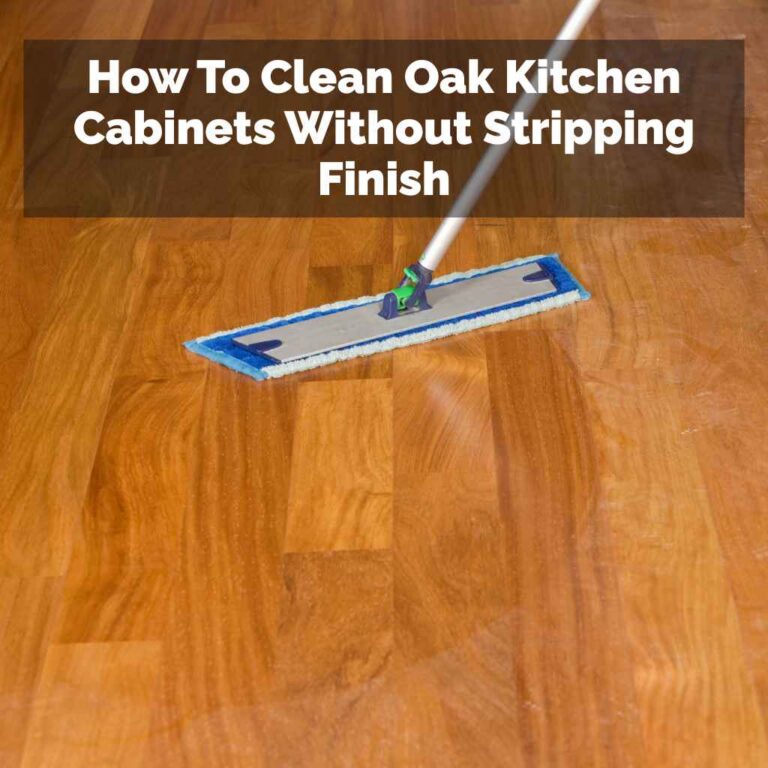
For any sealed hardwood or laminate Tudor Oak floor, sweep or vacuum with a hard-floor attachment first, then follow up with a cleaner rated for that specific surface — check the label before you spray anything on a floor you just paid several thousand dollars to install.
Is Tudor Oak Flooring Eco-Friendly?
It depends on which product you buy, not the name. A solid oak Tudor plank can be a genuinely renewable material if it carries FSC or PEFC certification, and its long lifespan (decades, with refinishing) reduces replacement waste. The vinyl and SPC versions sold under the same name at Lowe’s and Costco are PVC-based composite products with a printed wood-look layer — they’re not wood at all, so they don’t carry the same sustainability story even though the surface looks identical to oak. If sustainability is the deciding factor, check the spec sheet for the actual material and certification, not the color name.
Cost And Value Analysis
Total project cost is driven far more by material choice than by the Tudor Oak name itself:
| Type | Material Cost | Typical Install Cost |
|---|---|---|
| Vinyl / SPC plank | $2–$3.50/sq ft | $1–$2/sq ft (often DIY) |
| Waterproof laminate | $3–$5/sq ft | $1.50–$3/sq ft |
| Solid hardwood | $6–$10/sq ft | $3–$5/sq ft (professional recommended) |
Vinyl and laminate versions recoup their lower cost through easier DIY installation, but they can’t be refinished if damaged — a deep gouge means replacing that plank. Solid hardwood costs more upfront but can be sanded and refinished several times, which is why it typically holds resale value better in a whole-home renovation.
Frequently Asked Questions
What Is Tudor Oak Flooring?
Tudor Oak is not a historic wood species – it’s a warm medium-brown color and grain name used across several current flooring lines, including Style Selections and ProCore Plus luxury vinyl plank at Lowe’s, Mohawk’s rigid-core vinyl sold at Costco, Quick-Step’s Naturetek Select Reclaime laminate collection, and solid oak plank lines from brands like Nubrisa and Harts Family Flooring. The material underneath the “Tudor Oak” name changes by brand, so check the product listing for whether it’s solid wood, engineered wood, laminate, or vinyl before you buy.
How Do I Maintain Tudor Oak Flooring?
Maintenance depends on which material your Tudor Oak product actually is. Solid or engineered hardwood versions need dry/damp mopping, prompt spill cleanup, and refinishing every 5–10 years. Vinyl and SPC rigid-core versions (the Lowe’s and Costco products) are waterproof and only need regular sweeping and a manufacturer-approved no-wax cleaner – they can’t be sanded or refinished if scratched, since the wood look is a printed layer, not real wood grain.
Is Tudor Oak Flooring Eco-Friendly?
It depends on the material, not the name. Solid or engineered hardwood Tudor Oak products can be genuinely sustainable if FSC-certified. The vinyl and SPC versions sold under the same name at Lowe’s and Costco are PVC/composite products, not wood, so they don’t carry the same renewable-material claim even though the surface print looks like oak – check the manufacturer’s own spec sheet rather than assuming from the product name.
Can I Install Tudor Oak Flooring Myself?
Most Tudor Oak products are sold specifically as DIY-friendly click-lock vinyl or laminate planks with a floating installation, which most homeowners can install over a weekend with basic tools. Solid hardwood Tudor Oak planks are nail-down or glue-down and are harder to get right without experience – for those, budget for a professional installer or expect a steeper learning curve.
Tudor Oak flooring can mean a $2/sq ft vinyl plank or a $10/sq ft solid hardwood board — the name alone won’t tell you which. Check the actual material spec before you buy, match the maintenance routine to that material, and you’ll get the warm, oak-look floor the marketing promises without any surprises on durability or care.
Sponsored / affiliate links. As an Amazon Associate I earn from qualifying purchases. I may earn additional commission from eligible campaigns.