Skaggs Island Oak Flooring: Style, Grain & What to Know Before Buying
Choosing the right flooring is a big decision for any home. Skaggs Island oak flooring offers a great blend of natural beauty and toughness. This guide helps you understand all about it, from its unique look to how to care for it, so you can feel confident in your choice.
Understanding Skaggs Island Oak Flooring
Best Cleaner To Protect An Oak Floor’s Finish
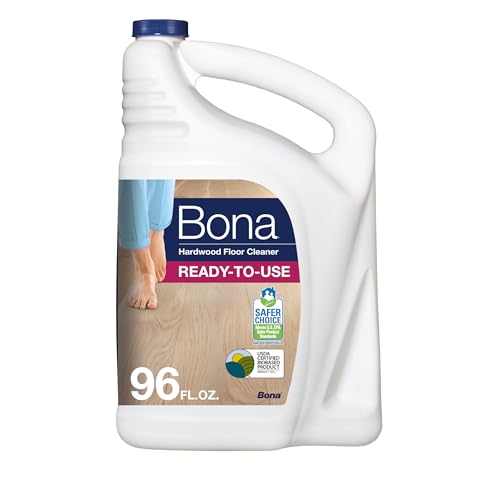 | Bona Hardwood Floor Cleaner Refill – 96 fl oz – Unscented |Bona | Our pick | $14.97 Price as of 20 Oct 2026 | View |
Skaggs Island oak flooring is a type of wood floor. It comes from oak trees. The name “Skaggs Island” often refers to a specific style or finish.
This style aims to capture a particular look. Think natural wood, but with some unique character. It’s known for its distinct grain patterns and color variations.
This gives each plank a special touch. It brings a warm, inviting feel to any room. It’s a popular choice in many American homes.
Oak wood itself is very strong. It’s also quite hard. This makes it stand up well to daily wear and tear.
Skaggs Island oak takes this natural strength and adds visual appeal. The milling and finishing processes are key. They highlight the wood’s natural beauty.
This creates floors that look both rustic and elegant. It’s a versatile material. It works well in different home styles.
What sets oak apart is its character. You’ll see natural knots and mineral streaks. These are not flaws.
They are signs of real wood. They add depth and interest. Skaggs Island oak often uses wider planks.
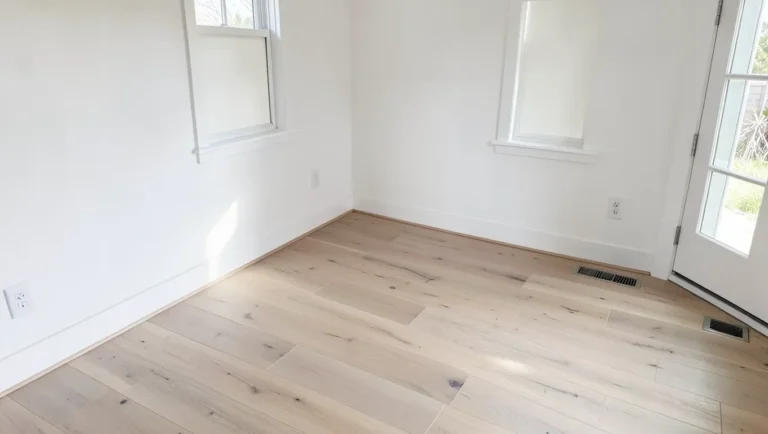
This can make a room feel more spacious. It can also give a more modern feel. The finishes can range from very light and natural to deep and rich.
The term “Skaggs Island” might also hint at the origin. Some flooring is named after locations. This can imply a certain regional style.
It might suggest wood sourced from or finished in a particular way. Whatever the exact origin, the focus is on quality. It’s about creating a floor that lasts.
It’s also about creating a floor that looks stunning.
A Common Misconception About “Durable” Oak Floors
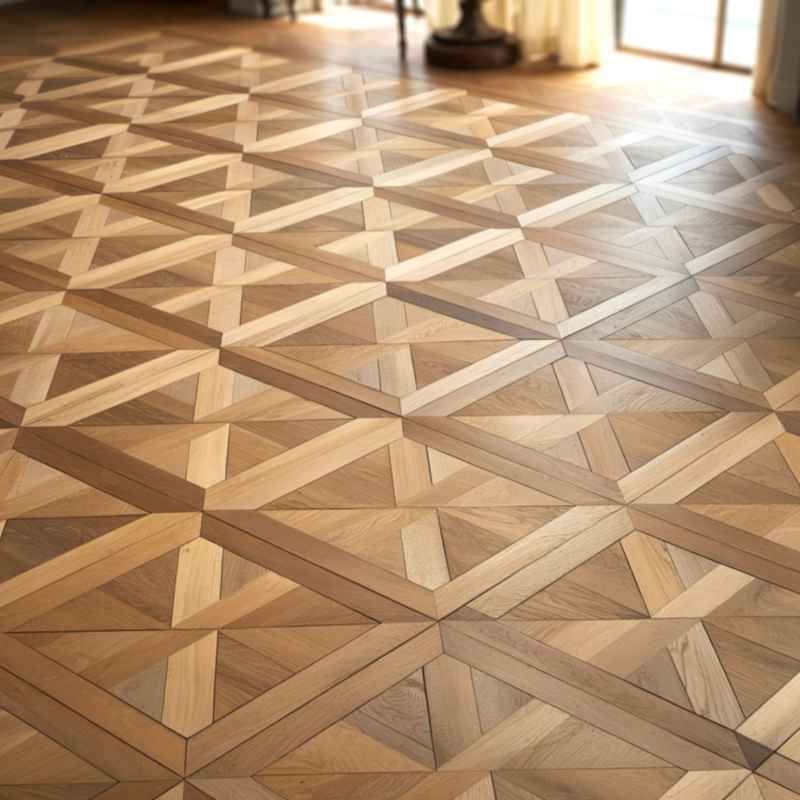
A frequent surprise for first-time oak flooring buyers: “durable” and “hardwood” don’t mean scratch-proof or stain-proof. Oak resists dents and wear better than softer species, but the finish on top is what actually takes the daily abuse – pet accidents left too long can leave faint dark spots even after prompt cleanup, and a dragged piece of furniture can still gouge through a pre-finished topcoat.
The practical takeaway: budget for felt furniture pads and prompt spill cleanup as part of owning any oak floor, Skaggs Island oak included, rather than assuming the wood’s hardness alone will protect the finish.
The Beauty of Natural Oak: What to Expect
Oak wood is famous for its beauty. It has a natural charm that many people love. Skaggs Island oak flooring is no different.
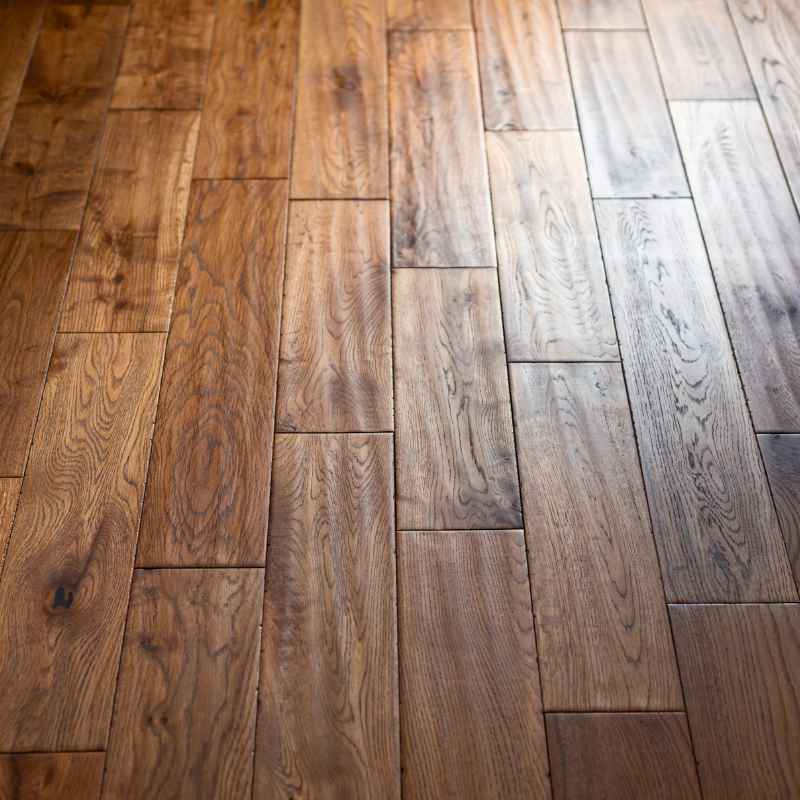
You’ll see a lovely grain. This grain has a natural pattern. It can be straight or wavy.
It can also have beautiful swirls. These patterns give the wood its unique character. No two planks will ever be exactly alike.
This is part of its appeal. It means your floor will be one of a kind.
The color of oak can vary. Red oak has a reddish tint. White oak has more of a gray or brown tone.
The “Skaggs Island” designation might refer to a specific cut. It could also mean a special way of finishing the wood. This can affect the final color.
Some finishes make the wood look lighter. Others make it darker. Some can even add a hint of gray or brown.
This gives it a more weathered look. You can often find it in natural, light, or medium shades. Darker stains are also possible.
Knots are a common feature in real wood floors. These are parts of the tree. They can be small or large.
They can be light or dark. Most Skaggs Island oak will have some knots. They add to the rustic charm.
They make the floor look more natural. If you prefer a very uniform look, you might want to choose a different wood. Or you might look for oak that has been sorted.
This means planks with fewer knots are used. But many people love the character that knots bring.
Mineral streaks are another natural marking. These are lines or spots. They are caused by minerals in the soil.
They can be dark gray or black. They add contrast to the wood grain. They can make a floor look more interesting.
They are a sign of authentic wood. They are not something to worry about. They are part of the wood’s story.
The way the wood is cut also matters. Plain sawn oak shows the widest grain patterns. Quarter sawn oak has a straighter grain.
It can also have a beautiful shimmer called “ray fleck.” Skaggs Island oak might be plain sawn. This usually gives it a more traditional look. It shows off the wood’s natural features well.
Oak Grain Patterns Explained
Plain Sawn: This is the most common cut. It shows wide, irregular grain patterns. You’ll often see “cathedral” patterns.
These look like arches or church windows. It’s efficient to produce. It uses most of the log.
Quarter Sawn: The log is cut into quarters. Then, each quarter is cut perpendicular to the growth rings. This gives a very straight grain.
It shows a lot of ray fleck. It’s more stable but also more costly.
Rift Sawn: This is a very precise cut. It’s similar to quarter sawn. It focuses on the straightest grain possible.
It minimizes ray fleck. It’s the most expensive and stable cut.
The finish applied to Skaggs Island oak is also important. It protects the wood. It also affects the final look.
Finishes can be matte, satin, or semi-gloss. A matte finish is very subtle. It lets the wood’s natural beauty shine.
A satin finish is common. It offers a bit of sheen. A semi-gloss finish is shinier.
It reflects more light.
For a natural look, a clear or light matte finish is often used. This keeps the wood looking as close to its natural state as possible. If you want a slightly different tone, a light stain can be applied.
This can enhance the wood’s warmth. It can also give it a richer hue. The “Skaggs Island” style might be known for a specific natural or slightly aged look.
This could mean a finish that mimics a floor that has been around for a while. It might have subtle color variations or a soft sheen.
Durability and Performance: Is It Tough Enough?
One of the biggest reasons people choose oak is its durability. Oak is a hardwood. This means it’s naturally strong.
It’s harder than woods like pine. This makes it more resistant to dents and scratches. Skaggs Island oak flooring benefits from this inherent strength.
The Janka hardness scale is used to measure wood hardness. Oak typically scores well on this scale. White oak is generally harder than red oak.
Both are much harder than many other wood species. This means your oak floor can handle daily life. It can handle kids playing.
It can handle pets walking around. It can even handle moderate foot traffic from guests.
However, it’s important to be realistic. No wood floor is completely scratch-proof. Heavy furniture can still cause dents.
Sharp objects can still scratch the surface. Pets’ claws can cause minor scratches. High heels can also leave marks.
The finish on the oak plays a big role here. A good quality finish adds a protective layer. It helps resist surface wear.
Many modern oak floors, including styles like Skaggs Island, use advanced finishes. These can be polyurethane-based. They are often factory-applied.
This ensures a consistent and durable coating. Some finishes offer enhanced scratch resistance. Others are more resistant to scuffs.
The “Skaggs Island” finish might be chosen for its beauty, but its protective qualities are also vital.
When it comes to moisture, oak has moderate resistance. White oak is generally more resistant to moisture than red oak. This is because it has closed pores.
This makes it less likely to absorb liquids. However, even white oak is not waterproof. Spills should always be cleaned up quickly.
Standing water can damage any wood floor. This is especially true around entryways or in kitchens and bathrooms.
The way the floor is installed also affects its durability. Proper subfloor preparation is crucial. Gaps between planks can lead to issues.
Expansion and contraction of the wood are normal. The installation needs to allow for this. This prevents buckling or cracking over time.
Skilled installers make a big difference. They ensure the floor performs as it should.
Quick Scan: Oak vs. Other Flooring
| Flooring Type | Janka Hardness (Avg. lbs) | Scratch Resistance | Water Resistance |
| Red Oak | 1290 | Good | Moderate |
| White Oak | 1360 | Good | Better |
| Maple | 1450 | Very Good | Moderate |
| Pine (Softwood) | 870 | Fair | Fair |
| Laminate | N/A (wear layer) | Varies (Good to Very Good) | Varies (Poor to Good) |
The finish on Skaggs Island oak flooring is key to its look and feel. A good finish will be smooth underfoot. It will also resist fading from sunlight.
UV inhibitors are often added to finishes. This helps protect the wood’s color over time. Direct sunlight can bleach wood.
It can also make some stains look different.
Consider the overall performance you need. For a busy family home, choosing oak with a strong, durable finish is wise. A style like Skaggs Island, if it features a robust factory finish, can be an excellent choice.
It offers the warmth of real wood with the resilience needed for daily life. It’s about balancing that natural beauty with practical needs.
Maintenance and Care: Keeping Your Floors Beautiful
Taking care of your Skaggs Island oak flooring is vital. Proper care ensures it stays beautiful for years. It also helps maintain its durability.
The good news is that oak is relatively easy to maintain. Simple steps can make a big difference.
The first rule is to keep it clean. Dust and grit are like sandpaper. They can scratch the finish over time.
Sweep or vacuum your floors regularly. Use a soft brush attachment on your vacuum. This prevents scratching.
For daily cleaning, a dust mop works well. Microfiber dust mops are excellent. They pick up fine dust and debris.
When you need to do a deeper clean, use a damp mop. It’s very important that the mop is only slightly damp. Never use a soaking wet mop.
Too much water can seep into the wood. It can cause swelling or warping. Use a cleaning solution made for wood floors.
Many brands offer pH-neutral cleaners. These are safe for most finishes.
Avoid using harsh chemicals. Things like ammonia-based cleaners or abrasive scrubbing pads can damage the finish. They can dull the sheen.
They might even strip the protective layer. Always test a new cleaner in an inconspicuous spot first. This is a good habit for any cleaning product.
Dealing with spills is crucial. Wipe them up immediately. Use a soft cloth.
For sticky spills, use a damp cloth with a bit of wood floor cleaner. Then, dry the area. This prevents staining and water damage.
The faster you clean a spill, the less chance it has to harm the wood.
Protecting your floors from wear is also important. Use felt pads under furniture legs. This includes chairs, tables, and sofas.
These pads help furniture slide smoothly. They prevent deep scratches. Check the pads regularly.
They can wear out or collect grit. Replace them as needed.
Quick Tips for Floor Care
Daily: Sweep or vacuum with a soft brush. Use a microfiber dust mop.
Weekly: Damp mop with a pH-neutral wood cleaner.
Immediately: Clean up spills. Dry the area.
Ongoing: Add felt pads to furniture legs. Replace as needed.
Avoid: Steam mops, harsh chemicals, abrasive cleaners.
For entryways, use doormats. Place one outside and one inside. This helps trap dirt and moisture from shoes.
It prevents it from being tracked onto your beautiful oak floors. Consider asking people to remove their shoes. This is a common practice in many homes.
It significantly reduces wear and tear.
If your Skaggs Island oak flooring has a natural or matte finish, it might show wear a bit more than a high-gloss finish. However, this can also add to its charm. A slightly worn look can be part of its character.
It tells a story of your home. If the finish does wear down over many years, it can often be screened and re-coated. This is a less invasive process than a full refinish.
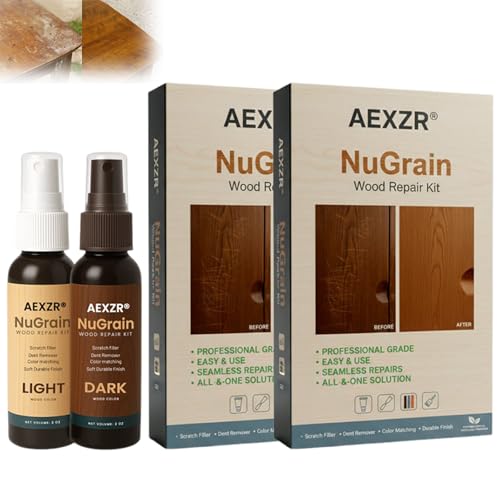
For stubborn scuffs or marks, there are specialized wood floor cleaners. You can also find wood repair pens or touch-up kits. These can help fill in minor scratches or chips.
Always choose a color that matches your floor. Test it in a hidden spot first.
In areas with direct sunlight, consider using blinds or curtains. This helps protect the wood from UV damage. It prevents fading.
It also helps maintain a consistent color over the years. This is especially important if your Skaggs Island oak has a lighter stain. The sun can really change its appearance.
Installation Considerations: Making It Right
How your Skaggs Island oak flooring is installed is as important as the wood itself. A good installation ensures longevity. It also ensures beauty.
Oak floors can be installed in several ways. The best method depends on the type of oak and your subfloor.
The most common methods are nail-down, staple-down, and glue-down. Engineered oak flooring can sometimes be floated. This means it’s not attached to the subfloor.
It’s just locked together.
Nail-down installation is traditional. It uses nails to secure the planks to a wooden subfloor. This is very secure.
It’s often used for solid hardwood flooring. Staple-down is similar. It uses staples instead of nails.
It’s often faster for installers.
Glue-down installation uses a special adhesive. This sticks the planks to the subfloor. It can be used on concrete subfloors.
It can also be used over existing flooring in some cases. It creates a very stable floor. It also helps reduce noise.
Floating floors are often engineered wood. The planks are connected to each other. They are not attached to the subfloor directly.
This method can be quicker. It also allows for expansion and contraction. However, it might have a different feel underfoot.
Some people find floating floors can feel less solid.
The subfloor needs to be in good condition. It must be level, clean, and dry. Any imperfections in the subfloor can transfer to the finished floor.
This can lead to squeaks or unevenness. A good installer will prepare the subfloor properly. They will check for moisture levels.
Acclimation is a crucial step. Wood floors need time to adjust to the humidity and temperature of your home. This is usually done before installation.
The planks are brought into the room where they will be installed. They are left there for several days. This prevents them from expanding or contracting too much after installation.
Installation Methods at a Glance
Nail/Staple Down: Planks are fastened to a wood subfloor. Very secure. Best for solid hardwood.
Glue Down: Planks are adhered to the subfloor with adhesive. Good for concrete subfloors and quieter. Works with solid or engineered.
Floating: Planks click or lock together. Not attached to subfloor. Often used for engineered wood.
Can be faster.
When you choose Skaggs Island oak flooring, ask about the installation method. The type of oak you purchase might dictate the best approach. Solid hardwood is often nailed or stapled.
Engineered hardwood offers more flexibility. It can often be glued or floated.
Professional installation is highly recommended. While DIY is possible, mistakes can be costly. A skilled installer has the right tools.
They have the experience to handle potential issues. They know how to make the floor look its best. They can also offer a warranty on their work.
The transition to other flooring types needs attention. At doorways and where the wood floor meets other surfaces, proper transitions are used. These are called thresholds or reducers.
They create a smooth, safe surface. They also give a finished look to the installation.
Consider the direction of the planks. Running planks towards the longest wall can make a room feel larger. Running them towards a light source can highlight the grain.
Discuss these options with your installer. They can offer advice based on your room’s layout.
The overall cost of installation can add up. It’s important to get detailed quotes. Understand what is included.
Does it cover subfloor preparation? Does it include removal of old flooring? Does it cover transition pieces and baseboards?
Style and Design: Where Does Skaggs Island Oak Fit?
Skaggs Island oak flooring offers a natural, classic look. This makes it very versatile. It can fit into many different home styles.
Its beauty is timeless. It provides a warm foundation for your decor.
In a traditional home, oak flooring feels right at home. It complements classic furniture. It works well with richer color palettes.
Think deep reds, greens, and blues. It also pairs nicely with ornate details. Crown molding and wainscoting look great with oak.
For a farmhouse or rustic style, oak is a perfect choice. Its natural knots and grain add character. Lighter or distressed finishes enhance this look.
It pairs well with natural materials like wood beams and stone. It creates a cozy, inviting atmosphere.
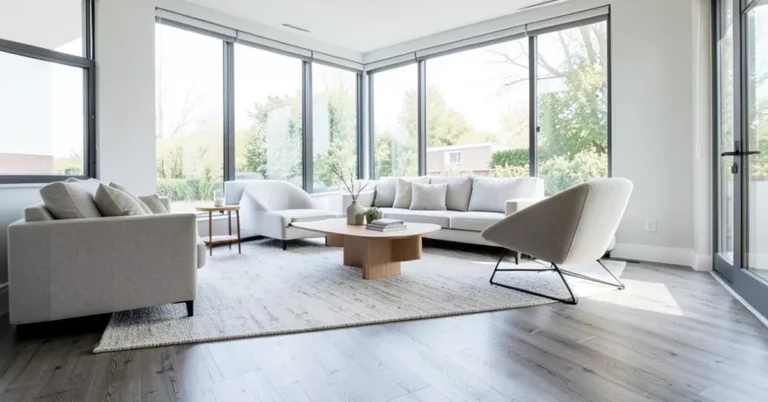
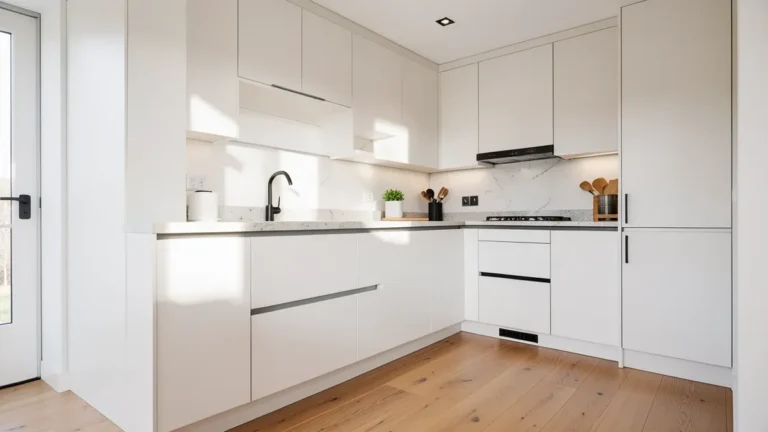
Modern and contemporary homes can also benefit from oak. A lighter, cleaner finish can feel very current. Wide planks can give a sleek, updated look.
Oak can provide a warm contrast to minimalist decor. It softens sharp lines. It adds a touch of nature to a modern space.
Transitional styles are where oak truly shines. This style blends traditional and modern elements. Oak floors provide a neutral yet beautiful base.
They work with a wide range of colors and furniture styles. This makes redecorating easier down the line.
Style Pairing Ideas
Rustic/Farmhouse: Pair with distressed furniture, natural fabrics (linen, cotton), vintage decor, warm color palettes.
Modern/Minimalist: Combine with clean-lined furniture, neutral colors (whites, grays, blacks), metallic accents, geometric patterns.
Traditional: Match with classic furniture styles, rich fabrics (velvet, silk), antique pieces, warmer, deeper color schemes.
Coastal/Beach House: Opt for lighter, bleached finishes. Pair with blues, sandy beiges, natural textures like jute and rattan.
The width of the planks matters for style. Wider planks tend to look more modern. They can also make a room feel more open.
Narrower planks can give a more classic or intricate feel. Skaggs Island oak might be available in various widths. This allows you to tailor the look to your space.
Consider the finish. A matte finish is very understated. It lets the wood grain be the star.
A satin finish offers a gentle sheen. It’s a popular choice. A semi-gloss finish is more reflective.
It can make a room feel brighter. The “Skaggs Island” finish might be designed for a specific aesthetic. It could be a light, natural look or a slightly aged appearance.
When choosing Skaggs Island oak flooring, think about your existing decor. What colors do you love? What furniture do you have?
What overall mood do you want to create? Oak is a forgiving canvas. It allows you to change your decor over time without needing to change your floors.
It’s also worth considering the lighting in your home. Natural light can really bring out the beauty of wood floors. Rooms with lots of sunlight might look great with lighter oak.
Rooms with less natural light might benefit from a slightly warmer or richer tone.
The cost of Skaggs Island oak can vary. It depends on the specific product. It depends on the finish and the grade of oak.
It also depends on whether it’s solid or engineered. However, oak is generally considered a mid-to-high-end flooring choice. Its beauty and durability often justify the investment.
It adds value to your home.
What This Means for Your Home
Choosing Skaggs Island oak flooring means choosing a floor with character. It brings the beauty of nature indoors. It adds warmth and depth to your living spaces.
This type of flooring can enhance the overall feel of your home. It makes it more inviting and comfortable.
For many homeowners, oak floors are an investment. They are a long-term choice. They can last for decades with proper care.
Unlike some trendier flooring options, oak’s style is timeless. It doesn’t go out of fashion. This means you won’t feel the need to replace it every few years.
The durability means it can handle real life. Kids’ toys, pet paws, and everyday foot traffic are usually not a problem. With the right finish, it can withstand quite a bit.
This gives you peace of mind. You can enjoy your home without constantly worrying about damaging your floors.
The aesthetic appeal is a major benefit. A beautiful wood floor can transform a room. It adds a sense of quality and elegance.
It can make a house feel more like a home. The unique grain patterns of oak mean your floor will be one-of-a-kind. This adds a personal touch.
Is Skaggs Island Oak Right for You?
Consider if:
- You love the look of natural wood.
- You want a durable floor for daily life.
- You appreciate timeless style that won’t go out of fashion.
- You are willing to perform simple, regular maintenance.
- You are looking for a floor that adds value to your home.
Maybe rethink if:
- You need a completely waterproof floor (e.g., for a steamy bathroom).
- You want a floor that requires absolutely zero maintenance or risk of scratching.
- Your budget is extremely limited and you need the cheapest option available.
The maintenance required for Skaggs Island oak flooring is manageable. Regular sweeping and occasional damp mopping are usually enough. Protecting it from excessive moisture and sharp objects is key.
This isn’t hard work. It’s just consistent care. This care pays off in the long run.
When it comes to potential issues, understand that wood is a natural material. It can expand and contract with humidity changes. This is normal.
Proper installation with expansion gaps helps manage this. Minor scratches or dents can happen. But they often add to the floor’s character.
They are part of its story. Significant damage is rare with proper care and a good quality finish.
If you are thinking of selling your home, hardwood floors are a major selling point. They are highly desirable for potential buyers. They suggest quality and care.
Oak floors, in particular, are a safe and attractive choice for resale value.
Ultimately, choosing Skaggs Island oak is about embracing natural beauty and lasting quality. It’s about creating a warm, inviting space. It’s a decision that can bring enjoyment for many years to come.
It’s a foundation that supports your life and your style.
Frequently Asked Questions About Skaggs Island Oak
What exactly is Skaggs Island oak flooring?
Skaggs Island oak flooring is a style of oak wood flooring. The name “Skaggs Island” likely refers to a specific aesthetic or finish. It aims to capture the natural beauty of oak with unique grain patterns and color variations, offering a distinctive look for homes.
Is Skaggs Island oak flooring durable enough for pets and kids?
Yes, oak is a hardwood known for its durability. Skaggs Island oak, benefiting from oak’s natural hardness and often featuring a protective finish, can generally withstand daily life with pets and children. However, prompt cleanup of spills and avoiding sharp objects will help maintain its appearance.
How do I clean and maintain Skaggs Island oak floors?
To clean, sweep or vacuum regularly with a soft brush. For deeper cleaning, use a slightly damp mop with a pH-neutral wood floor cleaner. Avoid harsh chemicals, excessive water, and abrasive pads.
Protecting furniture legs with felt pads is also recommended.
Can Skaggs Island oak flooring be used in kitchens or bathrooms?
Oak, especially white oak, has moderate water resistance. However, it is not waterproof. While it can be used in kitchens with careful maintenance and prompt spill cleanup, it is generally not recommended for bathrooms or areas with high moisture exposure due to the risk of water damage.
What kind of finish does Skaggs Island oak typically have?
The finish can vary, but it’s often designed to enhance the natural beauty of the oak. Common finishes include matte, satin, or semi-gloss. The “Skaggs Island” style might favor a more natural, muted, or subtly aged appearance, often achieved with a durable polyurethane-based finish.
Will Skaggs Island oak scratch or dent easily?
Oak is a hard wood, making it resistant to dents and scratches compared to softer woods. However, no wood floor is entirely scratch-proof. Heavy furniture, sharp objects, or pet claws can cause marks.
The quality of the finish plays a significant role in its resistance to surface wear and scuffs.
How much does Skaggs Island oak flooring typically cost?
The cost can vary based on the specific product, grade of oak, finish, and whether it’s solid or engineered. Oak flooring is generally considered a mid-to-high-end option. Skaggs Island oak, likely featuring a specific aesthetic, may fall within a similar price range, reflecting its quality and appearance.
Conclusion
Skaggs Island oak flooring offers a wonderful combination. It gives you the natural beauty of real wood. It also provides lasting durability.
It fits many home styles. With simple care, it can be a stunning floor for years. It’s a choice that brings warmth and value to your home.
Sponsored / affiliate links. As an Amazon Associate I earn from qualifying purchases. I may earn additional commission from eligible campaigns.