Vinyl Flooring Ll Flooring: Selection, Pricing And Review
It feels like yesterday we were all picking out new carpets or trying to make sense of tile samples. Now, there’s this whole other world of vinyl flooring. And if you’re looking at vinyl flooring LL Flooring, you might be feeling a bit overwhelmed. There are so many choices! What looks good? What lasts long? How much will it cost? It’s a lot to figure out, and you just want your home to look nice without all the stress. I get it. You’re not alone in wondering if it’s the right fit for your family and your budget. This guide is here to make that decision easier. We’ll walk through everything you need to know about selecting, understanding the price, and what others really think about vinyl flooring LL Flooring.
Vinyl flooring offers a wide range of styles and is often budget-friendly. When considering vinyl flooring LL Flooring, focus on durability, ease of cleaning, and how well it matches your home’s look and feel. Understanding different types like LVP and sheet vinyl will help you make the best choice for your needs.
What is Vinyl Flooring LL Flooring?
When you hear “vinyl flooring,” think of a material that’s made from synthetic polymers. It’s known for being tough and easy to keep clean. LL Flooring offers many kinds of this flooring. This means you have lots of options to find what you really like. It’s not just one thing; it’s a whole family of flooring materials.
The main reason people love vinyl is its versatility. It can look like real wood, stone, or even tile. But it’s much softer underfoot and usually costs less. Plus, it’s great at handling spills and moisture, which is a big plus for busy homes. LL Flooring makes sure you can find these looks in many different patterns and colors.
You’ll often see two main types. There’s sheet vinyl. This comes in big rolls. It’s good for covering large areas quickly. Then there’s Luxury Vinyl Plank (LVP) or Luxury Vinyl Tile (LVT). These come in planks or tiles. They snap together easily. This makes them very popular for DIY projects. LL Flooring stocks both kinds so you can pick the best fit.
My First Time Choosing Vinyl Flooring
I remember the first time I really looked into vinyl flooring for my own place. My old kitchen floor had seen better days. It was linoleum, and it was peeling up near the sink. I was tired of trying to patch it. I wanted something that looked a bit more modern but wouldn’t break the bank. My friend mentioned LL Flooring, so I decided to check it out.
Walking into the store was a bit much at first. So many samples! I felt a wave of confusion wash over me. There was wood, tile, and all these different vinyl options. The salesperson showed me some LVP. It looked exactly like dark, distressed wood. I was amazed. I touched it, and it felt surprisingly solid.
The best part? It was waterproof. My dog, Max, is a bit of a nervous drinker. There are always little puddles around his bowl. I also have a toddler who is a master of the spilled juice. This sounded like a dream come true. I left with a few samples, feeling much more hopeful. It was clear vinyl was way more advanced than I thought.
Vinyl Flooring: Quick Look
- Waterproof
- Durable
- Easy to clean
- Many styles
- Affordable
- Can be punctured
- May fade in sun
- Not as warm as real wood
Types of Vinyl Flooring at LL Flooring
LL Flooring offers a great selection of vinyl flooring. They have options for every taste and need. Understanding these types will help you pick the best one for your home.
Sheet Vinyl
Sheet vinyl is a classic choice. It comes in large rolls, typically 6 or 12 feet wide. This means fewer seams. Fewer seams mean better protection against moisture. It’s a great option for bathrooms, kitchens, and laundry rooms where water is common. LL Flooring has many sheet vinyl patterns. You can find designs that mimic stone, wood, or abstract looks.
Installation can be a bit trickier than planks. You need to cut it precisely. But for large, open areas, it can be very cost-effective. It’s also quite comfortable to stand on for long periods. The solid backing helps absorb sound too.
Luxury Vinyl Plank (LVP)
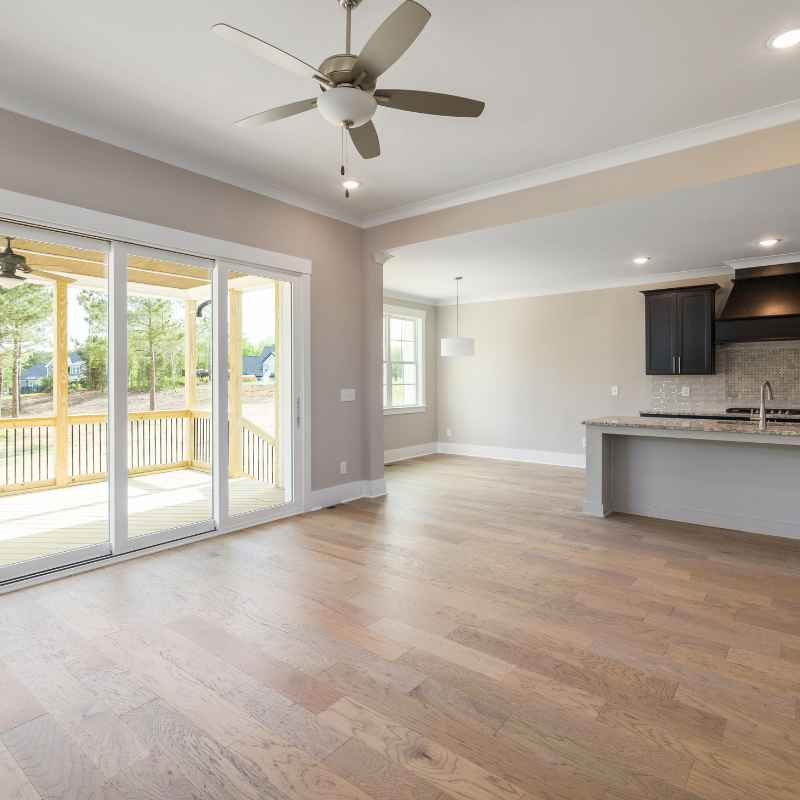
Luxury Vinyl Plank, or LVP, is a huge hit. It’s designed to look like real wood planks. Each plank has its own unique pattern. This makes it look very natural. LL Flooring carries a wide array of LVP styles. You can find everything from light oak looks to dark walnut. They even have styles with a textured feel, so they feel like wood too.
LVP is super popular because it’s waterproof and durable. It’s also very easy to install, especially the click-lock systems. This means you can often do it yourself. It’s perfect for homes with kids and pets. The wear layer on top protects it from scratches and scuffs. This is a big deal for busy households.
Luxury Vinyl Tile (LVT)
Luxury Vinyl Tile, or LVT, is very similar to LVP. The main difference is its shape. LVT comes in tiles that mimic stone, ceramic, or porcelain tiles. You can get them in different sizes, like squares or even longer rectangular tiles. LL Flooring offers LVT that can give you the look of natural stone without the coldness or cost.
Like LVP, LVT is waterproof and tough. It’s another excellent choice for kitchens, bathrooms, and entryways. The tiles often have grout lines printed on them, adding to the realistic look. Installation is usually simple with click-lock or peel-and-stick options.
Core Construction: What’s Inside?
Understanding the core construction helps you know how strong the vinyl is. LL Flooring often highlights different core types:
Vinyl Core Types
WPC (Wood Plastic Composite): This core is made of wood flour and plastic polymers. It’s very stable and comfortable underfoot. It offers good sound insulation. It’s a top choice for many.
SPC (Stone Plastic Composite): SPC has a core made mostly of limestone powder and PVC. This makes it very dense and durable. It’s excellent for high-traffic areas. It’s also quite rigid.
Pure Vinyl Core: Some vinyl flooring has a core made entirely of vinyl layers. These are often lighter and more budget-friendly. They are still water-resistant but may be less rigid than WPC or SPC.
The type of core affects how the floor performs. It impacts its strength, comfort, and ability to handle changes in temperature or humidity. LL Flooring usually provides details on the core of their products.
Understanding Vinyl Flooring Pricing at LL Flooring
Price is a big factor for most people. The cost of vinyl flooring LL Flooring can vary quite a bit. It depends on the type, brand, and quality of the flooring.
Generally, sheet vinyl is often the most affordable. You might find it starting around $1 to $3 per square foot. This is for basic options. Higher-end sheet vinyl with more realistic visuals can cost more, maybe $3 to $6 per square foot.
Luxury Vinyl Plank (LVP) and Luxury Vinyl Tile (LVT) tend to be a bit pricier. Basic LVP or LVT might start around $2 to $4 per square foot. Good quality options with a thick wear layer and a strong core can range from $4 to $7 per square foot. Premium or specialty designs might go even higher.
LL Flooring often has sales and promotions. It’s worth checking their website or visiting a store to see what’s currently available. They also sell underlayment, adhesive, and other installation materials, which add to the total cost. Installation labor is another significant expense if you’re not doing it yourself.
Cost Breakdown (Estimated per sq ft)
| Flooring Type | Basic Price Range | Higher-End Price Range |
|---|---|---|
| Sheet Vinyl | $1 – $3 | $3 – $6 |
| LVP/LVT (Standard) | $2 – $4 | $4 – $7 |
| LVP/LVT (Premium/WPC/SPC) | $4 – $6 | $6 – $10+ |
Prices are estimates and can vary based on sales, specific product lines, and region.
Don’t forget to factor in costs for installation tools, underlayment (if needed), trim, and potential subfloor preparation. These can add a significant amount to your project budget. Always get a full quote that includes everything.
Reviews and Real-World Experience with LL Flooring Vinyl
What do people actually say about vinyl flooring LL Flooring? Reviews can be incredibly helpful. Many customers praise LL Flooring for its wide selection and helpful staff. People often mention finding unique styles they couldn’t find elsewhere.
One common theme in reviews is the quality of the LVP. Many users are happy with how realistic the wood grain looks. They also appreciate how easy it is to clean. For families with young children or pets, this ease of maintenance is a huge selling point. Several reviewers mentioned spills being wiped up easily without staining.
Some reviews touch on the installation process. If you’re doing it yourself, many find the click-lock systems user-friendly. However, some experienced DIYers noted that precise cuts are still important, especially around edges and doorways. Others hired professional installers and were pleased with the results. Getting a good installer can make all the difference.
A few customers have mentioned that very heavy furniture can sometimes cause dents. This is more common with softer vinyl cores or if the furniture has sharp legs. It’s a good reminder that while vinyl is tough, it’s not indestructible. Following LL Flooring’s recommendations for underlayment and protection can help prevent issues.
Overall, the sentiment is positive. People appreciate the look, durability, and value that LL Flooring’s vinyl products offer. It seems like a solid choice for many homeowners looking for an upgrade.
Customer Snapshot: Vinyl Flooring
Theme 1: Realistic Looks
“I couldn’t believe it wasn’t real wood! The texture and color were spot on.”
Theme 2: Easy Cleaning
“Spaghetti sauce spilled on it, and it wiped right up. Huge relief!”
Theme 3: DIY Friendly (Mostly)
“Clicking the planks together was pretty straightforward. Took a weekend for my living room.”
Key Factors to Consider When Buying Vinyl Flooring
When you’re looking at vinyl flooring LL Flooring, there are a few things to keep in mind. These will help you make sure you get the best floor for your home.
1. The Wear Layer
This is super important. The wear layer is the top protective coating on the vinyl. It shields the floor from scratches, scuffs, and stains. It’s usually measured in mils (thousandths of an inch).
Wear Layer Guide
6-12 mil: Best for light-traffic areas like bedrooms. Not ideal for busy homes.
12-20 mil: A good balance for most homes. Handles moderate to high traffic well. This is a common range for LVP and LVT.
20+ mil: Excellent for very high-traffic areas, commercial spaces, or if you have pets and kids. Offers the best protection.
LL Flooring will list the wear layer thickness for their products. Aim for at least 12 mil for most residential areas. Higher is better if you have pets or active kids.
2. Thickness and Core Type
The overall thickness of the vinyl matters too. Thicker vinyl often feels more substantial underfoot. It can also hide subfloor imperfections better. The core type (WPC, SPC, etc.) also plays a role in stability and durability, as we discussed.
For a more premium feel and better performance, look for thicker options. SPC cores are known for their rigidity and strength, making them great for basements or areas with potential moisture.
3. Style and Design
This is where you get to have fun! Vinyl flooring comes in an endless variety of styles. Think about the look you want for your home. Do you want the warmth of wood? The cool elegance of stone? Or perhaps a modern abstract pattern?
Consider the color and pattern. Lighter colors can make a room feel bigger and brighter. Darker colors can make a room feel cozier. Wood-look planks come in various species, finishes, and plank widths. Stone-look tiles can mimic marble, slate, or travertine. LL Flooring has samples, so bring them home and see how they look in your light.
Also, think about the texture. Some vinyl has a smooth finish, while others have embossed textures that mimic the feel of natural materials. Textured vinyl can also help hide minor scuffs and dirt.
4. Installation Method
How the flooring is installed affects both cost and ease of DIY. LL Flooring offers several options:
Installation Types
Click-Lock (Floating Floor): Planks or tiles connect to each other without glue. They float over the subfloor. This is the most popular DIY option. It’s faster and cleaner to install.
Peel-and-Stick: These have an adhesive backing. You peel off the backing and stick them down. They are simple for small areas but can be trickier to get perfectly aligned over large spaces.
Glue-Down: The vinyl is adhered directly to the subfloor with special adhesive. This provides a very secure and stable floor. It’s often used for sheet vinyl or in commercial settings. It requires more prep work and can be messy.
If you’re a beginner DIYer, click-lock LVP or LVT is likely your best bet. If you’re hiring a pro, they can handle any of these methods efficiently.
5. Waterproof vs. Water-Resistant
Many vinyl floors are marketed as “waterproof.” This means the material itself will not be damaged by water. However, the installation and subfloor are still crucial.
For areas like bathrooms or basements, true waterproof is ideal. This is especially true for click-lock floors. If water seeps through the seams and reaches the subfloor, it can cause problems if the subfloor isn’t protected. SPC and WPC cores offer excellent stability in damp environments.
LL Flooring clearly states if their products are waterproof. Always look for this if moisture is a concern in your home.
Where Does Vinyl Flooring LL Flooring Work Best?
Vinyl flooring is incredibly versatile. It can be a great choice for almost any room in your home. But it truly shines in certain areas.
Kitchens
This is a no-brainer. Kitchens are prone to spills, dropped food, and lots of foot traffic. Vinyl’s waterproof nature means spills won’t soak in and stain. It’s also comfortable to stand on while cooking. The wide variety of styles means you can achieve a high-end look, like marble or wood, without the worry.
Bathrooms and Powder Rooms
Water is everywhere in a bathroom. Splashes from the sink, shower, and tub are common. Sheet vinyl or LVT/LVP with a strong waterproof core are perfect here. They offer protection against moisture damage that can ruin other flooring types.
Basements
Basements can be prone to humidity and even occasional leaks. Vinyl flooring, especially SPC or WPC core types, is a fantastic choice. It won’t warp or swell if it gets damp. It’s also warmer and softer than concrete. This makes a basement feel more like a living space.
Entryways and Mudrooms
These areas see the most dirt and wear. Mud, snow, sand, and pet paws all come through here. Vinyl’s durability and easy cleaning make it ideal. You can simply wipe it down to keep it looking great. This saves your other floors from the brunt of the mess.
Living Areas and Bedrooms
While perhaps not the first place people think of for vinyl, LVP is becoming very popular in living rooms and bedrooms. The realistic wood looks are a huge draw. It offers comfort and style at a lower price than solid hardwood. It’s also a great option if you have pets that might scratch traditional wood floors.
When choosing for these areas, focus on the wear layer and overall thickness for comfort and longevity.
What to Watch Out For: Potential Downsides
No flooring is perfect. While vinyl is a great choice, there are a few things to be aware of. Knowing these potential downsides can help you make an informed decision and take steps to avoid them.
Punctures and Deep Scratches
While vinyl is scratch-resistant, very sharp or heavy objects can still puncture or deeply scratch it. Dropping a heavy tool or dragging a sharp piece of furniture can leave a mark. This is more likely with thinner vinyl or those with thinner wear layers.
To prevent this: use furniture pads, avoid dragging heavy items, and be careful with sharp objects. For very heavy items, consider using floor protectors or a rug.
Fading from Sunlight
Like many flooring materials, vinyl can fade over time if exposed to direct, strong sunlight for extended periods. This is especially true for darker colors or those with very rich pigments.
To minimize fading: use curtains or blinds to block direct sun during peak hours. Area rugs can also protect high-exposure spots.
Not as “Natural” Feeling as Hardwood
Even the best LVP can sometimes feel less substantial or natural underfoot compared to real hardwood or stone. While modern vinyl has improved greatly, some people can still tell the difference. It’s also not as “warm” as true wood.
If a truly natural feel is your absolute top priority and budget is not a concern, you might consider other materials. However, for most people, the benefits of vinyl outweigh this slight difference.
Subfloor Preparation is Key
Vinyl flooring needs a smooth, level subfloor. If your subfloor is uneven, bumpy, or has holes, these imperfections can show through the vinyl over time. This is especially true for thinner vinyl or peel-and-stick types. For floating floors like click-lock LVP, a very uneven subfloor can lead to gaps or clicking noises.
Always check your subfloor. You might need to sand down high spots, fill low spots, or even install a new layer of plywood or cement board. LL Flooring can advise on proper subfloor prep.
How to Care for Your Vinyl Flooring
Caring for vinyl flooring LL Flooring is quite simple. Following a few basic steps will keep your floor looking great for years.
Daily Cleaning
Sweep or vacuum your floor regularly. This removes dirt, dust, and grit that can scratch the surface over time. Use a vacuum with a soft brush attachment or a broom with soft bristles. Avoid vacuums with beater bars that spin aggressively, as they can damage the vinyl.
Damp Mopping
For everyday spills or light cleaning, a damp mop is usually enough. Use plain water or a pH-neutral cleaner specifically designed for vinyl flooring. You can find these at most home improvement stores. Always wring out your mop so it’s just damp, not soaking wet.
Avoid harsh chemicals, ammonia-based cleaners, or abrasive scrubbers. These can dull the finish or damage the protective wear layer. LL Flooring often provides a list of recommended cleaning products.
Tackling Tough Stains
For tougher stains like ink, paint, or grease, you might need something a little stronger. Try a small amount of mineral spirits on a soft cloth. Rub the stain gently. Immediately follow up with a damp mop and plain water to remove any residue.
Always test any cleaning solution in an inconspicuous area first, like in a closet or under a large piece of furniture, to make sure it doesn’t damage the vinyl.
Protecting Your Floor
As mentioned, use felt pads on the legs of all furniture. This is a simple step that prevents scratches. For chairs with wheels, use a chair mat designed for vinyl floors. This distributes the weight and prevents dents and scratches from rolling.
Place doormats at all entrances to catch dirt and moisture before it gets tracked onto the floor. This will significantly reduce wear and tear.
Frequently Asked Questions About Vinyl Flooring LL Flooring
Do I need an underlayment for vinyl flooring?
Do I need an underlayment for vinyl flooring?
It depends on the type of vinyl flooring and the manufacturer’s recommendations. Many LVP and LVT products with a WPC or SPC core have a built-in underlayment. However, some manufacturers require or recommend an additional underlayment for sound absorption, extra cushioning, or moisture protection. Always check the specific product’s installation guide. LL Flooring will provide this information.
Is vinyl flooring bad for the environment?
Is vinyl flooring bad for the environment?
Vinyl flooring has faced criticism regarding its environmental impact. It is made from PVC (polyvinyl chloride), a petroleum-based product. Its production can involve chemicals, and disposal can be an issue. However, many manufacturers are working to improve sustainability. Look for vinyl flooring with certifications like FloorScore, which indicates low VOC emissions and better indoor air quality. Also, the longevity and low maintenance of vinyl can offset some environmental concerns compared to materials that need frequent replacement.
Can I install vinyl flooring over my existing floor?
Can I install vinyl flooring over my existing floor?
Yes, in many cases. Vinyl flooring, especially LVP and LVT with a click-lock system, can often be installed as a floating floor over existing hard-surface flooring like tile, laminate, or even hardwood. However, the existing floor must be flat, level, and in good condition. Issues like uneven tiles or loose grout can transfer to the new vinyl. Sheet vinyl often requires a very smooth surface, so existing tile grout lines might need to be filled.
How long does vinyl flooring last?
How long does vinyl flooring last?
With proper care and maintenance, good quality vinyl flooring can last anywhere from 10 to 20 years, or even longer. Factors like the thickness of the wear layer, the quality of the core construction, and the amount of traffic it receives will influence its lifespan. High-traffic areas may show wear sooner than low-traffic areas. Regular cleaning and protection against scratches will maximize its longevity.
Is vinyl flooring noisy to walk on?
Is vinyl flooring noisy to walk on?
Older, thinner vinyl floors could sometimes sound hollow or plasticky. However, modern LVP and LVT, especially those with WPC or SPC cores and a good underlayment, are much quieter. The thicker construction and sound-dampening layers help absorb impact and reduce noise. If noise is a major concern, opt for thicker vinyl with a robust core and consider adding an extra sound-deadening underlayment.
What is the best type of vinyl flooring for a basement?
What is the best type of vinyl flooring for a basement?
For basements, it’s crucial to choose vinyl flooring that is highly water-resistant or waterproof and stable. Luxury Vinyl Plank (LVP) or Luxury Vinyl Tile (LVT) with an SPC (Stone Plastic Composite) or WPC (Wood Plastic Composite) core is generally recommended. These cores are dense and dimensionally stable, meaning they are less likely to swell or warp from moisture or humidity common in basements. Ensure the subfloor is properly prepped and sealed if needed.
Can I use a steam mop on vinyl flooring?
Can I use a steam mop on vinyl flooring?
No, it’s generally not recommended to use a steam mop on vinyl flooring. The high heat and moisture from a steam mop can penetrate the seams, damage the adhesive, or warp the vinyl planks or tiles. This can lead to lifting, bubbling, or loosening of the flooring over time. A damp mop with a recommended vinyl floor cleaner is the safest and most effective way to clean vinyl.
Final Thoughts on Vinyl Flooring LL Flooring
Choosing vinyl flooring LL Flooring is a smart move for many homes. It offers that perfect mix of style, durability, and affordability. From realistic wood looks to elegant stone designs, there’s a vinyl option to match any decor. The waterproof nature makes it ideal for busy areas and potential spills.
Remember to check the wear layer, core type, and installation method. These details are key to getting a floor that lasts and performs well. By understanding your options and caring for your new floor, you’ll enjoy its beauty and benefits for many years to come. It’s a practical choice that truly delivers.