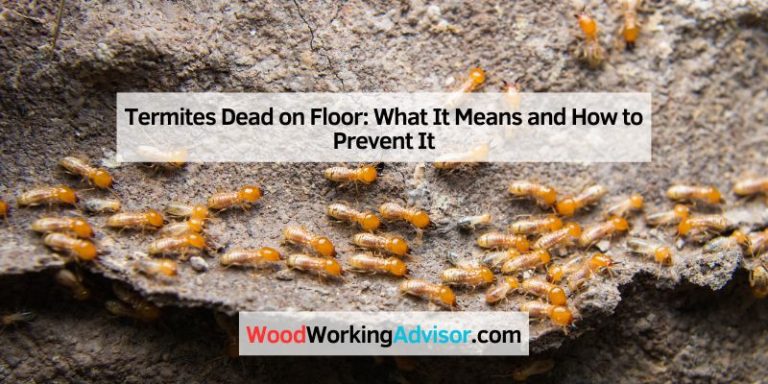
What are Termite Swarmers: Identifying and Preventing Infestations
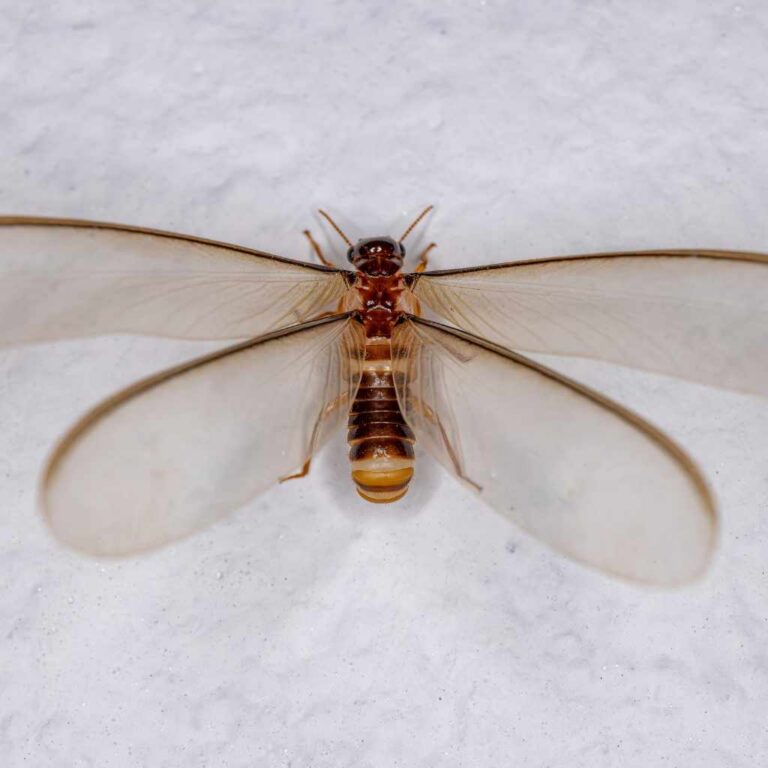
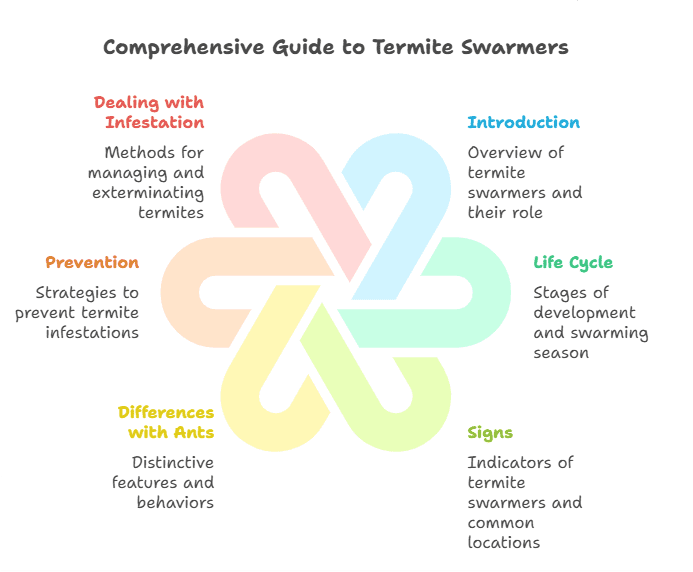
Termite swarmers are winged termites that leave their colony to reproduce. These insects are a key sign of a termite infestation.
Termite swarmers, often seen in spring, play a crucial role in termite life cycles. They emerge in large numbers, seeking to start new colonies. Understanding termite swarmers is vital for homeowners. They can cause significant damage if left unchecked. Recognizing their presence can help you take quick action.
Termite swarmers have distinct characteristics, making them easier to identify than worker termites. By learning about them, you can protect your home from potential destruction. Knowing their behavior and appearance is your first step in termite prevention. Stay vigilant and informed to keep your property safe.
Introduction To Termite Swarmers
Hey friends, today we are diving into the world of termite swarmers. If you have ever seen a cloud of insects around your home, you might have wondered what they are. They could be termite swarmers. Let’s learn more about these tiny creatures and why they are important.
Definition And Role
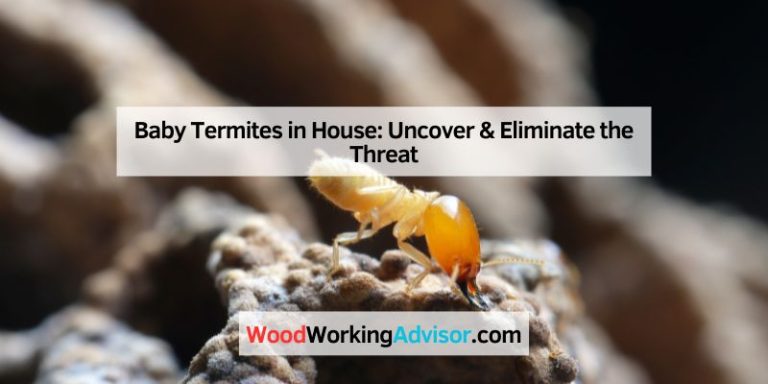
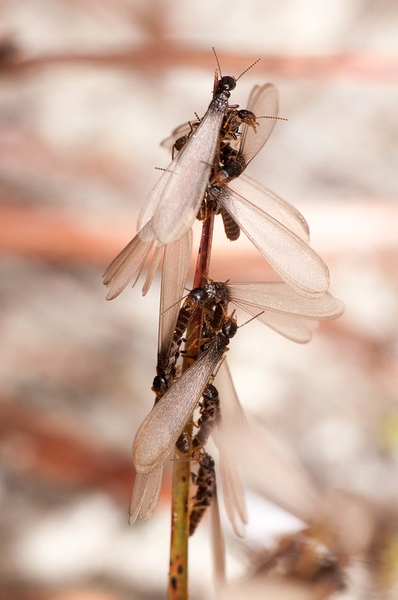
So, what exactly are termite swarmers? Termite swarmers are adult termites that leave their nest to start new colonies. They have wings, which they use to fly short distances. These swarmers are also known as “alates”.
Here’s a simple way to understand their role:
- Reproduction: Swarmers are responsible for creating new termite colonies.
- Colonization: They fly away from their original nest to find new locations.
- Mating: After finding a suitable spot, they mate and start a new colony.
Imagine them as the explorers and pioneers of the termite world, looking for new frontiers to conquer.
Common Species
Termite swarmers come in different species. Let’s look at some common ones:
| Species | Characteristics |
|---|---|
| Subterranean Termites | These are the most common. They live in the soil and build mud tubes to reach wood. |
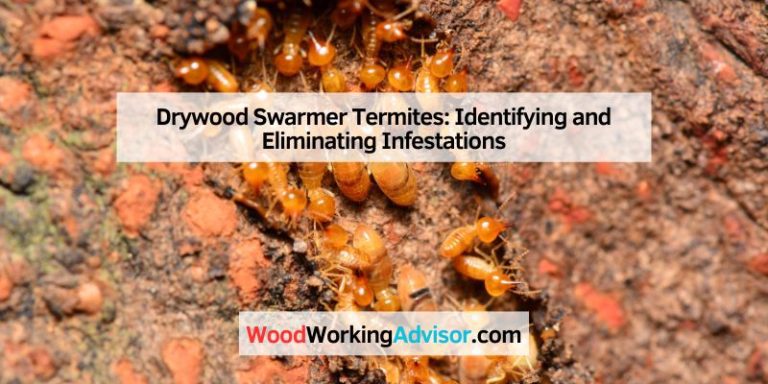
| Drywood Termites | They live in dry wood. They do not need soil to survive and can cause a lot of damage. |
| Dampwood Termites | These termites prefer moist wood. They are less common but can still be a problem. |
Each species has its own habits and preferences, but all can cause trouble if they invade your home.
The good news? Knowing more about termite swarmers can help you protect your home. Stay tuned for more tips and tricks on dealing with these little invaders.
Life Cycle Of Termite Swarmers
Termite swarmers are winged termites that leave their colony to start new ones. They mate, shed wings, and establish new colonies. Swarmers play a crucial role in termite population growth.
Termite swarmers play a vital role in the colony’s life cycle. These winged insects emerge in large numbers. Their goal is to start new colonies. Understanding their life cycle helps in managing infestations effectively.
Reproductive Cycle
Termite swarmers leave their original colony in swarms. They find a mate and shed their wings. The pair then seeks a suitable location to start a new colony. After finding a spot, they become the king and queen. Their primary task is to reproduce. The queen lays eggs, which hatch into larvae. These larvae develop into worker termites, soldiers, or new swarmers.
Swarming Season
Swarming season varies by termite species. It usually occurs in spring or early summer. Warm weather and moisture trigger the swarming event. Swarmers leave the colony during the day. They are attracted to light and often seen near windows. The swarming season lasts a few weeks. During this time, many swarmers fail to establish new colonies. Only a few find suitable conditions to survive and reproduce.
Signs Of Termite Swarmers
Termite swarmers are a clear sign of a potential termite infestation. These winged insects are the reproductive members of a termite colony. Spotting them means the colony is looking to expand. Recognizing the signs of termite swarmers early can help prevent severe damage to your property.
Visible Indicators
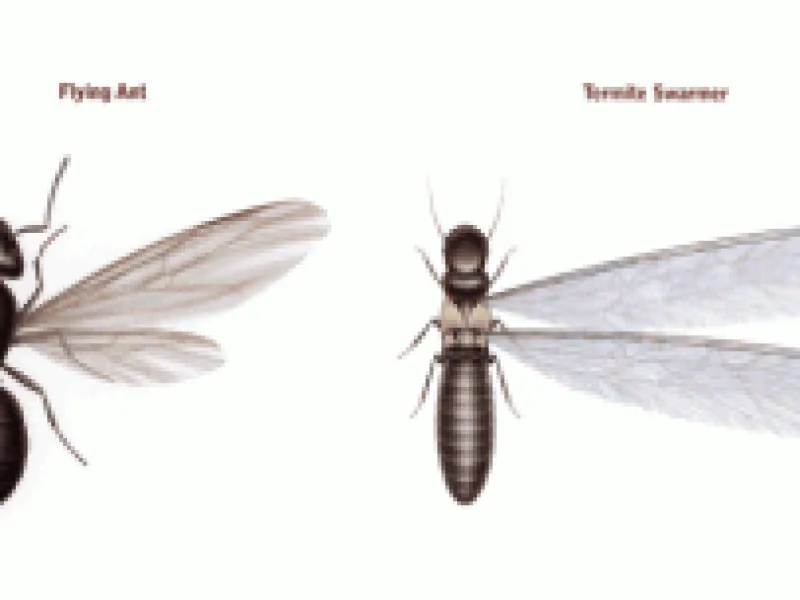
One of the most obvious signs of termite swarmers is the presence of discarded wings. These wings can often be found near windowsills, doors, or other light sources. Termite swarmers are attracted to light, so you’ll likely see them around these areas. Another visible indicator is the sight of the swarmers themselves. They resemble flying ants but have straight antennae and equal-length wings. If you see these insects indoors, it’s a strong indication of an infestation.
Common Locations
Termite swarmers commonly appear in areas with high moisture. You may find them in basements, bathrooms, or near leaky pipes. They also swarm around windows and doors, as they are attracted to light. Outdoors, you might see swarmers near tree stumps, woodpiles, or mulch beds. These locations provide the conditions termites need to thrive. Regularly inspecting these areas can help you catch an infestation early.

Credit: www.terminix.com
Differences Between Termite Swarmers And Ants
Termite swarmers and ants are often mistaken for one another. Both insects can have wings. They also emerge in large groups during certain times of the year. Yet, despite these similarities, they are quite different. Understanding these differences can help you identify them correctly.
Physical Characteristics
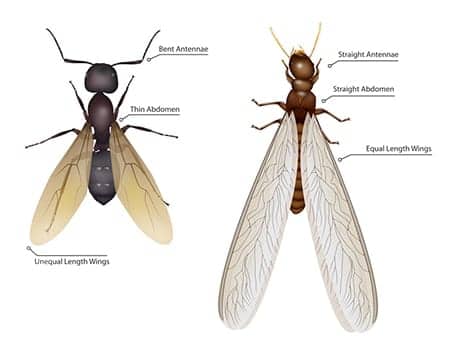
Termite swarmers and ants have distinct physical features. Termite swarmers have straight antennae. Their bodies are broad and their waists are not narrow. They also have two pairs of wings that are of equal length. The wings are long and translucent with veins.
Ants, on the other hand, have bent antennae. Their bodies are segmented with a narrow waist. They also have two pairs of wings, but the front wings are longer than the back wings. Their wings are not as veined as those of termites.
Behavioral Traits
The behavior of termite swarmers and ants differs significantly. Termite swarmers leave their nests in large groups to start new colonies. They usually swarm during the day and are attracted to light. They shed their wings after finding a mate.
Ants, in contrast, do not always swarm in large groups. Some ant species swarm, but many do not. Ants also do not shed their wings after mating. They return to their nests after their mating flight.
Preventing Termite Swarmers
Hey friends, today we’re diving into a pesky problem – termite swarmers. These tiny bugs can cause big damage to your home. But don’t worry! I’ll show you how to keep them away. Let’s look at some simple ways to prevent termite swarmers from invading your home.
Home Maintenance Tips
Keeping your home in good shape is key to preventing termite swarmers. Here are some easy tips:
- Fix leaks: Termites love moisture. Check for leaks in your roof, pipes, and faucets. Fix them quickly.
- Keep wood dry: Don’t let wood touch the ground. Store firewood and lumber away from your house. Keep them dry.
- Seal cracks: Look for cracks in your home’s foundation and walls. Seal them to keep termites out.
- Clean gutters: Clogged gutters can cause water damage. Clean them often to prevent moisture buildup.
I recently asked my neighbor to help fix a leaky pipe. The good news? No more termite worries in my kitchen!
Chemical Treatments
Sometimes, home maintenance isn’t enough. Chemical treatments can help too. Here are a few options:
| Chemical | How it Works |
|---|---|
| Termiticide | Creates a barrier around your home. Stops termites from entering. |
| Bait Systems | Places bait stations around your home. Termites eat the bait and die. |
The good news? You don’t have to be a pro to use these. Many are DIY-friendly. Just follow the instructions carefully. And remember, if you’re unsure, it’s okay to call an expert.
In conclusion, keeping termite swarmers at bay is all about being proactive. Maintain your home well and consider chemical treatments if needed. Your home will thank you!
Credit: content.ces.ncsu.edu
Dealing With An Infestation
Dealing with a termite infestation can be challenging. These pests cause significant damage to homes and buildings. It’s crucial to address the problem quickly. There are different ways to handle a termite infestation. You can hire professionals or try DIY methods.
Professional Extermination
Professional exterminators have the right tools and knowledge. They can effectively eliminate termite colonies. They inspect the property thoroughly. Then, they create a treatment plan. This may include chemicals, traps, or even heat treatments. Professionals ensure the infestation is fully removed. They also provide advice on preventing future infestations.
DIY Methods
Some homeowners prefer DIY methods. These can be cost-effective. One method is using termite baits. Baits attract termites and poison them. Another option is applying liquid termiticides. These chemicals create a barrier around the home. Boric acid is another popular choice. It kills termites when they ingest it. However, DIY methods require careful application. It’s important to follow instructions. This ensures safety and effectiveness.
Long-term Termite Control
Long-term termite control is essential for protecting your home from damage. Termite swarmers are a sign of an active infestation. To prevent this, you need a proactive approach. This involves regular inspections and implementing preventive measures. Consistency is key in keeping termites at bay.
Regular Inspections
Regular inspections are crucial for early detection of termites. A professional pest control company should inspect your home at least once a year. They have the expertise to spot signs of termite activity. Look for mud tubes, discarded wings, and damaged wood. Early detection can save you from costly repairs.
Preventive Measures
Taking preventive measures can help keep termites away. Reduce moisture around your home, as termites thrive in damp conditions. Fix any leaks in your plumbing. Ensure your gutters are clean and functional. Use termite-resistant materials when building or renovating. Keep wood and debris away from your home’s foundation. These steps can create an environment that is less inviting to termites.
Credit: www.parkwaypestservices.com
Impact Of Termite Swarmers On Property
Termite swarmers might look harmless, but they can cause significant damage to your property. These tiny insects can wreak havoc on the structural integrity and financial stability of your home. Let’s dive into the details of how termite swarmers impact your property.
Structural Damage
Termite swarmers can cause severe structural damage to your property. Here’s how:
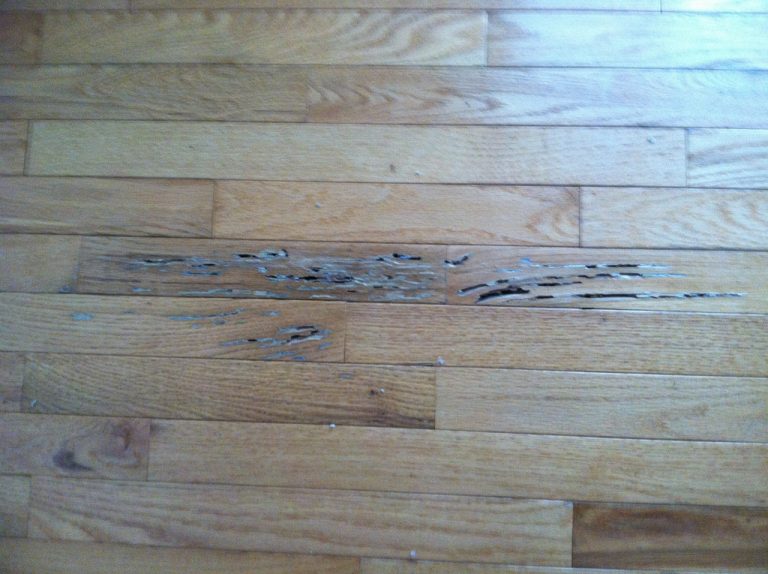
- Wood Damage: Termites feed on wood. They create tunnels and hollow out wooden structures.
- Foundation Issues: Termites can weaken the foundation of your home, making it unsafe.
- Compromised Walls: Termite activity can make walls brittle and prone to collapse.
Imagine you’re enjoying a peaceful evening at home. Suddenly, a part of the ceiling collapses because termites have eaten through the beams. Scary, right? That’s the kind of damage these small creatures can cause.
Financial Costs
Dealing with termite swarmers can be quite expensive. Here are some of the financial costs involved:
- Inspection Costs: Regular termite inspections are necessary to catch infestations early.
- Treatment Expenses: Professional termite treatments can be costly but are essential.
- Repair Bills: Fixing the damage caused by termites can lead to hefty repair bills.
Consider this: I once had a friend who ignored a termite problem for a few months. By the time he decided to act, the repair costs had skyrocketed. The moral of the story? Address termite issues promptly to save money in the long run.
Frequently Asked Questions
Do Termite Swarmers Mean I Have Termites?
Yes, termite swarmers usually indicate a termite infestation. Consult a pest control expert to confirm and address the problem.
How Do You Get Rid Of Termite Swarmers?
Get rid of termite swarmers by sealing entry points, using insecticide sprays, and removing wood debris. Contact a pest control professional for thorough treatment.
What Attracts Termite Swarmers?
Termite swarmers are attracted to light sources, moisture, wood, and warm temperatures. They seek new nesting sites.
Do Swarmer Termites Eat Wood?
Swarmer termites do not eat wood. They are reproductive termites that leave the colony to mate and start new colonies. Only worker termites consume wood.
Conclusion
Termite swarmers are a warning sign of a termite infestation. Spotting them early can save your home from damage. These winged insects seek new places to form colonies. Protecting your home involves regular inspections and pest control measures. Knowledge is power.
Now you know what to look for. Stay vigilant to keep your home safe. Termites cause costly damage, but early action can prevent it. Thank you for reading.