What are the Disadvantages of Cedar: Key Drawbacks Unveiled
Cedar wood is expensive and requires regular maintenance to prevent decay and insect damage. It can also splinter easily.
Cedar is a popular choice for outdoor furniture, decking, and siding due to its natural beauty and durability. Its pleasant aroma and resistance to moisture make it a favorite for various applications. Despite its advantages, cedar has some drawbacks that potential users should consider.
Cedar’s cost is higher compared to other types of wood, making it a less budget-friendly option. Regular maintenance is essential to prevent damage from insects and decay. Additionally, cedar can splinter easily, posing a risk for users, especially in high-traffic areas. Understanding these disadvantages can help you make an informed decision when choosing materials for your projects.
Introduction To Cedar‘s Popularity
Cedar is a popular wood choice. It is known for its pleasant aroma. Many people love its natural beauty. Cedar is often used in furniture and closets. It is also used in outdoor structures. People expect cedar to last a long time. They believe it is very durable and resistant to insects.
Cedar is used in decking and siding. It is also used in fencing and roofing. Many use it for saunas and hot tubs. Cedar is chosen for its moisture resistance. It is often used in musical instruments. People also use cedar for ornamental purposes.
People think cedar is strong and durable. They believe it needs little maintenance. Cedar is expected to last for many years. Many think it will not rot easily. Cedar is often chosen for its rich color and grain. People expect it to stay beautiful over time.

Natural Durability Concerns
Cedar can lose its color over time. Sun and rain can cause fading and graying. Regular maintenance is necessary to keep its look. Painting or staining helps, but it adds to cost and effort. Cedar can crack and split under extreme weather. Weathering affects the strength and appearance of cedar.
Cedar has natural oils that resist pests. Yet, it is not completely immune. Termites and beetles can still damage cedar. Decay and rot can happen in wet conditions. Cedar needs proper sealing to avoid moisture problems. Untreated cedar can degrade faster in damp areas.
Maintenance And Upkeep
Cedar wood needs regular treatment to stay in good condition. It must be sealed or stained often. This helps to prevent damage from weather. Without treatment, cedar can crack or warp. Regular care is necessary to keep its color. This means extra work for homeowners.
Long-term costs of maintaining cedar can be high. You may need to buy special cleaners. Professional help might be needed for proper treatment. This adds to the overall expense. Cedar can be more costly than other woods over time.
Environmental Impact
Deforestation is a big issue with cedar wood. Many cedar forests are being cut down. This leads to the loss of many trees and animals. These forests take a long time to grow back. Cutting them down too fast is not good for nature.
Using cedar wood a lot is not sustainable. It means we might run out of cedar trees. Sustainable practices are needed to protect these trees. People should think about the long-term effects. We need to save cedar forests for the future.
There are many eco-friendly alternatives to cedar wood. Bamboo is one good option. It grows back much faster than cedar. Another option is recycled wood. Using recycled wood helps save trees.
Composite materials are also a good choice. These materials mix wood with plastic. They last a long time and need less care. Choosing these alternatives can help protect cedar forests. It is important to use materials that are good for the environment.
Aesthetic Limitations
Cedar wood can fade over time. Sunlight can cause the color to change. The wood may turn gray or silver. This can happen within a few months. Many people dislike this change. It can make your cedar look old.
Cedar is soft wood. It can get scratched or dented easily. Heavy objects can leave marks. Even small impacts can cause damage. This can make the wood look worn out. Regular maintenance is needed to keep it looking good.
Cost Considerations
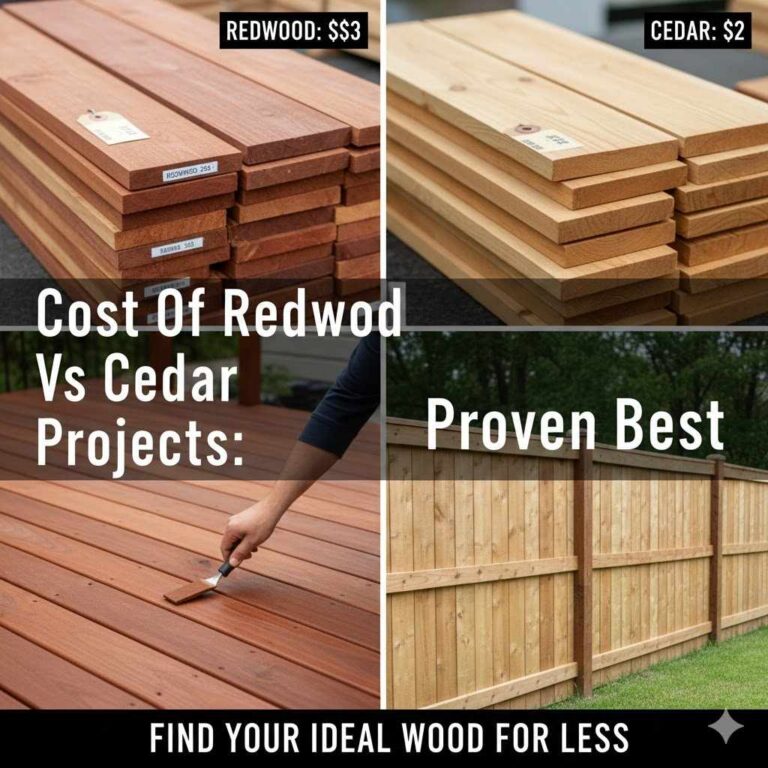
Cedar can be very expensive. Other woods like pine are cheaper. Cedar costs more to buy and install. High cost makes cedar less attractive for many. Families might choose cheaper options.
Cedar requires regular maintenance. This can be costly over time. Paint and seal cedar to prevent damage. Other woods need less care. Cedar’s high cost and upkeep can add up. This makes it less cost-effective over time.
Installation Challenges
Cedar installation needs specialized tools. Not everyone has these tools at home. Hiring a professional might be necessary. Professionals have the expertise to handle cedar. Without the right tools, mistakes can happen. These mistakes can be costly and time-consuming. Proper installation ensures cedar lasts long. Incorrect installation can lead to problems.
Installing cedar takes a lot of time. It is not a quick job. Measuring and cutting cedar correctly is crucial. Fitting the pieces together needs care. Rushing can lead to errors. Errors mean more time spent fixing them. Patience is key when working with cedar. Proper installation rewards the effort.
Allergic Reactions And Toxicity
Cedar can cause allergic reactions in some people. These reactions may include skin rashes and respiratory issues. Cedar dust can be especially irritating. Sensitive individuals may experience sneezing, coughing, or even asthma attacks. Wearing a mask can help reduce inhalation of dust. Using gloves can protect the skin from irritation.
Proper handling of cedar is important for safety. Always use protective gear such as gloves and masks. Work in well-ventilated areas to minimize dust exposure. Washing hands and face after handling cedar can prevent skin irritation. Keeping the work area clean helps reduce health risks. Vacuuming instead of sweeping is recommended to avoid spreading dust.
Conclusion: Weighing The Pros And Cons
Cedar wood’s disadvantages include high cost and potential for allergic reactions. It also requires regular maintenance to prevent decay.
Making An Informed Decision
Cedar wood has many benefits, but it also has some downsides. It can be expensive compared to other types of wood. Cedar needs regular maintenance to keep it looking good. It can be prone to damage from insects and moisture. Cedar is also softer than other woods, so it can scratch easily.
Think about the pros and cons of cedar before you choose it for your project. Consider your budget and how much time you have for upkeep. Cedar can be a great choice if you are ready for its care.
Future Prospects For Cedar Use
Cedar’s popularity may change as new materials become available. New technologies might offer better alternatives to cedar. Sustainable practices could also impact cedar’s use. Environmental concerns may lead to less cedar being harvested. Cedar could still be popular for certain projects. Its natural beauty and scent are hard to replace.

Frequently Asked Questions
What Are The Negatives Of Cedar?
Cedar can be expensive and may require regular maintenance. It is prone to scratches and dents. Cedar can also fade over time, losing its natural color.
Does Cedar Rot When Wet?
Cedar wood is naturally resistant to rot. Prolonged exposure to moisture can still cause decay. Proper maintenance is essential.
Can Cedar Be Left Untreated?
Yes, cedar can be left untreated. It naturally resists decay, insects, and moisture. Over time, it will weather to a silver-gray patina. Regular maintenance can preserve its appearance.
How Long Will Cedar Last?
Cedar wood can last 15-30 years outdoors, depending on climate and maintenance. Proper care can extend its lifespan.
Conclusion
Cedar has its drawbacks, including high cost, maintenance needs, and vulnerability to insects. It’s essential to weigh these factors. While cedar offers beauty and durability, consider alternatives for your specific needs. Making an informed choice ensures you get the best value and longevity for your investment.