What Can MDF Cause: Health Risks & Environmental Impact
Imagine walking into your home, breathing in the air, and unknowingly being exposed to hidden dangers lurking within your furniture and walls. You might be surprised to learn that MDF, or medium-density fiberboard, a common material in your home, can have unforeseen effects on your health and environment.
Are you curious about what MDF could be doing in your living space? This article is your guide to uncovering the truth about MDF, revealing potential risks that might be impacting you and your loved ones. As you read on, you’ll discover essential insights that could change how you view the materials you live with every day.
Don’t miss out on empowering yourself with this vital knowledge—your health and peace of mind might just depend on it.
Credit: theroundup.org
MDF Composition
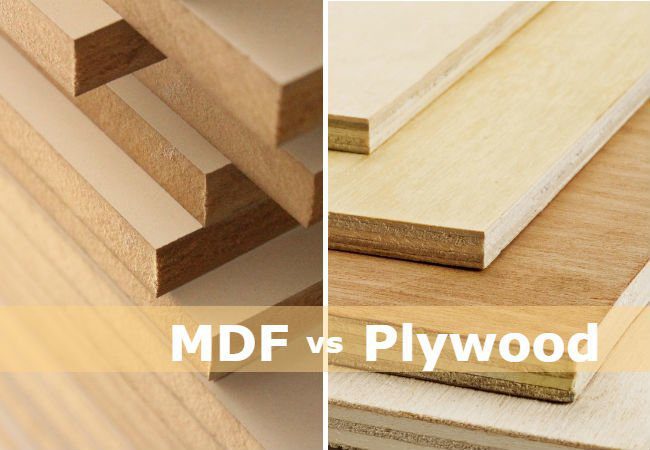
MDF stands for Medium Density Fiberboard. It is made from wood fibers. These fibers are mixed with glue. They use wax too. The glue helps stick the fibers together. They use resins for better strength. The wood fibers come from soft and hard woods. MDF is often made from recycled wood. This helps save trees. It is an eco-friendly choice for many. MDF is used in furniture and cabinets.
The process starts with breaking wood into fibers. Next, they mix fibers with glue and wax. The mixture is heated. They press it into sheets. This makes the MDF strong. They cut the sheets into different sizes. The surface is made smooth. It is sanded for a nice finish. MDF is painted easily. It is shaped for many uses. The process is efficient. MDF is made in large factories.
Health Risks Of MDF
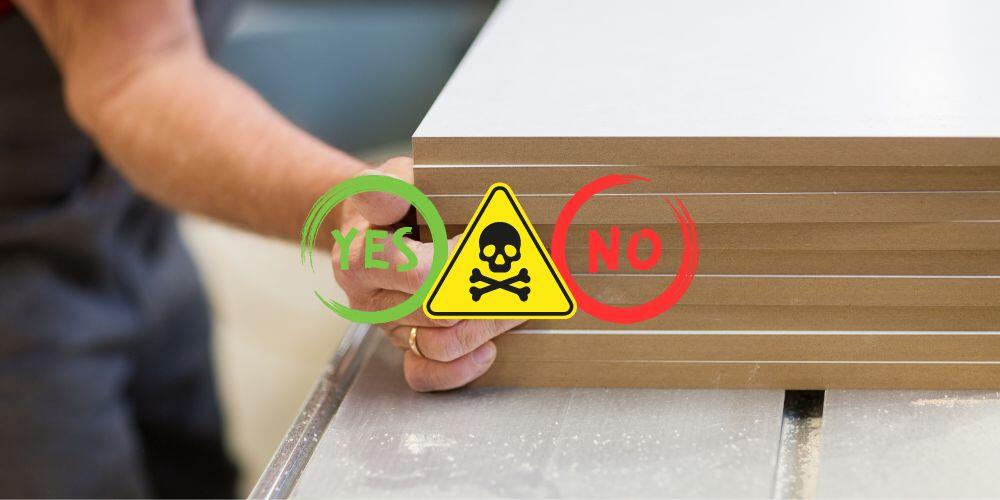
MDF releases formaldehyde, a harmful gas. This gas can cause health problems. People might feel sick. Breathing becomes hard. Eyes might sting. In small rooms, the risk is higher. Fresh air helps. Ventilation is important.
Dust from MDF can enter the lungs. It makes breathing hard. People might cough often. Asthma can get worse. Masks can help. Cleaning rooms often is wise.
MDF dust can irritate skin. Redness and itchiness are common. Washing skin helps. Wearing gloves is smart. Touching MDF often is risky.
Long-term Health Effects
MDF dust can be harmful if breathed in often. It can lead to breathing problems. Your lungs might feel sore. You might cough more. It can make asthma worse. It’s not good for people with asthma.

Credit: shapestack.com
Environmental Impact Of MDF
MDF uses a lot of wood. This means cutting down many trees. Forests are important for animals and clean air. The more trees we cut, the less space for animals. MDF also needs energy to make. Energy comes from burning fuels. Burning fuels means more pollution. So, MDF not only uses wood but also harms the air.
Making MDF creates pollution. Factories release gases into the air. These gases can be harmful. They can hurt people and animals. Water near factories can get dirty. Dirty water is bad for fish. Fish and plants can die. MDF production also creates dust. Dust can cause breathing problems. People working in factories might get sick.
Waste And Recycling
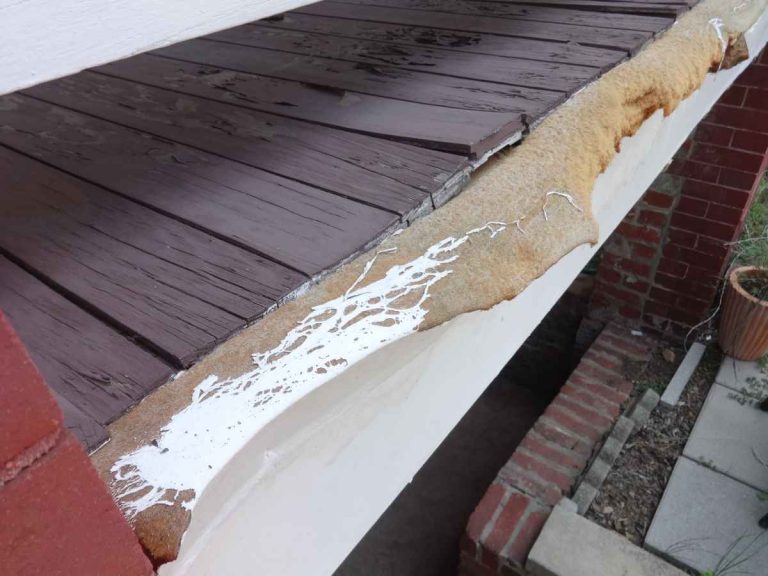
Disposing of MDF is tricky. It doesn’t break down easily. MDF contains resins and chemicals. These can harm the environment. Burning MDF releases toxic fumes. Landfills get full quickly. This creates more waste. Proper disposal methods are needed. Safe ways are necessary to protect nature.
Recycling MDF offers hope. It can be reused in new boards. This saves resources. Recycling reduces waste. It helps the earth. Some companies turn MDF into new products. Like fuel or compost. Not every place recycles MDF. More recycling centers can help. It’s important to find new ways to recycle MDF. This supports a cleaner planet.
Alternatives To MDF
Eco-friendly materials are better for the planet. They come from nature. Bamboo is one such material. It grows very fast. It is also very strong. Another option is reclaimed wood. This wood is reused. This helps reduce waste. Reclaimed wood has a unique look. It makes furniture special. Cork is also eco-friendly. It is soft and light. Cork comes from trees. The trees are not cut down. This makes cork sustainable.
Sustainable practices help protect the earth. Using less water is one way. Water is precious. Another practice is recycling. This saves resources. People can recycle paper, plastic, and metal. Growing plants is sustainable too. Plants clean the air. They also provide food. Using less energy helps. Turn off lights when not in use. Walk or bike instead of driving. These practices make a big difference.
Frequently Asked Questions
Is MDF Harmful To Health?
MDF contains formaldehyde, which may release harmful gases. Proper ventilation reduces risks. Use low-emission MDF for safer options. Always wear a mask when cutting or sanding MDF.
What Are The Symptoms Of MDF Poisoning?
MDF poisoning can cause skin irritation, respiratory problems, and headaches. Individuals may experience coughing and eye irritation. Prolonged exposure might lead to more severe health issues like asthma or dermatitis. Always ensure proper ventilation and use protective gear when handling MDF to minimize risks.
What Are The Warnings About MDF?
MDF releases formaldehyde, which can cause health issues. Avoid inhaling dust while cutting or sanding. Always use protective gear. Keep MDF dry to prevent swelling or warping. Properly ventilate areas where MDF is used. Dispose of MDF responsibly to avoid environmental harm.
Is MDF Safe To Have In A Home?
MDF is generally safe for home use if properly sealed and maintained. It can emit formaldehyde, so ensure adequate ventilation. Choose MDF products that meet safety standards to minimize risks. Always handle and install MDF with care to prevent dust exposure, which can be harmful.
Conclusion
MDF can pose certain health risks. Dust from cutting or sanding MDF can irritate eyes, nose, and throat. Formaldehyde emissions may cause respiratory issues over time. Always work in a well-ventilated area. Wear protective gear like masks and goggles. Regular cleaning reduces dust exposure.
Using low-formaldehyde MDF options helps. Being informed keeps you safe. Prioritize your health when working with MDF.