What Do Termites Eat Other Than Wood The Shocking Answer
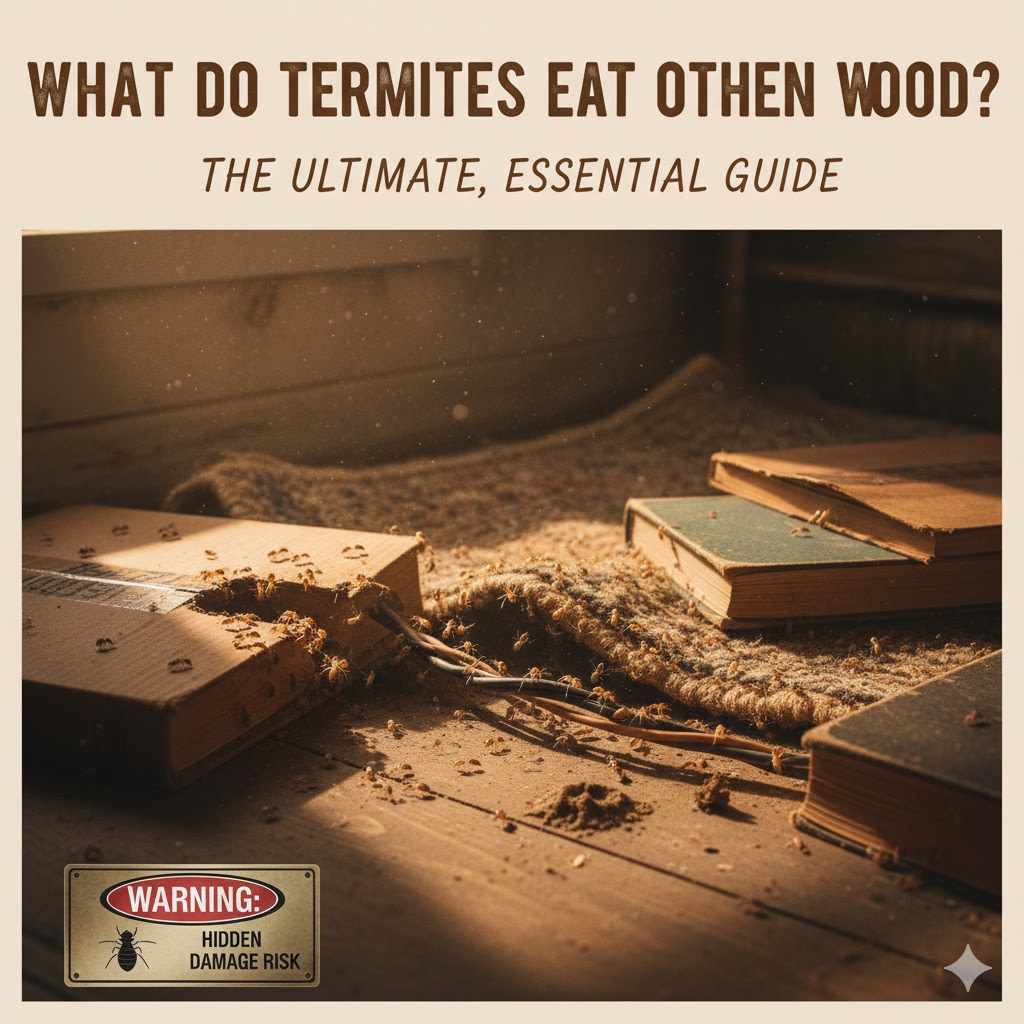
While termites are famous for eating wood, their actual diet is anything containing cellulose. This means they will eat paper, cardboard, cotton fabrics, drywall backing, and plant-based materials in your home and garden. The wood is just the most common source of the cellulose they need to survive.
Hello friends, Md Meraj here! As a woodworking enthusiast, I spend a lot of time thinking about wood—how to cut it, shape it, and join it. But there’s one tiny creature that thinks about wood just as much as we do: the termite. We all know they love to chew through our projects and our homes. But what if I told you the wooden structures in your home aren’t the only things on their menu? It can be a real shock to discover these pests munching on things you never thought were at risk. Don’t worry. Today, we’re going to pull back the curtain on the termite’s true diet. Understanding what they’re really after is the first step in protecting your entire home, not just your lumber pile.
The Real Secret: Why Termites Eat What They Eat
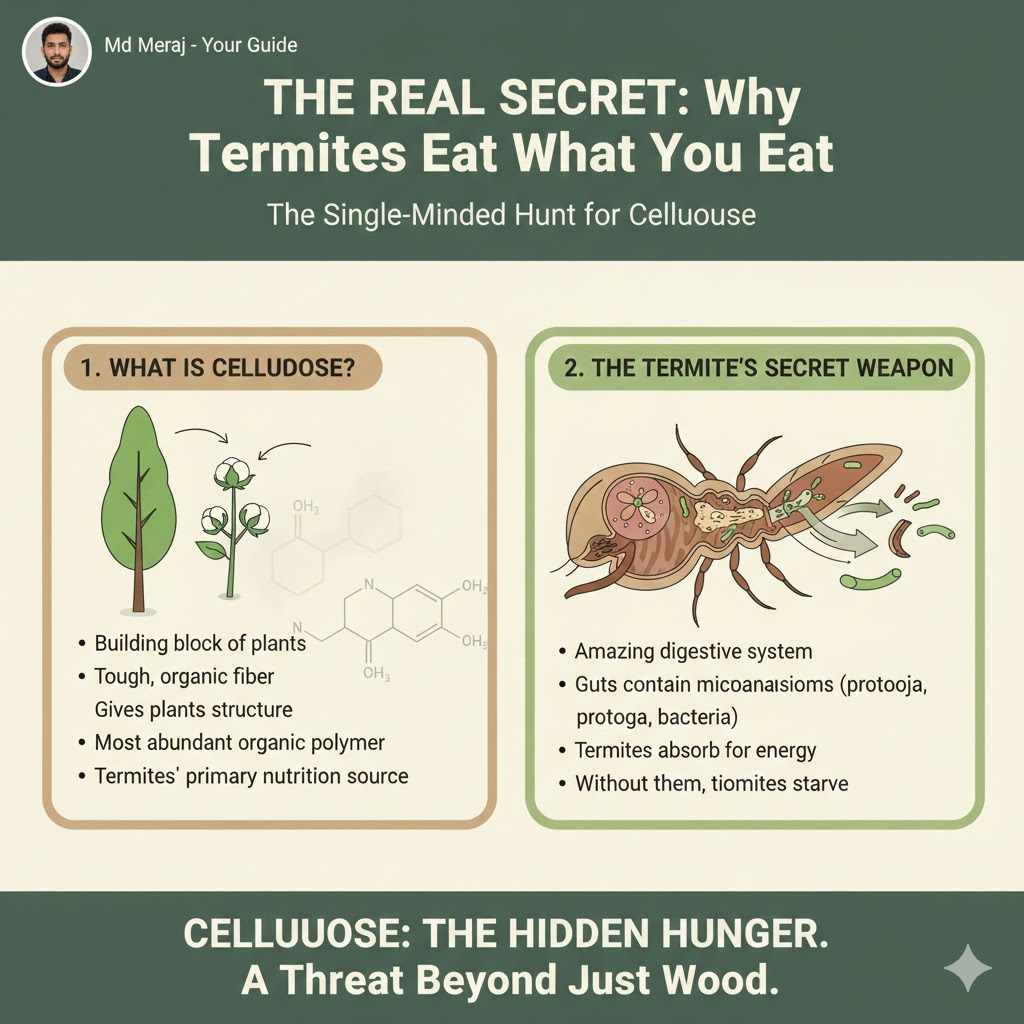
Let’s get one thing straight right away: termites don’t eat wood because they like the taste of a 2×4. They are after one specific ingredient found inside wood and many other materials: cellulose.
So, what is cellulose? Think of it as the building block of the plant world. It’s a tough, organic fiber that gives plants their structure and strength. It’s what makes a tree stand tall and a cotton plant feel fibrous. It is the most abundant organic polymer on Earth. For termites, cellulose is their primary source of nutrition—it’s their carbohydrates, proteins, and fats all rolled into one.
Termites have an amazing digestive system. Their guts contain tiny microorganisms, like protozoa and bacteria, that break down the tough cellulose into simple sugars the termites can absorb for energy. Without these tiny helpers, a termite would starve to death, even with a full belly of wood. This single-minded hunt for cellulose is why they pose a threat to so many things beyond your home’s wooden frame.
Beyond the Woodpile: A Termite’s Surprising Buffet
Once you understand that termites are hunting for cellulose, a whole new world of potential termite food opens up. Many common household items are packed with this essential nutrient. Let’s look at some of the most surprising items on a termite’s menu.
1. Paper and Cardboard Products
This is probably the most common non-wood material that termites feast on. Paper is made from wood pulp, which is almost pure cellulose. For a termite, a stack of old newspapers or a cardboard box is like an all-you-can-eat buffet.
- Books: The pages, binding, and glue in older books can be a tasty meal. It’s heartbreaking to find a cherished book hollowed out by termites.
- Cardboard Boxes: Storing items in cardboard boxes in your attic, basement, or garage is like setting out a welcome mat for termites. They love the layered structure and easily digestible material.
- Wallpaper: The paper itself and the adhesive paste used to apply it can both attract termites. They can tunnel behind the wallpaper, eating it from the back, so you might not see the damage until it’s severe.
- Drywall: While termites can’t eat the gypsum core of drywall, they absolutely devour the paper backing on either side. This is a very common way they travel through a home’s walls undetected.
2. Fabrics and Textiles
Many fabrics are made from plants, which means they are rich in cellulose. Subterranean termites, the most common type, might damage these fabrics if they are in contact with soil, but certain species, like drywood termites, might find them anywhere.
- Cotton: Clothing, towels, and rugs made from 100% cotton are on the menu. A pile of laundry or stored clothes in a damp, dark area could become a target.
- Linen: Made from the flax plant, linen is another cellulose-rich material that termites can damage.
- Rayon: This semi-synthetic fabric is actually made from purified cellulose, often sourced from wood pulp. Termites can and do eat it.
They generally leave synthetic fibers like polyester and nylon alone, but they might chew through them to get to a cellulose source on the other side.
3. Garden and Yard Materials
Your home isn’t the only place at risk. Your yard can be a breeding ground and food source for termites, allowing their colonies to grow strong before they ever approach your foundation.
- Wood Mulch: This is a big one. While mulch helps your garden retain moisture, piling it up against your foundation provides termites with both food and a hidden, moist pathway right into your home.
- Dead Trees and Stumps: A decaying stump in your yard is a perfect home for a termite colony. It provides food, shelter, and moisture.
- Leaf Litter and Compost: Piles of leaves and compost are full of decaying plant matter, which is pure cellulose. While good for your garden, they should be kept away from your house.
4. Other Building Materials
Termites are surprisingly resourceful and can find food in various construction materials you might not expect.
- Particleboard and Composite Wood: These materials are made from wood scraps and sawdust held together by an adhesive. They are often even more appealing to termites than solid wood because they are easier to chew through.
- Insulation: While they don’t eat fiberglass, some types of rigid foam insulation can be tunneled through. More importantly, some insulation has a paper or foil backing that termites will gladly consume.
For more detailed information on termite biology and behavior, I highly recommend checking out the resources from the U.S. Environmental Protection Agency (EPA). They provide excellent, reliable information for homeowners.
A Quick Look at Termite Food Sources
To make it even clearer, here’s a table breaking down common items termites love to eat.
| Item Category | Specific Examples | Why Termites Eat It |
|---|---|---|
| Wood Products | Structural lumber, furniture, firewood, fences | High concentration of cellulose in a dense form. |
| Paper Products | Books, cardboard, newspapers, drywall paper | Processed wood pulp, making cellulose easy to digest. |
| Plant-Based Fabrics | Cotton clothes, linen sheets, jute rugs | Fibers are made directly from cellulose-rich plants. |
| Yard Debris | Wood mulch, dead roots, leaf piles, compost | Natural, decaying source of cellulose and moisture. |
How to Spot Termite Damage on Non-Wood Items
Since termites often attack these items in hidden places like basements, attics, and inside walls, knowing the signs of their activity is crucial. Damage to non-wood items can look a bit different from classic wood damage.
Check for Unexplained Holes and Thin Spots
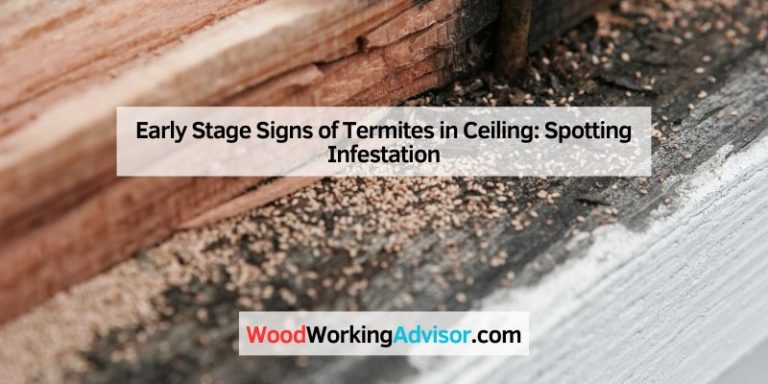
On materials like paper, cardboard, or drywall backing, termite damage can appear as small pinholes or delicate, web-like patterns where they have eaten away layers of material. If you press gently on drywall and it feels thin or papery, that’s a major red flag.
Look for Mud Tubes
Subterranean termites build pencil-sized tunnels out of mud, saliva, and fecal matter to travel from their nest in the soil to their food source. You might find these tubes running up your foundation, along walls, or across ceilings. They are a sure sign of an active infestation.
Notice Strange Stains or Discoloration
Termite activity can sometimes create stains on walls or ceilings that look like minor water damage. If you see discoloration but can’t find a leak, it’s time to investigate for termites.
Watch for Swarmers and Their Wings
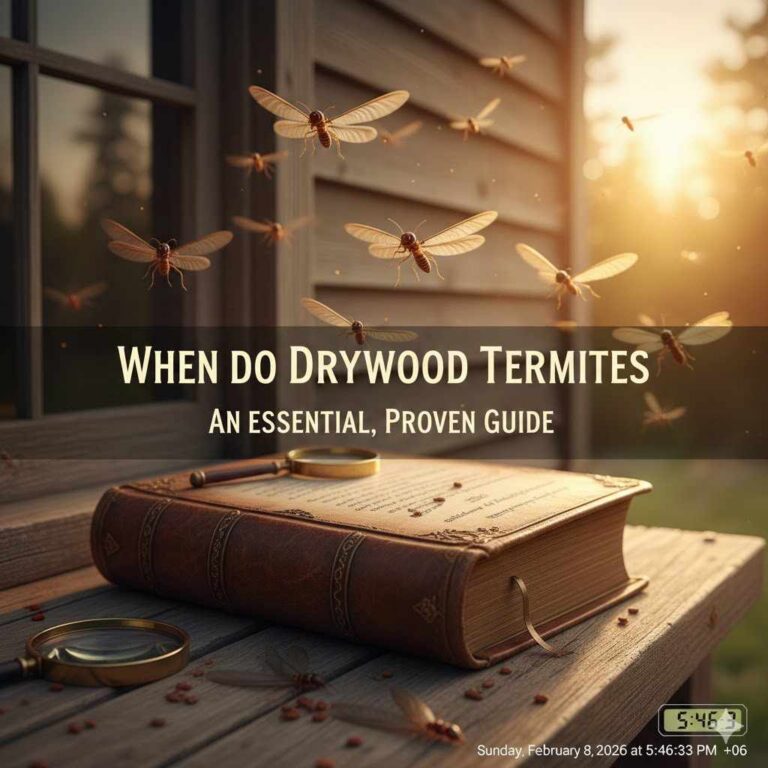
Often the first visible sign of a termite colony is a “swarm.” This is when winged reproductive termites leave the nest to form a new colony. They usually appear in the spring. After they land, they shed their wings, so finding piles of tiny, identical wings on windowsills or floors is a dead giveaway.
Protecting Your Entire Home: A Prevention Checklist
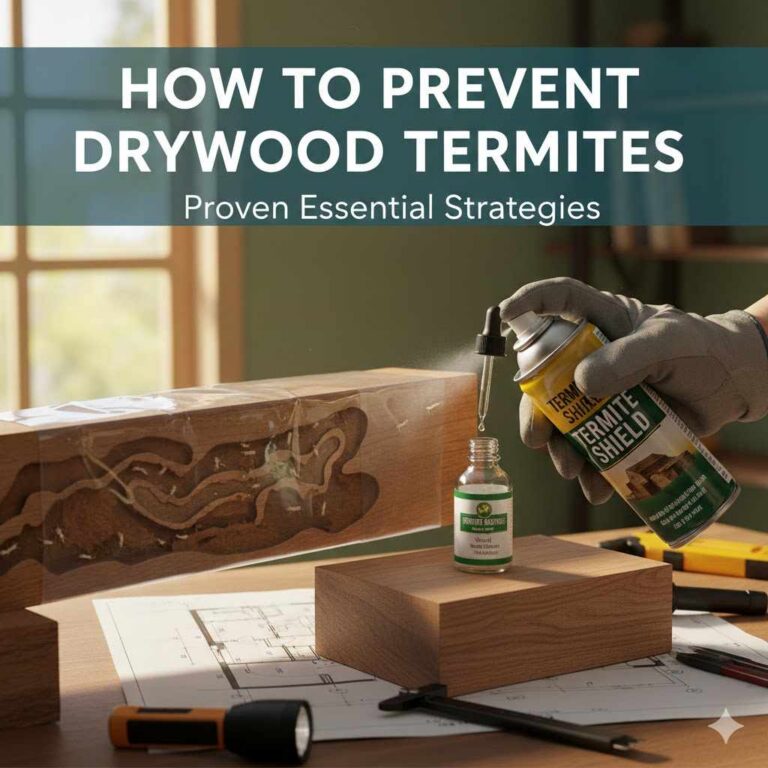
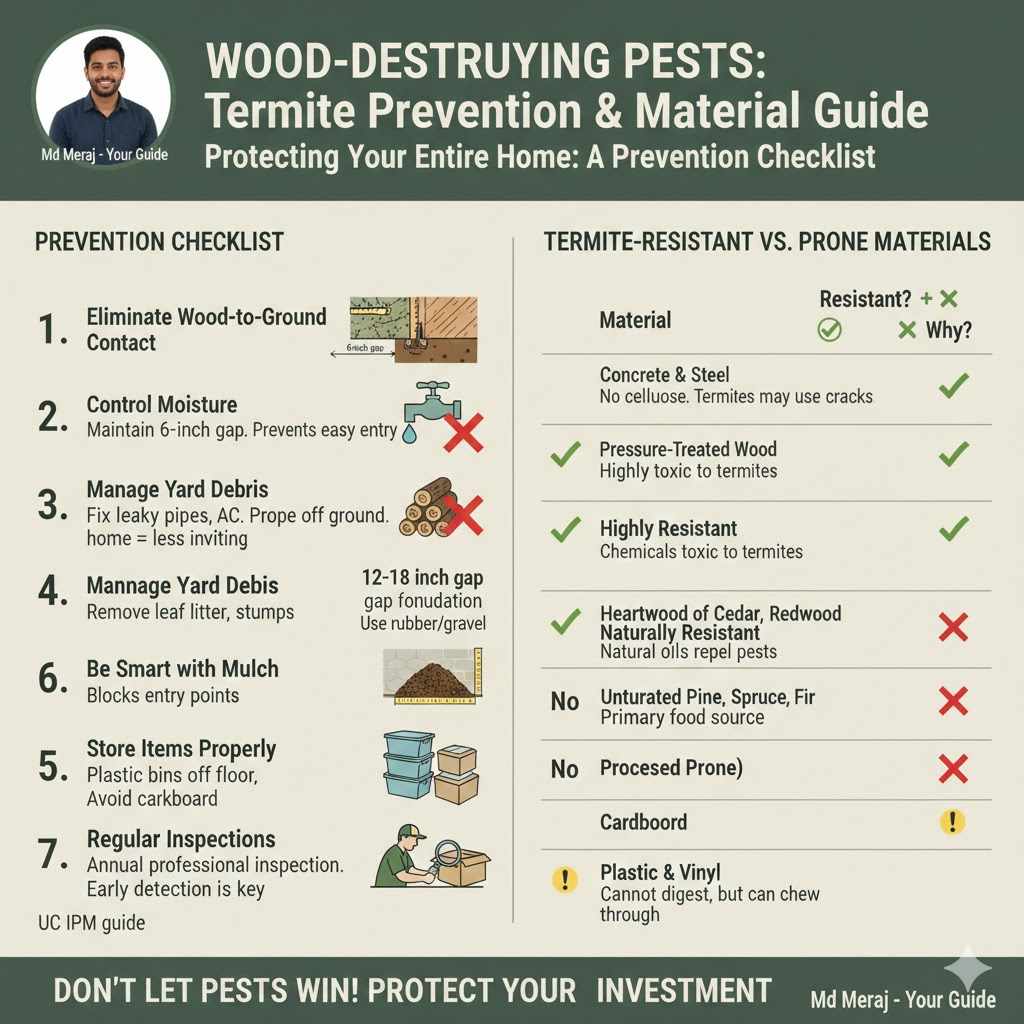
Protecting your home from termites is all about making it less attractive to them. The key is to control moisture and eliminate easy access to food. Here is a simple checklist to get you started.
- Eliminate Wood-to-Ground Contact: Ensure there is at least a 6-inch gap between any wood on your home (siding, porch steps, etc.) and the soil.
- Manage Yard Debris: Keep firewood, lumber, and other wood piles at least 20 feet away from your home and stored off the ground. Rake up and remove leaf litter and dead stumps.
- Be Smart with Mulch: Avoid piling wood mulch directly against your foundation. Leave a gap of at least 12-18 inches. Consider alternatives like rubber or gravel mulch near the house.
- Control Moisture: Termites need moisture to survive. Fix leaky faucets, pipes, and air conditioning units. Ensure your gutters and downspouts are clean and direct water far away from your foundation.
- Seal Entry Points: Seal any cracks or gaps in your foundation and around utility lines where pipes and wires enter your home. This makes it harder for termites to get inside.
- Store Items Properly: Use plastic, sealable bins instead of cardboard boxes for long-term storage in basements, attics, and garages. Keep stored items off the floor.
- Schedule Regular Inspections: The best defense is a good offense. Have a professional pest control company inspect your home annually. They can spot signs of trouble you might miss. The University of California’s Integrated Pest Management Program has fantastic guides on choosing a pest control service.
Termite-Resistant vs. Termite-Prone Materials
Understanding which materials are safe can help you in your DIY and building projects. Here’s a quick guide.
| Material | Is it Termite-Proof? | Why or Why Not? |
|---|---|---|
| Concrete & Steel | Yes | These materials contain no cellulose. However, termites can pass through tiny cracks in concrete. |
| Pressure-Treated Wood | Highly Resistant | The wood is infused with chemicals that are toxic to termites, fungi, and other pests. |
| Heartwood of Cedar, Redwood | Naturally Resistant | These woods contain natural oils and resins (extractives) that act as a repellent to termites. |
| Untreated Pine, Spruce, Fir | No (Highly Prone) | These softwoods are a primary and preferred food source for most termite species. |
| Cardboard | No (Highly Prone) | It’s processed cellulose, making it very easy for termites to consume. |
| Plastic & Vinyl | Yes (But…) | Termites cannot digest plastic, but they have strong jaws and can chew through it to get to a food source behind it. |
Frequently Asked Questions (FAQ)
1. Do termites eat plastic?
No, termites do not eat plastic for nutritional value. They cannot digest it. However, they are relentless foragers and can chew through soft plastics, plastic sheeting, and vinyl siding to get to a source of cellulose (like the wood frame of your house) on the other side.
2. Can termites eat through concrete?
Termites cannot eat concrete. But they are experts at finding tiny cracks and crevices. A subterranean termite only needs a crack that is 1/64th of an inch wide to squeeze through. They often find pathways through expansion joints or cracks in a home’s foundation to reach the wood inside.
3. Are there any types of wood that termites won’t eat?
Yes! Some woods are naturally resistant to termites due to their chemical composition. The heartwood (the dense, inner part of the tree) of species like cedar, redwood, and cypress contain natural oils and resins that repel termites. Pressure-treated lumber is also highly resistant because it’s chemically treated to be toxic to pests.
4. How can I tell the difference between water damage and termite damage?
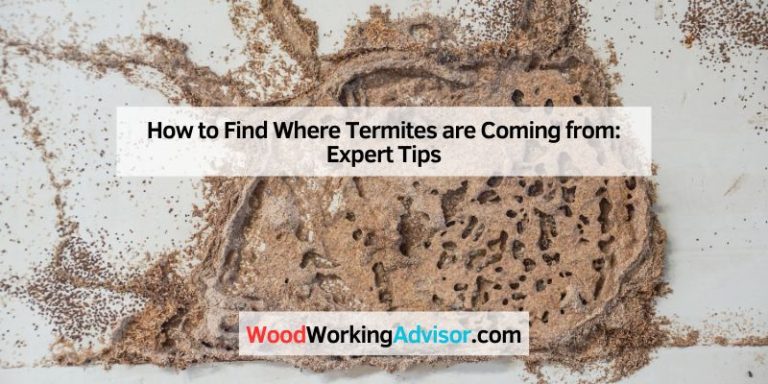
This can be tricky as they can look similar. Water damage typically causes staining that is diffuse and irregular, and you might see peeling paint or mold. Termite damage to drywall might also cause discoloration, but it often feels soft or hollow when you press on it. The definitive sign of termites is the presence of mud tubes, swarmers’ wings, or the honeycomb-like pattern within damaged wood.
5. Do termites only live in old, run-down houses?
This is a common myth. Termites can and do infest homes of all ages, including brand-new construction. A termite colony’s only criteria are access to food (cellulose), moisture, and shelter. A new home can be just as attractive as an old one if the conditions are right.
6. I found termites in my garden. Does that mean my house is infested?
Not necessarily, but it is a major warning sign. Termites are a natural part of the ecosystem, and finding them in a dead stump in your yard is normal. However, having a large, healthy colony right next to your home significantly increases the risk that they will eventually find a way inside. It’s a good time to double-check your prevention measures and consider a professional inspection.
Conclusion: Your Best Defense is Knowledge
The shocking truth is that a termite’s diet goes far beyond the wood in your walls. Their relentless search for cellulose puts countless items in and around your home at risk—from the books on your shelves to the cardboard boxes in your attic. But you don’t need to feel helpless. Now that you know what they’re really after, you have the power to protect your property.
By being mindful of moisture, managing your yard, storing items carefully, and knowing the early signs of an infestation, you can make your home a much less inviting place for these destructive pests. Remember, a little bit of prevention goes a long way in the world of woodworking and homeownership. Stay vigilant, stay proactive, and you can keep your projects and your home safe for years to come.